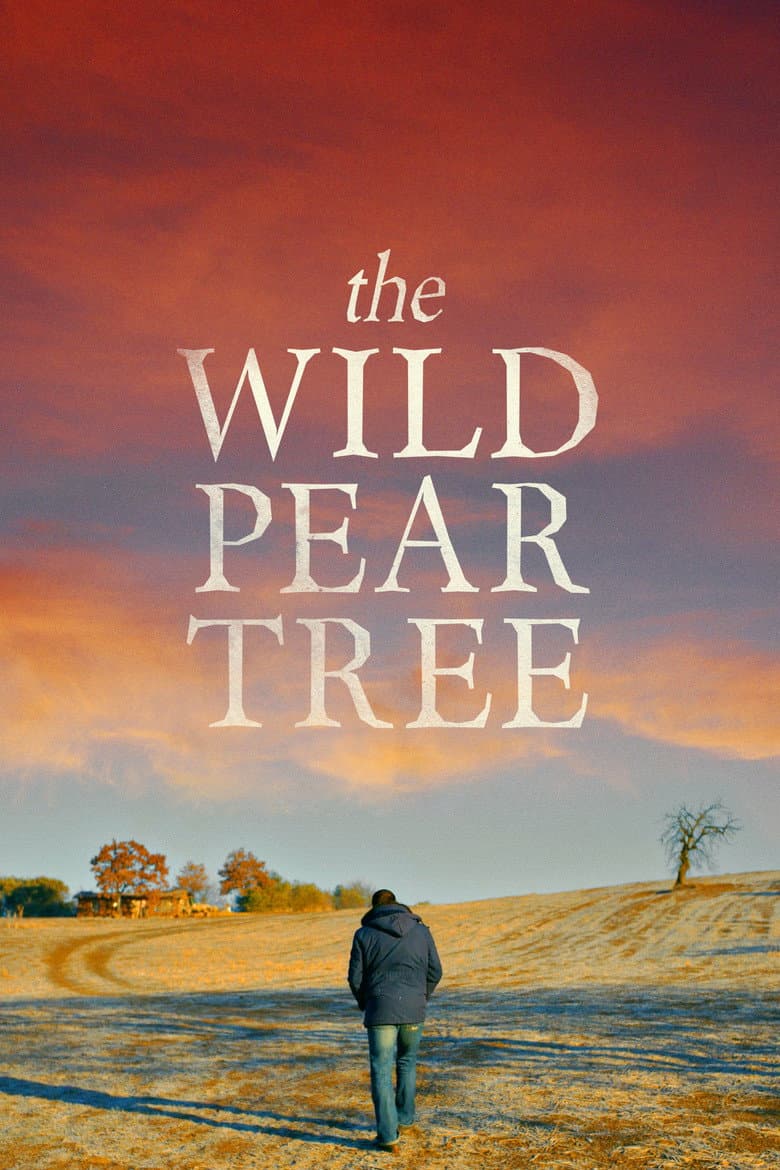
Sinan Karasu has just finished university, but he does not know how to build a life. He returns to his small Turkish hometown to find money for a book and to take a teaching exam. His father Idris is a teacher who gambles away family money, so Sinan feels both anger and shame. Sinan argues with relatives, an old love, a local writer, two imams, and people who might help his future. The film uses a slow, quiet, and sometimes funny tone as it follows his pride, loneliness, and growing sense of failure.
The film’s clearest social ideas appear in talks about religion, public jobs, money, and family duty. Sinan questions belief and pushes against the town’s expected way of life, while two imams disagree about change and holy texts. A short exchange with Hatice shows how marriage can become a woman’s main escape, and Sinan answers her with a rude joke about feminism. The story also shows how unpaid work and poor choices hurt the women around Idris, but the main arc remains a son’s struggle with pride, debt, work, and his father’s example. These ideas add a mild modern social critique without turning the movie into an identity-driven or activist campaign.
Community feedback
Was our 34% Woke rating accurate?
Breakdown
These are the editorial factors and ratings behind our score for The Wild Pear Tree.
Woke representation / casting
Not present. The cast presents Turkish people in a contemporary Turkish town, which fits the story world. The movie does not make cast identity part of its story.
0%
Woke political dialogue
Sinan says men have a harder path because they must work, while women can marry and stay home. Hatice pushes back, and Sinan calls her a feminist. The longer talks focus on religion, teaching jobs, literature, and state pressure rather than a modern activist program.
22%
Identity-driven story themes
The story gives repeated attention to the limits placed on women in the town. Hatice sees marriage as her main route to a safer life, and Sinan answers her challenge with a feminist joke. Asuman carries much of the family burden while Idris gambles, and Sinan speaks about women in a dismissive way. These ideas stay around the main father-son story but do not control it.
32%
Western institutional / cultural critique
The film questions traditional gender roles when Hatice asks why women are expected to marry and stay home. It also shows religious and public institutions as imperfect through debates about belief, teacher appointments, and police work. The criticism is aimed at Turkish family and state life, not Christianity or Western culture as a whole.
27%
Woke character or canon changes
Not relevant. The movie is an original story about fictional Turkish characters, so it does not change known characters or a real historical event.
0%
Anti-woke backlash and complaints
Not present. The separate X evidence found no anti-woke complaints, and wider discussion centered on praise, length, pacing, and difficult characters. No sustained woke, DEI, or identity-politics backlash appears in the reported coverage.
0%
Creator track record context
The cached context rates Nuri Bilge Ceylan at 43, Ebru Ceylan at 14, and Zeynep Özbatur Atakan at 58. Ceylan’s work often studies class, isolation, power, and social pressure, but he has no strong DEI or activist persona. Ebru Ceylan has a low activist profile. Atakan has a stronger record of supporting women’s opportunities in film, which adds context without making this film a representation project.
38%
Production
Movie · 2020
A man refuses all assistance from his daughter as he ages and, as he tries to make sense of his changing circumstances, he begins to doubt his loved ones, his own mind and even…
Movie · 2016
In a desolate war zone where screams of the innocent echo, on the very line between disaster and valor, 7 Maroon Berets will dance with death.
Movie · 2016
WWII American Army Medic Desmond T. Doss, who served during the Battle of Okinawa, refuses to kill people and becomes the first Conscientious Objector in American history to…
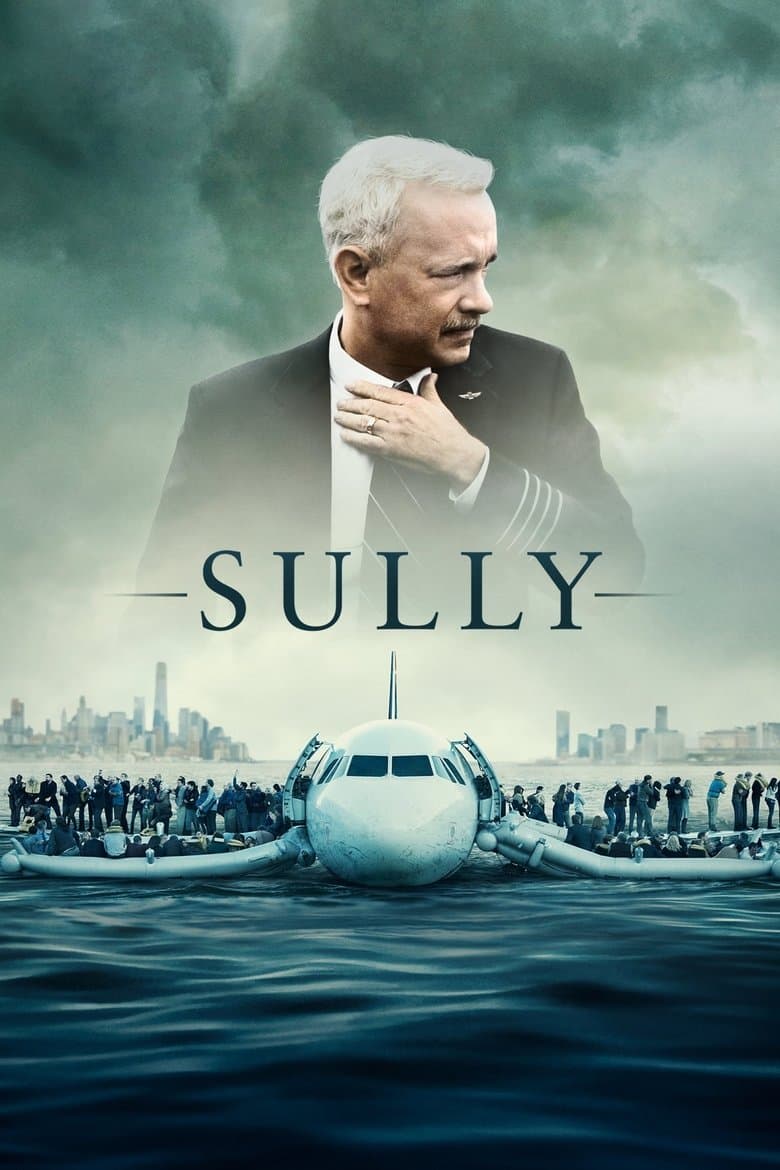
Movie · 2016
On 15 January 2009, the world witnessed the 'Miracle on the Hudson' when Captain 'Sully' Sullenberger glided his disabled plane onto the Hudson River, saving the lives of all 155…

Movie · 2024
On the brink of the Second World War, a young Norwegian man's drive to resist the Nazis sets a new course for his future – and the future of his country.
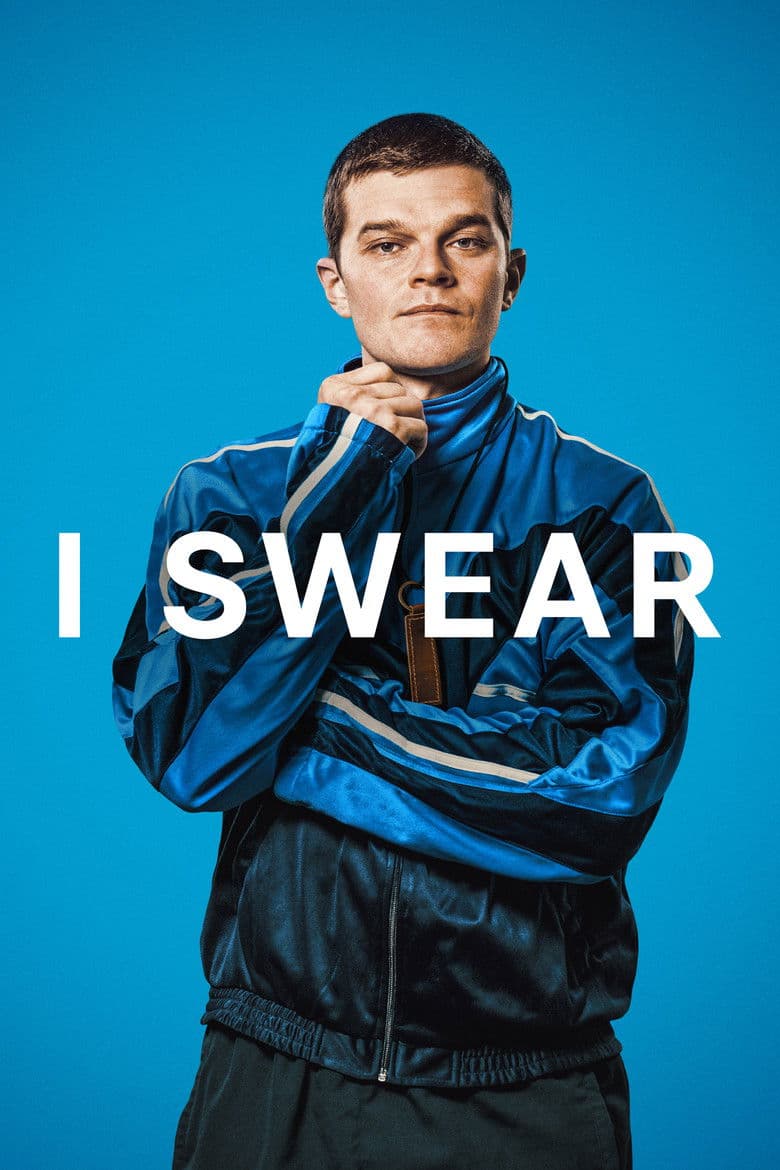
Movie · 2025
Diagnosed with Tourette Syndrome at 15, John Davidson navigates his way against the odds through troubled teenage years and into adulthood, finding inspiration in the kindness of…
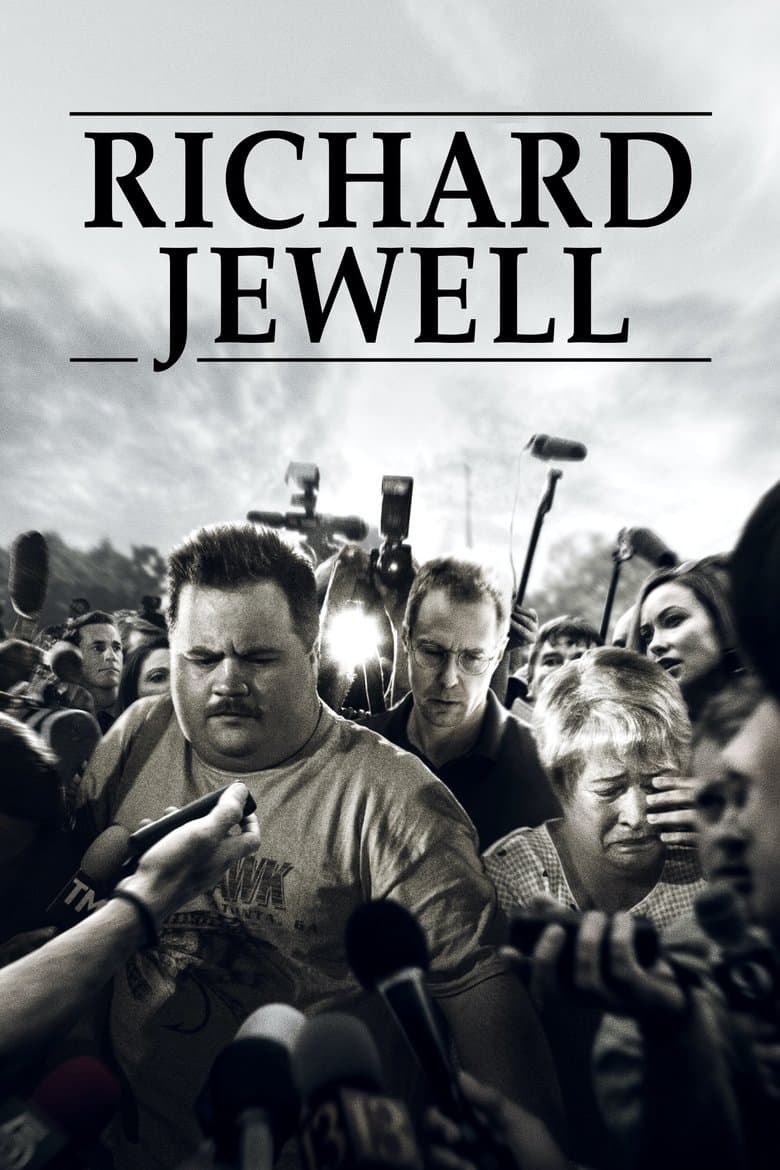
Movie · 2019
Richard Jewell thinks quick, works fast, and saves hundreds, perhaps thousands, of lives after a domestic terrorist plants several pipe bombs and they explode during a concert…
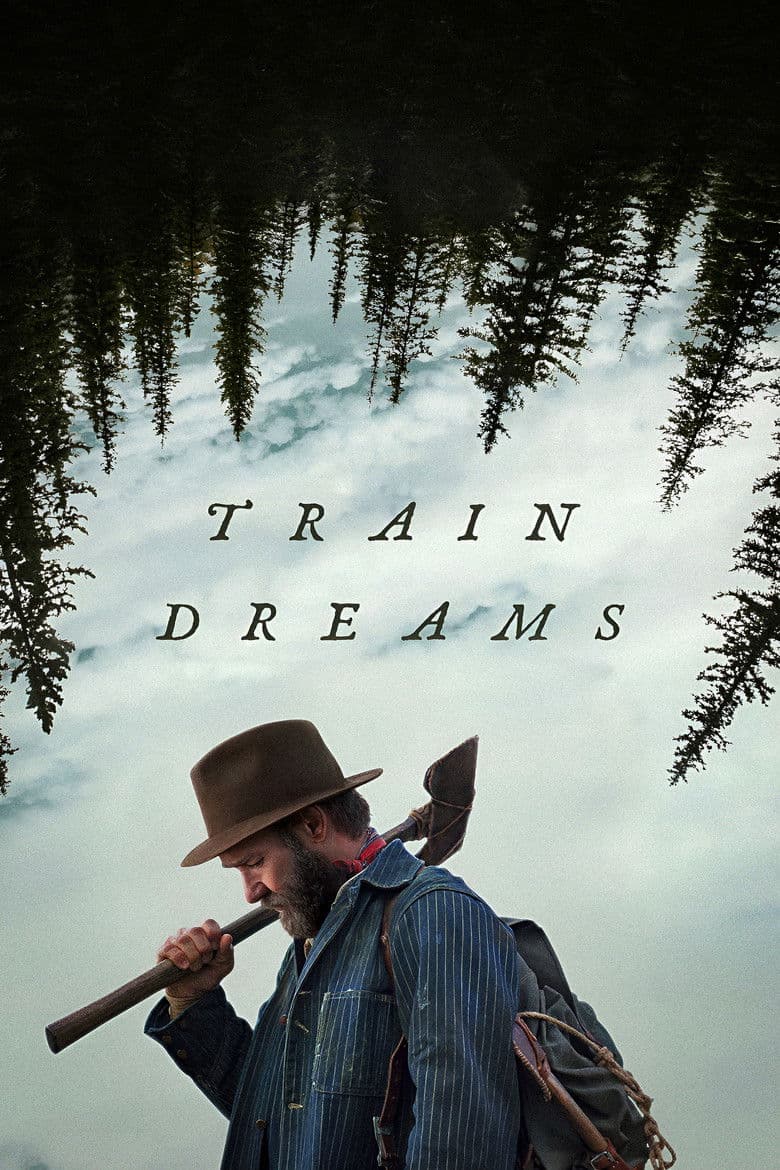
Movie · 2025
A logger leads a life of quiet grace as he experiences love and loss during an era of monumental change in early 20th-century America.
