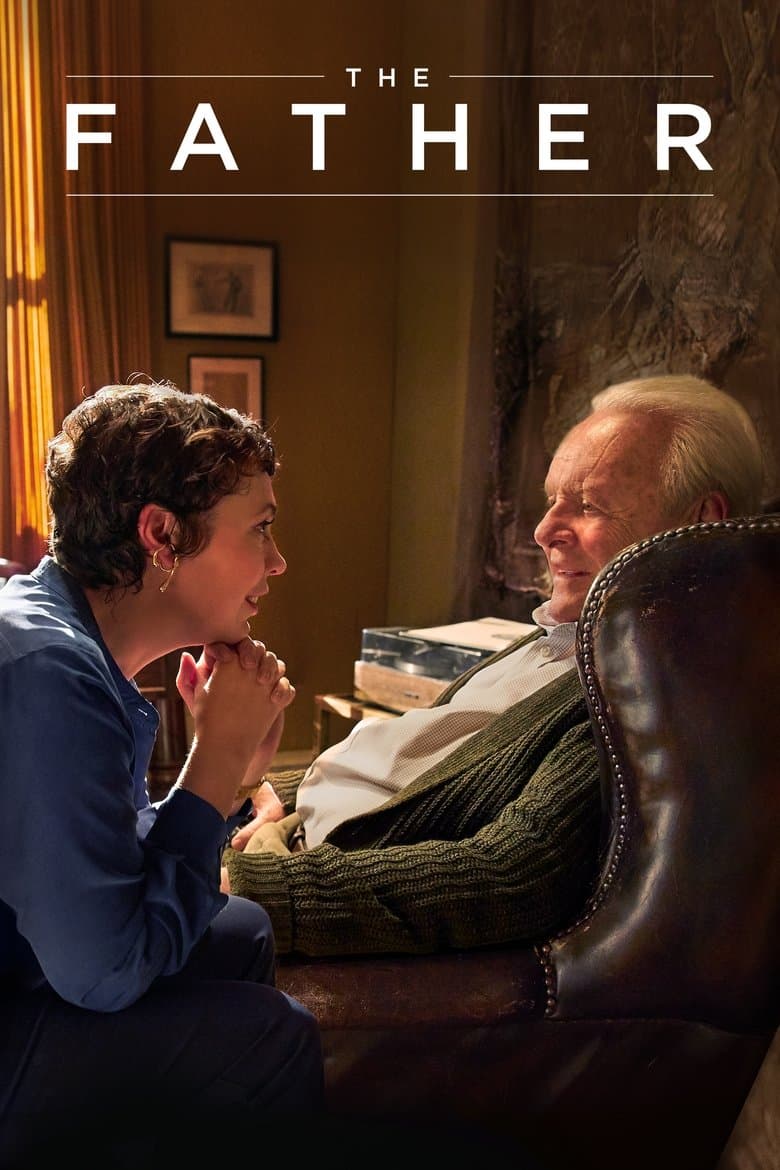
Anthony is an older man living in a London flat as his memory begins to fail. He rejects help from his daughter Anne because he believes that he can still live on his own. Anne tries to arrange care while she plans to move to Paris, but Anthony no longer understands which people, rooms, and events are real. The film uses a sad, tense, and sometimes frightening tone as his view of the world keeps changing.
The film places the viewer inside Anthony's confusion instead of watching his illness from a safe distance. Anne carries the family care burden, while Anthony moves between charm, anger, fear, and helplessness. The story follows the loss of memory, the strain on family love, and the painful move into a care home. Its strongest message is that dementia can take away a person's sense of time, home, and self, while loved ones struggle to respond with patience.
Community feedback
Was our 0% Woke rating accurate?
Breakdown
These are the editorial factors and ratings behind our score for The Father.
Woke representation / casting
Not present. The cast uses established British and French performers in roles that fit the contemporary London family setting and character logic. No visible patterns of identity-based casting, quota emphasis, or prominent mismatched representation appear in key roles.
0%
Woke political dialogue
Not present. The film contains no political statements, activist language, social-justice dialogue, or ideological messaging of any kind.
0%
Identity-driven story themes
Not present. The narrative stays tightly focused on one man’s experience of dementia, memory erosion, and family relationships without any identity politics, gender framing, race themes, or social-justice plotlines.
0%
Western institutional / cultural critique
Not present. Caregiving difficulties and elder isolation are shown as personal and emotional realities. They are not presented as critiques of patriarchy, capitalism, Western institutions, or tied to modern activist frameworks.
0%
Woke character or canon changes
Not relevant. This is an original story adapted from the playwright’s own stage work with no ideological alterations to characters or source material.
0%
Anti-woke backlash and complaints
Not present. No anti-woke or right-leaning complaints exist that accuse the film of pushing identity politics, DEI messaging, or left-wing content. Reception stayed apolitical.
0%
Creator track record context
Not present. Florian Zeller and key crew such as art director Astrid Sieben have professional histories centered on dramatic and psychological filmmaking. No documented pattern of activist, queer-centric, or identity-driven work appears across their careers.
0%
Production
Movie · 2022
A quiet, neglected girl is sent away from her dysfunctional family to live with relatives for the summer. She blossoms in their care, but in this house where there are meant to be…
Movie · 2016
In a desolate war zone where screams of the innocent echo, on the very line between disaster and valor, 7 Maroon Berets will dance with death.
Movie · 2017
Members of the Granite Mountain Hotshots battle deadly wildfires to save an Arizona town.
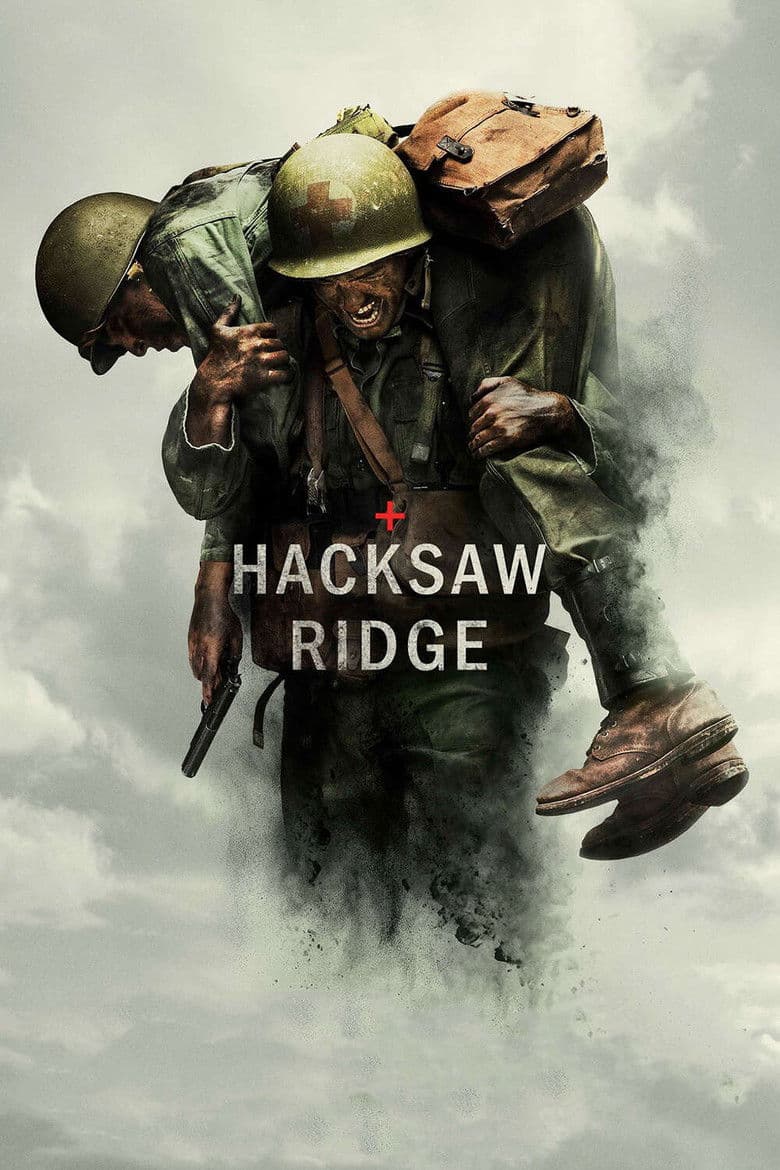
Movie · 2016
WWII American Army Medic Desmond T. Doss, who served during the Battle of Okinawa, refuses to kill people and becomes the first Conscientious Objector in American history to…
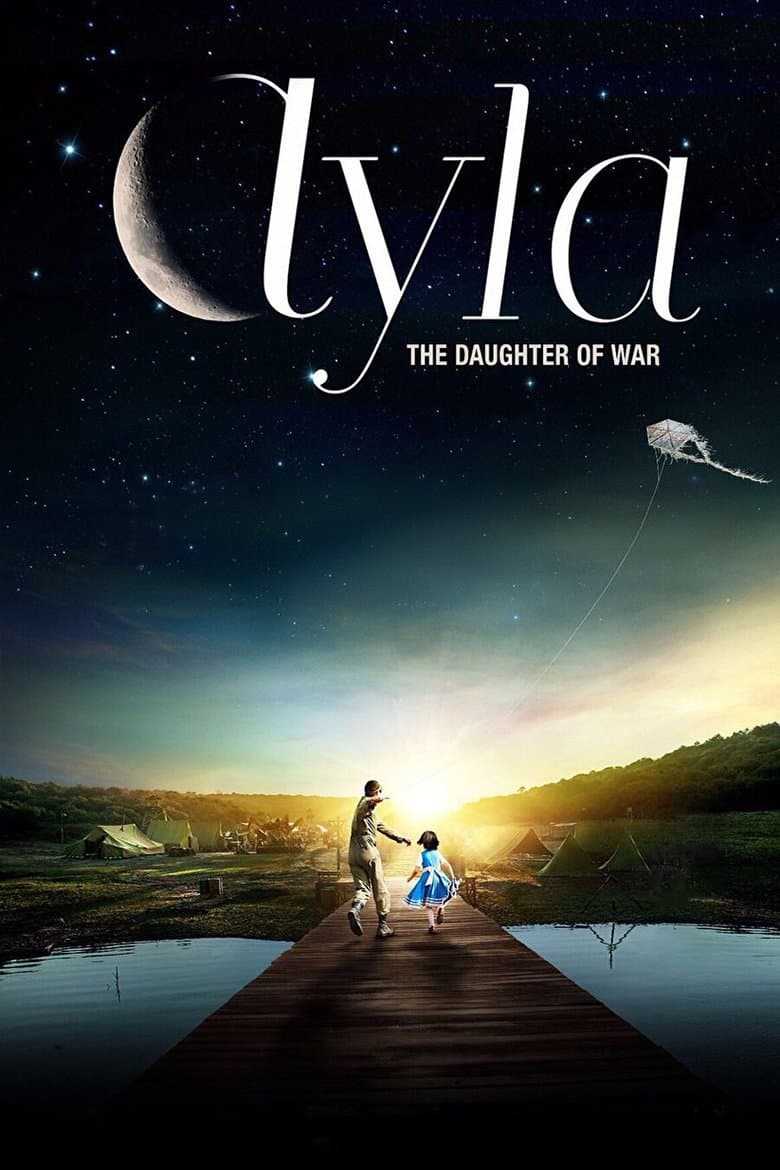
Movie · 2017
In 1950, amidst the ravages of the Korean War, Sergeant Süleyman stumbles upon a a half-frozen little girl, with no parents and no help in sight and he risks his own life to save…
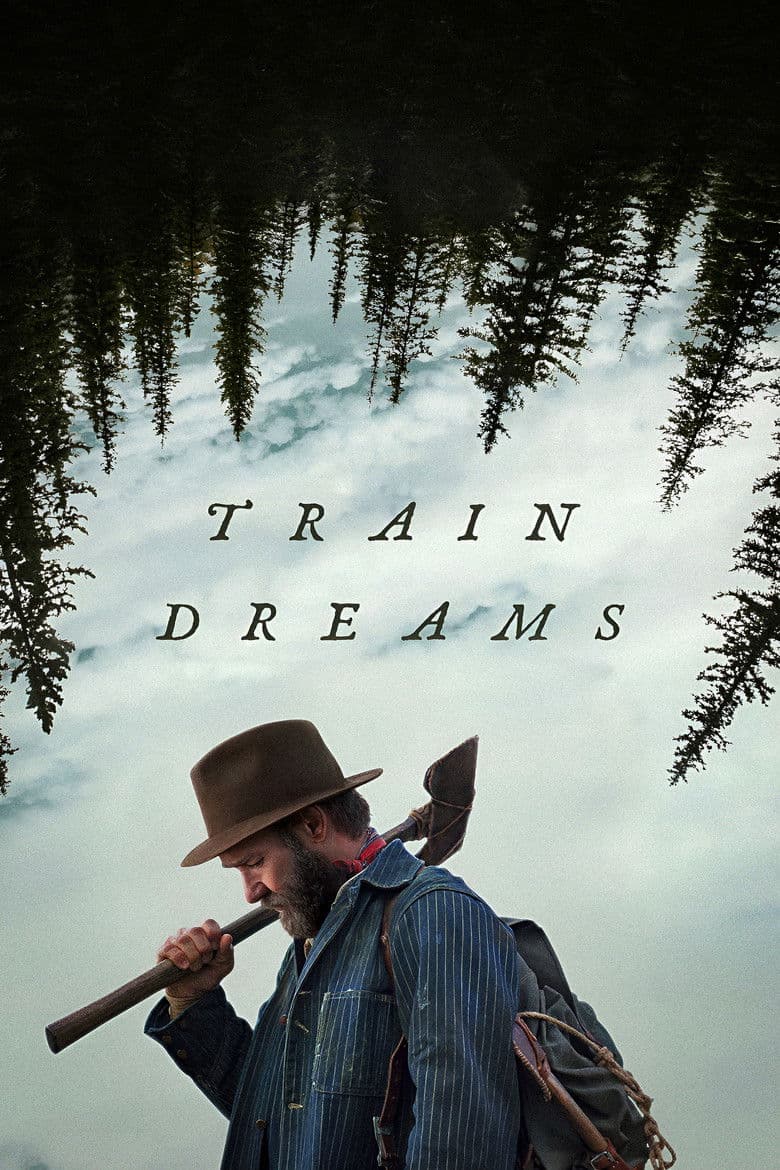
Movie · 2025
A logger leads a life of quiet grace as he experiences love and loss during an era of monumental change in early 20th-century America.
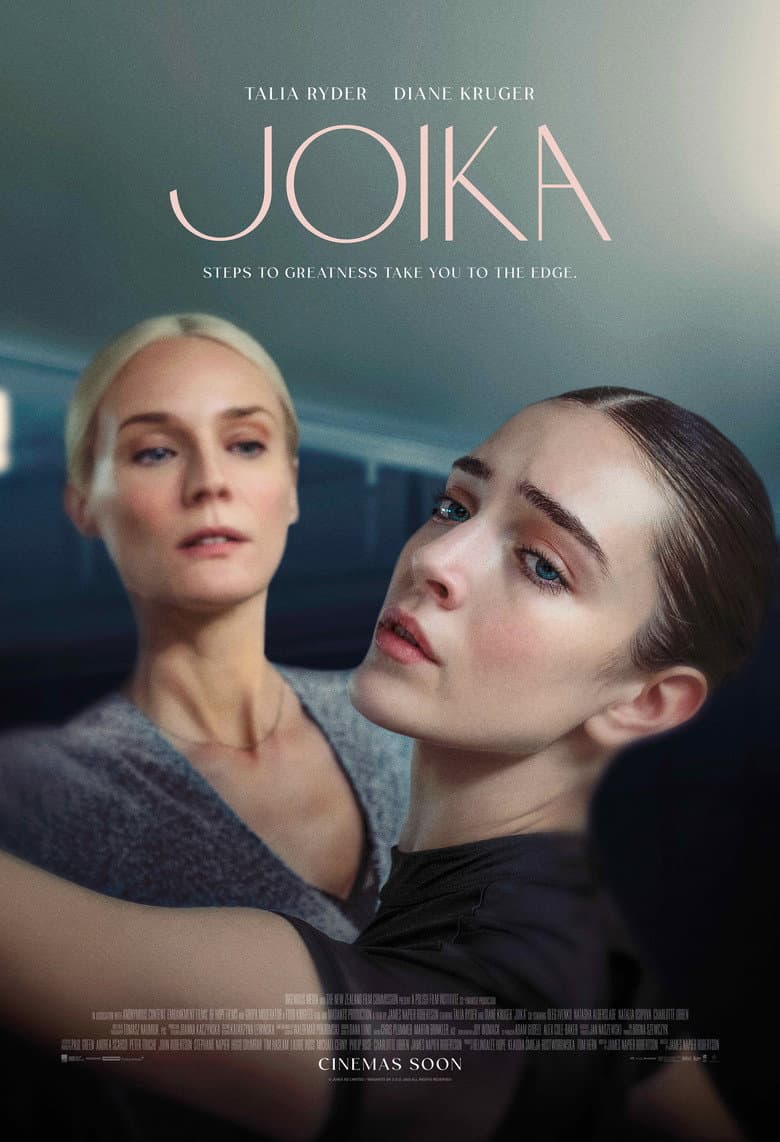
Movie · 2023
American ballet dancer Joy Womack is accepted into Moscow's infamously tough Bolshoi Ballet Academy, with the dream of becoming a great ballerina.
Movie · 2022
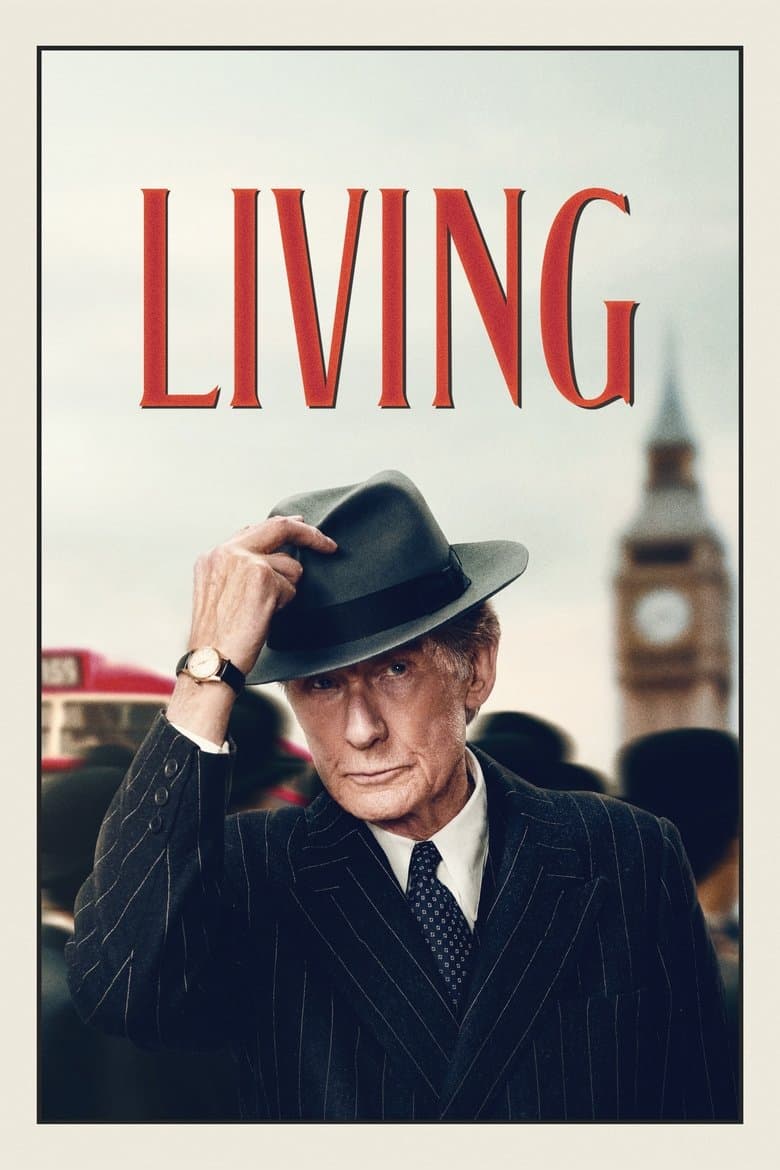
London, 1953. Mr. Williams, a veteran civil servant, is an important cog within the city's bureaucracy as it struggles to rebuild in the aftermath of World War II.
