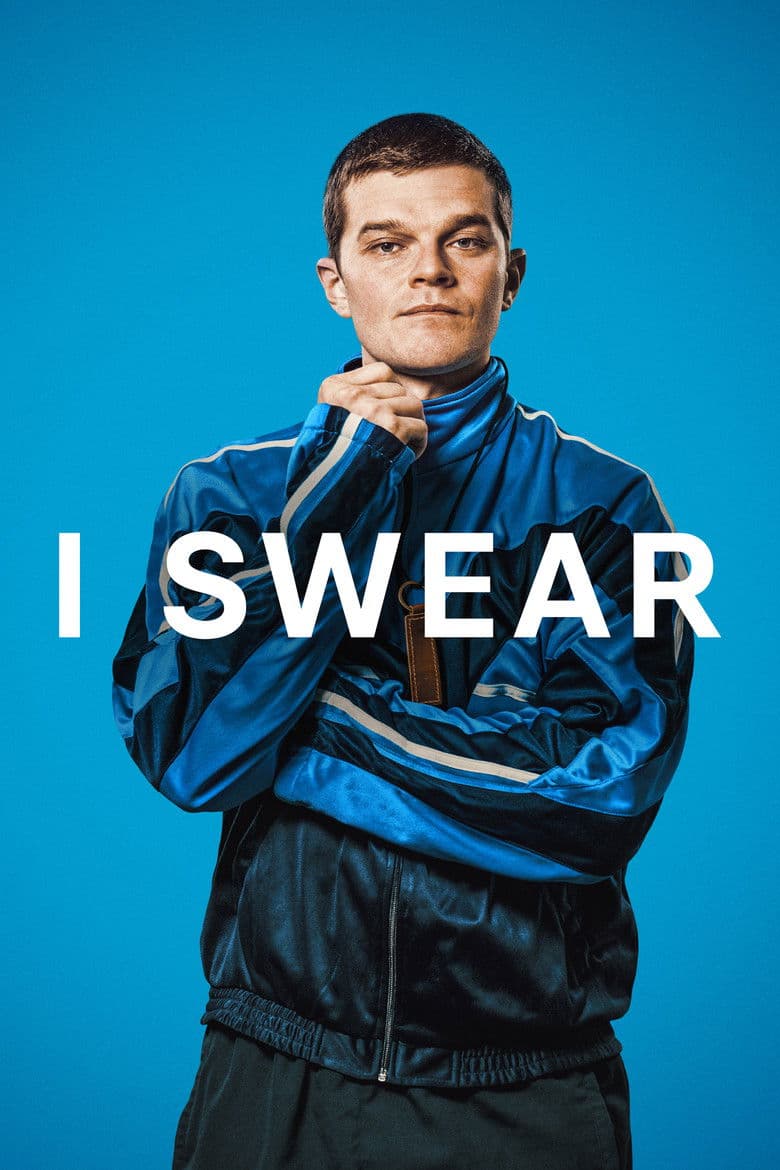
I Swear follows John Davidson, a Scottish boy who develops Tourette syndrome at 15 in 1980s Galashiels, when few people understand the condition. His tics, sudden movements, repeated actions, and involuntary swearing damage his school life, football hopes, family ties, and chance of finding work. After bullying, cruel punishment, violence, a suicide attempt, and a long period of isolation, John finds help from Dottie, a friend's mother, and Tommy, a community center worker. The film moves between painful scenes and dark jokes as John slowly learns how to live with his condition.
The clearest identity-driven element is John's disability and his effort to change how people understand it. The story shows strangers, teachers, police, employers, and family members treating his tics as bad behavior or a threat. John later gathers people with Tourette syndrome and their families, and he turns his own suffering into public education and support. The film presents kindness, patience, and acceptance as the best answers to fear, while keeping the focus on one man's life rather than a wider political movement.
Community feedback
Was our 10% Woke rating accurate?
Breakdown
These are the editorial factors and ratings behind our score for I Swear.
Woke representation / casting
The cast features British actors in roles that align with the 1980s Scottish small-town setting and the real people's backgrounds. No visible patterns of identity signaling, racial or gender quotas, or prominent mismatched casting that prioritizes representation over story needs.
0%
Woke political dialogue
Not present. The dialogue explains Tourette syndrome, bullying, work, and public education. It does not promote a party, current political cause, or modern activist program.
0%
Identity-driven story themes
The story centers on a man with Tourette syndrome who faces stigma, isolation, and public judgment. John brings together people with Tourette syndrome and their families, and he turns his suffering into lessons about kindness and understanding. The film repeatedly asks viewers to see the person before the condition. This is a strong disability-awareness message, but it stays tied to one real man's life and does not expand into modern race, gender, queer, or partisan identity politics.
14%
Western institutional / cultural critique
Not present. The film shows schools, police, employers, and family members reacting badly to John's tics. It treats those events as part of his 1980s life and does not turn them into a modern attack on Western culture, patriarchy, capitalism, religion, or conservative beliefs.
0%
Woke character or canon changes
Not relevant. The film changes or compresses parts of a real life story, including leaving out some of Davidson's earlier public history. Those are ordinary story choices, not identity-driven changes.
0%
Anti-woke backlash and complaints
Not present. Public searches found no anti-woke reaction to the film. Audience discussion focused on acting, Tourette's accuracy, medication, and the later BAFTA outburst, not DEI or identity politics.
0%
Creator track record context
Kirk Jones is known for warm, family-friendly stories and has little public political pattern. James Blann has some LGBTQ-related work, and John Davidson has a history of Tourette advocacy, but that advocacy matches the film's subject. The other listed creators have little public activist history, so the overall creator context is mild.
16%
Production
Movie · 2019
Richard Jewell thinks quick, works fast, and saves hundreds, perhaps thousands, of lives after a domestic terrorist plants several pipe bombs and they explode during a concert…
Movie · 2020
A man refuses all assistance from his daughter as he ages and, as he tries to make sense of his changing circumstances, he begins to doubt his loved ones, his own mind and even…
Movie · 2016
WWII American Army Medic Desmond T. Doss, who served during the Battle of Okinawa, refuses to kill people and becomes the first Conscientious Objector in American history to…
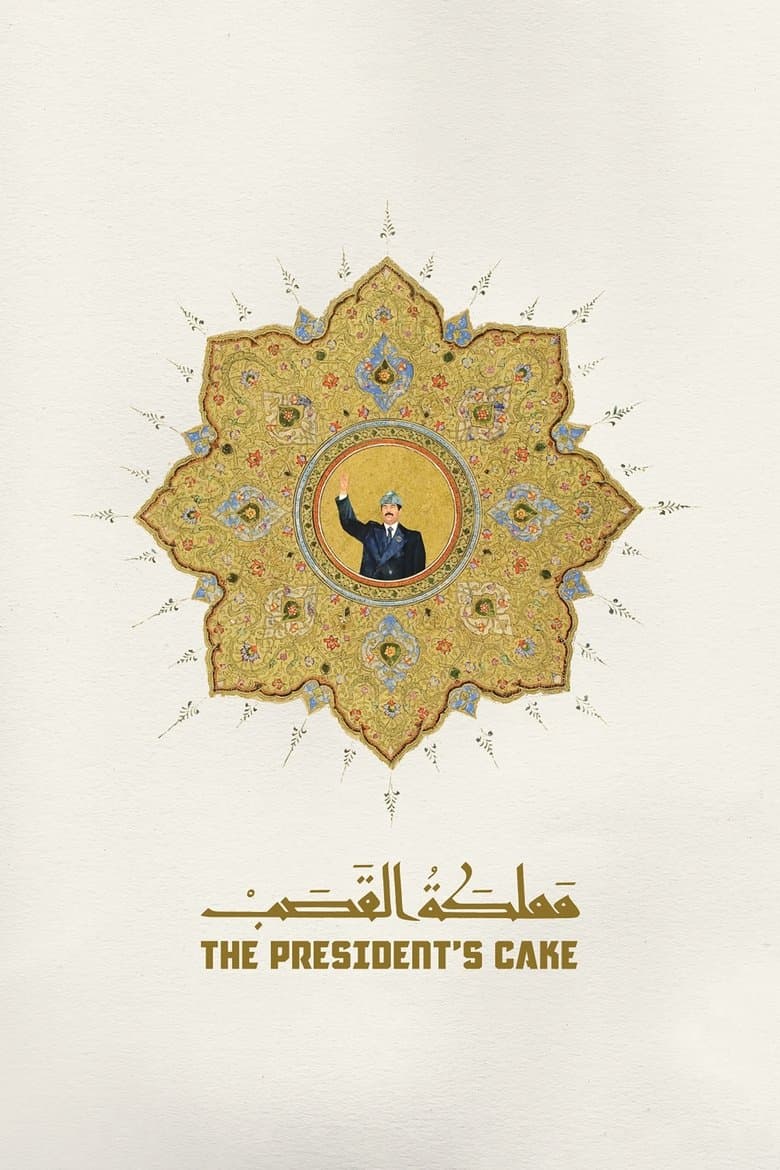
Movie · 2026
While people across 1990s Iraq struggle to survive the war and food shortages, Saddam Hussein requires each school in the country to prepare a cake to celebrate his birthday.
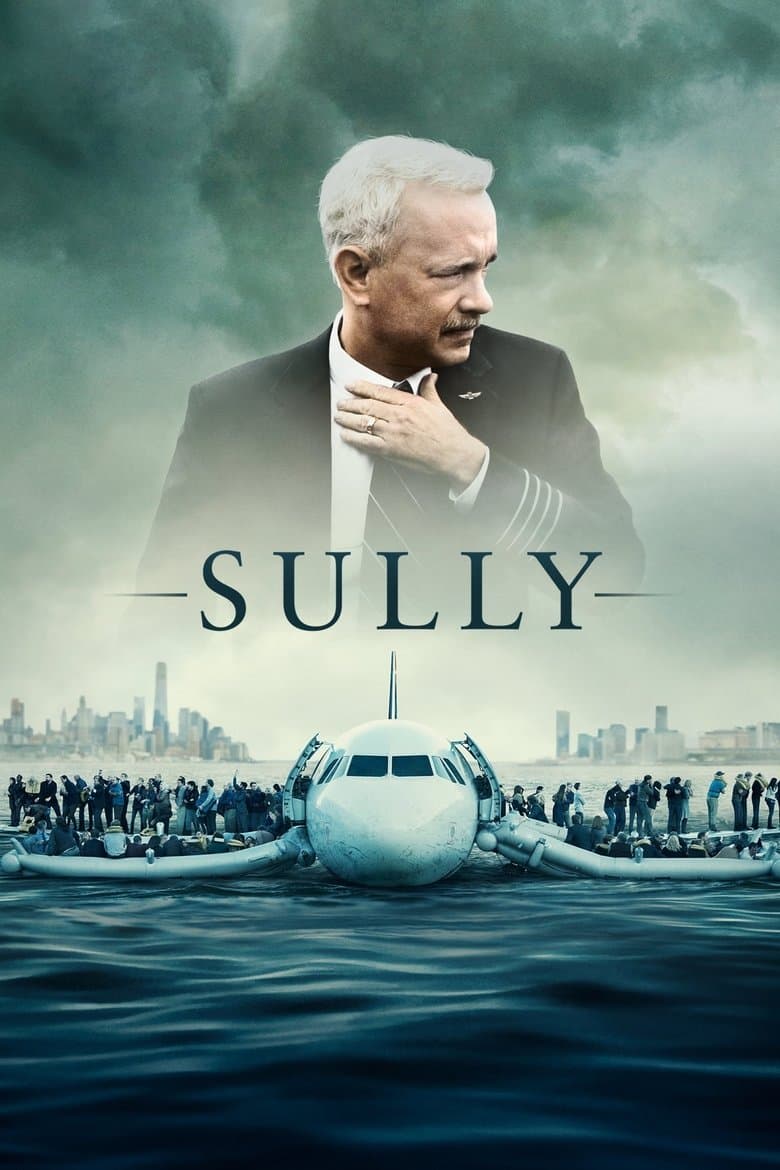
Movie · 2016
On 15 January 2009, the world witnessed the 'Miracle on the Hudson' when Captain 'Sully' Sullenberger glided his disabled plane onto the Hudson River, saving the lives of all 155…
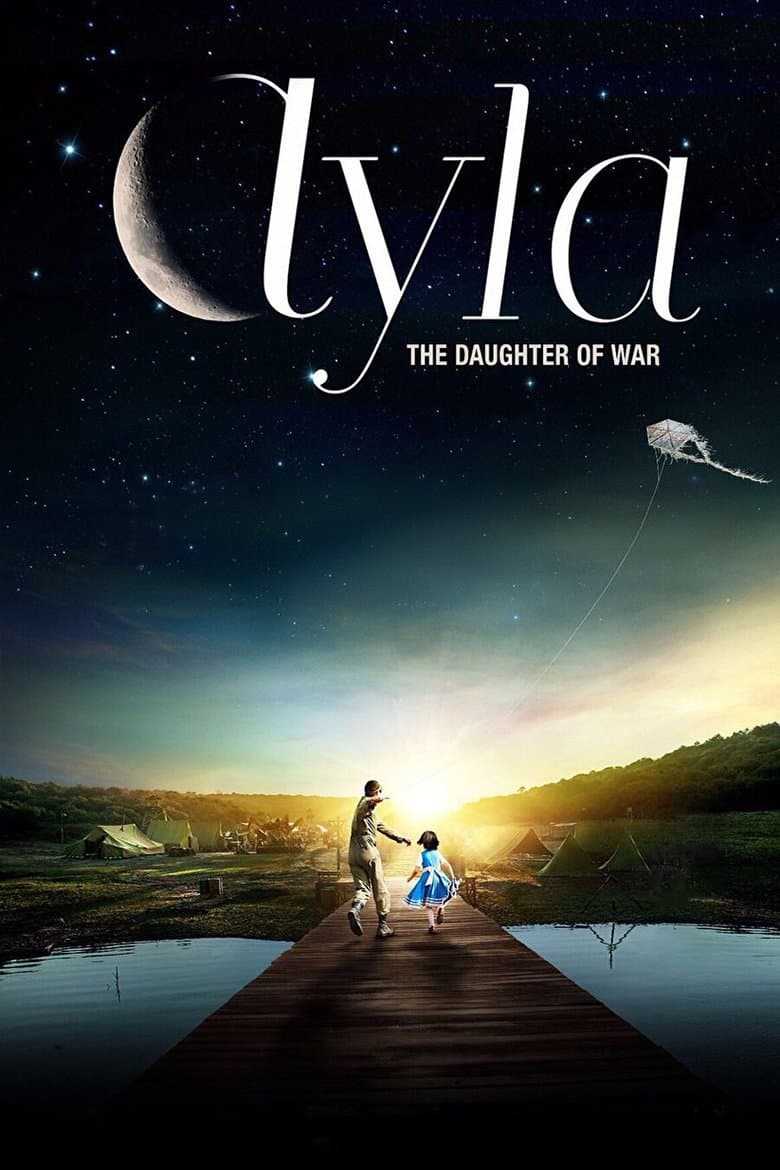
Movie · 2017
In 1950, amidst the ravages of the Korean War, Sergeant Süleyman stumbles upon a a half-frozen little girl, with no parents and no help in sight and he risks his own life to save…

Movie · 2023
Single mom Flora is at a loss about what to do with her rebellious teenage son, Max. Her efforts to keep him out of trouble lead to a beat-up acoustic guitar, a washed-up LA…
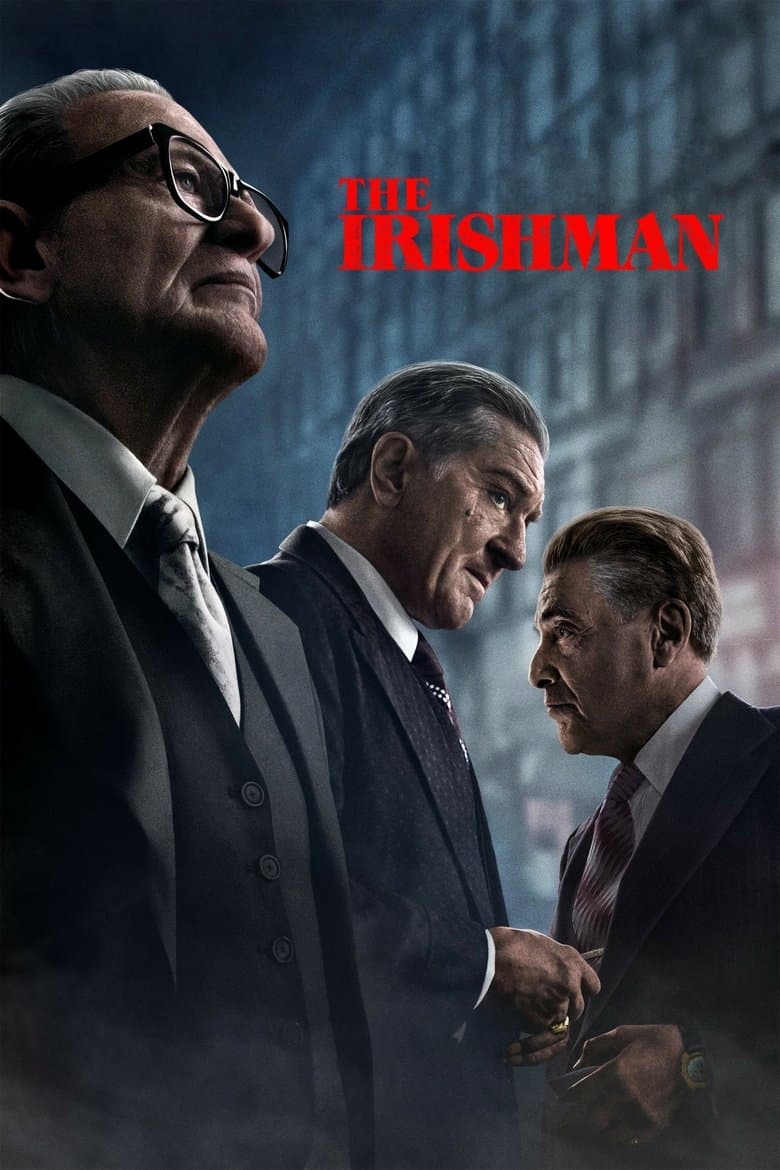
Movie · 2019
Pennsylvania, 1956. Frank Sheeran, a war veteran of Irish origin who works as a truck driver, accidentally meets mobster Russell Bufalino.
