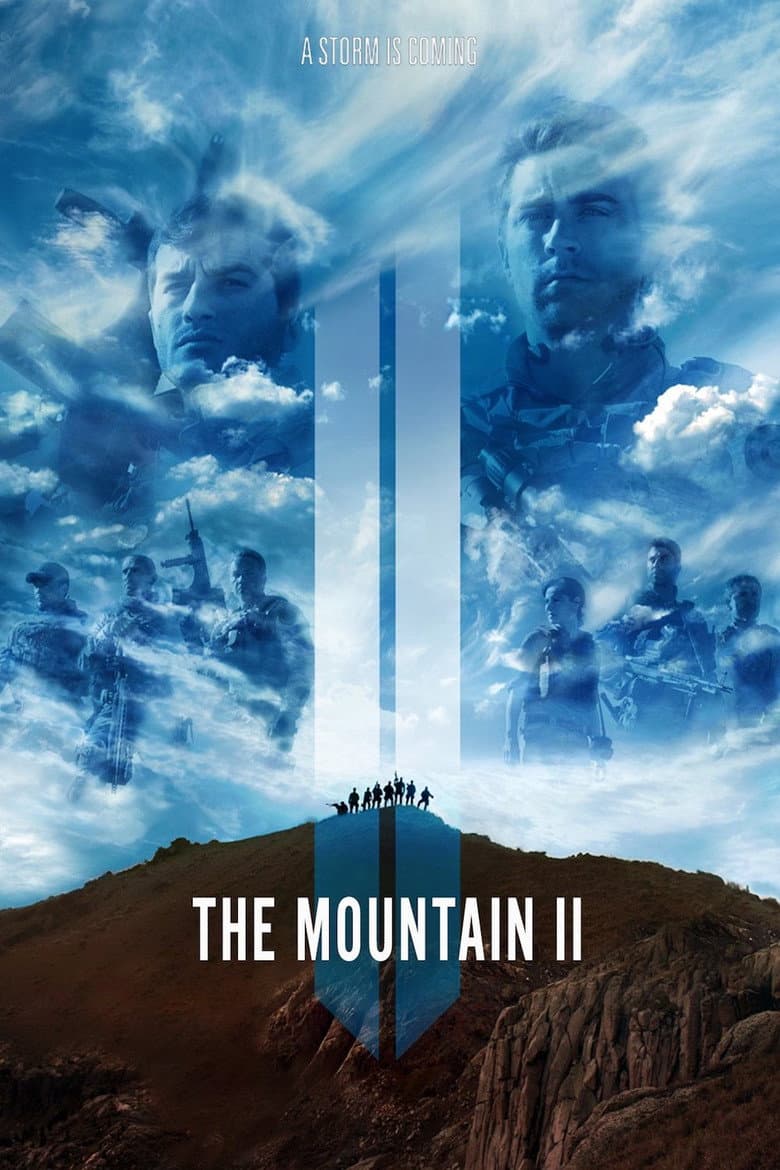
The Mountain II follows First Lieutenant Oğuz and Specialist Bekir after years of hard training turn them into members of Turkey’s elite Maroon Beret search and rescue team. In northern Iraq, the seven-man MAK 8 unit enters a village near Sinjar to rescue Ceyda Balaban, a Turkish journalist held by ISIS. The team finds Yazidi and Turkmen villagers trapped between armed groups and must choose between a safe escape and staying behind to defend them. The film mixes long firefights, military training, jokes between friends, and painful deaths to create a serious and patriotic war drama.
The story gives its strongest moral weight to protecting people who cannot protect themselves. Ceyda is a female journalist who criticizes the army, yet the soldiers risk their lives to save her and later accept her right to expose faults in the state and military. Ceyda also argues that a person's language, religion, or race should not decide whether that person lives, while the soldiers choose to defend civilians outside their orders. The film joins that human concern to duty, national loyalty, brotherhood, and sacrifice.
Community feedback
Was our 10% Woke rating accurate?
Breakdown
These are the editorial factors and ratings behind our score for The Mountain II.
Woke representation / casting
Not present. The main team is a Turkish special forces unit, and the cast fits the Turkish setting. Ceyda’s work as a journalist and the local women’s role in helping the village serve the story rather than a diversity campaign.
0%
Woke political dialogue
Short scenes give Ceyda a human-rights view of the war. She calls the soldiers’ focus on Turkish citizens a racist preference. A brief flirt scene compares men with invaders and women with castles. These lines appear in a few talks, while most dialogue praises duty, national service, and sacrifice.
12%
Identity-driven story themes
One continuing part of the mission asks whether the soldiers should save Yazidi and Turkmen civilians outside their orders. Ceyda links that choice to equal worth across language, religion, and race. The team then stays to protect villagers and women from ISIS. The film joins this human concern to Turkish duty and patriotism, so the identity message is present but limited.
14%
Western institutional / cultural critique
Not present. Ceyda criticizes the army and state, but the film treats that dispute as part of a patriotic defense story. It does not attack Western institutions, Christianity, family life, or traditional gender roles.
0%
Woke character or canon changes
Not relevant. The movie is a sequel, but no identity-based recasting, canon rewrite, or change to a real historical event is shown.
0%
Anti-woke backlash and complaints
Not present. X reaction found no anti-woke complaints. Wider reviews show patriotic approval and some criticism of propaganda or military politics, but no sustained claim that the film pushes DEI, identity politics, or woke content.
0%
Creator track record context
Not present. Alper Çağlar’s public work centers on soldiers, national security, and Turkish state institutions. No public DEI or identity-politics record is reported for Çağlar or producer Doruk Acar.
0%
Production
Movie · 2017
Members of the Granite Mountain Hotshots battle deadly wildfires to save an Arizona town.
Movie · 2020
A man refuses all assistance from his daughter as he ages and, as he tries to make sense of his changing circumstances, he begins to doubt his loved ones, his own mind and even…

Movie · 2022
A quiet, neglected girl is sent away from her dysfunctional family to live with relatives for the summer. She blossoms in their care, but in this house where there are meant to be…

Movie · 2022
London, 1953. Mr. Williams, a veteran civil servant, is an important cog within the city's bureaucracy as it struggles to rebuild in the aftermath of World War II.
Movie · 2016
On 15 January 2009, the world witnessed the 'Miracle on the Hudson' when Captain 'Sully' Sullenberger glided his disabled plane onto the Hudson River, saving the lives of all 155…
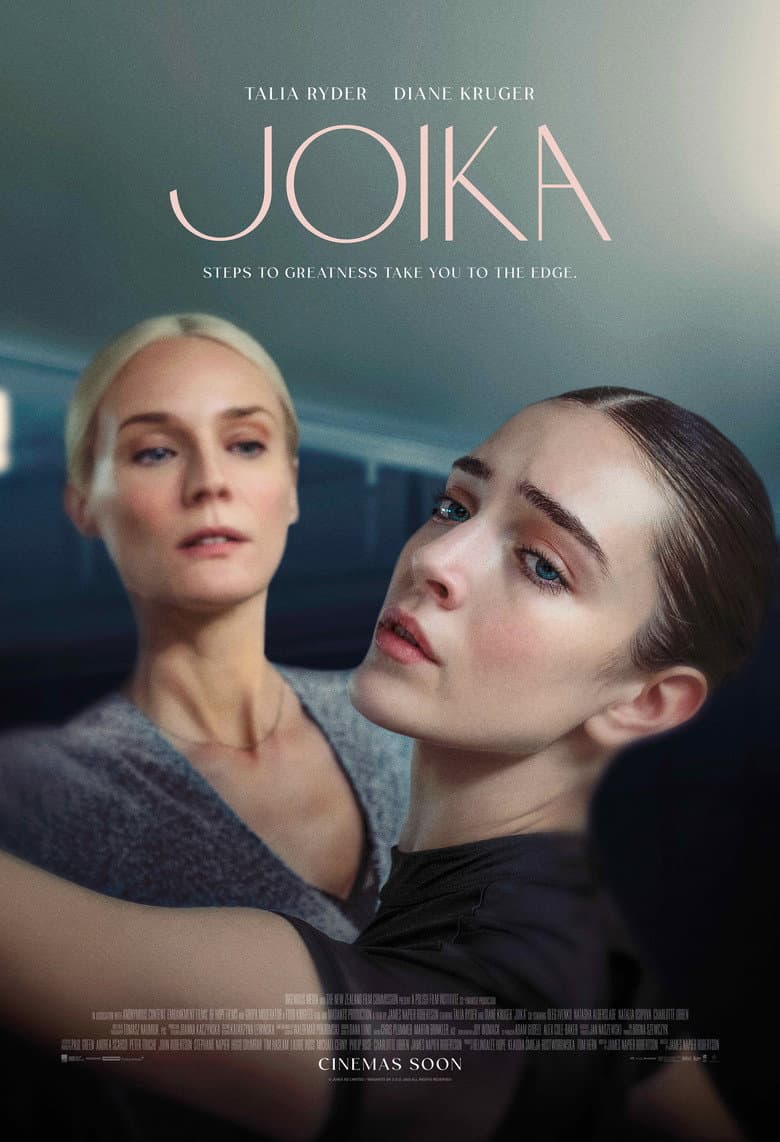
Movie · 2023
American ballet dancer Joy Womack is accepted into Moscow's infamously tough Bolshoi Ballet Academy, with the dream of becoming a great ballerina.
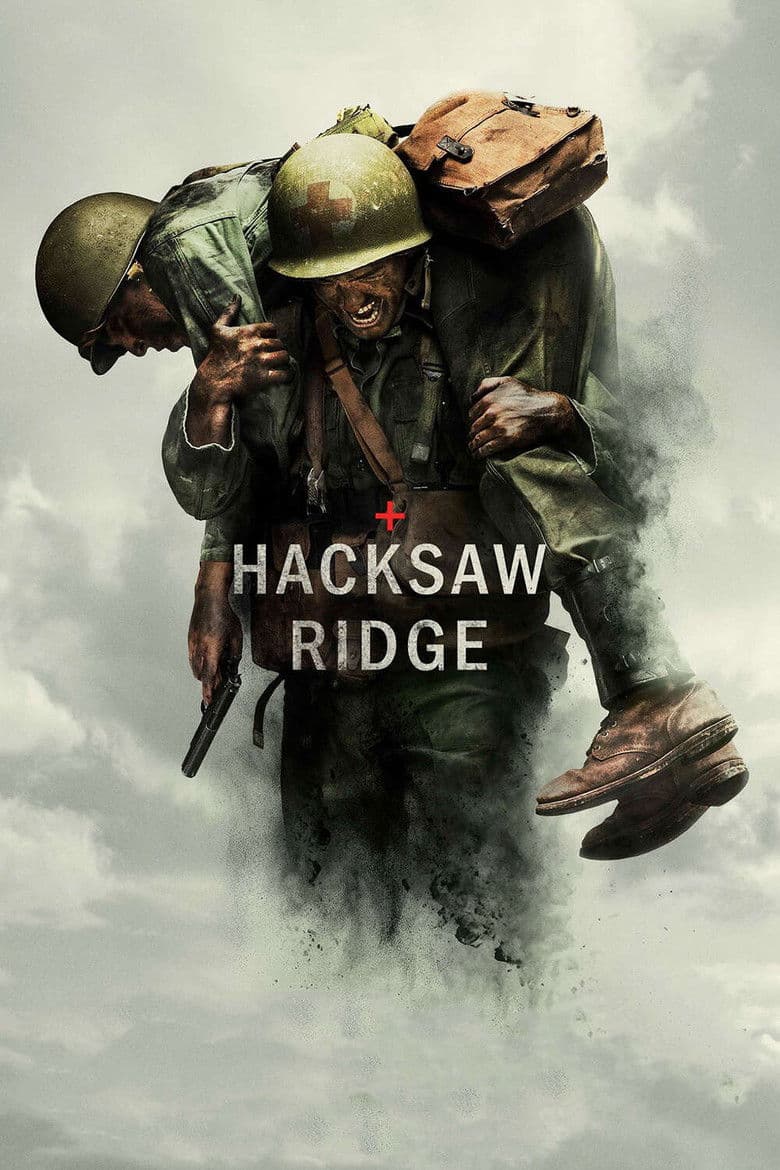
Movie · 2016
WWII American Army Medic Desmond T. Doss, who served during the Battle of Okinawa, refuses to kill people and becomes the first Conscientious Objector in American history to…
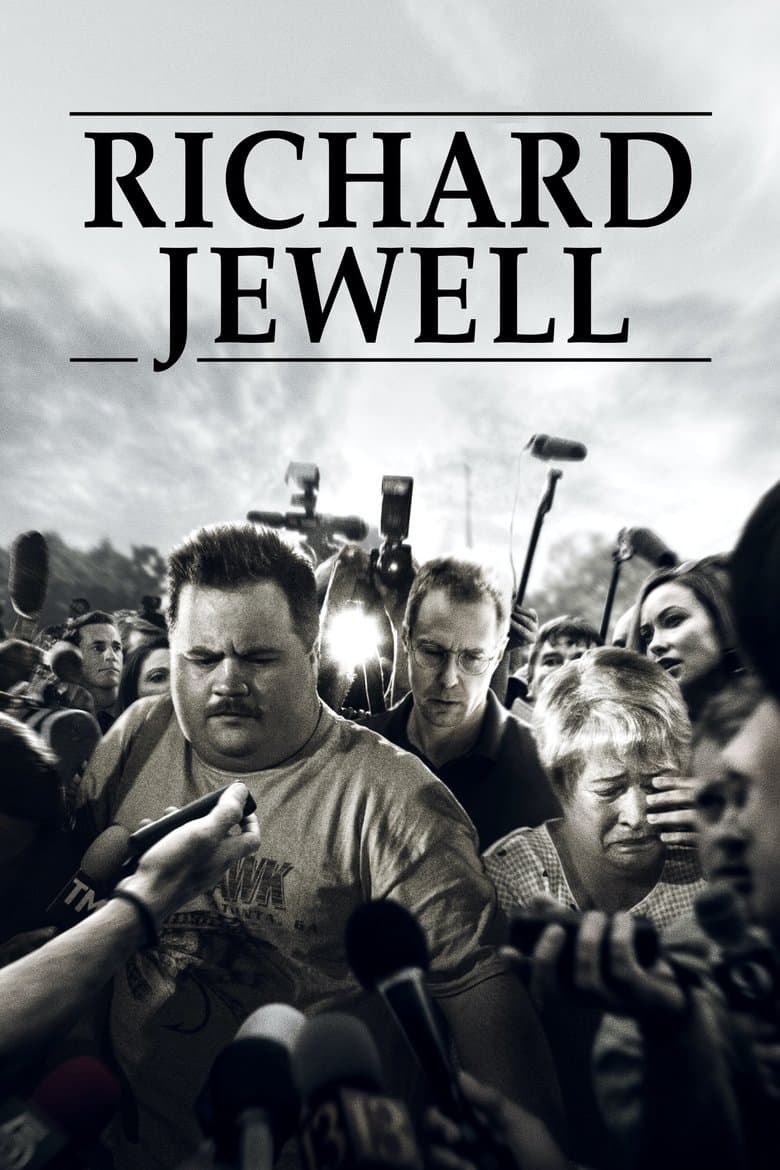
Movie · 2019
Richard Jewell thinks quick, works fast, and saves hundreds, perhaps thousands, of lives after a domestic terrorist plants several pipe bombs and they explode during a concert…
