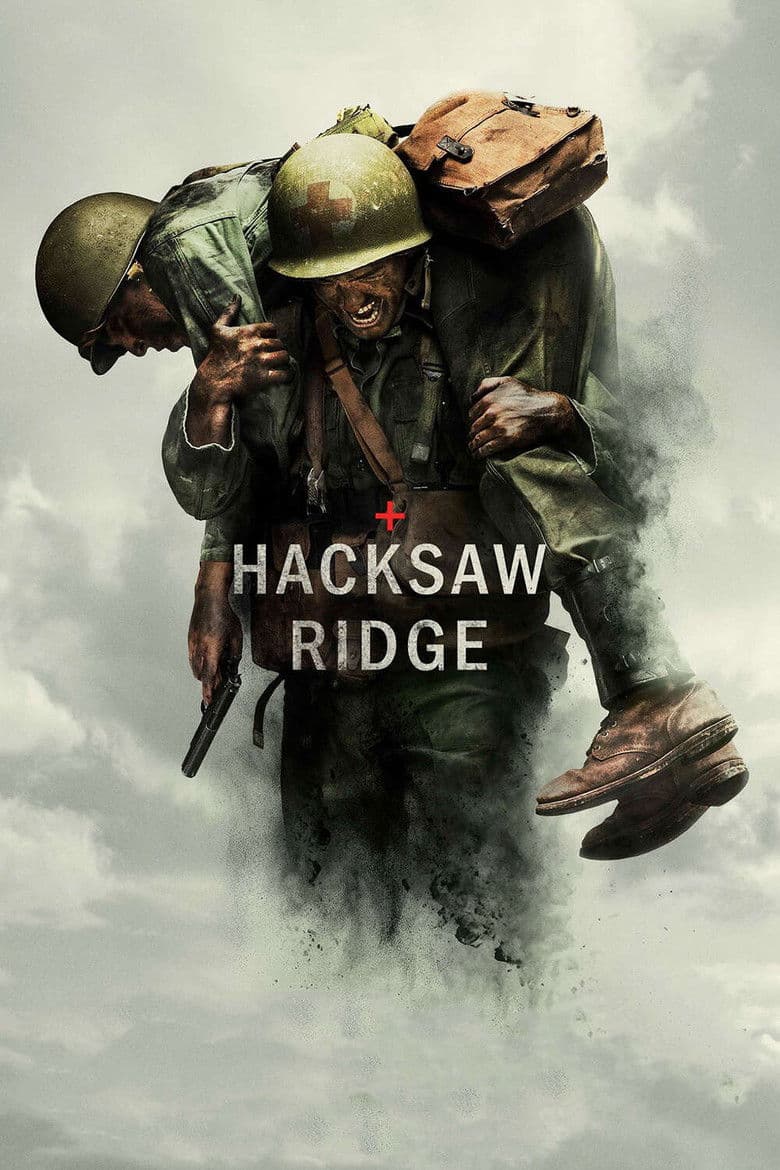
This World War II biopic follows Desmond T. Doss, a Seventh-day Adventist medic who refuses to carry a weapon. He serves on Okinawa and becomes the first conscientious objector awarded the Medal of Honor for saving dozens of men. The story shows faith-driven nonviolence set against military pressure to conform. It also shows battlefield courage, brotherhood, traditional courtship and marriage, and harsh combat. The film presents his path as self-sacrifice rooted in religious conscience.
On screen there is little to no modern woke content. Christian belief and the Sixth Commandment guide the hero’s choices. Dialogue centers on Scripture, duty, and combat rather than identity politics. The army’s rough treatment of a conscientious objector stays personal and historical, and the military ultimately honors him. Family, faith, and patriotism are affirmed, not framed as toxic systems or present-day race and gender activism.
Community feedback
Was our 2% Woke rating accurate?
Breakdown
These are the editorial factors and ratings behind our score for Hacksaw Ridge.
Woke representation / casting
Not present. Period-accurate WWII Virginia and Pacific casting with a white male combat unit and women in historically typical supporting roles, with no diversity-quota pattern, no race or gender swaps, and no marketing of casting as representation.
0%
Woke political dialogue
Not present. Dialogue centers on Scripture, conscience, duty, and combat with no modern DEI, identity, systemic-racism, or activist talking points.
0%
Identity-driven story themes
Not present. Story is religious pacifism and valor within a conventional American war-hero frame, not race, gender, queer, or present-day identity politics.
0%
Western institutional / cultural critique
Not present. Army bullying and a damaged veteran father are historical and personal drama, the military ultimately honors Doss, and Christianity, family, and patriotism are affirmed rather than cast as toxic or anti-Western ideology.
0%
Woke character or canon changes
Not relevant. Timeline compression, composites, and heightened family abuse are ordinary biopic license, not identity-driven rewrites of Doss or history.
0%
Anti-woke backlash and complaints
Not present. No meaningful claim that the film pushes woke or DEI content. Public reaction treats it as faith-forward and non-woke, while left complaints about jingoism or Gibson do not score here.
0%
Creator track record context
Mel Gibson directs and strongly shapes the film. His public record is anti-PC and conservative. The writers and most producers score low on woke track records. A few producers have progressive or LGBTQ-media histories, but those do not show up in this movie’s story or casting.
12%
Production
Movie · 2019
Richard Jewell thinks quick, works fast, and saves hundreds, perhaps thousands, of lives after a domestic terrorist plants several pipe bombs and they explode during a concert…
Movie · 2025
Diagnosed with Tourette Syndrome at 15, John Davidson navigates his way against the odds through troubled teenage years and into adulthood, finding inspiration in the kindness of…
Movie · 2024
On the brink of the Second World War, a young Norwegian man's drive to resist the Nazis sets a new course for his future – and the future of his country.
Movie · 2020
A man refuses all assistance from his daughter as he ages and, as he tries to make sense of his changing circumstances, he begins to doubt his loved ones, his own mind and even…
Movie · 2023
American ballet dancer Joy Womack is accepted into Moscow's infamously tough Bolshoi Ballet Academy, with the dream of becoming a great ballerina.
Movie · 2023
The story of J. Robert Oppenheimer's role in the development of the atomic bomb during World War II.
Movie · 2026
While people across 1990s Iraq struggle to survive the war and food shortages, Saddam Hussein requires each school in the country to prepare a cake to celebrate his birthday.
Movie · 2022
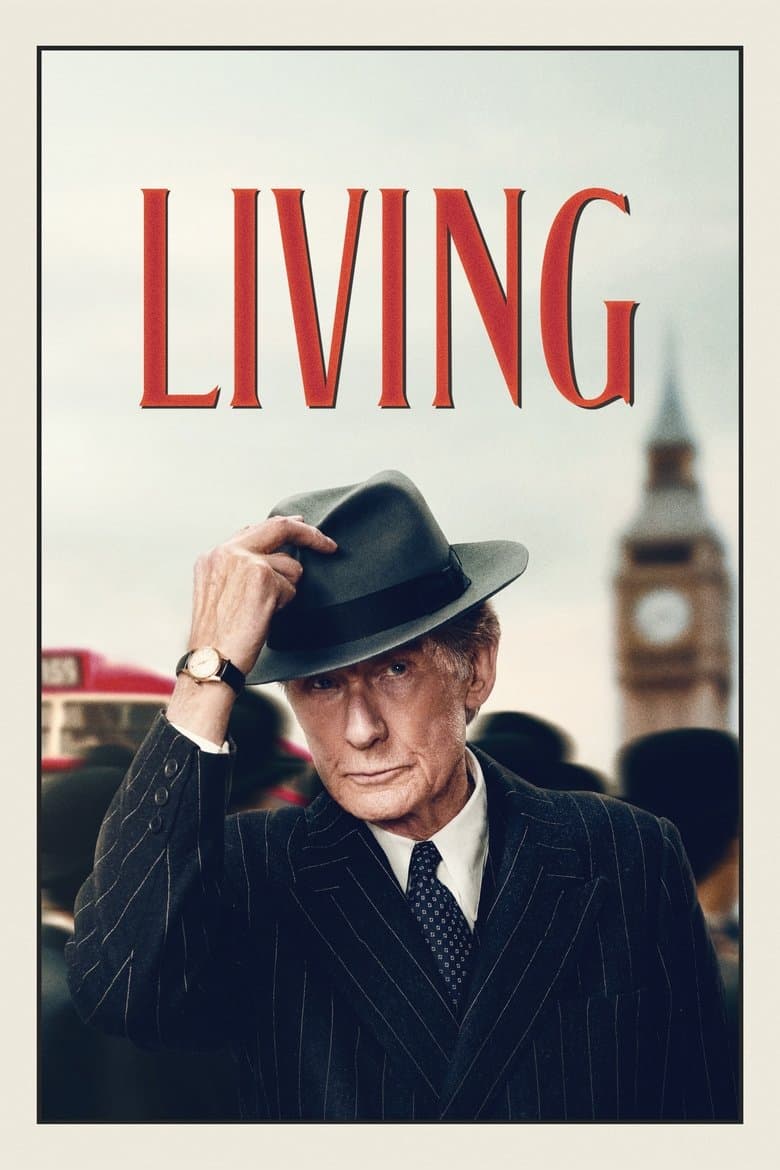
London, 1953. Mr. Williams, a veteran civil servant, is an important cog within the city's bureaucracy as it struggles to rebuild in the aftermath of World War II.
