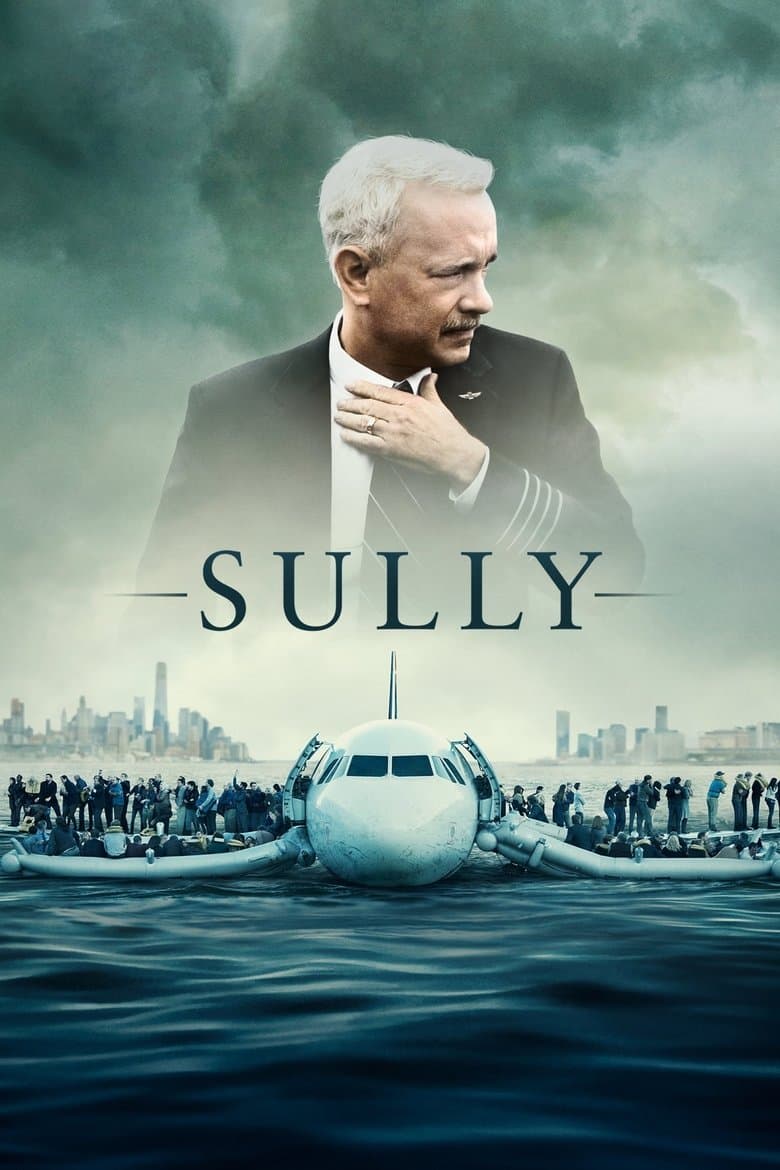
On 15 January 2009, US Airways Flight 1549 loses both engines to a bird strike soon after takeoff from LaGuardia. Captain Chesley Sullenberger and First Officer Jeff Skiles land the Airbus A320 on the Hudson River. All 155 people on board survive. The movie cuts between the landing and rescue, Sully’s fame in the media, hard flashbacks after the crisis, and an NTSB inquiry that asks if he could have reached a runway instead. Later evidence and better human-factor work in the simulations support the water landing.
The film has almost no woke content. Its real story is skill under pressure, humility, teamwork, trauma after the event, and officials second-guessing a choice that saved lives. Dialogue sticks to cockpit work, the investigation, media pressure, and family stress. Casting follows the real people and a modern New York aviation emergency without identity-first marketing. The fight with a harsh, dramatized NTSB process is about safety rules and experience, not progressive identity politics.
Community feedback
Was our 1% Woke rating accurate?
Breakdown
These are the editorial factors and ratings behind our score for Sully.
Woke representation / casting
Not present. Lead casting matches the real principals and supporting roles track a modern NYC aviation incident without identity-forward marketing, first-X framing, or quota-style prominence.
0%
Woke political dialogue
Not present. Dialogue centers on cockpit procedure, investigation process, media attention, and family stress, with no activist, identity, DEI, or culture-war speech.
0%
Identity-driven story themes
Not present. Core themes are competence under crisis, humility, teamwork, trauma, and institutional second-guessing, not race, gender, sexuality, or modern identity politics.
0%
Western institutional / cultural critique
Not present. Conflict with a dramatized NTSB process is populist drama about safety regulators, not progressive critique of patriarchy, whiteness, colonial guilt, Christianity, or traditional family norms.
0%
Woke character or canon changes
Not relevant. Heightened NTSB hostility is a craft and accuracy dispute about real investigators, not race, gender, or queer canon changes.
0%
Anti-woke backlash and complaints
Not present. No meaningful anti-woke campaign treated the film as DEI or identity propaganda. Controversy focused on NTSB accuracy and occasional left critique of regulator portrayal.
0%
Creator track record context
Key creative names score very low on activist patterns. Eastwood is publicly non-progressive and often favors individualism and traditional American themes. The wider package is not a DEI-driven pattern. Later activism by Sullenberger sits outside the film’s 2016 story and messaging.
6%
Production
Movie · 2019
Richard Jewell thinks quick, works fast, and saves hundreds, perhaps thousands, of lives after a domestic terrorist plants several pipe bombs and they explode during a concert…
Movie · 2020
A man refuses all assistance from his daughter as he ages and, as he tries to make sense of his changing circumstances, he begins to doubt his loved ones, his own mind and even…
Movie · 2026
While people across 1990s Iraq struggle to survive the war and food shortages, Saddam Hussein requires each school in the country to prepare a cake to celebrate his birthday.
Movie · 2023
American ballet dancer Joy Womack is accepted into Moscow's infamously tough Bolshoi Ballet Academy, with the dream of becoming a great ballerina.
Movie · 2016
After his older brother passes away, Lee Chandler is forced to return home to care for his 16-year-old nephew.
Movie · 2016
In a desolate war zone where screams of the innocent echo, on the very line between disaster and valor, 7 Maroon Berets will dance with death.
Movie · 2017
Members of the Granite Mountain Hotshots battle deadly wildfires to save an Arizona town.
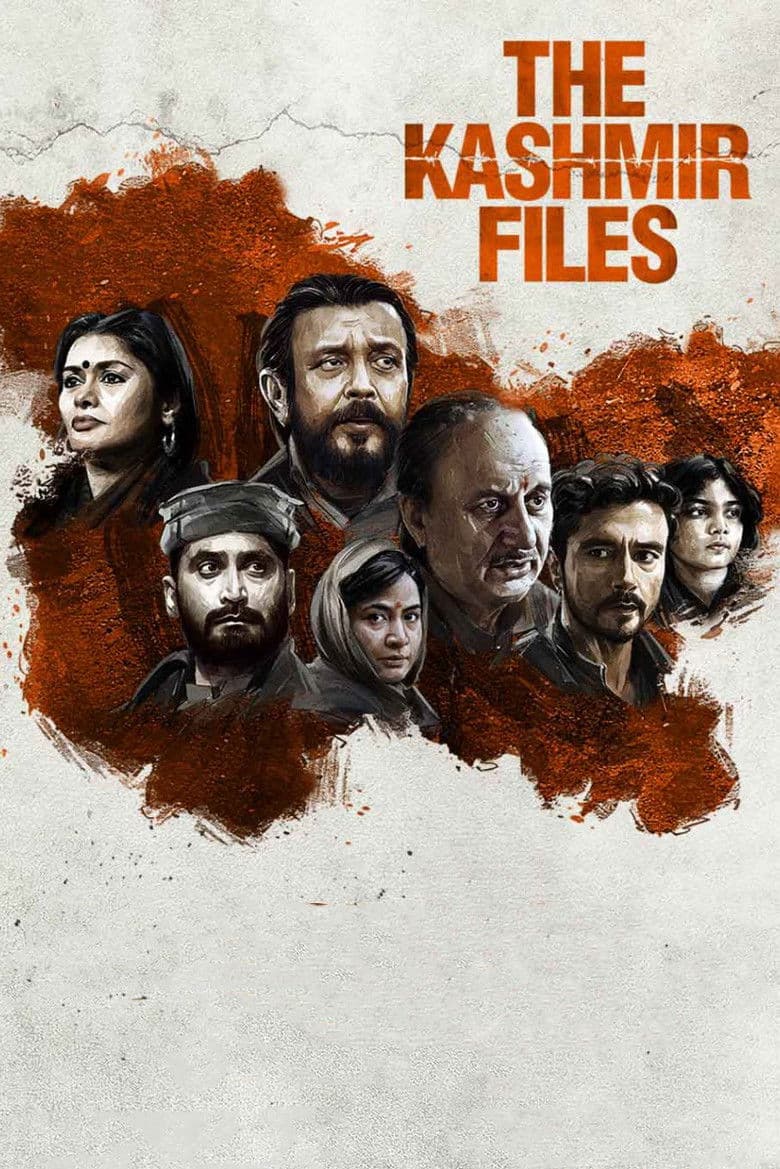
Movie · 2022
Based on a true tragedy, the emotionally triggering film sheds light on the plight of Kashmiri Pandits (Hindus), a religious minority in the 1990s Kashmir valley, who were…
