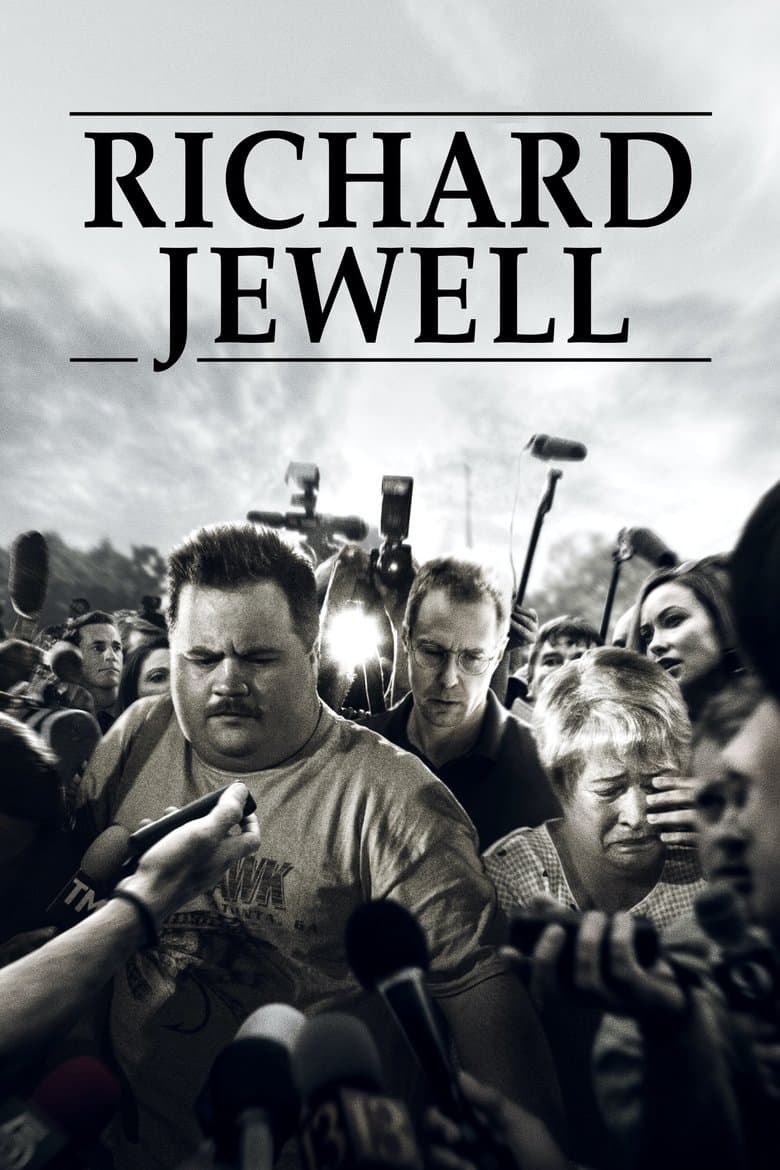
Clint Eastwood's film follows security guard Richard Jewell, who finds a pipe bomb at Centennial Olympic Park during the 1996 Atlanta Olympics. He helps clear the area and is briefly called a hero. Then the FBI treats him as the main suspect, and the press attacks him after a newspaper reports he is under investigation. With help from lawyer Watson Bryant and his mother Bobi, he faces searches and public shame until he is cleared. The real bomber, Eric Rudolph, is identified years later.
The movie is about media frenzy, law-enforcement overreach, and a false charge against an ordinary man. Institutions he respects crush him after he follows the rules and saves lives. Mother-son loyalty and a stubborn small-firm lawyer matter more than ideology. There is no race or gender identity plot, no LGBTQ storyline, and no modern activist framing. The critique of the FBI and the press is classic miscarriage-of-justice drama, not identity politics.
Community feedback
Was our 3% Woke rating accurate?
Breakdown
These are the editorial factors and ratings behind our score for Richard Jewell.
Woke representation / casting
Not present. Lead and supporting roles match the real people and 1990s Atlanta setting with no diversity-first casting, race or gender swaps for representation, or marketing of the cast as an identity statement.
0%
Woke political dialogue
Not present. Dialogue centers on Miranda rights, leaks, profiling of a wannabe cop, and media frenzy with no modern activist or identity-politics speech as messaging.
0%
Identity-driven story themes
Not present. Story is individual injustice under FBI and media pressure, not race, gender, queer, or DEI-driven arcs or themes.
0%
Western institutional / cultural critique
Not present. Hard on sloppy FBI work and sensational press as classic individual-versus-abuse-of-power drama, not modern activist framing of toxic masculinity, patriarchy, or whiteness, while family loyalty and respect for law-enforcement ideals are treated sympathetically.
0%
Woke character or canon changes
Not relevant. Not a woke or identity rewrite of history. The disputed Scruggs sex-for-scoop dramatization was criticized as unfair or sexist, not as a DEI-style identity upgrade.
0%
Anti-woke backlash and complaints
Not present. Documented outrage was over alleged smearing of a female journalist and media fairness, not complaints that the film is woke, DEI-driven, or identity propaganda.
0%
Creator track record context
Director Clint Eastwood scores very low on this scale and presents the film as an American tragedy. Writer Billy Ray scores somewhat higher because of later political dramas and truth-to-power language. Most producers score low, with Leonardo DiCaprio’s progressive environmental profile as the main higher signal. Overall the context is mild and Eastwood-led.
15%
Production
Movie · 2016
On 15 January 2009, the world witnessed the 'Miracle on the Hudson' when Captain 'Sully' Sullenberger glided his disabled plane onto the Hudson River, saving the lives of all 155…
Movie · 2020
A man refuses all assistance from his daughter as he ages and, as he tries to make sense of his changing circumstances, he begins to doubt his loved ones, his own mind and even…
Movie · 2024
On the brink of the Second World War, a young Norwegian man's drive to resist the Nazis sets a new course for his future – and the future of his country.
Movie · 2023
American ballet dancer Joy Womack is accepted into Moscow's infamously tough Bolshoi Ballet Academy, with the dream of becoming a great ballerina.
Movie · 2023
The story of J. Robert Oppenheimer's role in the development of the atomic bomb during World War II.
Movie · 2022
Based on a true tragedy, the emotionally triggering film sheds light on the plight of Kashmiri Pandits (Hindus), a religious minority in the 1990s Kashmir valley, who were…

Movie · 2016
After his older brother passes away, Lee Chandler is forced to return home to care for his 16-year-old nephew.
Movie · 2016
WWII American Army Medic Desmond T. Doss, who served during the Battle of Okinawa, refuses to kill people and becomes the first Conscientious Objector in American history to…
