
John F. Donovan is a famous American television actor whose private life is falling apart. In the mid-2000s, Rupert writes to John from England, and the two begin a long letter exchange. The letters become public, and both John and Rupert face shame, gossip, and pressure from the people around them. Years later, adult Rupert tells the story to a reporter while he tries to understand John’s death. The movie moves between two time periods and uses a sad, dramatic tone.
John hides that he is gay because he fears losing his career and his place in show business. Rupert is bullied because other children think he is gay, and he struggles with his mother, his acting dreams, and his need for a true friend. The story treats fame as a mask that keeps people from showing who they are. It also shows how gossip, public judgment, and family pain can turn a private friendship into a public crisis. The main themes are queer identity, shame, acceptance, fame, and the bond between a child and an adult who feels alone.
Community feedback
Was our 73% Woke rating accurate?
Breakdown
These are the editorial factors and ratings behind our score for The Death & Life of John F. Donovan.
Woke representation / casting
Not present. The film uses a mixed modern cast, but it does not present race, gender, or diversity as a message. The main roles are not framed as identity statements.
0%
Woke political dialogue
Rupert repeatedly talks about influence, identity, and television. Audrey first calls his story a First World problem before taking it seriously. The interview scenes argue that private identity struggles deserve attention. John’s career scenes connect the pressure to hide his sexuality with public acceptance.
41%
Identity-driven story themes
John is a closeted gay TV star who fears losing his career. Rupert faces bullying because classmates think he is gay and later searches for his own voice. The film makes shame, acceptance, and public identity central to both lives. The friendship and the ending are built around the cost of hiding.
86%
Western institutional / cultural critique
The film shows Hollywood and gossip media as forces that punish a gay actor’s private life. The public turns John’s letters with a boy into a scandal. The interview challenges the idea that personal identity stories are only First World problems. The criticism targets entertainment culture more than religion, capitalism, or politics.
40%
Woke character or canon changes
Not relevant. The film uses original fictional characters. It does not change established characters, canon, or real historical figures.
0%
Anti-woke backlash and complaints
Not present. The separate X pass found no title-specific anti-woke posts or complaints. Web criticism focused on structure, acting, editing, and the gay storyline.
0%
Creator track record context
Dolan has repeatedly centered queer relationships, sexuality, and people outside social norms. Tierney has a smaller record of inclusive queer stories. Most producers have broad careers without a strong identity-politics profile. Dolan’s strong record makes this context clearly relevant.
68%
Production
Movie · 2024
On the brink of the Second World War, a young Norwegian man's drive to resist the Nazis sets a new course for his future – and the future of his country.
Movie · 2016
WWII American Army Medic Desmond T. Doss, who served during the Battle of Okinawa, refuses to kill people and becomes the first Conscientious Objector in American history to…
Movie · 2016
On 15 January 2009, the world witnessed the 'Miracle on the Hudson' when Captain 'Sully' Sullenberger glided his disabled plane onto the Hudson River, saving the lives of all 155…
Movie · 2026
While people across 1990s Iraq struggle to survive the war and food shortages, Saddam Hussein requires each school in the country to prepare a cake to celebrate his birthday.
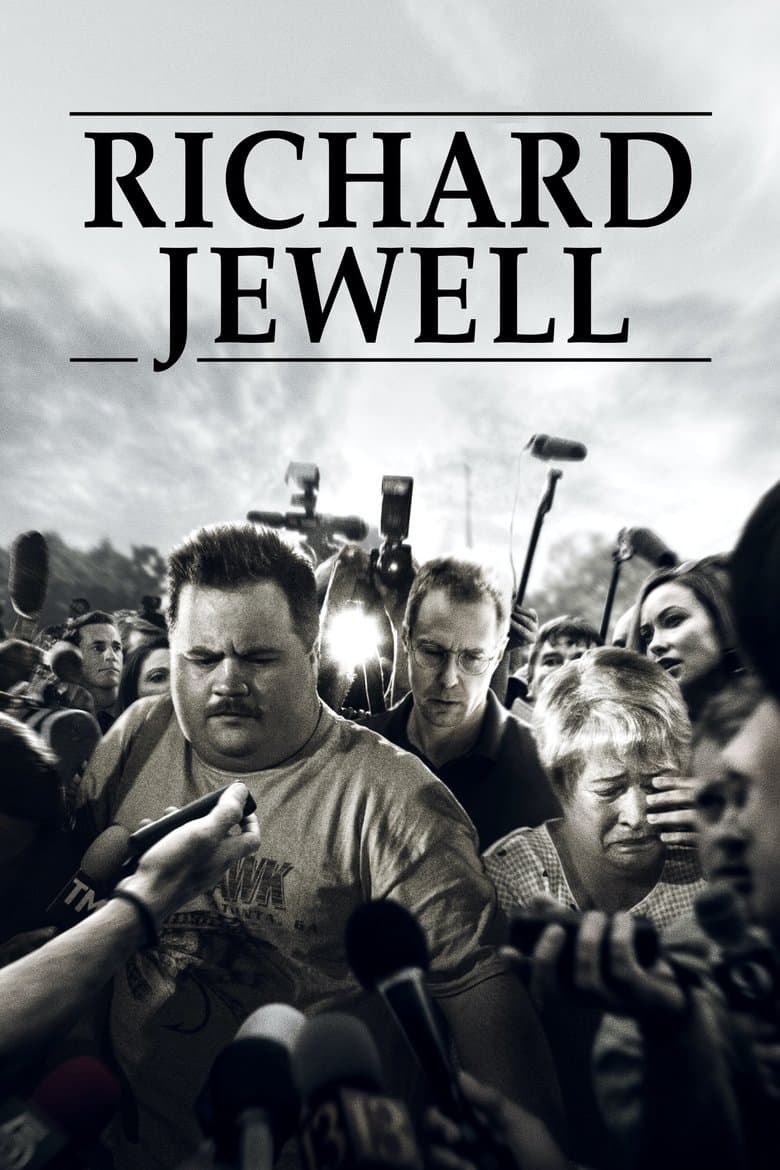
Movie · 2019
Richard Jewell thinks quick, works fast, and saves hundreds, perhaps thousands, of lives after a domestic terrorist plants several pipe bombs and they explode during a concert…
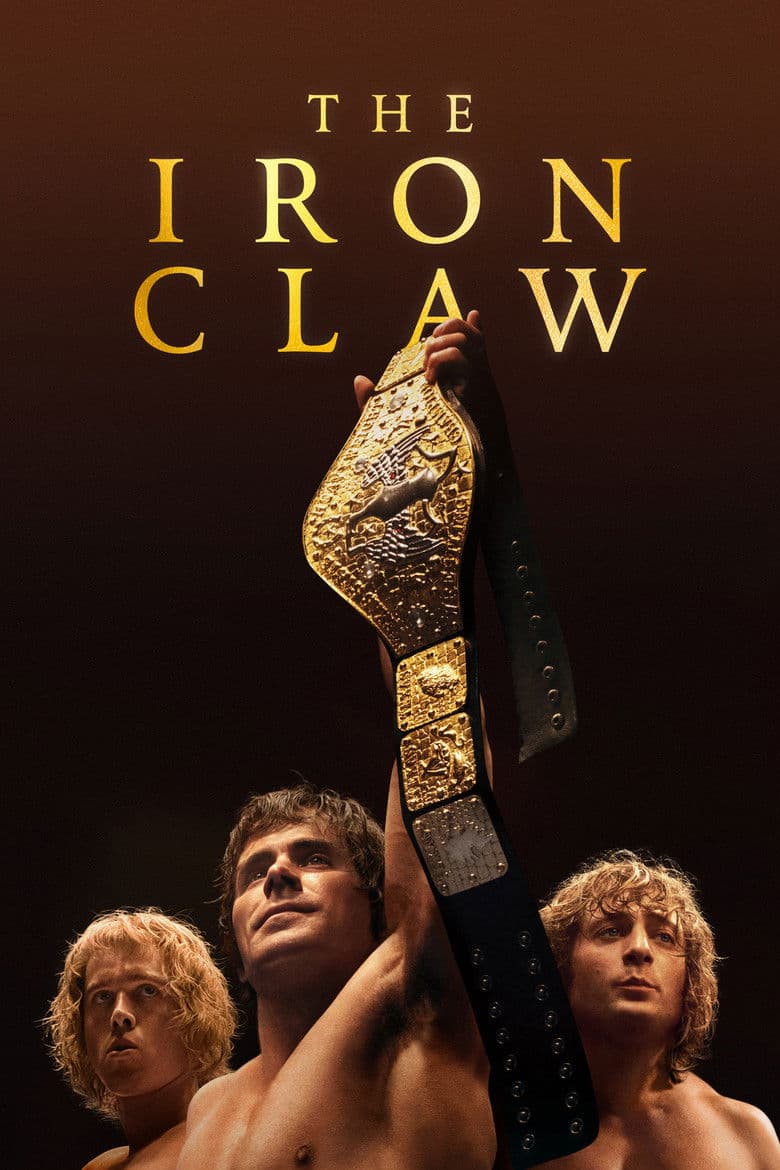
Movie · 2023
The true story of the inseparable Von Erich brothers, who made history in the intensely competitive world of professional wrestling in the early 1980s.
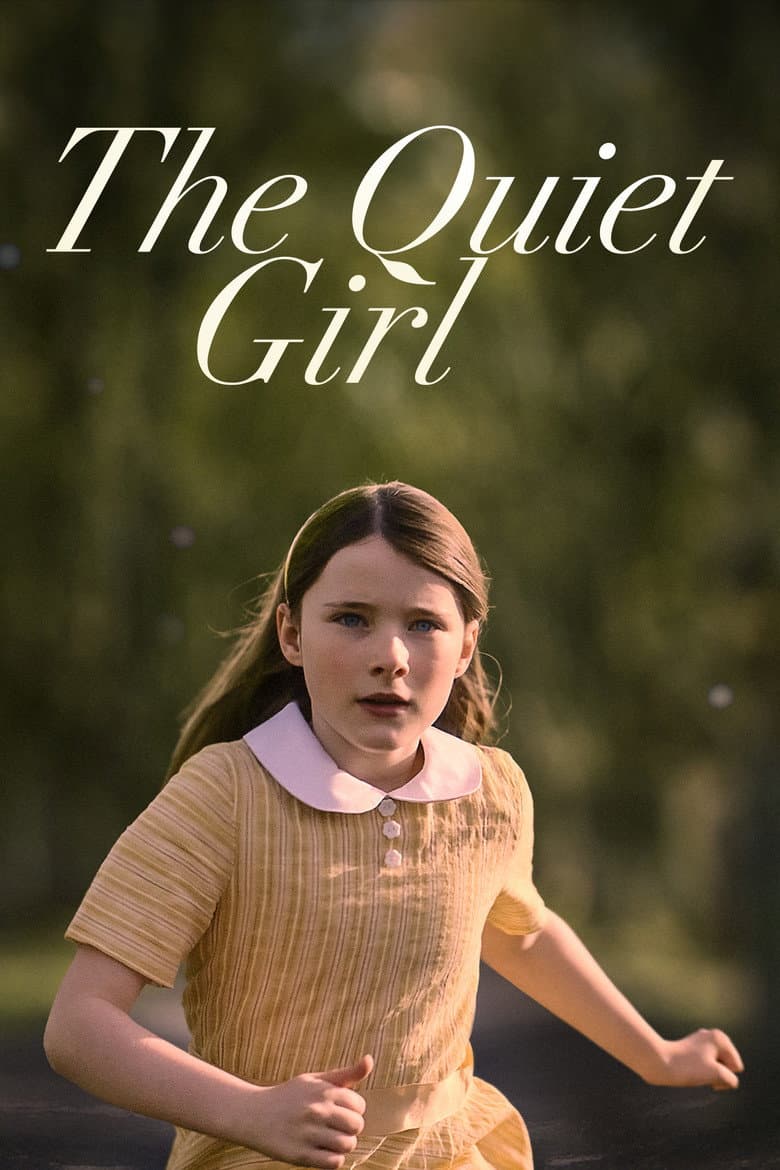
Movie · 2022
A quiet, neglected girl is sent away from her dysfunctional family to live with relatives for the summer. She blossoms in their care, but in this house where there are meant to be…
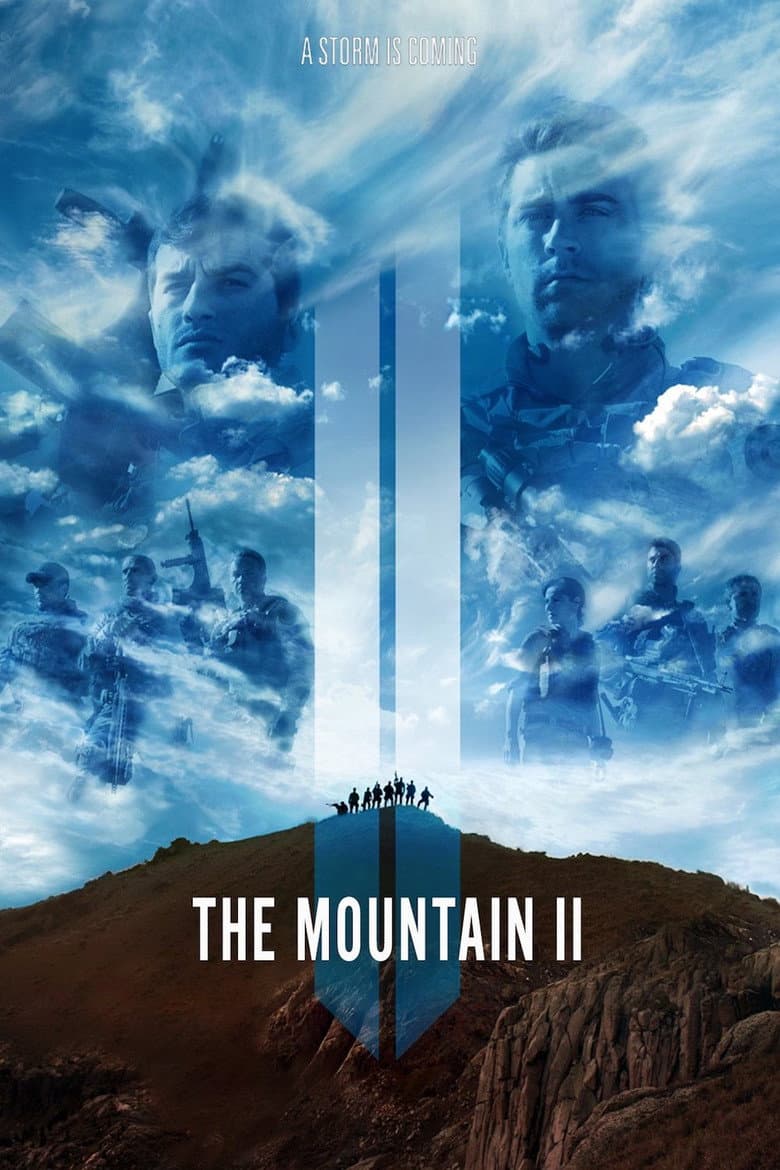
Movie · 2016
In a desolate war zone where screams of the innocent echo, on the very line between disaster and valor, 7 Maroon Berets will dance with death.
