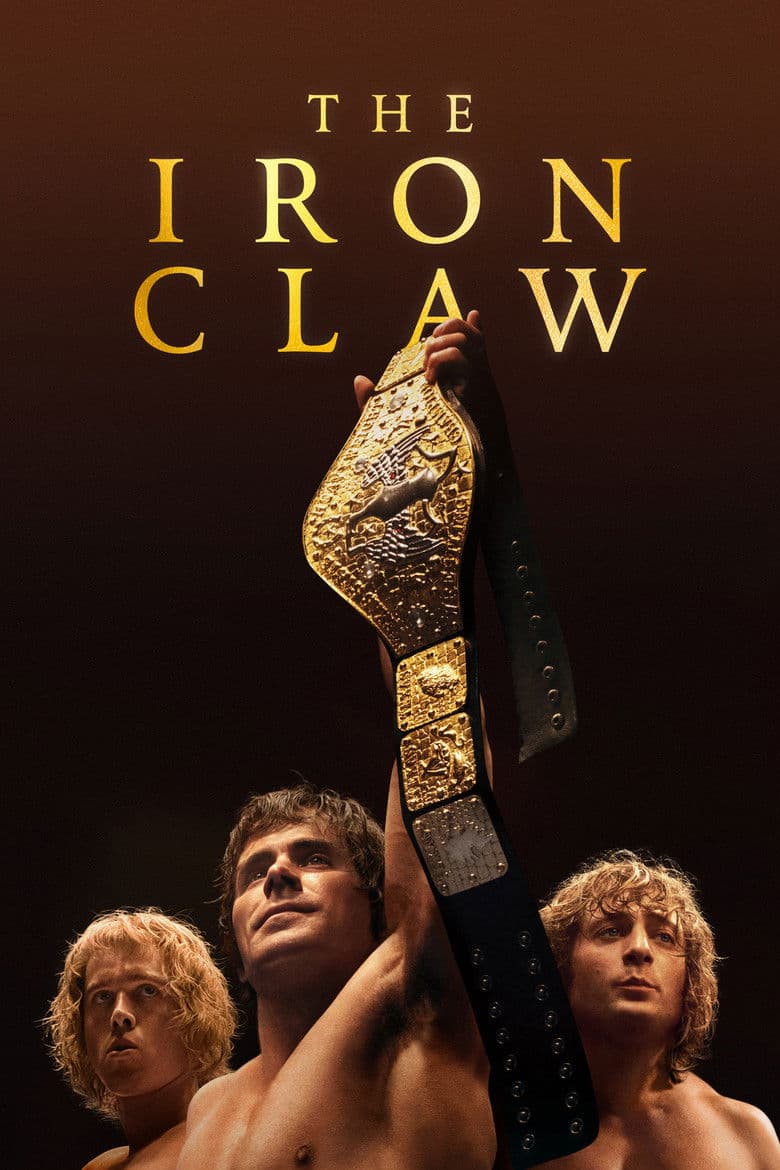
Kevin Von Erich is a Texas pro wrestler in the early 1980s. He and his brothers fight in the ring and try to please their tough dad, Fritz, who runs the family wrestling business. The story follows their rise, the idea of a family “curse,” and a long string of deaths and bad luck. The tone is sad, heavy, and full of love between brothers.
This is mainly a true-story family drama about sports, pressure from a hard father, and surviving deep loss. The big themes are brotherhood, grief people refuse to face, and a dad who ranks his sons and pushes them to win. A normal viewer would notice the cold, tough dad and men who bottle up feelings, not race swaps, girl-power lectures, or identity-politics speeches. The ending shows Kevin breaking down and finding comfort with his kids. Critics often call that a look at harsh male rules, but the movie stays on the family’s real pain and the wrestling world.
Community feedback
Was our 13% Woke rating accurate?
Breakdown
These are the editorial factors and ratings behind our score for The Iron Claw.
Woke representation / casting
Cast matches the real white Texas wrestling family and their circle. No clear diversity-quota pattern, race-swapped leads, or “brilliant minority expert” signaling in main parts.
0%
Woke political dialogue
Talk is about titles, family duty, the “curse,” injury, and loss. No activist speeches on race, gender politics, climate, or modern social-justice causes that a normal viewer would clock as lectures.
0%
Identity-driven story themes
Core story is family bond, sports glory, a pushy father, and grief. It is not built on race, queer identity, or modern identity-group politics. LGBTQ themes are not a feature of the film.
12%
Western institutional / cultural critique
Viewers see a harsh patriarch ranking sons, men told to stay tough, and pain from never grieving. Durkin links that to what society expects of men. Some critics label it toxic masculinity. That is light-to-noticeable, not a full modern activist attack on the West, capitalism, or faith as systems.
10%
Woke character or canon changes
Not relevant. Cutting Chris and blending him into Mike is ordinary biopic compression for length and emotional load, not a DEI or identity rewrite of real people.
0%
Anti-woke backlash and complaints
No meaningful right-leaning or anti-woke wave saying the film pushes woke/DEI/identity politics. Heat was about the missing brother, Fritz’s harsh image, and wrestling facts.
0%
Creator track record context
Main creator Durkin scores low on activist work. Most producers are craft/business profiles. Yates’s BBC Film diversity work and Cohen’s older panel-show gender rule raise the average only a little for a large producing team.
20%
Production
Movie · 2020
A man refuses all assistance from his daughter as he ages and, as he tries to make sense of his changing circumstances, he begins to doubt his loved ones, his own mind and even…
Movie · 2017
Members of the Granite Mountain Hotshots battle deadly wildfires to save an Arizona town.
Movie · 2023
American ballet dancer Joy Womack is accepted into Moscow's infamously tough Bolshoi Ballet Academy, with the dream of becoming a great ballerina.
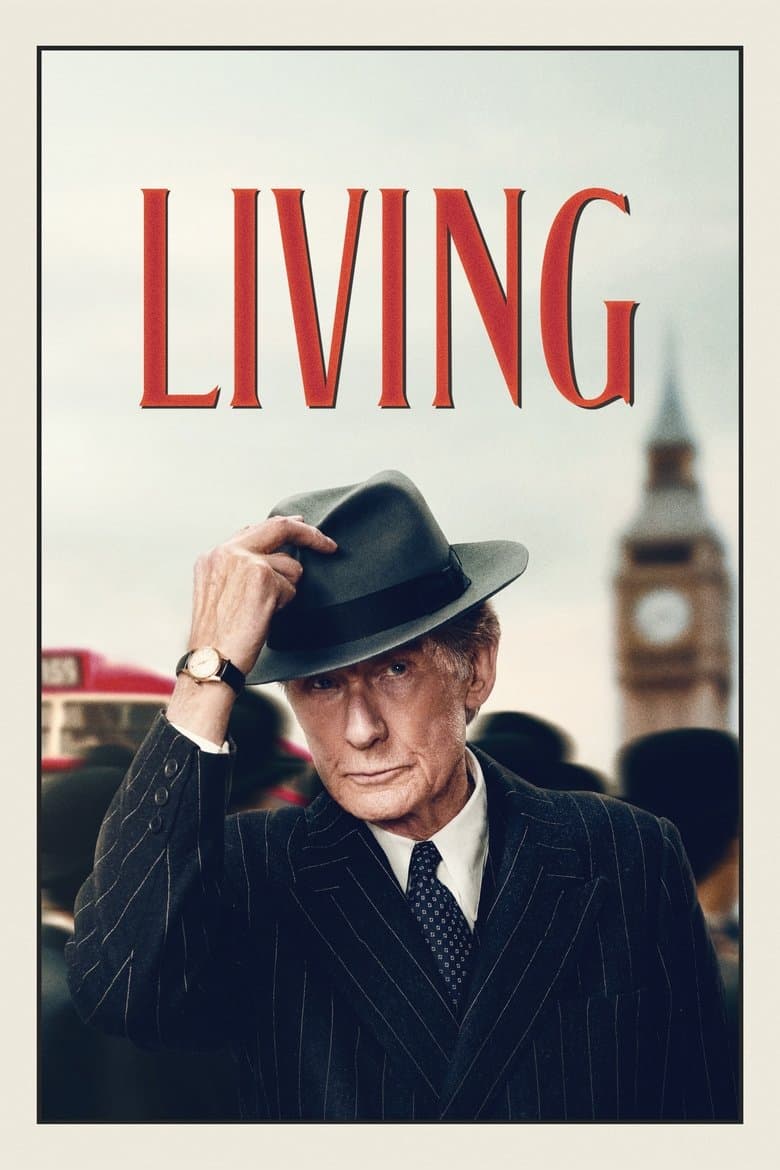
Movie · 2022
London, 1953. Mr. Williams, a veteran civil servant, is an important cog within the city's bureaucracy as it struggles to rebuild in the aftermath of World War II.
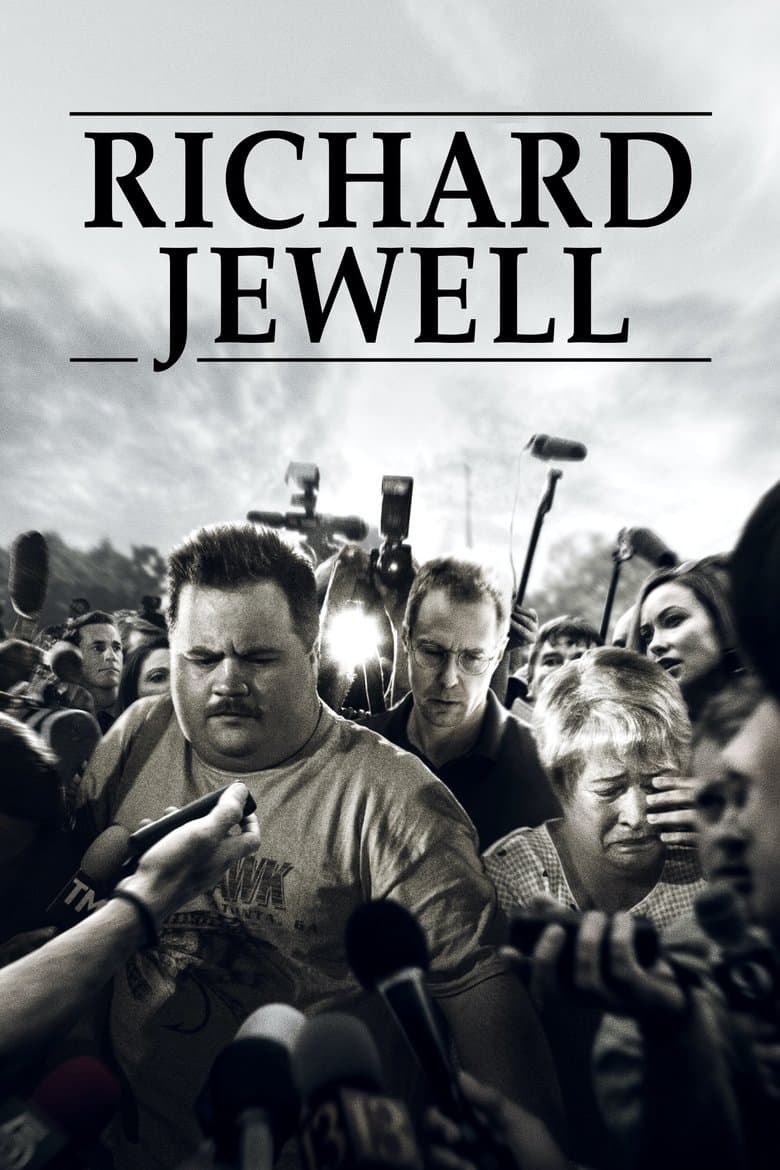
Movie · 2019
Richard Jewell thinks quick, works fast, and saves hundreds, perhaps thousands, of lives after a domestic terrorist plants several pipe bombs and they explode during a concert…
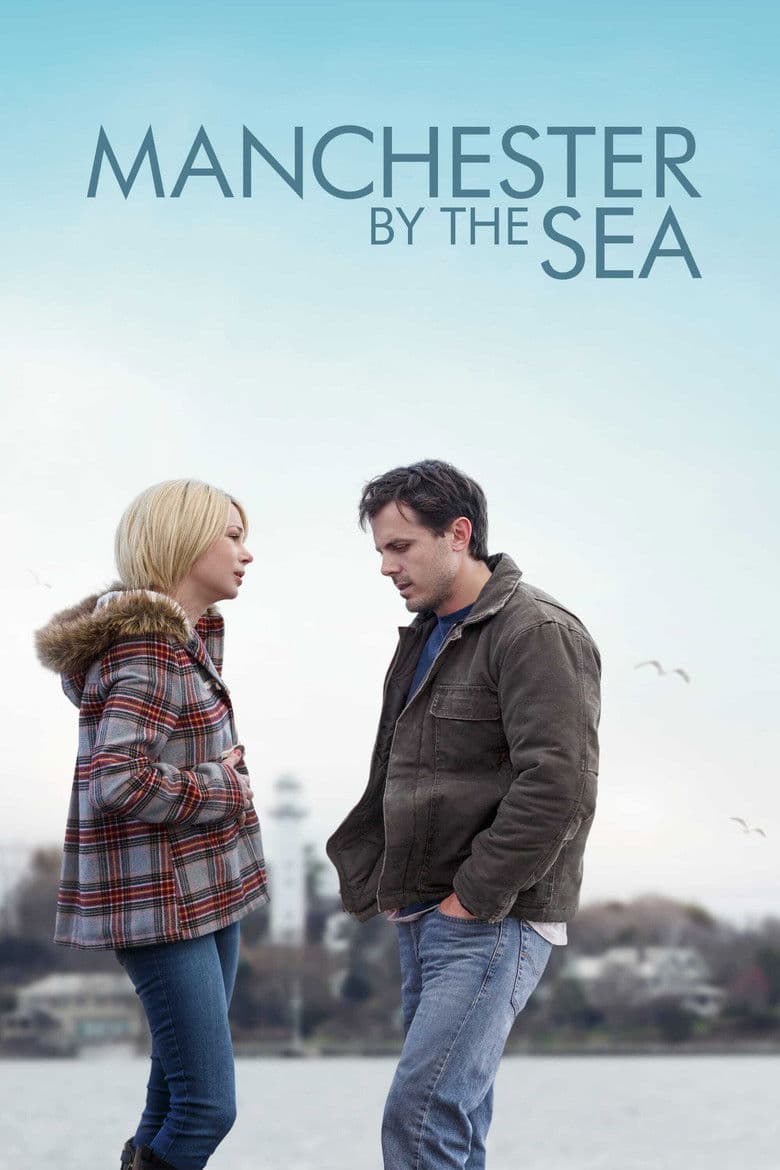
Movie · 2016
After his older brother passes away, Lee Chandler is forced to return home to care for his 16-year-old nephew.
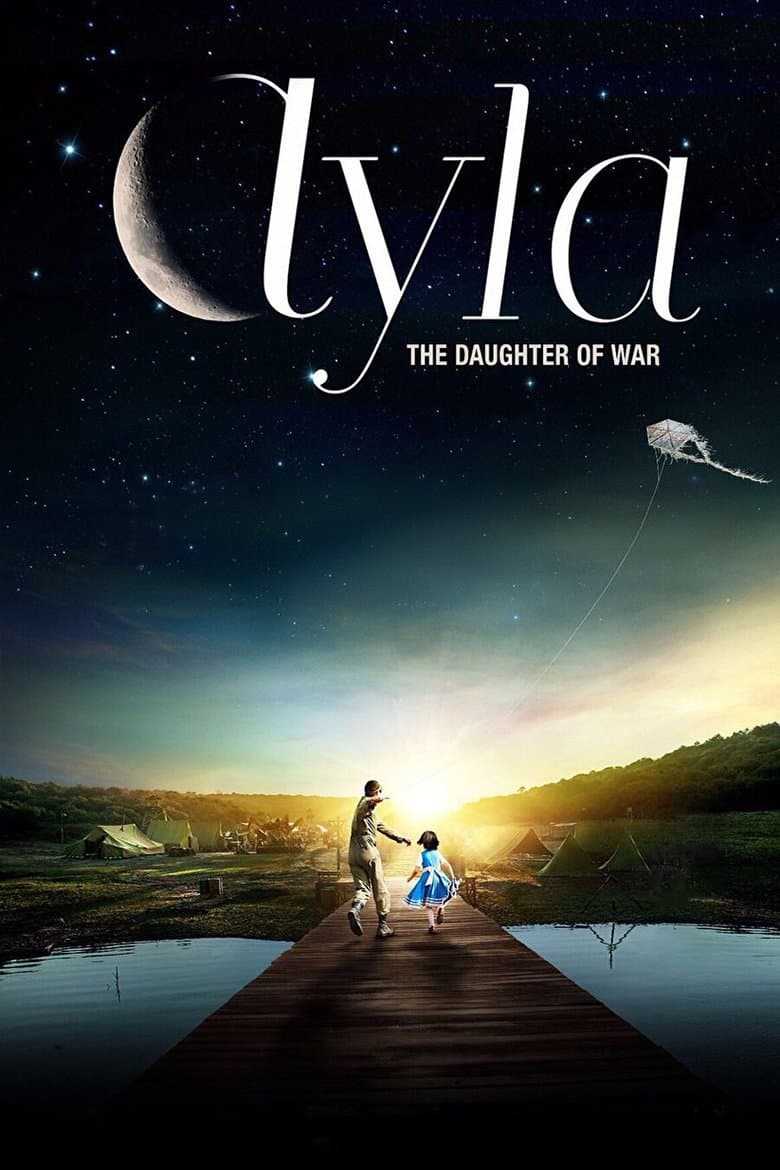
Movie · 2017
In 1950, amidst the ravages of the Korean War, Sergeant Süleyman stumbles upon a a half-frozen little girl, with no parents and no help in sight and he risks his own life to save…
Movie · 2022
Based on a true tragedy, the emotionally triggering film sheds light on the plight of Kashmiri Pandits (Hindus), a religious minority in the 1990s Kashmir valley, who were…
