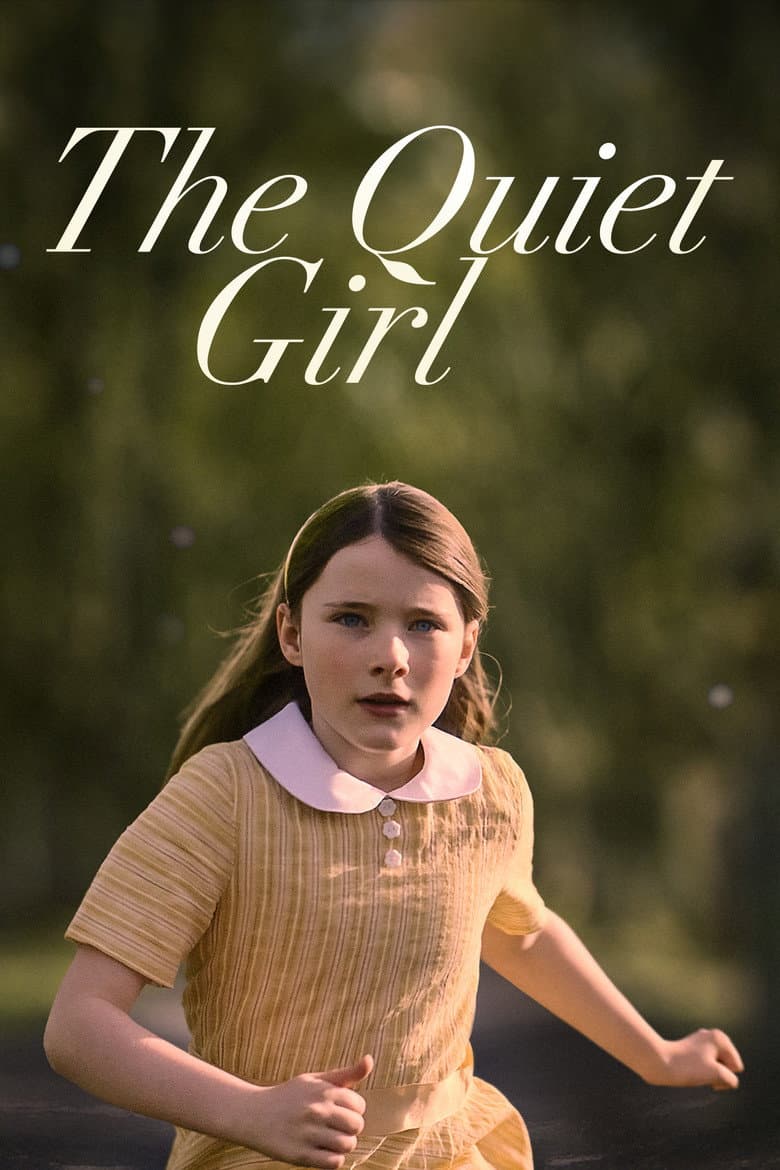
The Quiet Girl follows Cáit, a nine-year-old girl living with a poor and crowded family in rural Ireland in 1981. Her father drinks and gambles, while her tired mother struggles to care for many children and another baby. The family sends Cáit to spend the summer with her mother’s cousin Eibhlín and Eibhlín’s husband Seán on their well-kept farm. The quiet drama stays close to Cáit as she learns what safety, work, and kindness feel like before she must face a painful return.
The film gives strong attention to a young girl who has been overlooked and slowly learns that she deserves love and a voice. It also shows how a broken home can fail a child and how a caring home can help her grow. The story touches on grief, child neglect, family duty, and the pain of losing a child through private relationships. Irish-language dialogue and the setting shape the film’s sense of place, while the gentle tone keeps the focus on care, silence, and belonging.
Community feedback
Was our 9% Woke rating accurate?
Breakdown
These are the editorial factors and ratings behind our score for The Quiet Girl.
Woke representation / casting
Not present. The main cast is Irish and fits the rural Irish setting, and the child lead was chosen partly for fluent Irish. The film does not frame its casting as a broader diversity or identity statement.
0%
Woke political dialogue
Not present. The characters talk about family, work, shame, grief, and care. The film does not use modern identity, DEI, or activist lines.
0%
Identity-driven story themes
Not present. The story follows a neglected girl who learns what love and belonging feel like in a safer home. Its focus is childhood, family care, grief, and silence, not race, sexuality, gender politics, or a modern identity campaign.
0%
Western institutional / cultural critique
Not present. The film shows a careless father, an exhausted mother, and an old family setting that fails a child. It treats those problems as personal neglect and family pain, not as a modern activist attack on Christianity, Western institutions, or traditional family life.
0%
Woke character or canon changes
Not relevant. The film adapts Claire Keegan’s story and adds opening material. It does not change an established character’s race, gender, sexuality, or heroic role.
0%
Anti-woke backlash and complaints
Not present. Public discussion mainly praises the acting, Irish-language setting, and emotional story. The supplied X pass found no anti-woke complaints, and the wider search found no sustained woke, DEI, boycott, or agenda backlash.
0%
Creator track record context
Colm Bairéad’s stored creator score is 55/100 for Irish-language cultural work and attention to overlooked lives. Cleona Ní Chrualaoi’s stored score is 53/100 for similar cultural work and difficult Irish history. Claire Keegan’s stored score is 29/100 for stories about gendered power and abuse, while her public profile is mainly literary. None has a strong record of party activism or culture-war campaigning, so the combined context is moderate.
46%
Production
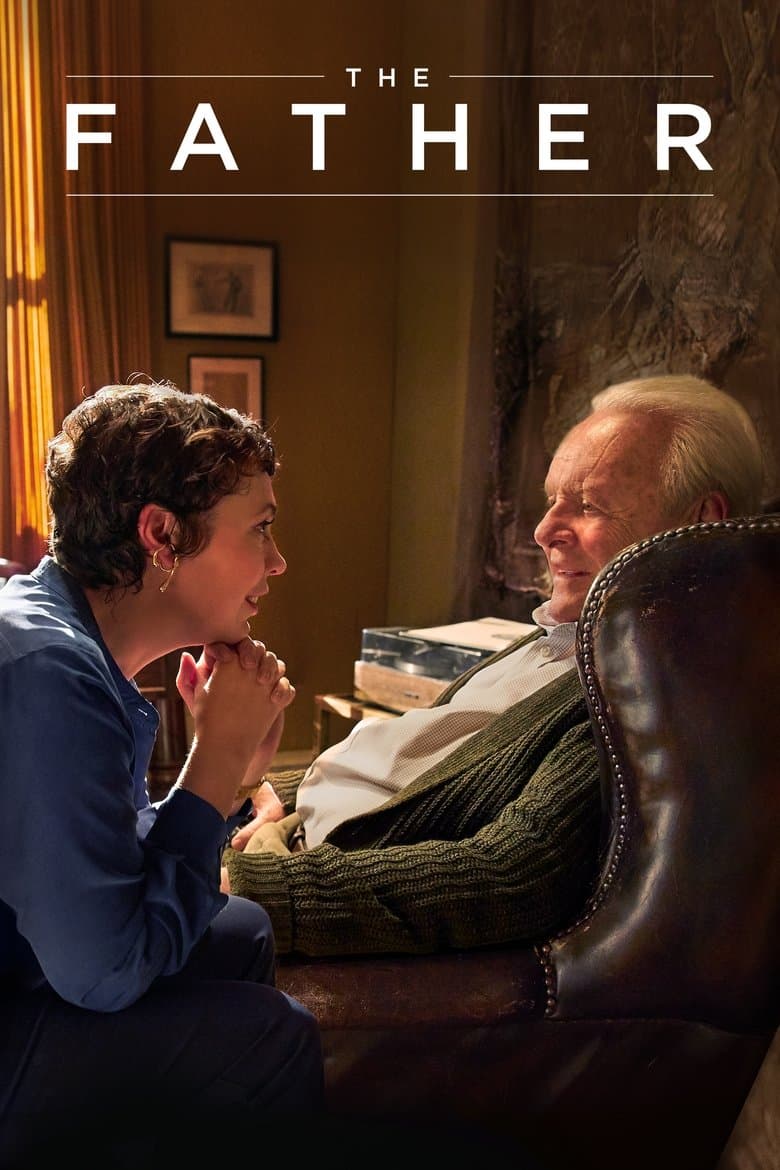
Movie · 2020
A man refuses all assistance from his daughter as he ages and, as he tries to make sense of his changing circumstances, he begins to doubt his loved ones, his own mind and even…
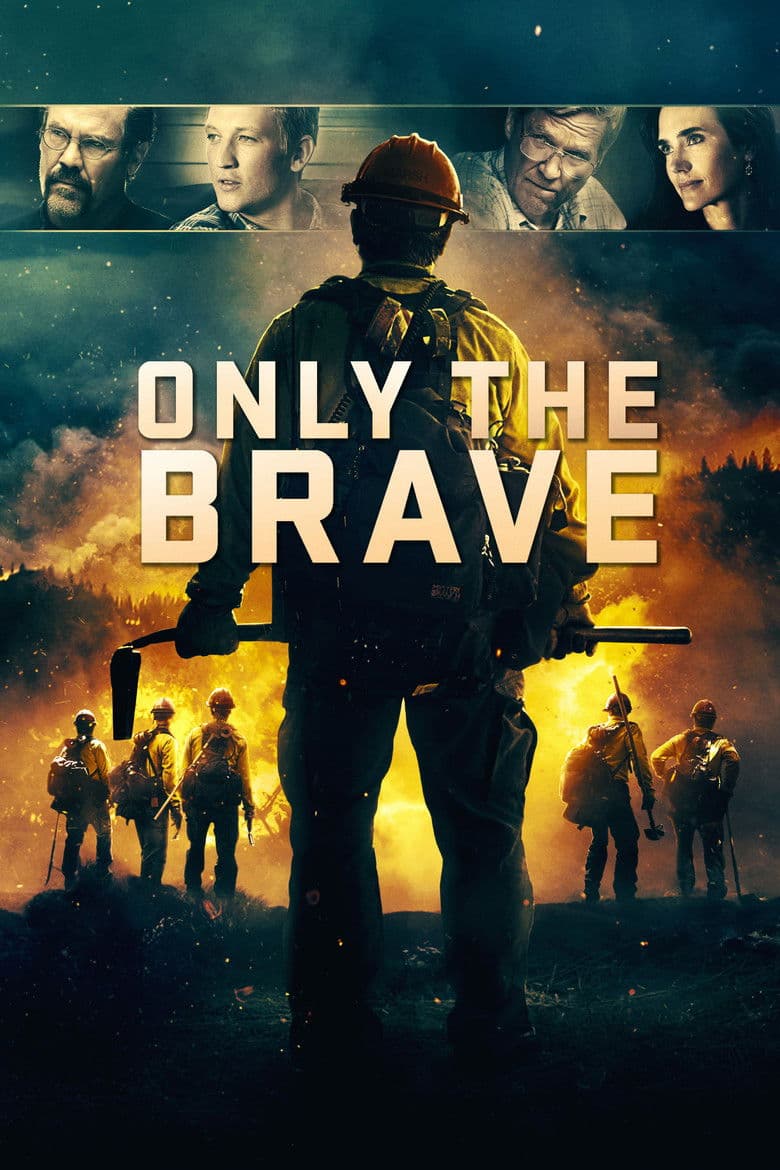
Movie · 2017
Members of the Granite Mountain Hotshots battle deadly wildfires to save an Arizona town.
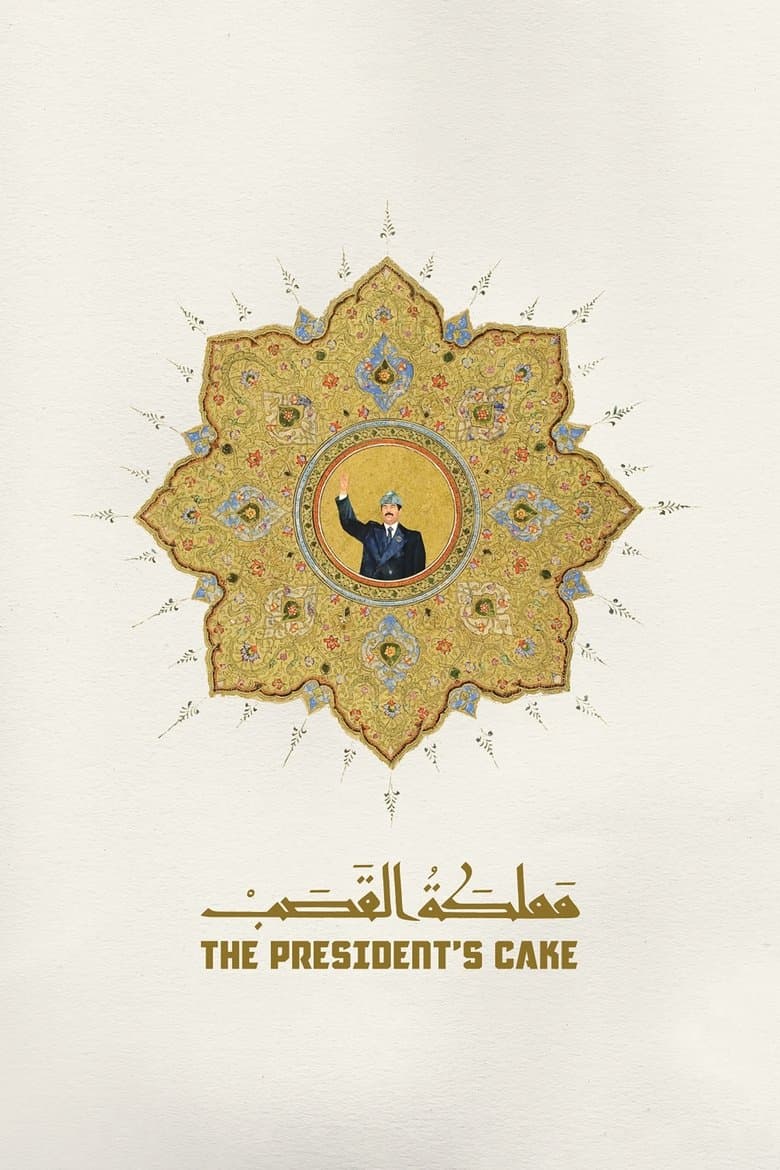
Movie · 2026
While people across 1990s Iraq struggle to survive the war and food shortages, Saddam Hussein requires each school in the country to prepare a cake to celebrate his birthday.
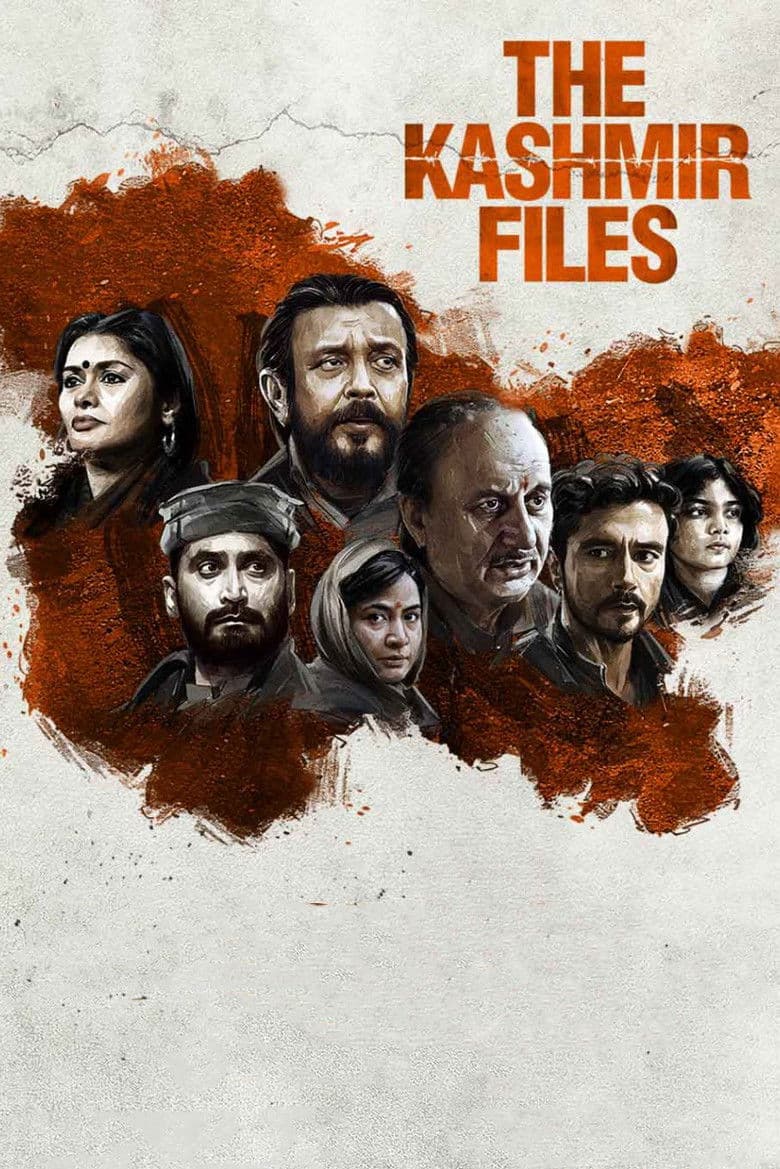
Movie · 2022
Based on a true tragedy, the emotionally triggering film sheds light on the plight of Kashmiri Pandits (Hindus), a religious minority in the 1990s Kashmir valley, who were…
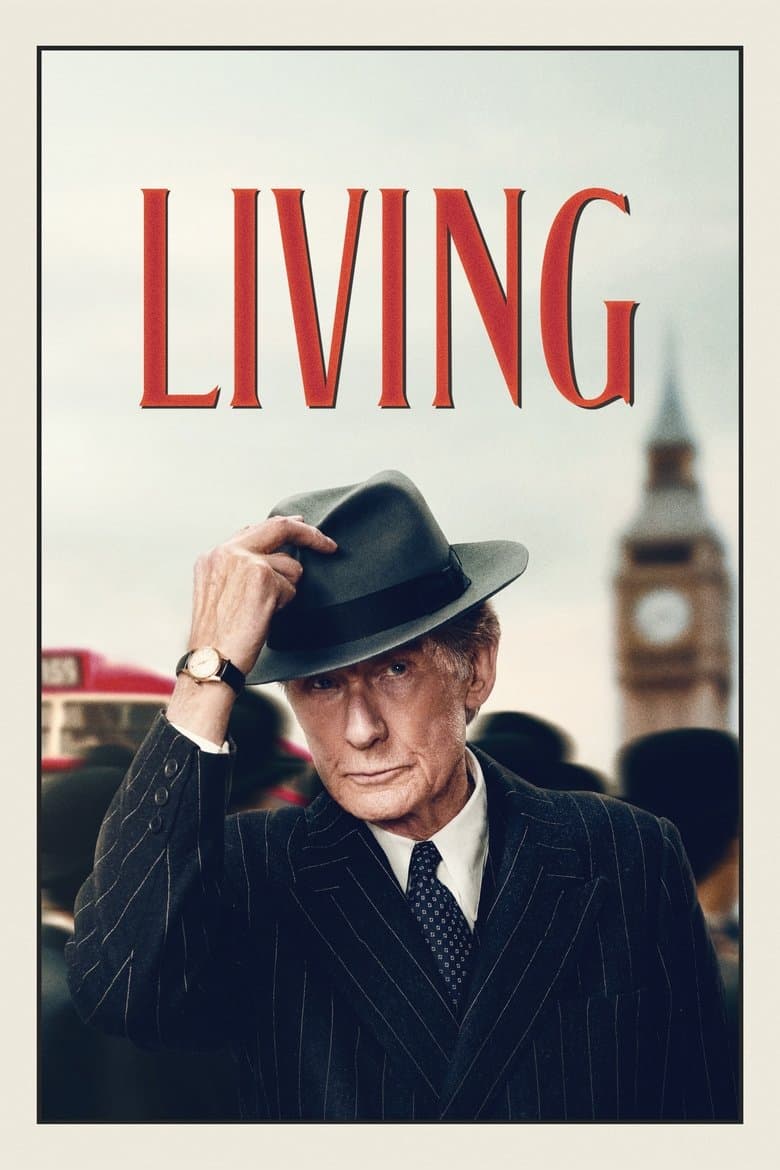
Movie · 2022
London, 1953. Mr. Williams, a veteran civil servant, is an important cog within the city's bureaucracy as it struggles to rebuild in the aftermath of World War II.
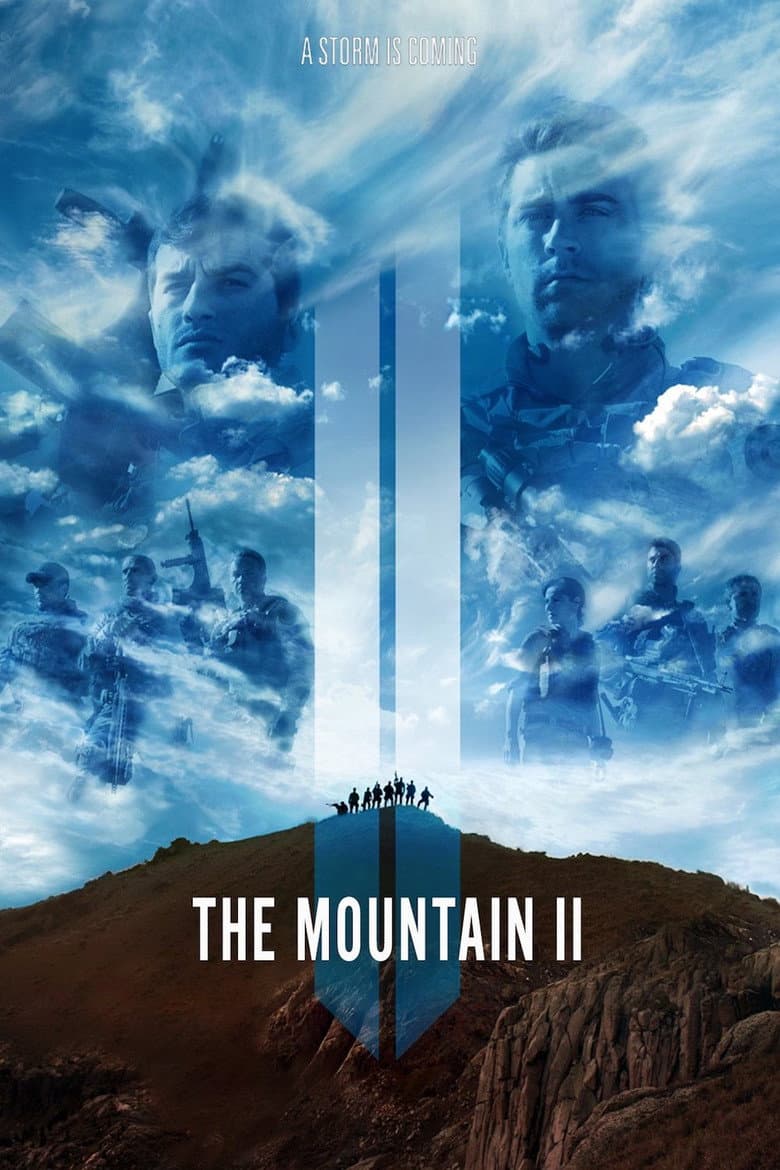
Movie · 2016
In a desolate war zone where screams of the innocent echo, on the very line between disaster and valor, 7 Maroon Berets will dance with death.
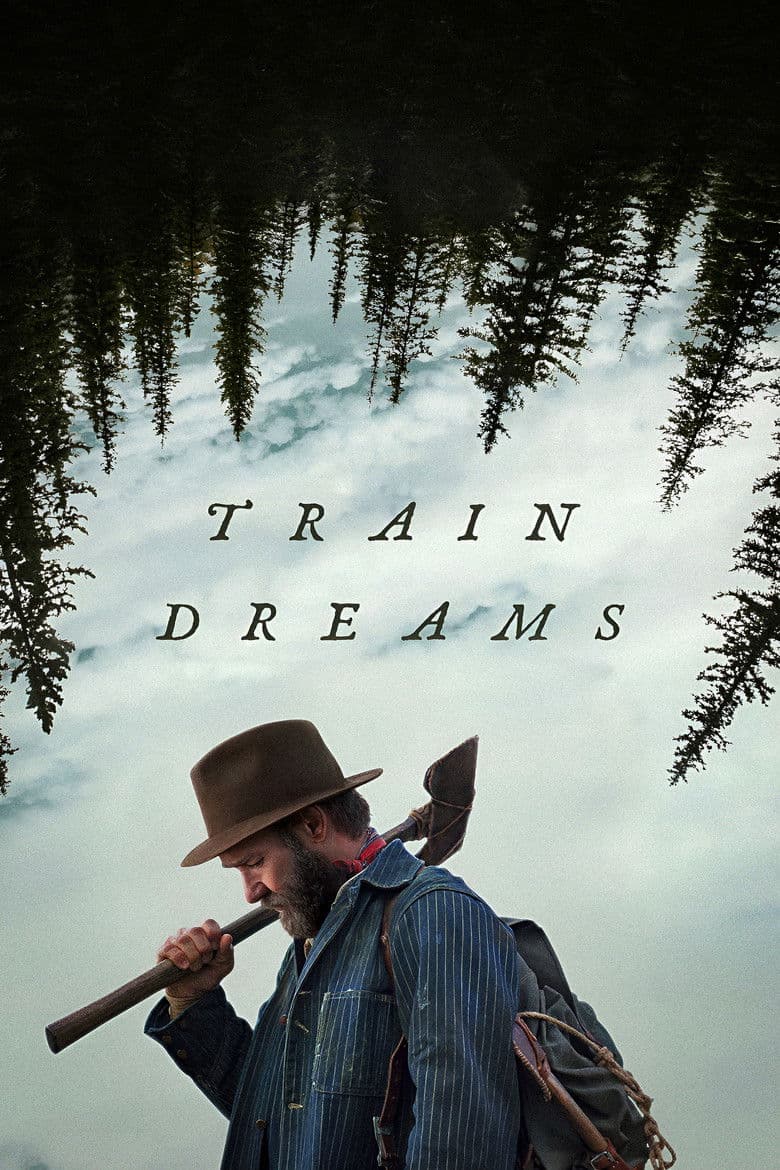
Movie · 2025
A logger leads a life of quiet grace as he experiences love and loss during an era of monumental change in early 20th-century America.
Movie · 2017
In 1950, amidst the ravages of the Korean War, Sergeant Süleyman stumbles upon a a half-frozen little girl, with no parents and no help in sight and he risks his own life to save…
