Movie review
July 14, 2023 · 124 min · PG-13 · Japanese · Fantasy · Animation · Drama
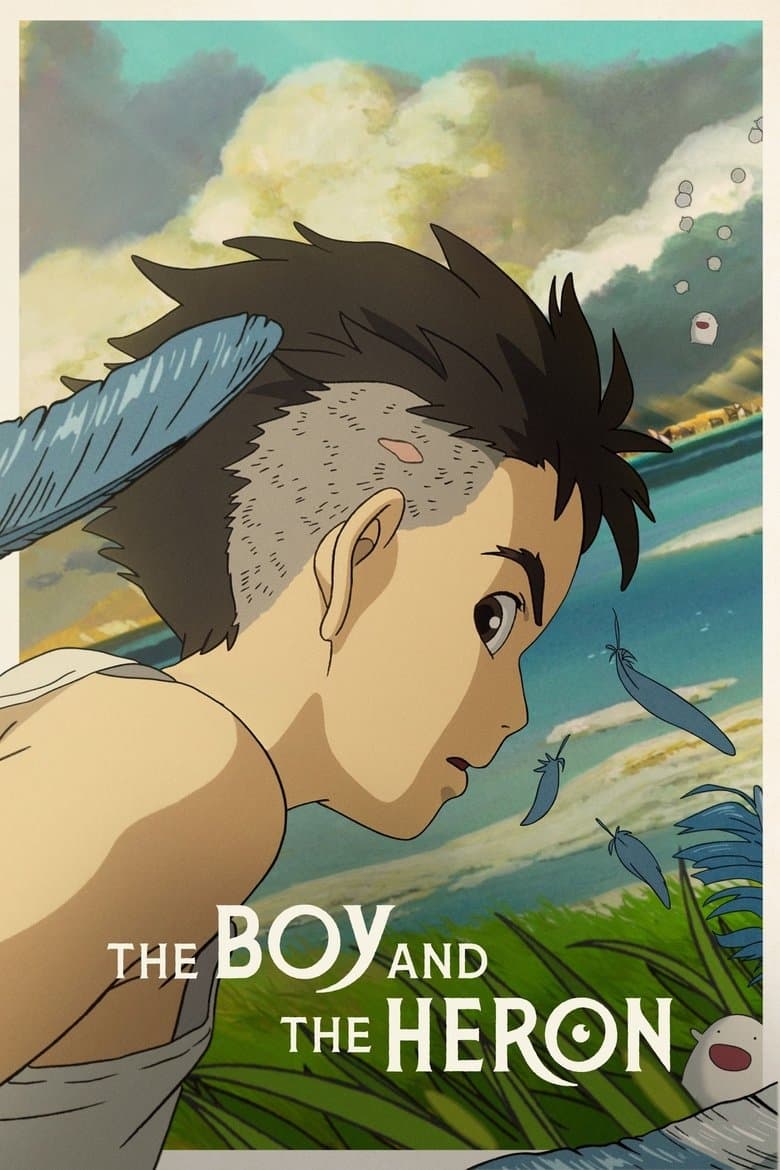
The Boy and the Heron follows Mahito Maki, a Japanese boy living during the Second World War. After his mother dies in a hospital fire, his father moves him from Tokyo to the countryside and marries his mother's sister, Natsuko. Mahito feels angry, lonely, and unsure about his new home, especially after Natsuko becomes pregnant. A strange gray heron leads him into a tower and a shifting world filled with spirits, birds, danger, and clues about his family. The film feels sad, strange, dreamlike, and sometimes frightening.
The film gives several women active roles. Kiriko is a skilled fisher who protects Mahito, Himi fights with fire, and Natsuko makes her own choice inside the tower. These roles add a mild identity-driven theme about women having power and purpose, but the story never turns them into a message about modern gender politics. The main ideas are grief, family, war, death, creation, and the need to accept real life instead of hiding in a perfect world. Mahito rejects control over the fantasy world and chooses to return to his difficult family life.
Community feedback
Was our 21% Woke rating accurate?
Breakdown
These are the editorial factors and ratings behind our score for The Boy and the Heron.
Woke representation / casting
Not present. The human characters are Japanese because the story takes place in wartime Japan. The English voice cast does not change the characters' visible identities.
0%
Woke political dialogue
Not present. The film has no modern identity, gender, DEI, or activist speeches. Its talk about rulers, choice, and human suffering stays within the fantasy story.
0%
Identity-driven story themes
Kiriko protects Mahito while working as a skilled fisher. Himi uses fire to fight and acts with clear independence. The women are important, but Mahito's grief and family change remain the main story. The film does not turn these roles into a modern gender or representation campaign.
15%
Western institutional / cultural critique
Not present. The Parakeet King and the Granduncle represent control inside a fantasy world. The film does not attack modern Western institutions, capitalism, Christianity, traditional families, or conservative politics.
0%
Woke character or canon changes
Not relevant. The movie is an original story loosely linked to the 1937 book How Do You Live? It does not change the race, sex, sexuality, or role of an established character.
0%
Anti-woke backlash and complaints
Not present. No major anti-woke backlash or review campaign was found. The small amount of anti-woke discussion treated the film as mostly non-woke.
0%
Creator track record context
Hayao Miyazaki has a 65/100 creator-context score because his past films often stress environmental harm, pacifism, women's independence, and resistance to authority. This film carries over the anti-war and humanist parts of that pattern. The other listed producers and casting directors have low or zero cached scores, so the context mainly comes from Miyazaki.
65%
Production
Movie · 2019
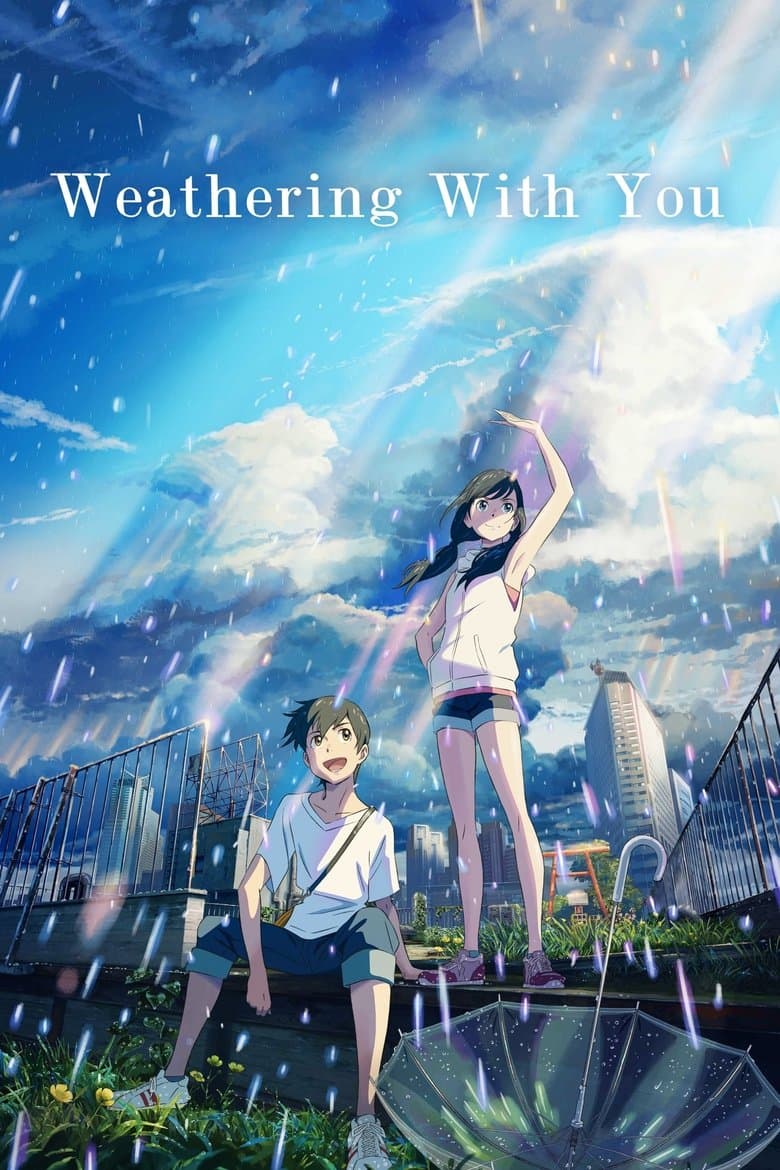
The summer of his high school freshman year, Hodaka runs away from his remote island home to Tokyo, and quickly finds himself pushed to his financial and personal limits.
Movie · 2024
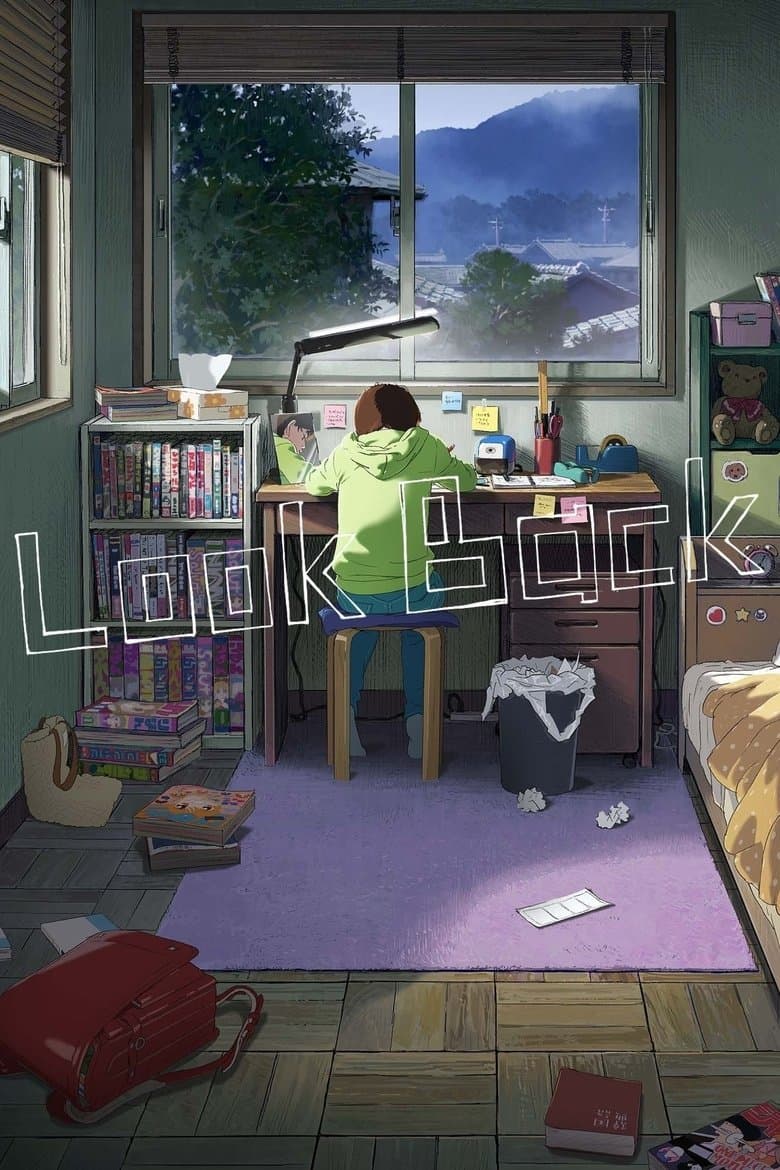
Popular, outgoing Fujino is celebrated by her classmates for her funny comics in the class newspaper. One day, her teacher asks her to share the space with Kyomoto, a truant…

Movie · 2017
A young man arrives at the last hometown of painter Vincent van Gogh to deliver the troubled artist's final letter and ends up investigating his final days there.
Movie · 2022
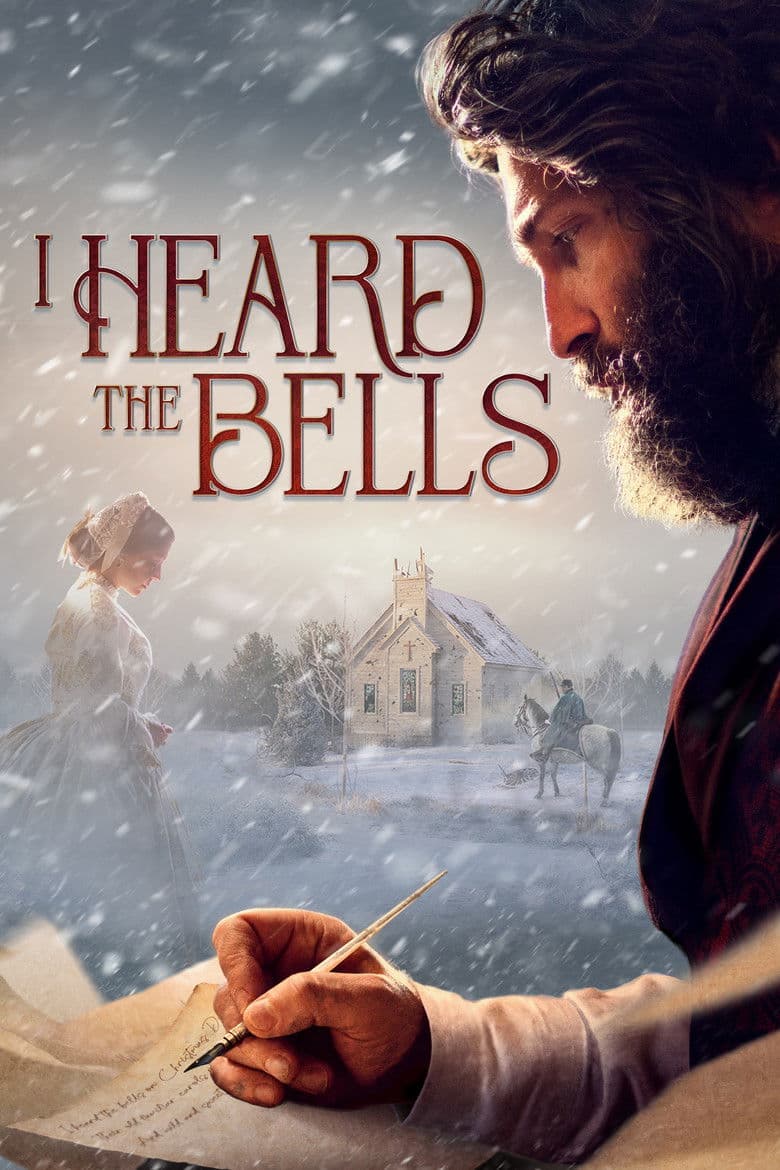
Known as America’s Poet, Henry Wadsworth Longfellow leads an idyllic life – until the day his world is shattered by tragedy.
Movie · 2021
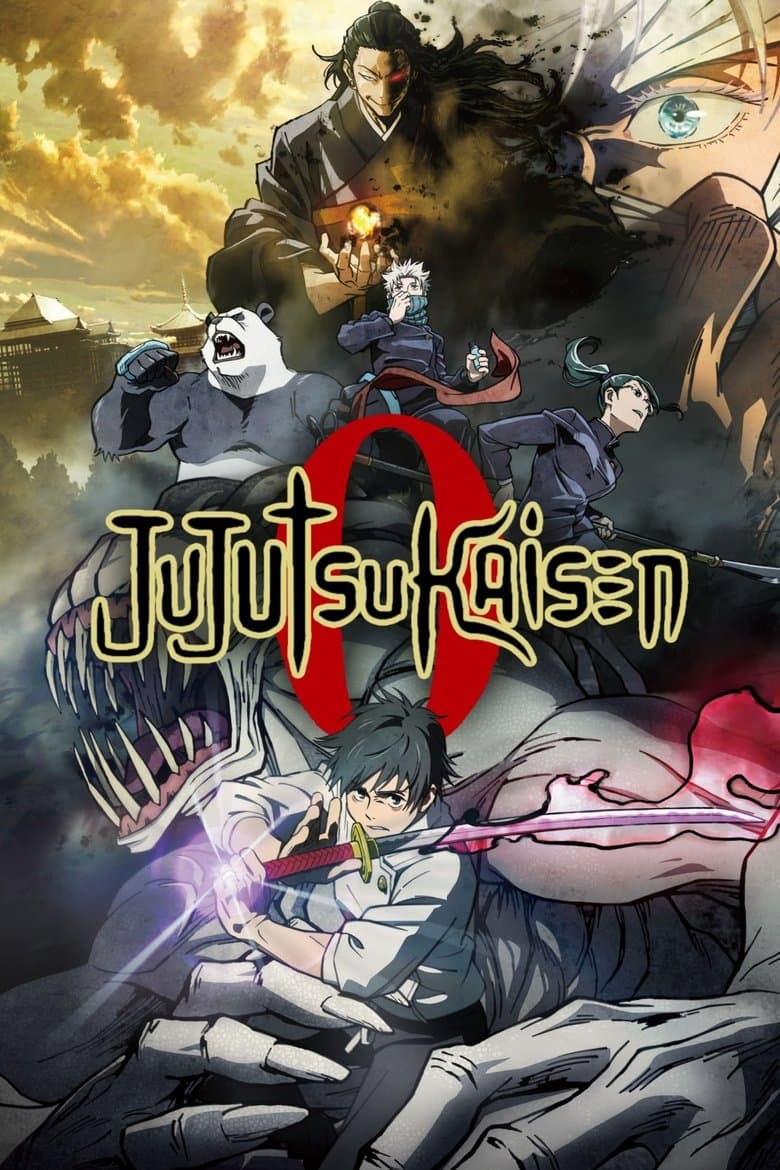
Yuta Okkotsu is a nervous high school student who is suffering from a serious problem—his childhood friend Rika has turned into a curse and won't leave him alone.
Movie · 2024
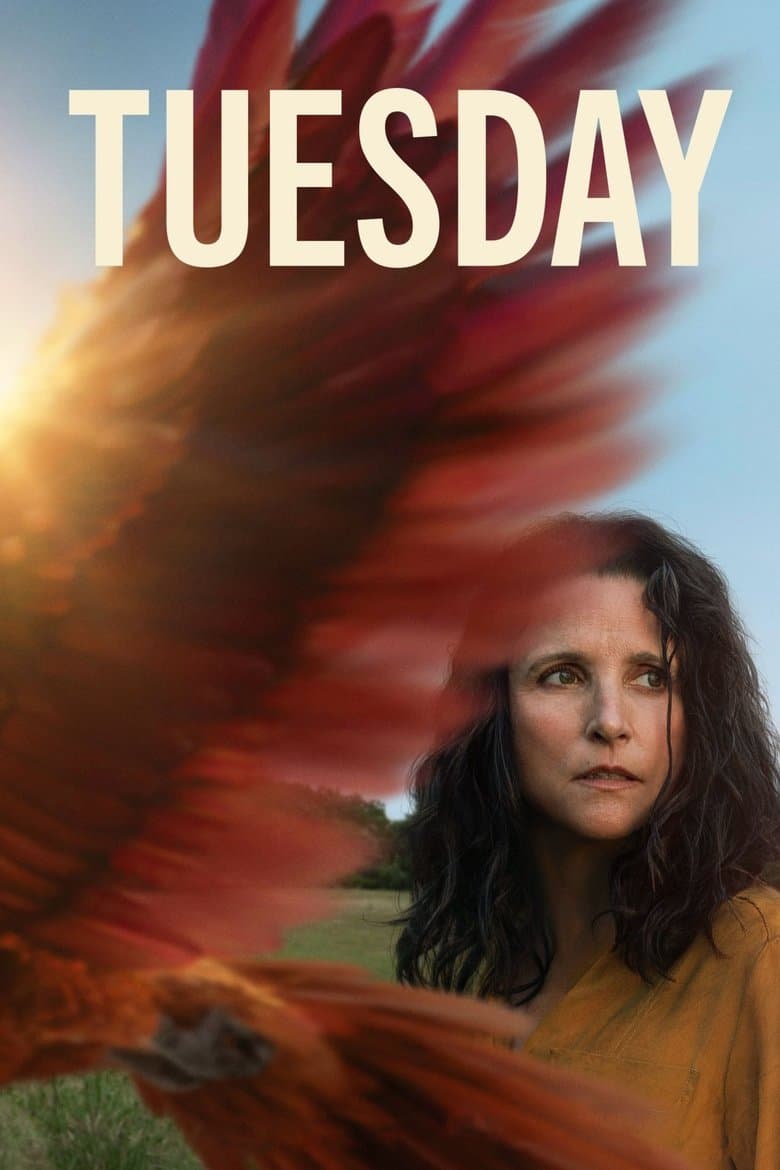
A mother and her teenage daughter must confront Death when it arrives in the form of an astonishing talking bird.
Movie · 2025
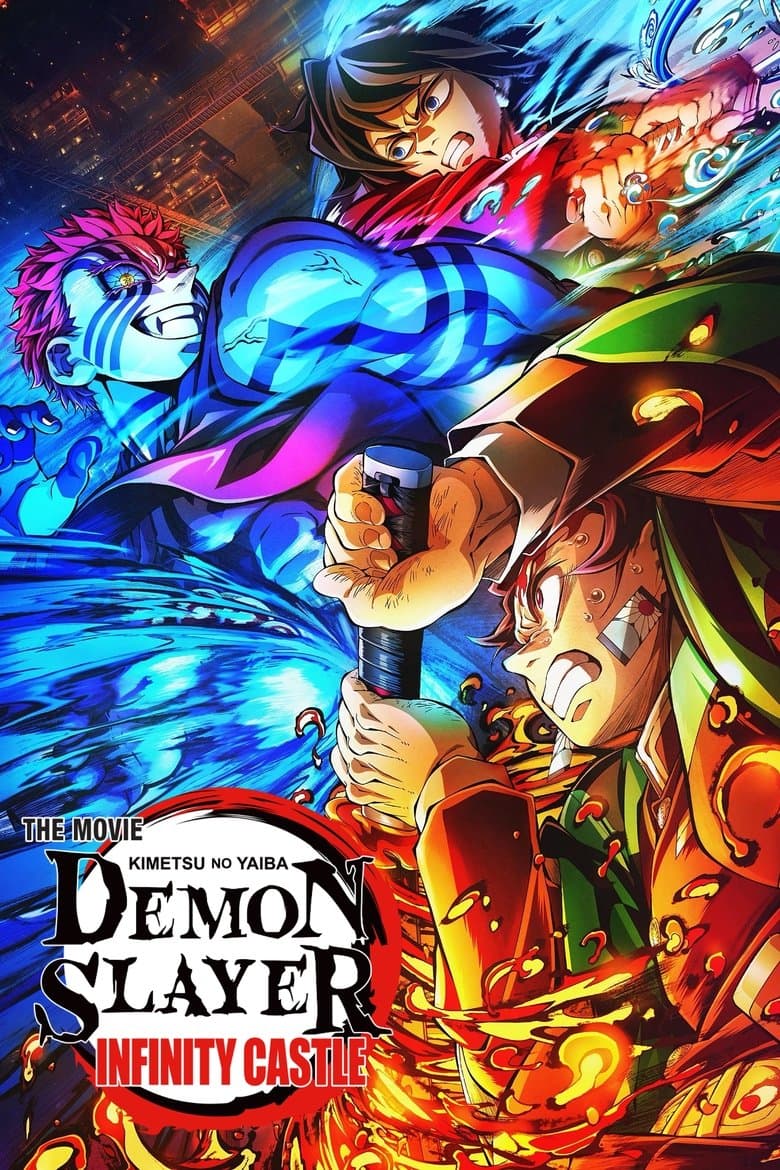
The Demon Slayer Corps are drawn into the Infinity Castle, where Tanjiro, Nezuko, and the Hashira face terrifying Upper Rank demons in a desperate fight as the final battle…
Movie · 2017
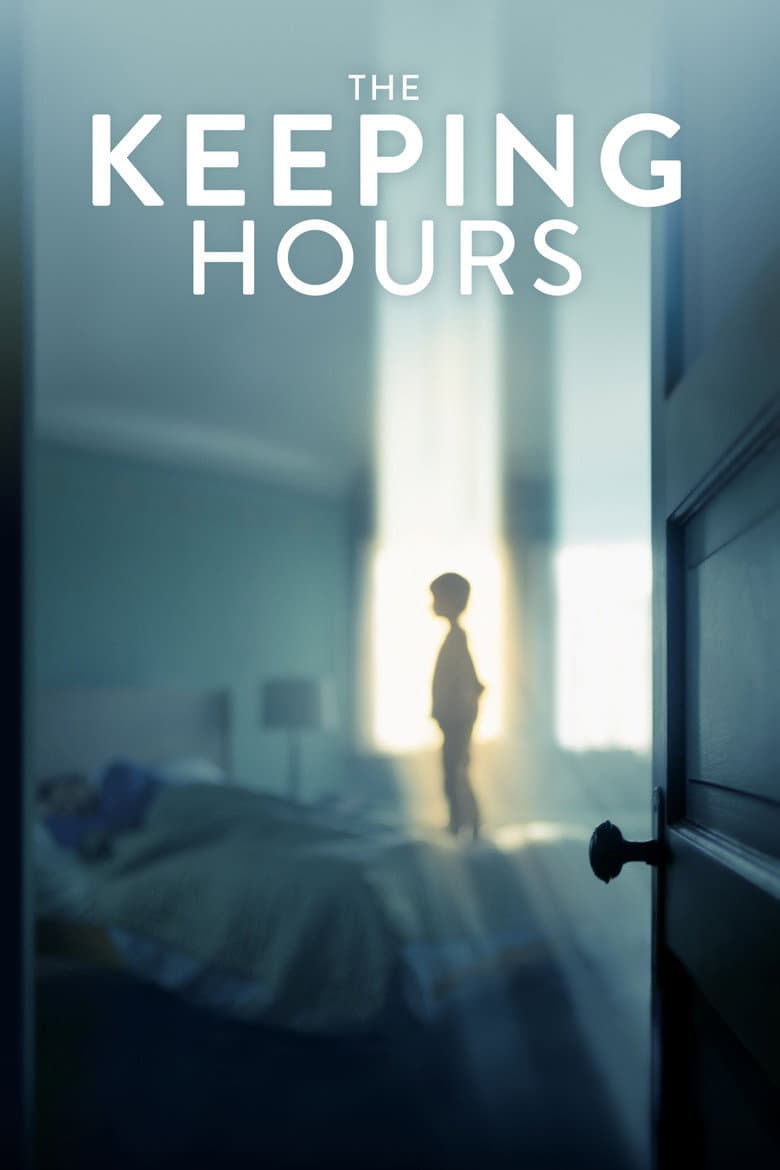
A supernatural love story that centers on two parents whose life together falls apart after their son dies. The man, now a successful lawyer, and the woman, now married and an…
