Movie review
December 24, 2021 · 105 min · PG-13 · Japanese · Fantasy · Animation · Action
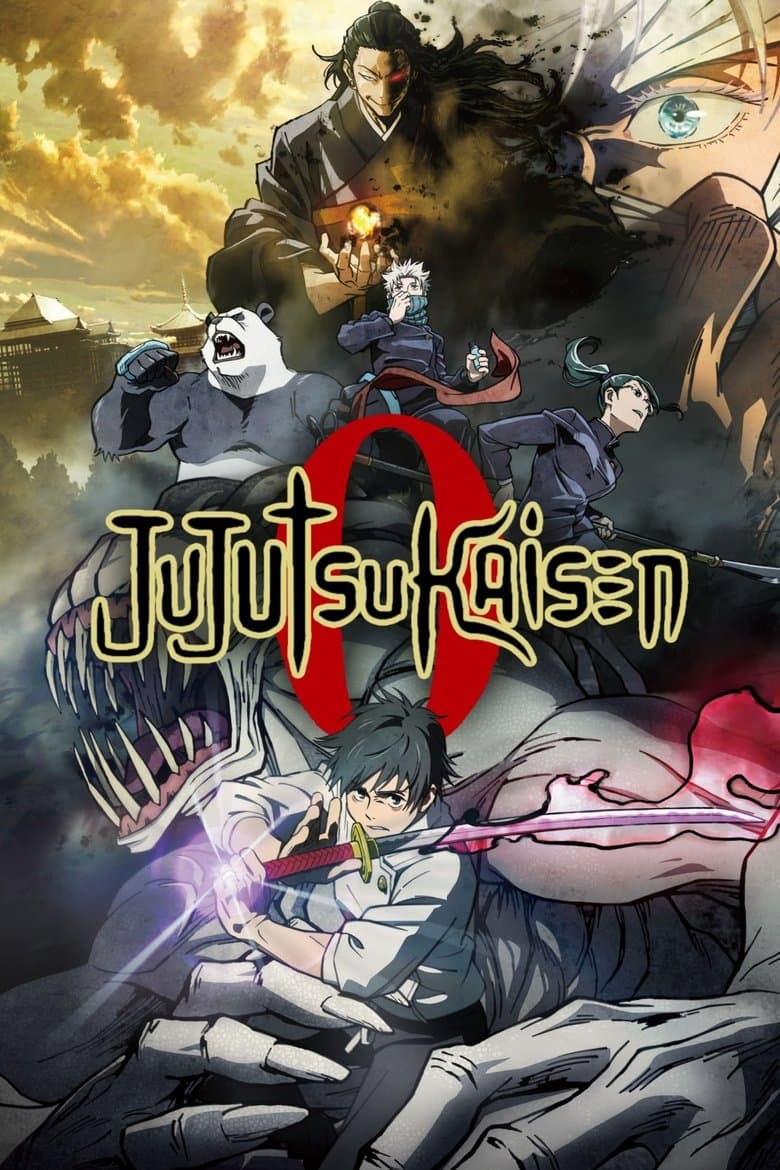
Jujutsu Kaisen 0 follows Yuta Okkotsu, a frightened high school student who cannot escape the curse of Rika, his childhood friend who died in an accident. Satoru Gojo brings Yuta to Tokyo Jujutsu High, where students learn to fight curses and protect ordinary people. Yuta trains with Maki, Toge, and Panda while he tries to control Rika and stop hurting others. The story mixes bloody supernatural battles with grief, guilt, friendship, and a sad love story.
The film gives Maki a visible role as a skilled fighter who has been rejected by the powerful Zenin family because she has little cursed energy. Her wish to prove herself adds a small outsider and family-hierarchy theme, but the film does not turn it into a modern political message. The main message comes from Yuta learning to live, trust his friends, and let go of a painful bond. Suguru Geto’s plan to remove all non-sorcerers creates the central moral conflict, and the film treats it as a villain’s extreme fantasy rather than a lesson about present-day identity politics. The tone stays focused on action, horror, loss, and loyalty.
Community feedback
Was our 13% Woke rating accurate?
Breakdown
These are the editorial factors and ratings behind our score for Jujutsu Kaisen 0.
Woke representation / casting
The English dub casts openly trans actor Kayleigh McKee as Yuta, a male teenager, and interview coverage presents the lead role as progress for trans representation. The Japanese version casts Megumi Ogata, a woman, as Yuta because the character was meant to sound soft and emotionally varied. The film’s visible characters are mainly Japanese, and Maki’s place as a strong fighter fits the story rather than a diversity campaign.
12%
Woke political dialogue
Not present. The film includes speeches about curses, sorcerers, and killing non-sorcerers, but those lines build Geto’s fantasy ideology rather than push modern identity or activist ideas. No character gives a modern gender, race, sexuality, or DEI message.
0%
Identity-driven story themes
The film gives Maki a meaningful role as a skilled female fighter who rejects the Zenin family’s judgment and wants to prove herself. The film also lets her have goals beyond being a love interest. This creates a brief empowerment and outsider thread, but Yuta’s grief, friendship, and cursed love remain the main story. The film does not turn Maki’s struggle into a broad modern political campaign.
15%
Western institutional / cultural critique
Not present. The Zenin family and the sorcerer clans show fictional hierarchy, but the film does not connect that conflict to modern Western politics, patriarchy, capitalism, Christianity, or current social debates. Geto’s attack on non-sorcerers is a supernatural villain plot, not a critique of Western culture or institutions.
0%
Woke character or canon changes
Not relevant. The film adapts the Jujutsu Kaisen 0 manga and adds or rearranges scenes for a movie. It does not change a character’s race, gender, sexuality, or hero role.
0%
Anti-woke backlash and complaints
Not present. Coverage and fan discussions focused on animation, pacing, character bonds, and the English dub. A later fan thread included transphobic comments about the dub actor, but it did not show a sustained claim that this film pushes woke or DEI politics.
0%
Creator track record context
Available creator profiles describe Park, Seko, Akutami, and the listed producers as conventional anime professionals with no clear activist or DEI public record. Akutami’s stories include strong female fighters and conflict with rigid institutions. The available context treats those elements as genre storytelling, not a representation-first program.
8%
Production
Movie · 2025
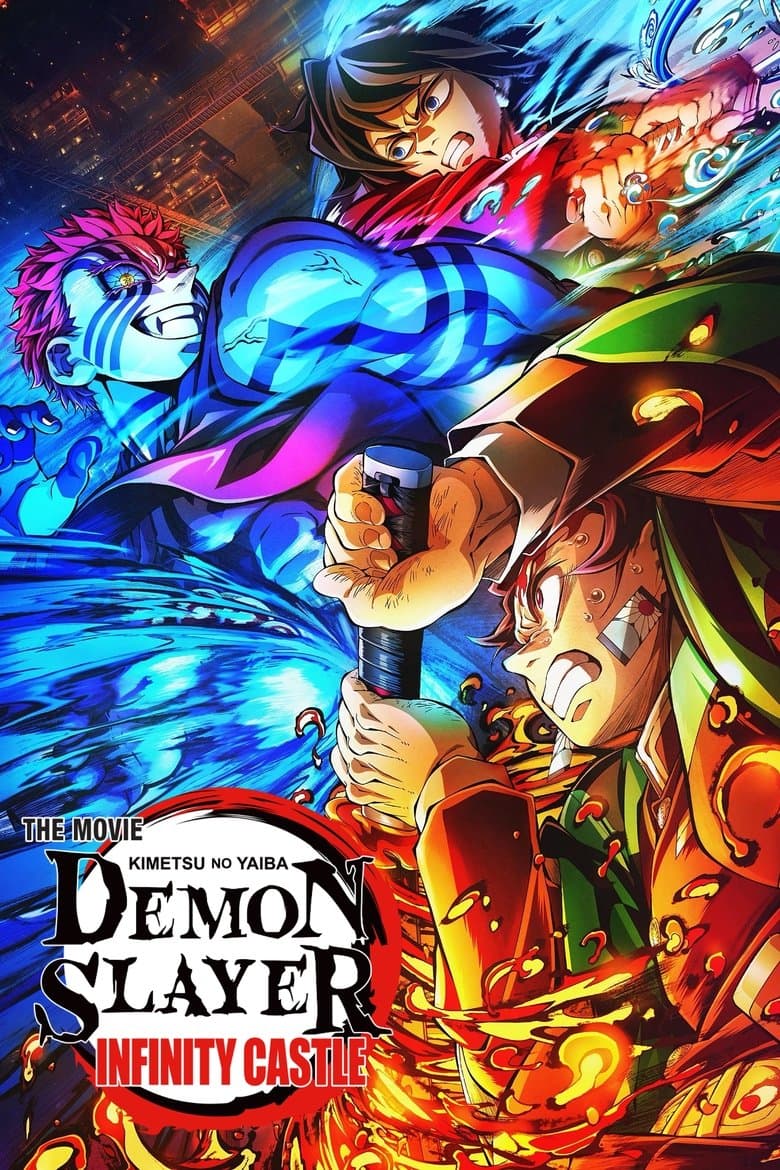
The Demon Slayer Corps are drawn into the Infinity Castle, where Tanjiro, Nezuko, and the Hashira face terrifying Upper Rank demons in a desperate fight as the final battle…

Movie · 2022
A new adventure begins for Luffy and his crew when mysterious pop superstar Uta unveils her identity — and launches a misguided plan for world peace.
Movie · 2021
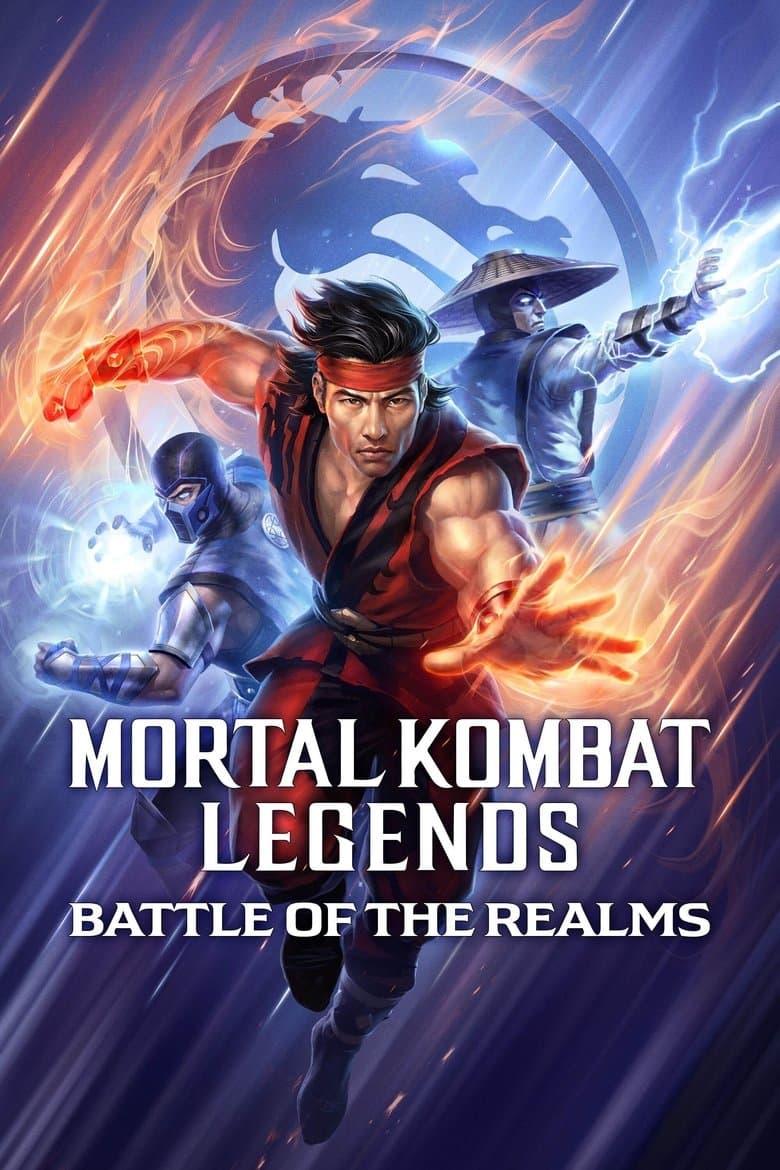
The Earthrealm heroes must journey to the Outworld and fight for the survival of their homeland, invaded by the forces of evil warlord Shao Kahn, in the tournament to end all…
Movie · 2025
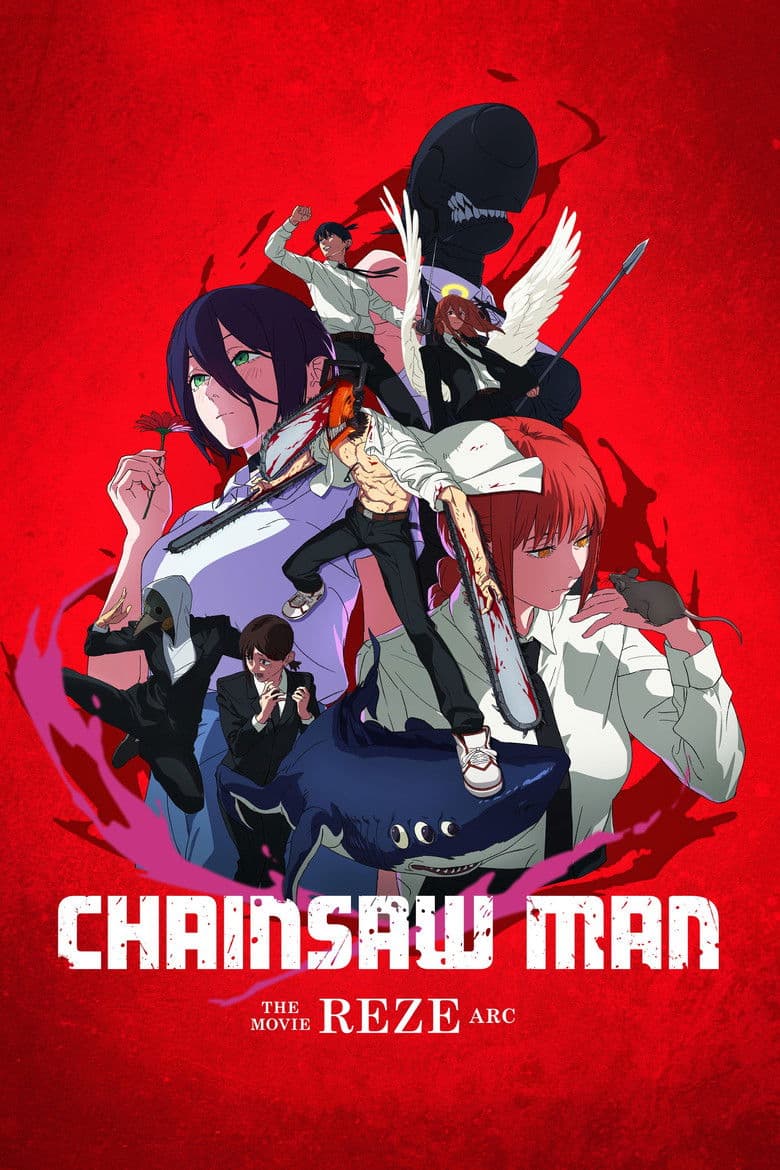
In a brutal war between devils, hunters, and secret enemies, a mysterious girl named Reze has stepped into Denji's world, and he faces his deadliest battle yet, fueled by love in…
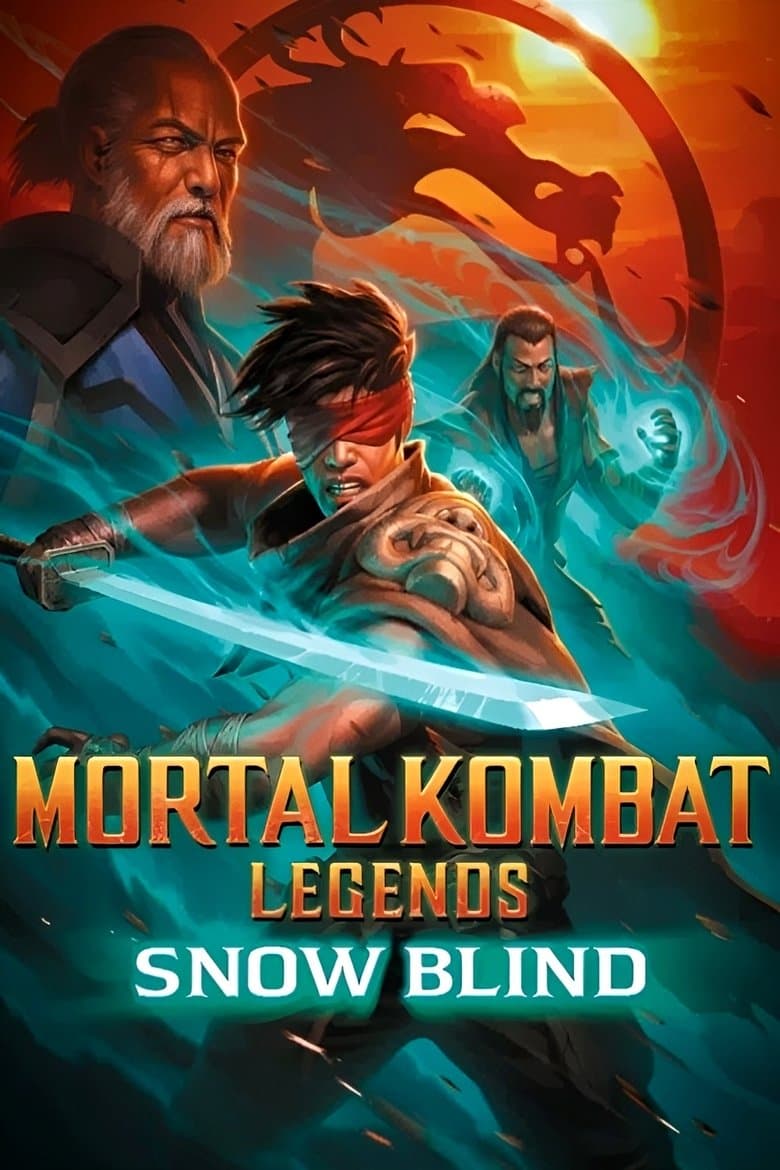
Movie · 2022
The vicious, power-mad Kano is determined to take over Earthrealm, one soul at a time. Assisted by a trio of cold Black Dragon mercenaries, he embarks on a brutal assault from…
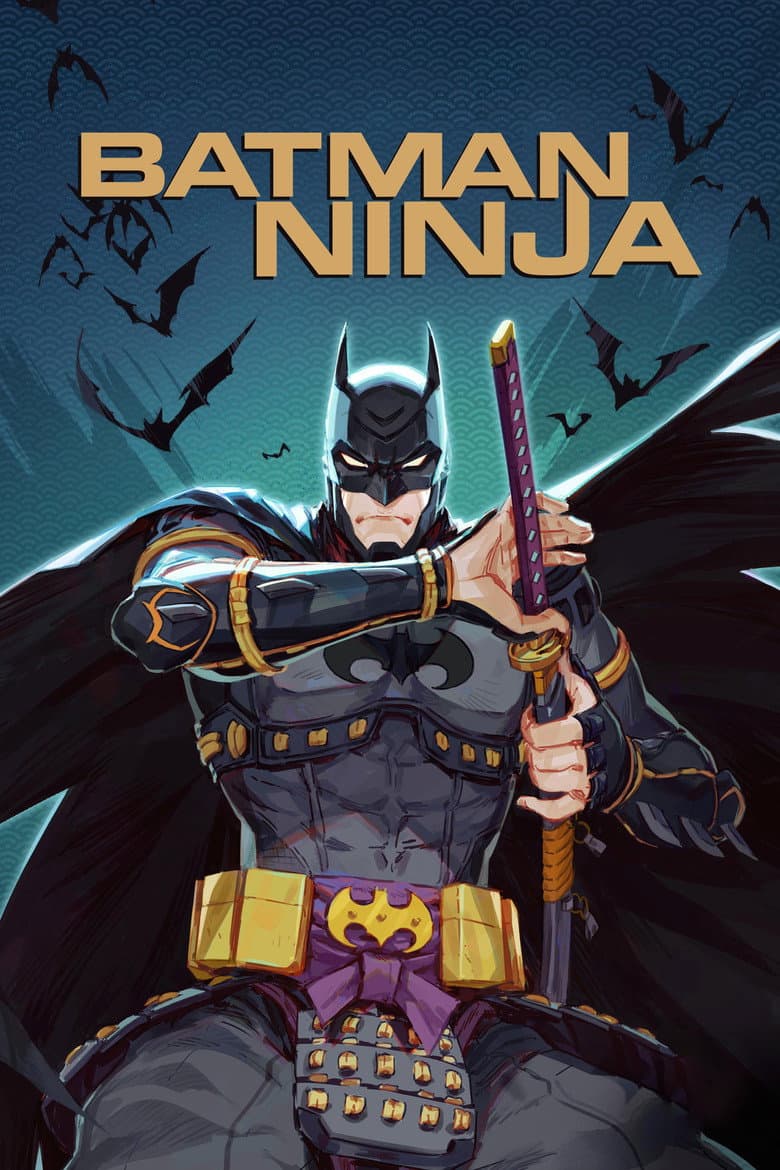
Movie · 2018
Batman, along with many of his allies and adversaries, finds himself transported to feudal Japan by Gorilla Grodd's time displacement machine.
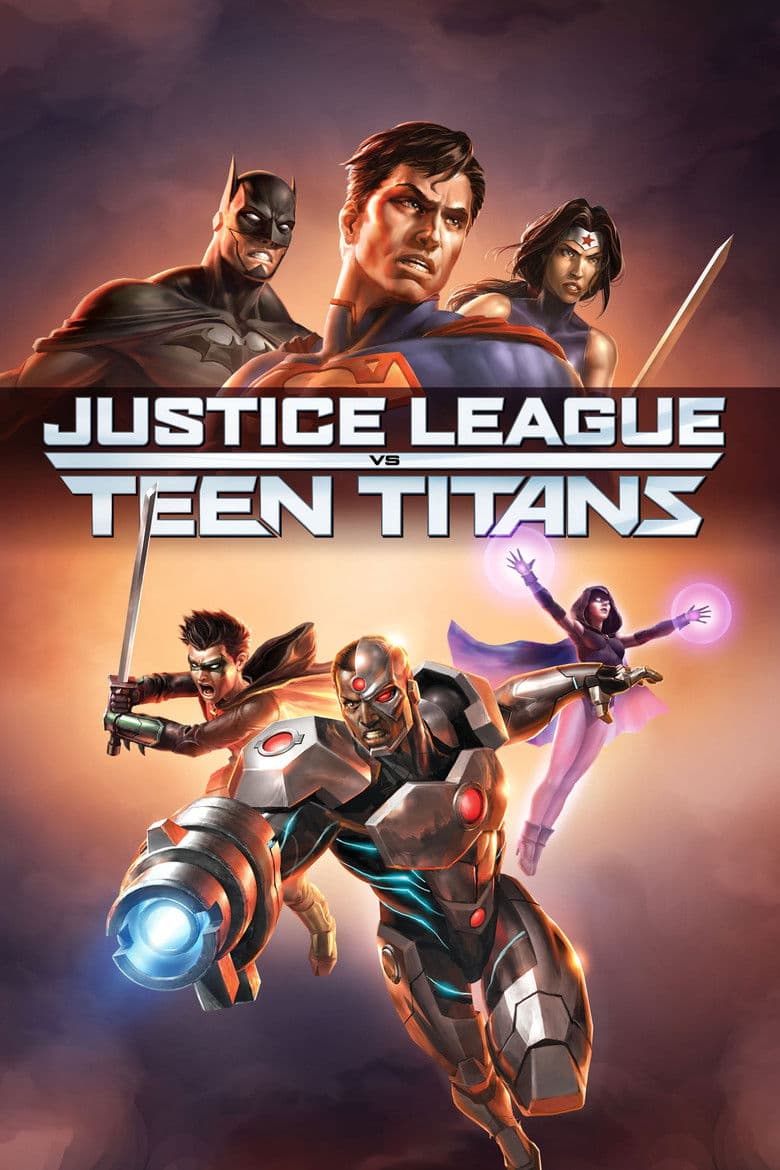
Movie · 2016
Robin is sent by Batman to work with the Teen Titans after his volatile behavior botches up a Justice League mission.
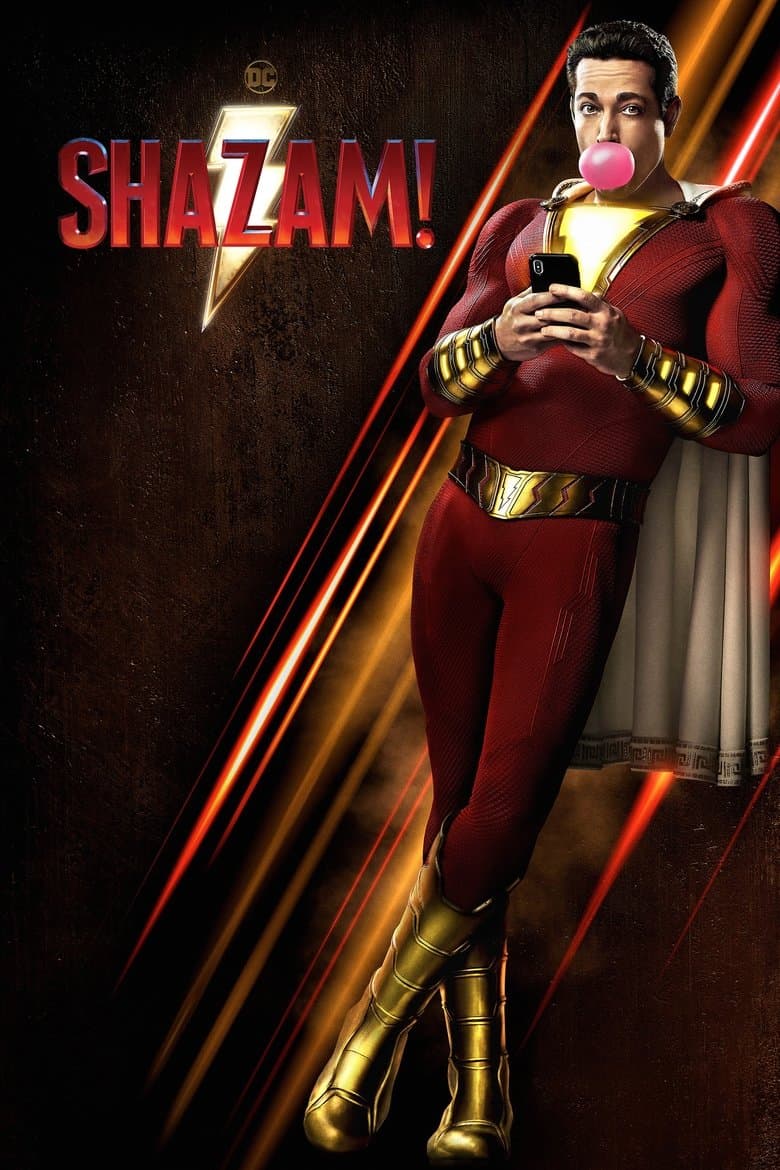
Movie · 2019
A boy is given the ability to become an adult superhero in times of need with a single magic word.
