Movie review
July 18, 2025 · 156 min · R · Japanese · Fantasy · Animation · Action
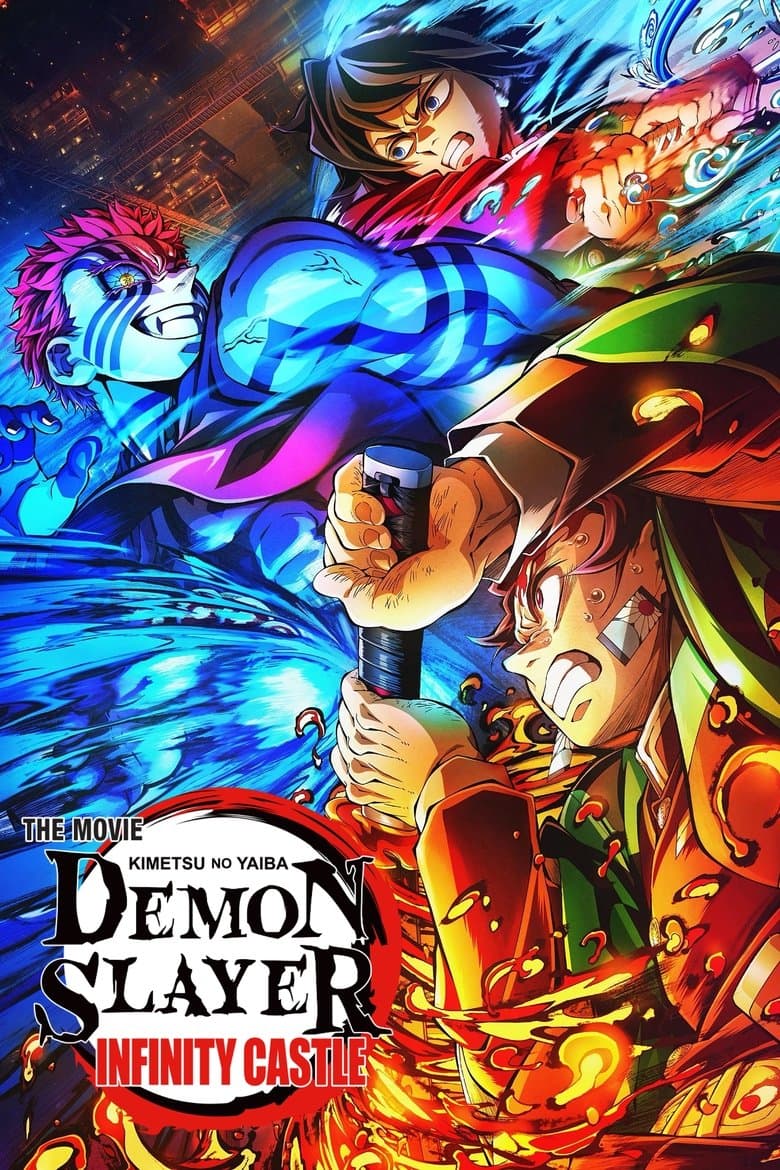
Demon Slayer: Kimetsu no Yaiba Infinity Castle follows Tanjiro Kamado, a kind boy who fights demons after Muzan Kibutsuji kills his family and turns his sister Nezuko into a demon. Muzan draws Tanjiro, Nezuko, Zenitsu, Inosuke, and the Hashira into the Infinity Castle, a shifting fortress where the final battle begins. The fighters split up and face Upper Rank demons who know their fears, memories, and past losses. The film is dark, violent, and emotional, with large sword fights, strange magic, and long flashbacks.
The story gives its biggest battles to Shinobu, Zenitsu, and Tanjiro, and each fight grows from a close family, teacher, or student bond. Shinobu fights Doma because he killed her sister, while Zenitsu faces the former student who betrayed their teacher. Tanjiro and Giyu fight Akaza as Tanjiro remembers his father and the lessons that shaped his kindness. The film treats strength as courage, loyalty, self-control, and sacrifice, while sad human histories explain how some demons lost their humanity.
Community feedback
Was our 0% Woke rating accurate?
Breakdown
These are the editorial factors and ratings behind our score for Demon Slayer: Kimetsu no Yaiba Infinity Castle.
Woke representation / casting
Not present. The film uses Japanese animated characters in a Japanese Taisho-era setting. The women and men are established manga characters whose roles serve the existing story.
0%
Woke political dialogue
Not present. The dialogue centers on demon hunting, family, training, grief, and sacrifice. The film has no modern identity, DEI, or activist speech.
0%
Identity-driven story themes
Not present. Shinobu and Kanao take part in major fights, but the story does not make female power or another identity group its message. The main themes are loyalty, courage, grief, compassion, and personal choice.
0%
Western institutional / cultural critique
Not present. Muzan rules through violence, and the Demon Slayer Corps resists him. The film treats this as a fantasy fight against demons, not as a claim about modern Western institutions, capitalism, family life, or gender roles.
0%
Woke character or canon changes
Not relevant. The film follows the manga’s established Tanjiro, Nezuko, Hashira, and demon characters. It does not change a character’s race, gender, sexuality, or heroic role for a new identity message.
0%
Anti-woke backlash and complaints
Not present. Reported fan complaints focus on long flashbacks, pacing, violence, piracy, and English dub casting. Coverage of Rising Sun merchandise in Korea was about wartime history, not a claim that the film pushes woke or DEI ideas.
0%
Creator track record context
Not present. Cached context describes the listed creators as commercial anime makers without a documented activist or DEI pattern. Their title-related interviews focus on animation, emotion, teamwork, fandom, and Tanjiro’s resolve.
0%
Production
Movie · 2020
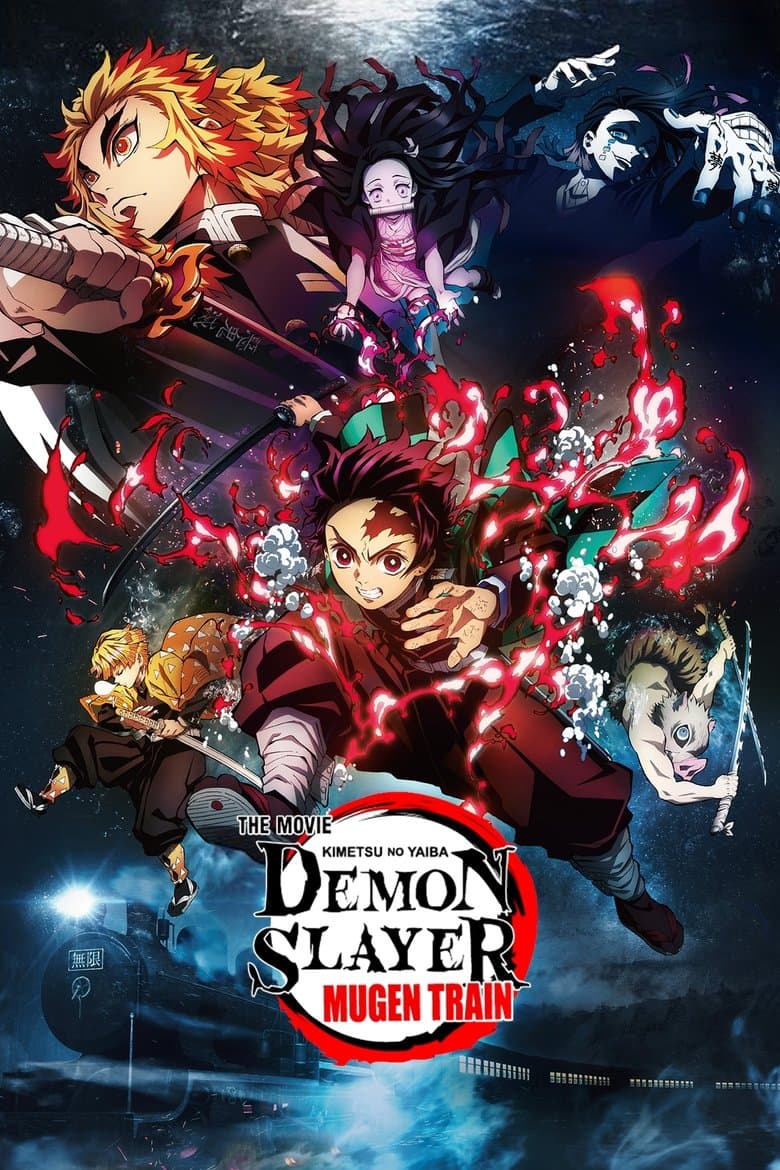
Tanjiro Kamado, joined with Inosuke Hashibira, a boy raised by boars who wears a boar's head, and Zenitsu Agatsuma, a scared boy who reveals his true power when he sleeps, boards…
Movie · 2021
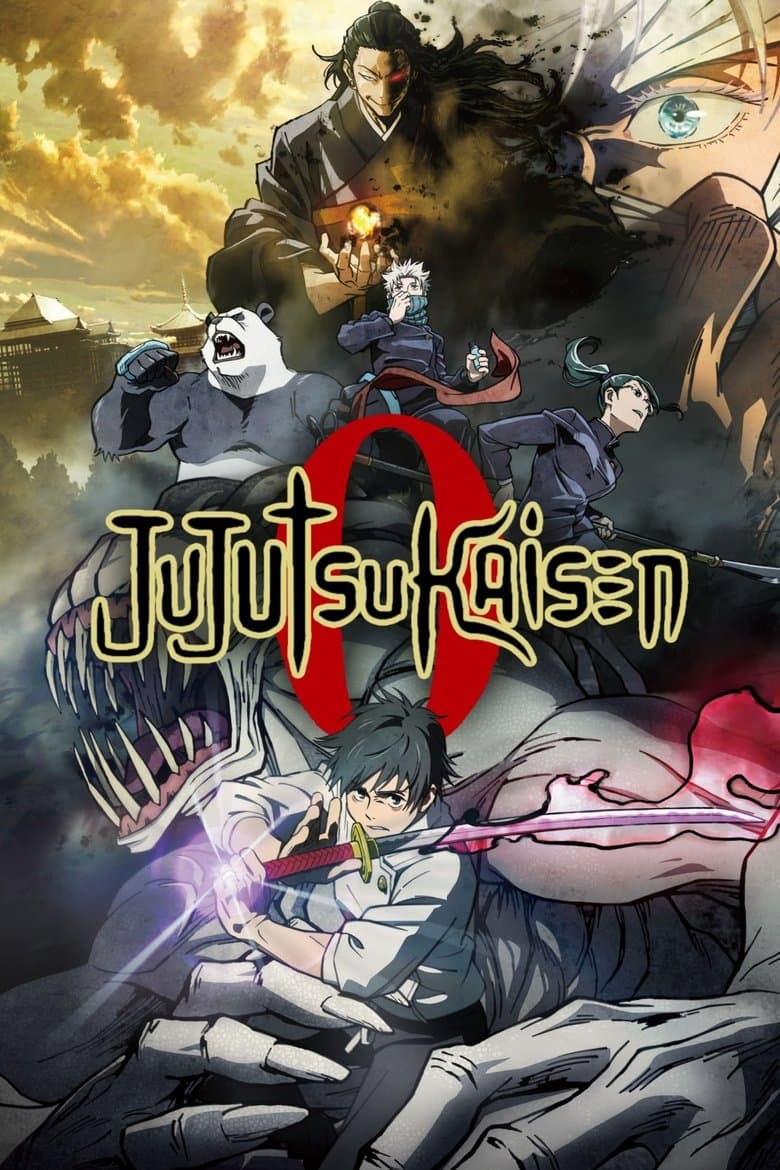
Yuta Okkotsu is a nervous high school student who is suffering from a serious problem—his childhood friend Rika has turned into a curse and won't leave him alone.
Movie · 2020
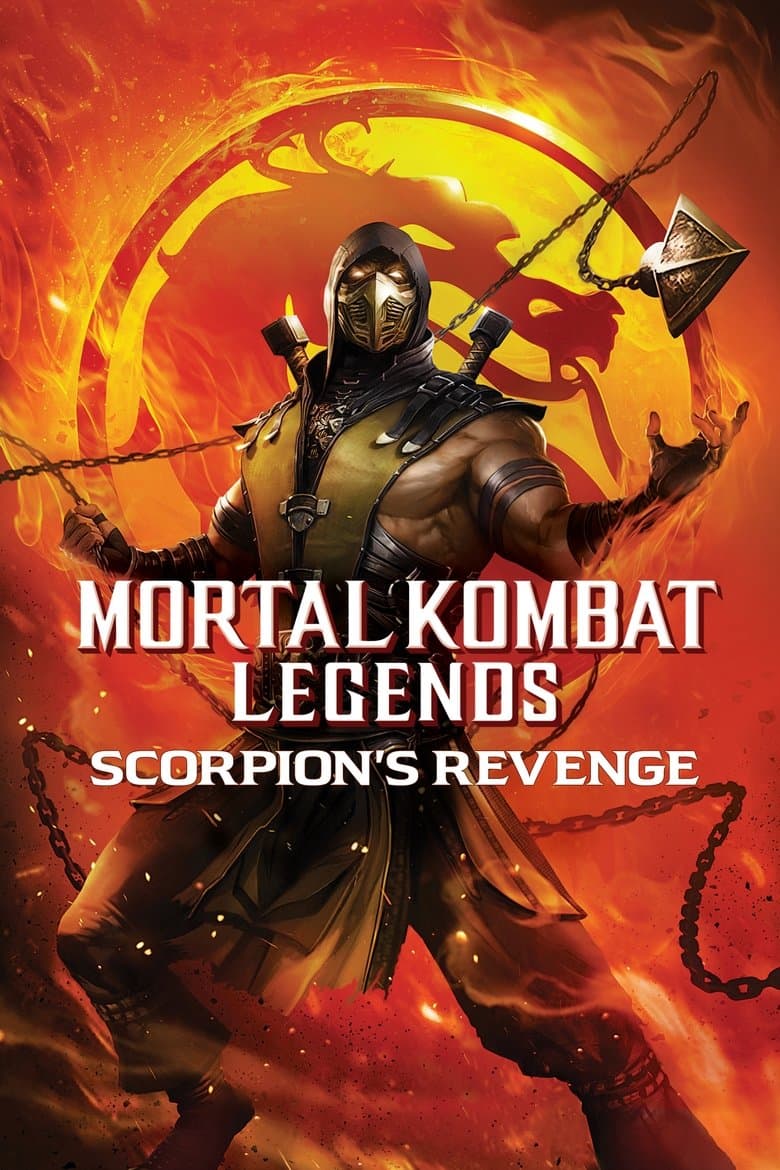
After the vicious slaughter of his family by stone-cold mercenary Sub-Zero, Hanzo Hasashi is exiled to the torturous Netherrealm.
Movie · 2018
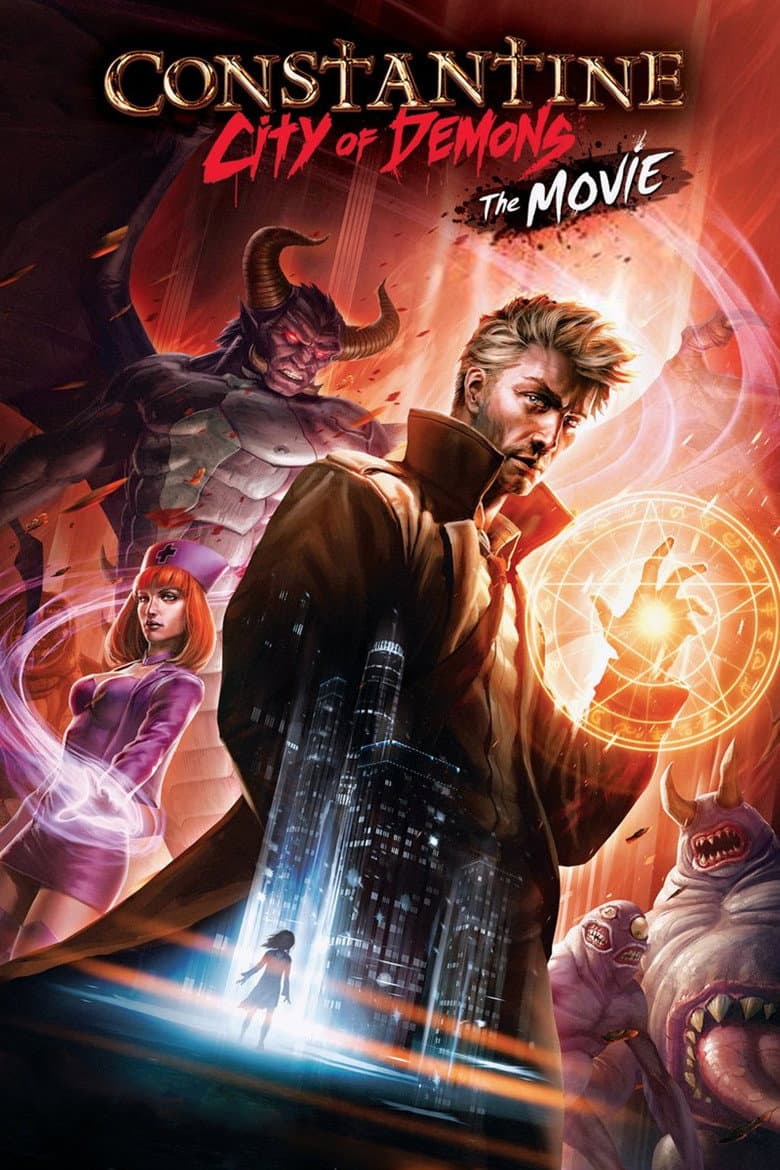
A decade after a tragic mistake, family man Chas Chandler and occult detective John Constantine set out to cure his daughter Trish from a mysterious supernatural coma.
Movie · 2022
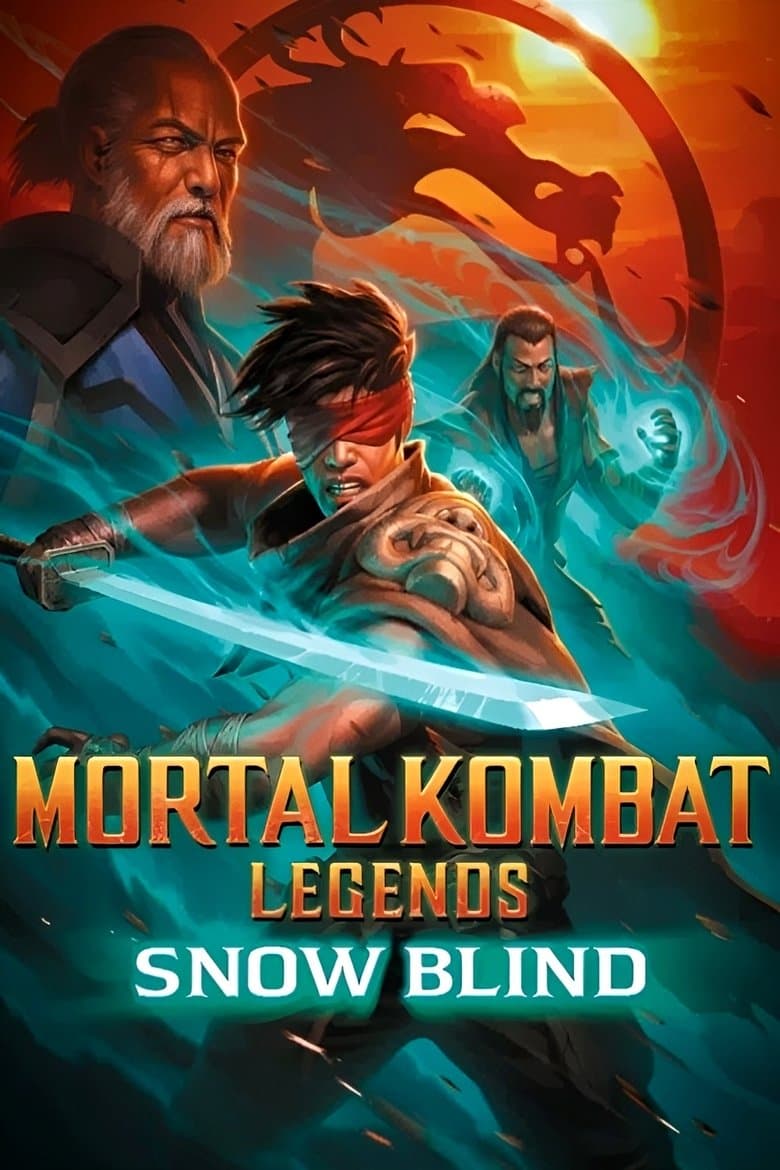
The vicious, power-mad Kano is determined to take over Earthrealm, one soul at a time. Assisted by a trio of cold Black Dragon mercenaries, he embarks on a brutal assault from…

Movie · 2018
Amanda Waller's top-secret "Task Force X" — consisting of Deadshot, Bronze Tiger, Killer Frost, Captain Boomerang, Harley Quinn, and Copperhead — is on a mission to retrieve a…
Movie · 2025
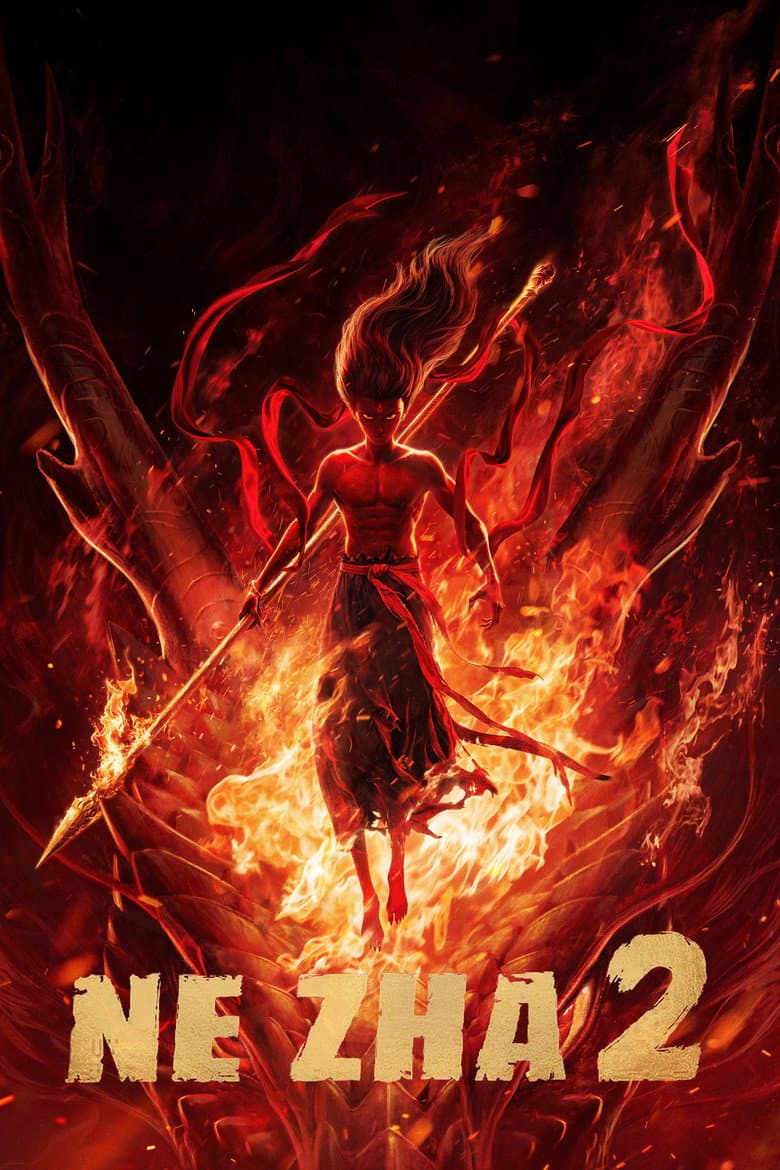
After a catastrophic event leaves their bodies destroyed, Ne Zha and Ao Bing are granted a fragile second chance at life.
Movie · 2025
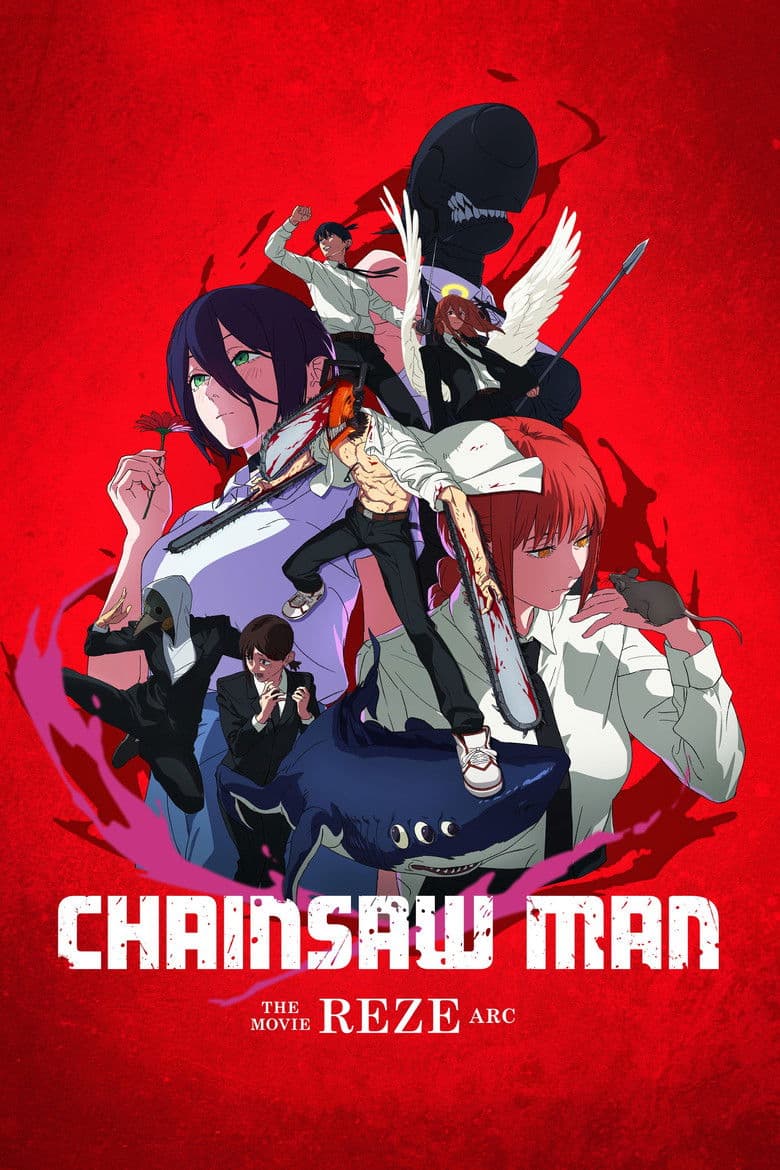
In a brutal war between devils, hunters, and secret enemies, a mysterious girl named Reze has stepped into Denji's world, and he faces his deadliest battle yet, fueled by love in…
