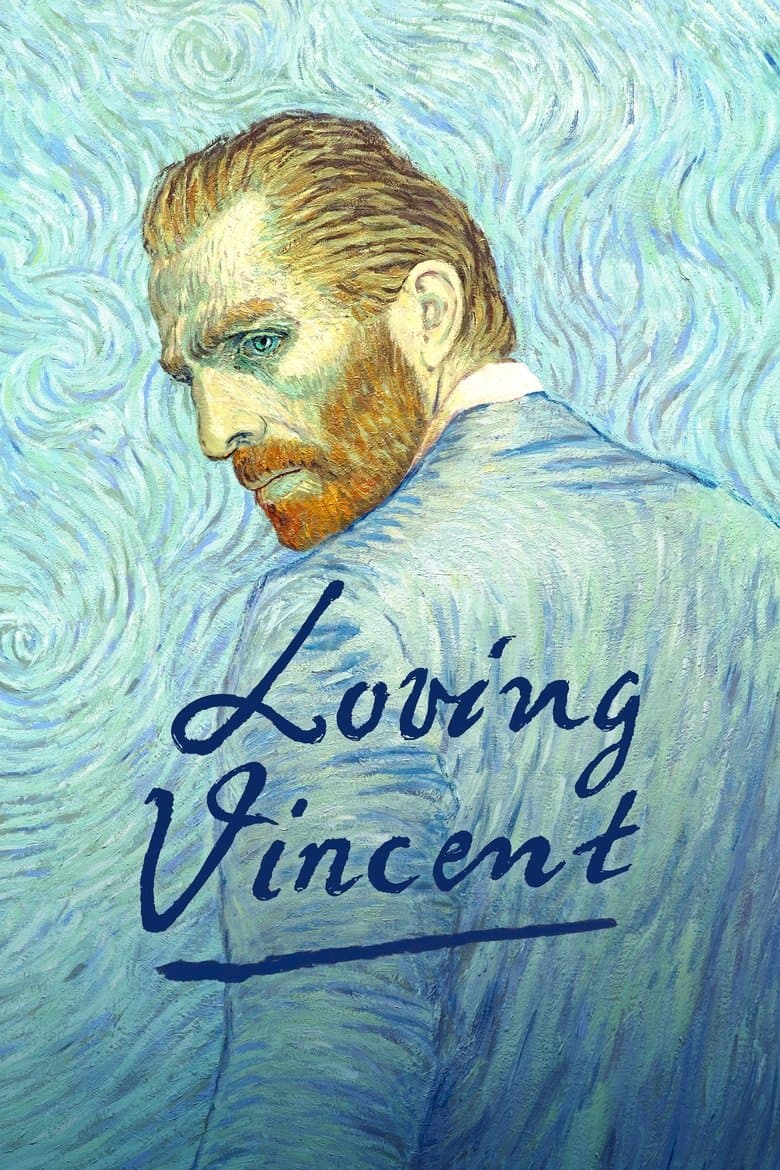
Loving Vincent follows Armand Roulin, a young man who is asked to carry Vincent van Gogh’s last letter to his brother. Armand reaches Paris and learns that Theo has died, so he travels to Auvers to question the people who knew the painter. The story moves through small French towns, homes, fields, and memories of Vincent’s final months. Its mood is sad and quiet, but the moving oil paintings give the film a strong sense of wonder.
The film’s visible choices are tied to its time and place and to real people. The cast presents white European figures shown in Van Gogh’s portraits and letters, without a modern diversity pattern or identity message. The plot centers on art, family ties, depression, loneliness, and the mystery of Vincent’s death. The film does not turn these subjects into modern political lessons about race, gender, sexuality, or Western institutions.
Community feedback
Was our 2% Woke rating accurate?
Breakdown
These are the editorial factors and ratings behind our score for Loving Vincent.
Woke representation / casting
Not present. The cast uses white European actors to portray real 19th-century French and Dutch people from Van Gogh’s paintings and letters, with no visible identity signaling, quota casting, or story mismatches.
0%
Woke political dialogue
Not present. All dialogue stays in the 1890s world of art, family, mental health, and local gossip about the painter’s death; no modern activist lines or lectures.
0%
Identity-driven story themes
Not present. Themes stay on creativity’s cost, mental illness, loyalty, and historical truth-seeking; nothing centers race, gender identity, sexuality, or systemic oppression.
0%
Western institutional / cultural critique
Not present. The film shows 19th-century rural life and personal struggles without reframing them as critiques of patriarchy, capitalism, whiteness, or Western traditions.
0%
Woke character or canon changes
Not relevant. The story uses documented history and Van Gogh’s own paintings and letters with no identity-driven swaps or reinterpretations.
0%
Anti-woke backlash and complaints
Not present. No right-leaning or anti-woke complaints exist; the film drew no accusations of pushing DEI or identity politics.
0%
Creator track record context
Co-writer Jacek Dehnel has publicly supported LGBT rights and criticized conservative Polish policies. That record gives the project a small creator-context signal. Director interviews about this film focus on Van Gogh, depression, mental health, and the painting process. The film does not bring Dehnel’s LGBT politics into its story.
10%
Production
Movie · 2024
Popular, outgoing Fujino is celebrated by her classmates for her funny comics in the class newspaper. One day, her teacher asks her to share the space with Kyomoto, a truant…
Movie · 2024
In 1985, the murder of a government-sponsored superhero draws his outlawed colleagues out of retirement and into a mystery that threatens to upend their personal lives and the…
Movie · 2019
The summer of his high school freshman year, Hodaka runs away from his remote island home to Tokyo, and quickly finds himself pushed to his financial and personal limits.

Movie · 2016
As Batman hunts for the escaped Joker, the Clown Prince of Crime attacks the Gordon family to prove a diabolical point mirroring his own fall into madness.
Movie · 2019
When a hulking monster arrives on Earth and begins a mindless rampage, the Justice League is quickly called in to stop it.
Movie · 2023
After it's discovered that a teacher at South Park Elementary has an OnlyFans page, Randy is compelled to take a closer look at the seedy underbelly of the world of online…
Movie · 2016
After being brutally murdered in a subway station, a teen boy awakens to find himself resurrected by a strange computer named Gantz, and forced to fight a large force of invading…

Movie · 2025
The Demon Slayer Corps are drawn into the Infinity Castle, where Tanjiro, Nezuko, and the Hashira face terrifying Upper Rank demons in a desperate fight as the final battle…
