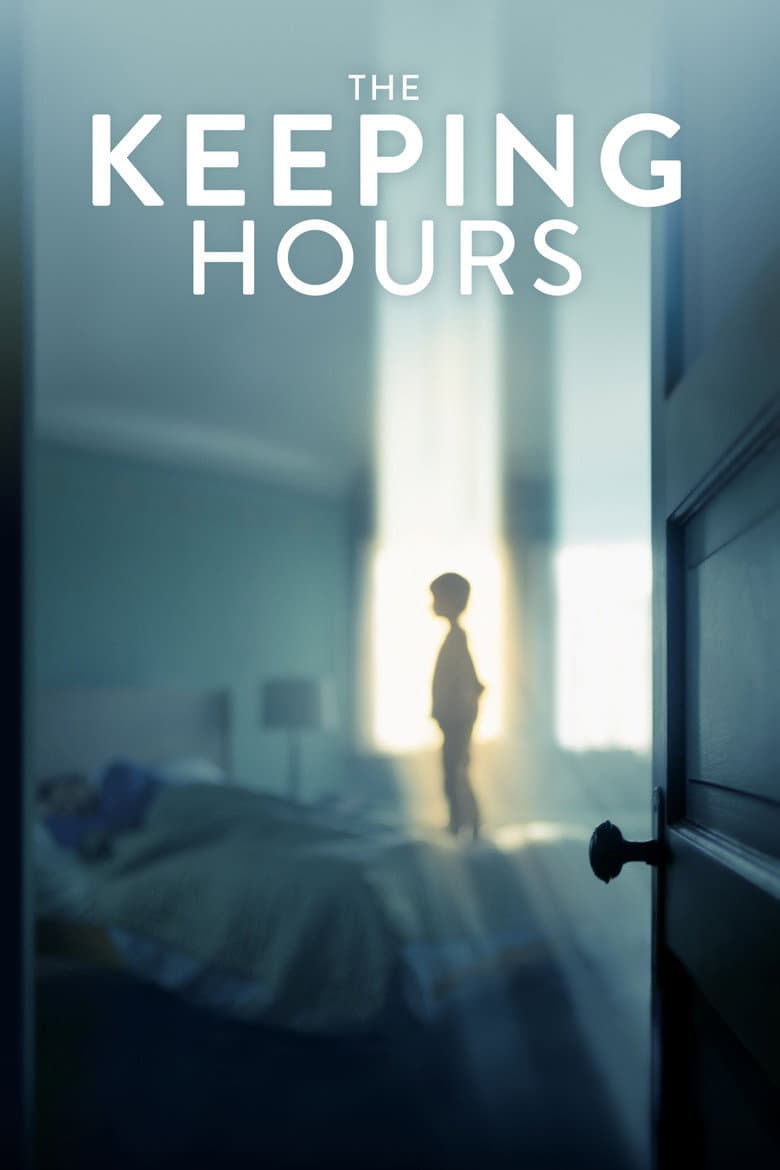
Mark Bennett is a successful lawyer who still lives with the pain of losing his young son, Jacob. Years after the crash, Mark returns to the old family house after renters damage it. He sees Jacob's ghost and calls Elizabeth, his former wife, who has remarried and built a new life with her husband and stepdaughters. The quiet supernatural drama follows the broken parents as they face grief, guilt, love, and a final goodbye.
Jacob's return gives Mark and Elizabeth a short chance to act like a family again. The boy wants his parents to forgive each other and learn why he has come back. The story also shows how Mark hides his pain through drinking while Elizabeth hides hers behind a book about healing. Their reunion brings back love, but it also reveals Elizabeth's serious illness and leads both parents toward acceptance.
Community feedback
Was our 5% Woke rating accurate?
Breakdown
These are the editorial factors and ratings behind our score for The Keeping Hours.
Woke representation / casting
Not present. The main couple are white, and supporting characters include people from different backgrounds without identity-focused roles or speeches. The film does not make casting part of its story or marketing.
0%
Woke political dialogue
Not present. The dialogue concerns marriage, grief, divorce, parenthood, work, and illness. It contains no modern identity, DEI, or activist message.
0%
Identity-driven story themes
Not present. The story centers on forgiveness after the loss of a child. The character arcs are not built around race, sexuality, gender politics, or group power.
0%
Western institutional / cultural critique
Not present. The conflict comes from death, guilt, divorce, depression, and cancer. The film does not present family life, men, Christianity, or Western institutions as oppressive.
0%
Woke character or canon changes
Not relevant. The film is an original supernatural story about a divorced couple and their dead son. It does not adapt known characters or real historical events.
0%
Anti-woke backlash and complaints
Not present. The separate X pass found no anti-woke reaction or complaints. News, reviews, and public discussions focused on grief, pacing, and the film's quiet supernatural tone.
0%
Creator track record context
Karen Moncrieff's past films often center on women facing abuse, trauma, and the struggle to regain control. That creates a moderate identity-driven pattern around the director. Rebecca Sonnenshine and Jason Blum have some social or political context, but it is not the main focus of their work. John Miranda and Terri Taylor have little public activist context, so the overall creator signal stays low to moderate.
25%
Production
Movie · 2016
An orphaned child's dreams—and nightmares—manifest physically as he sleeps.
Movie · 2023
On the day of his scheduled execution, a convicted serial killer gets a psychiatric evaluation during which he claims he is a demon, and further claims that before their time is…

Movie · 2016
Lucinda Price is sent to a reform academy under the assumption that she has killed a boy. There, she meets two mysterious boys, Cam and Daniel, to whom she feels drawn to both.
Movie · 2016
A young, lonely woman is consumed by her deepest and darkest desires after tragedy strikes her quiet country life.

Movie · 2019
On the outskirts of a kingdom, a quiet but fierce medieval warrior protects the realm from monsters and the occult.
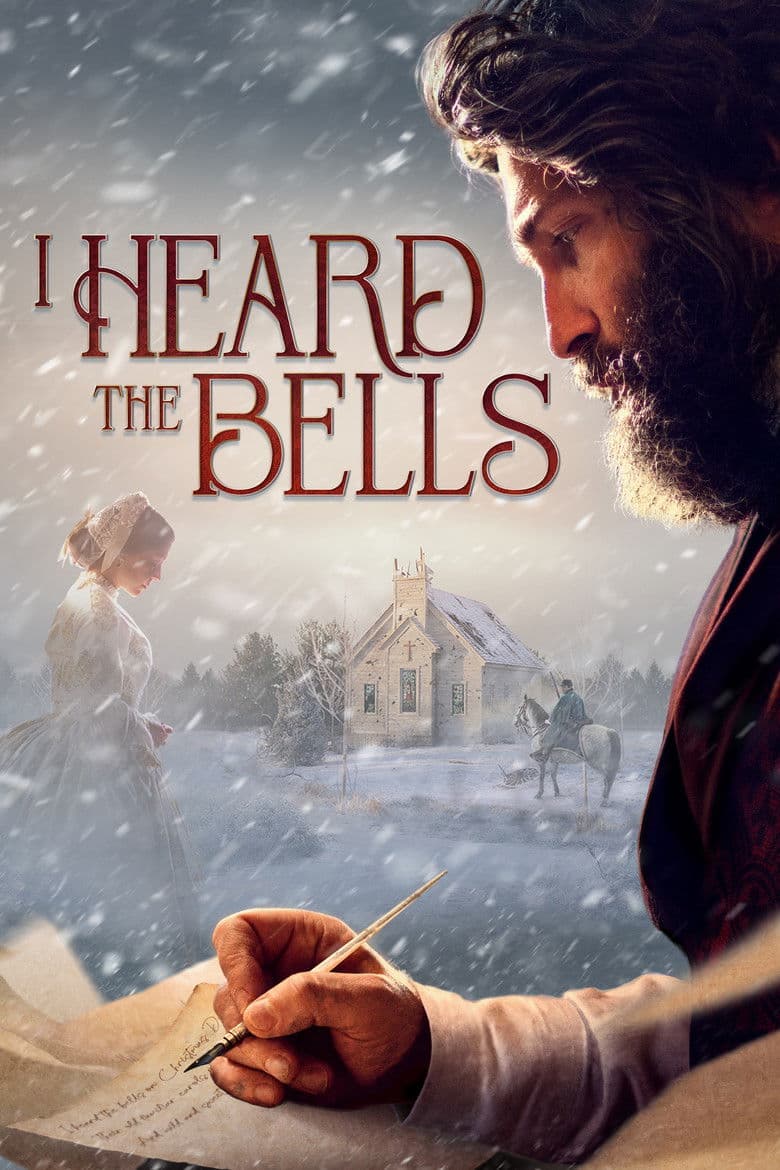
Movie · 2022
Known as America’s Poet, Henry Wadsworth Longfellow leads an idyllic life – until the day his world is shattered by tragedy.
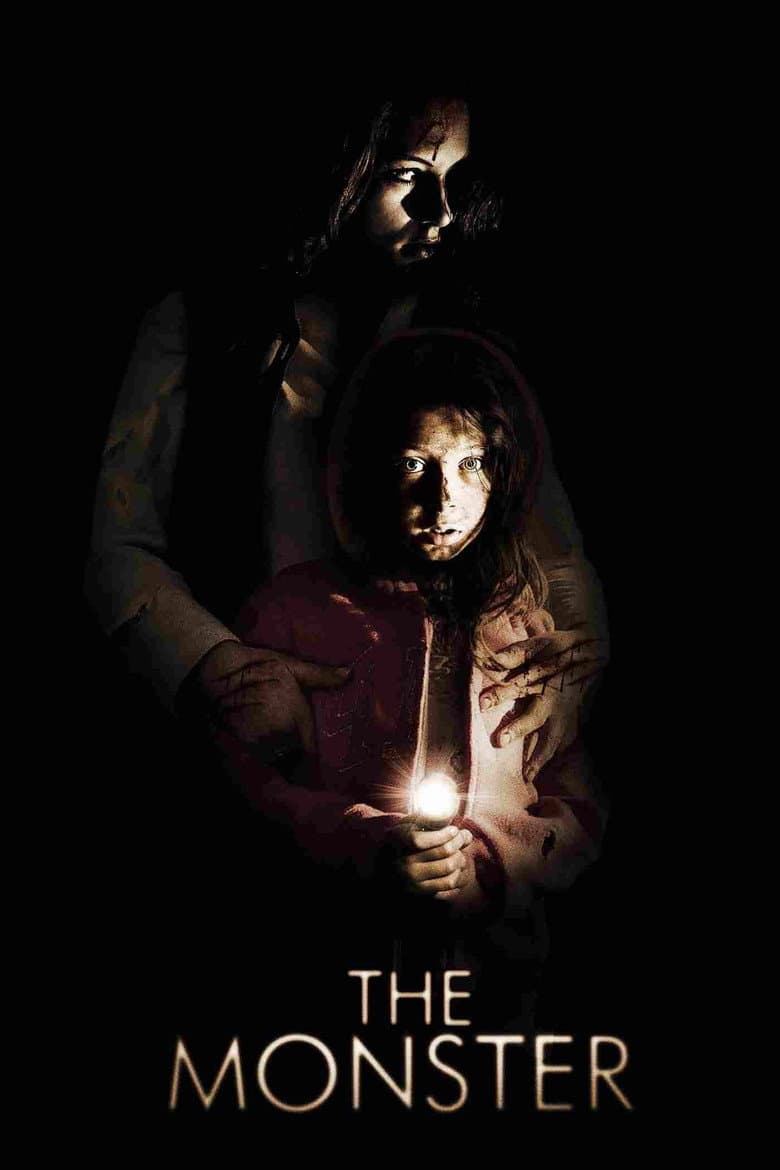
Movie · 2016
A mother and her 10-year old daughter are trapped in a forest. There is something in this forest. Something unlike anything they have heard before.
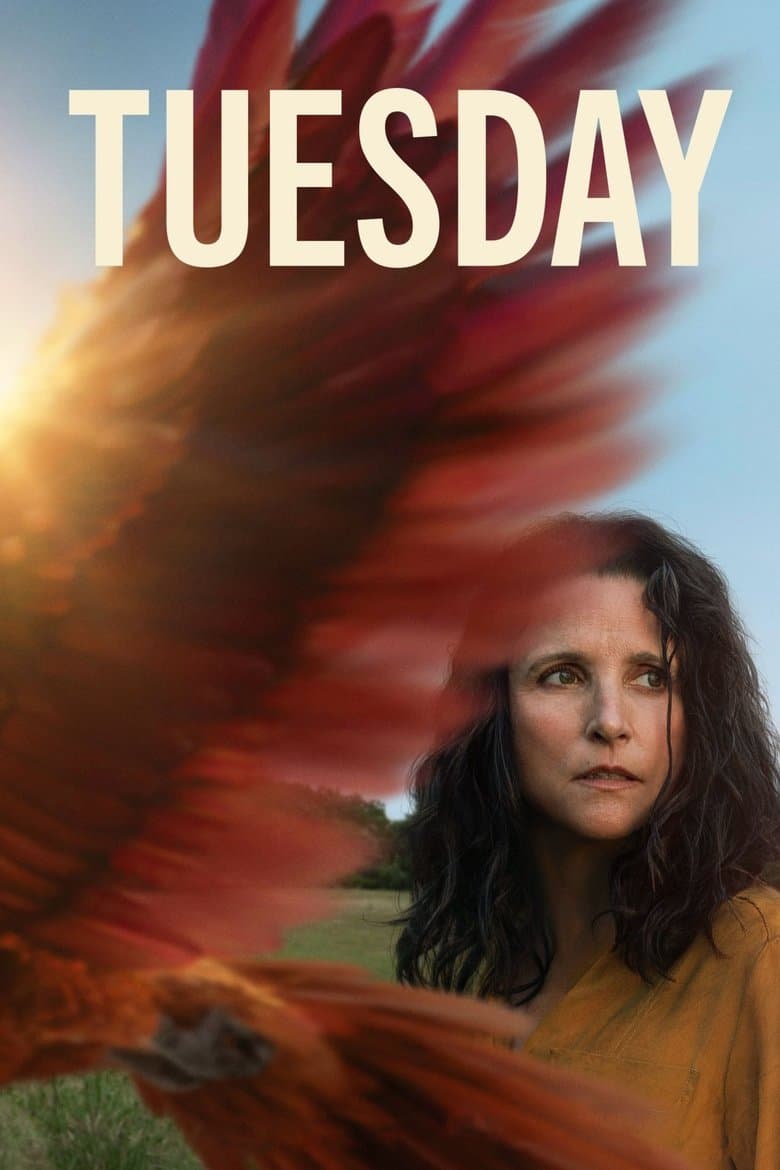
Movie · 2024
A mother and her teenage daughter must confront Death when it arrives in the form of an astonishing talking bird.
