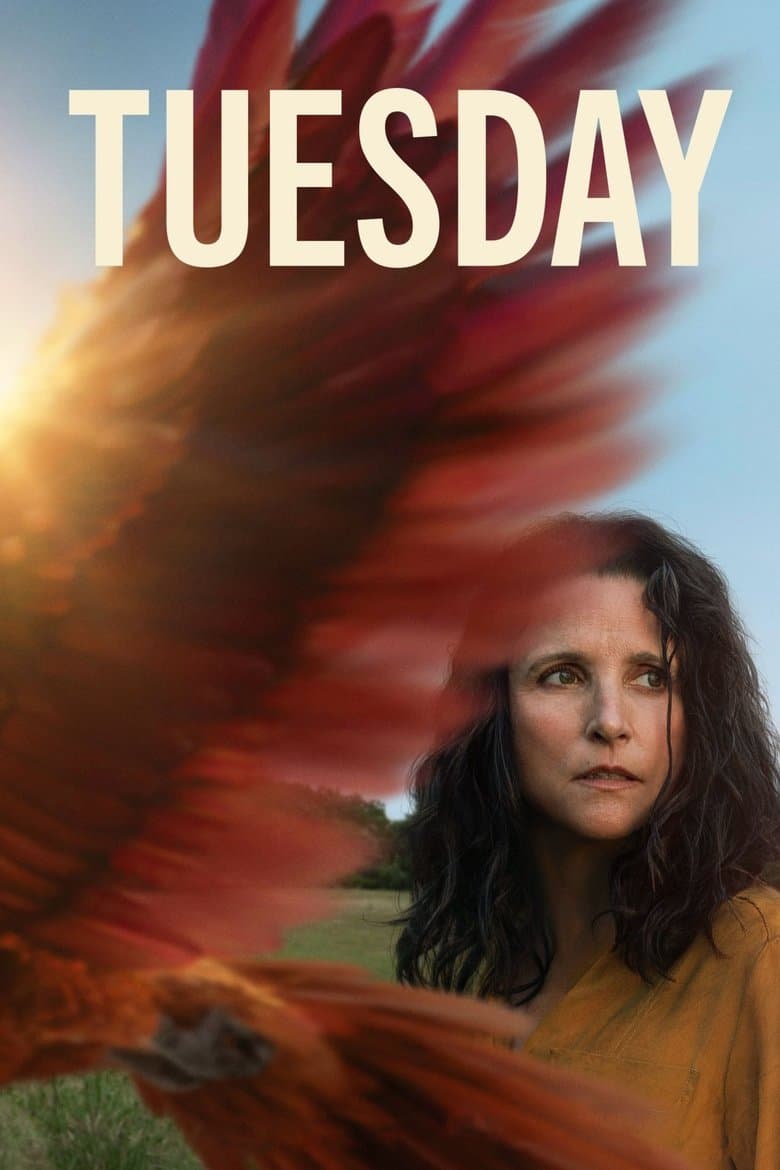
Zora is a single mother in a London suburb who is trying to care for Tuesday, her teenage daughter with a fatal illness. Tuesday uses a wheelchair, needs oxygen and home care, and passes time with jokes and rap music. Zora hides from the pain, skips care duties, and sells household items because money is tight. Death then arrives as a dirty talking macaw that can change size and give the mother and daughter a hard chance to say goodbye.
The film stays close to grief, fear, and the difficult love between a parent and a child. Tuesday is readier to face death than Zora, and their painful talks drive the story. Zora makes selfish choices and often fails her daughter, so the story does not treat its female lead as always right. Tuesday's illness and need for care are important, but the film uses them for a family tragedy and a strange tale about accepting death.
Community feedback
Was our 10% Woke rating accurate?
Breakdown
These are the editorial factors and ratings behind our score for Tuesday.
Woke representation / casting
Not present. Tuesday's illness and wheelchair needs are part of her medical story. The main women are a mother and her daughter, so the roles fit the family plot. The modern London cast does not show an identity message in the story.
0%
Woke political dialogue
Not present. The dialogue focuses on death, grief, money worries, and family pain. It does not push identity, election, or activist politics.
0%
Identity-driven story themes
Not present. The story centers on a dying girl and her mother's fear of losing her. It does not make race, gender identity, or sexuality a stated theme.
0%
Western institutional / cultural critique
Death makes a brief insulting joke about Jesus while talking with Tuesday. The story imagines Death as a talking bird instead of using a Christian view of death. The larger plot follows a mother and daughter facing loss, not a wider attack on Christianity or family life.
8%
Woke character or canon changes
Not present in this title.
0%
Anti-woke backlash and complaints
Not present. No clear anti-woke or left-wing complaint about the movie's content appeared in broad coverage or sampled viewer discussion.
0%
Creator track record context
Writer-director Daina Oniunas-Pusić has stored context about female stories and progressive film work. Producer Eva Yates has stored context about funding people often left out of UK film work. Producer Philipp Engelhorn has stored context about using film for social change. The film's grief story does not clearly match the stronger creator backgrounds.
28%
Production
Movie · 2022
Known as America’s Poet, Henry Wadsworth Longfellow leads an idyllic life – until the day his world is shattered by tragedy.
Movie · 2021
An Icelandic couple live with their herd of sheep on a beautiful but remote farm. When they discover a mysterious newborn on their land, they decide to keep it and raise it as…
Movie · 2017
A supernatural love story that centers on two parents whose life together falls apart after their son dies. The man, now a successful lawyer, and the woman, now married and an…
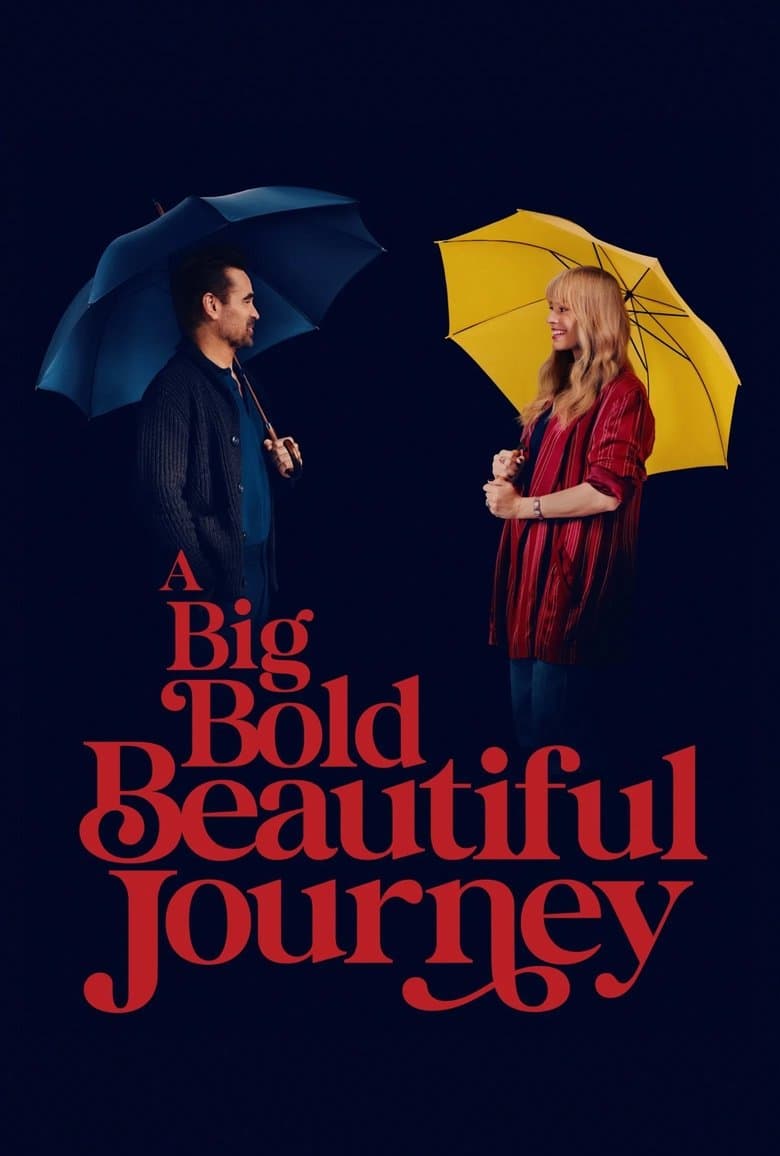
Movie · 2025
Sarah and David are single strangers who meet at a mutual friend’s wedding and soon, through a surprising twist of fate, find themselves on a funny, fantastical, sweeping…

Movie · 2025
The Demon Slayer Corps are drawn into the Infinity Castle, where Tanjiro, Nezuko, and the Hashira face terrifying Upper Rank demons in a desperate fight as the final battle…
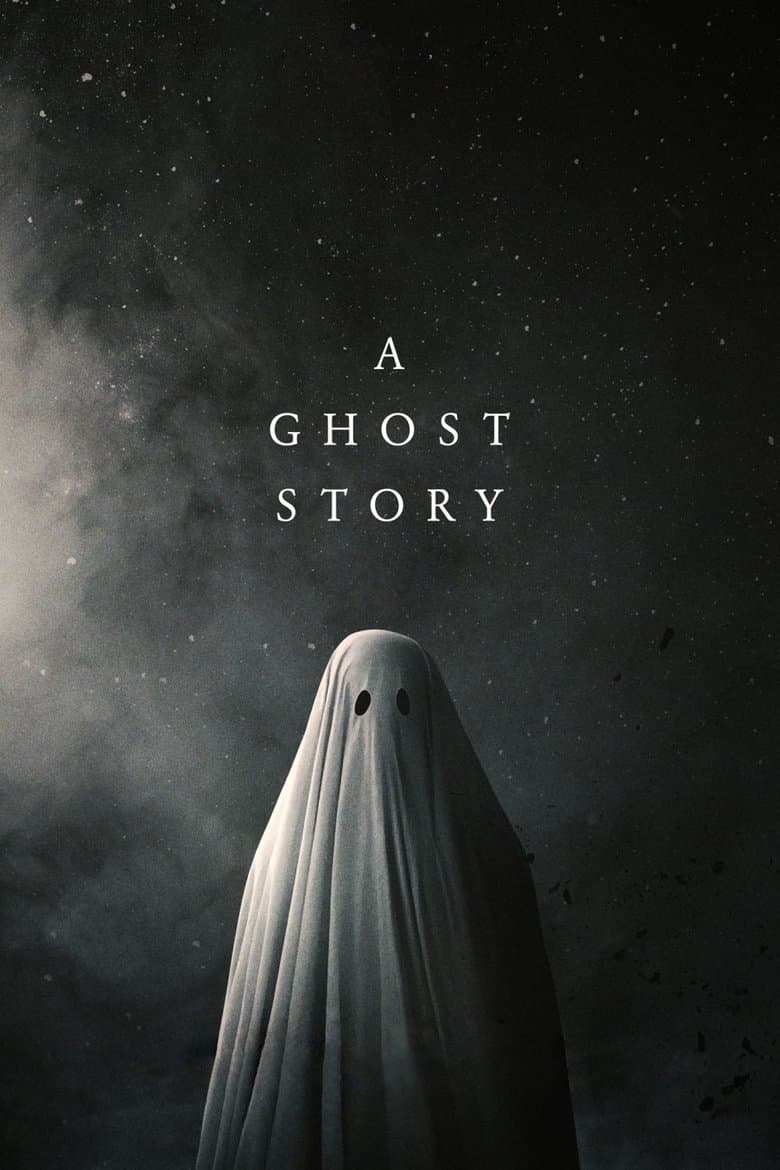
Movie · 2017
Recently deceased, a white-sheeted ghost returns to his suburban home to console his bereft wife, only to find that in his spectral state he has become unstuck in time, forced to…
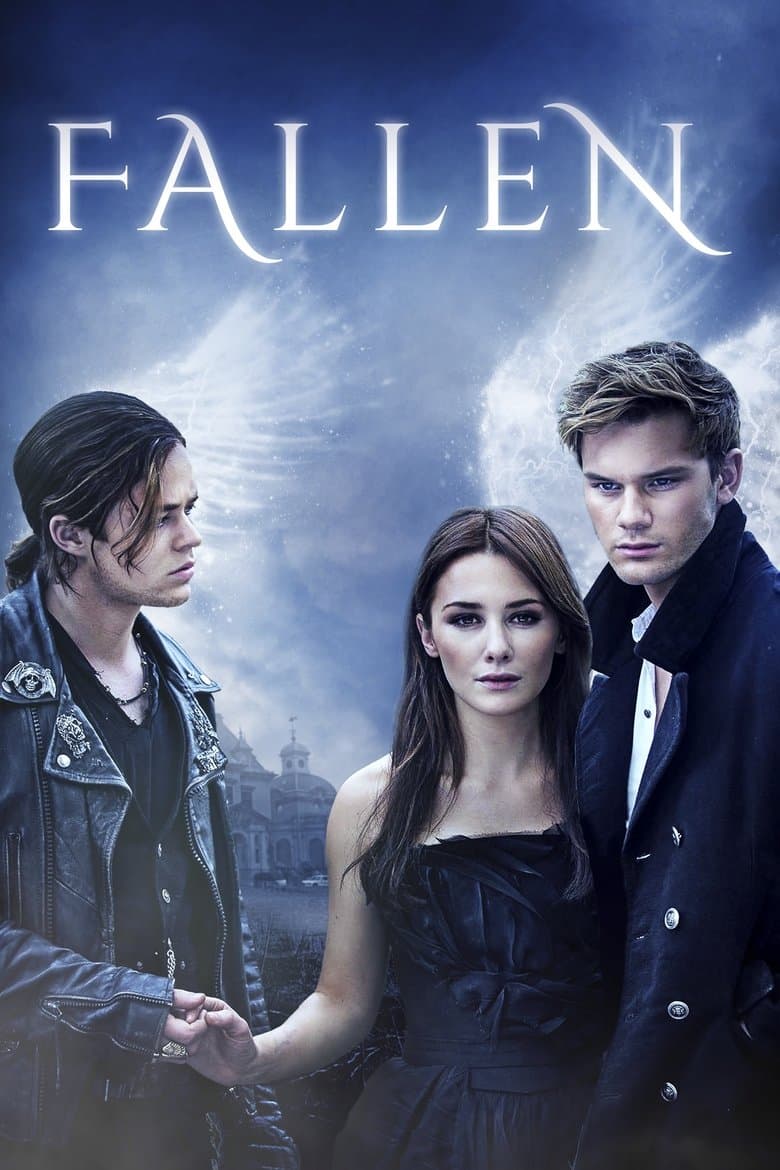
Movie · 2016
Lucinda Price is sent to a reform academy under the assumption that she has killed a boy. There, she meets two mysterious boys, Cam and Daniel, to whom she feels drawn to both.
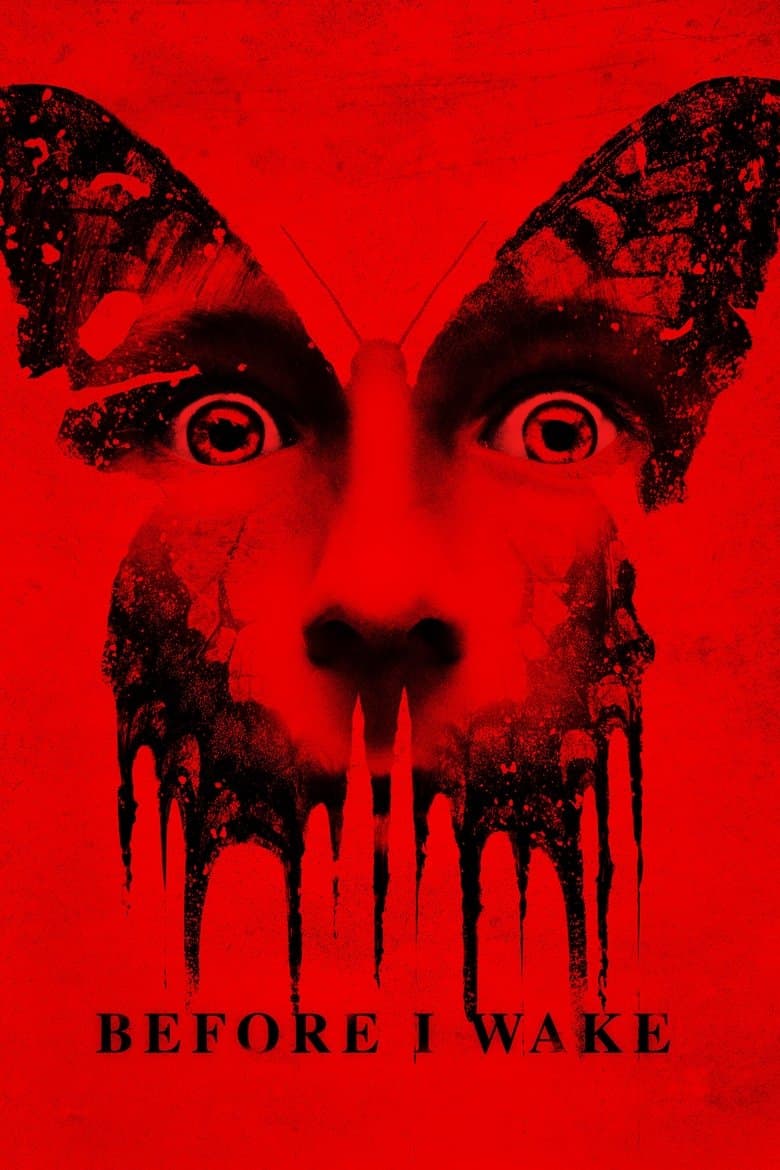
Movie · 2016
An orphaned child's dreams—and nightmares—manifest physically as he sleeps.
