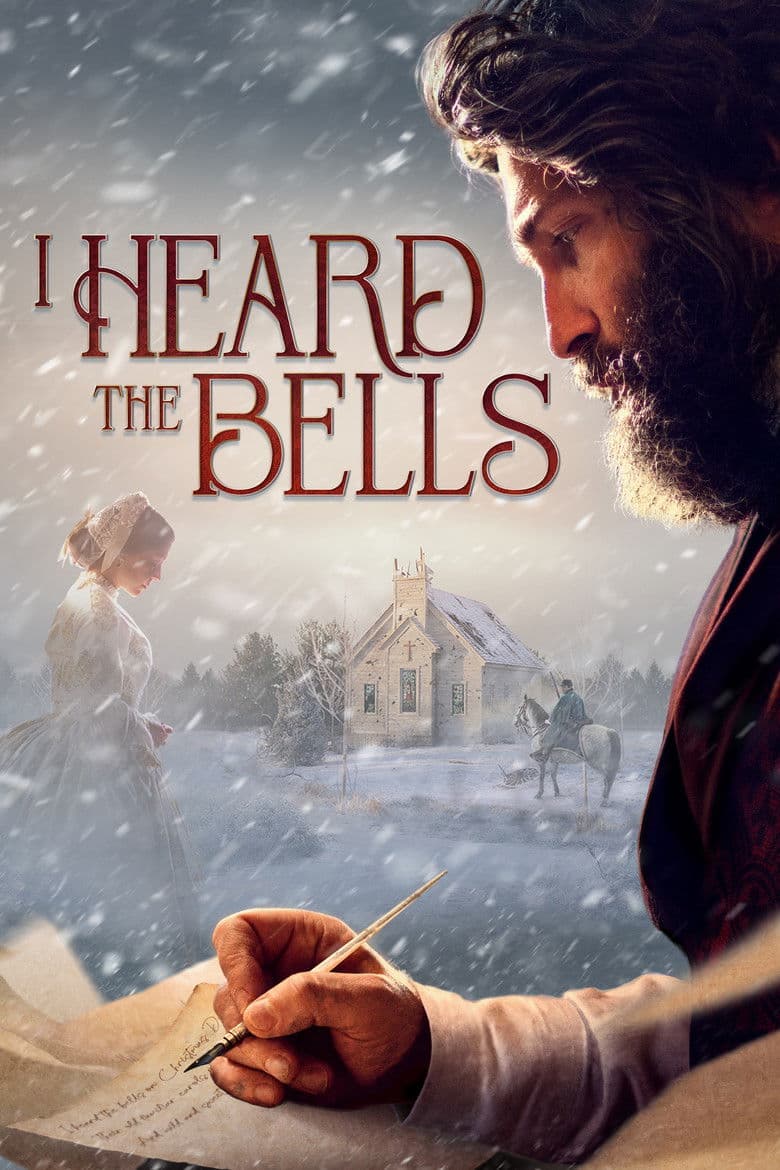
Henry Wadsworth Longfellow is a famous poet living a happy family life in 1860s America. War and a terrible fire break his home and his heart. He stops writing and nearly loses his faith. On Christmas, hope returns and he writes the poem that became the carol “I Heard the Bells on Christmas Day.” The tone is sad, warm, and faith-filled.
The movie is about grief, family, and finding God again. Its big beats are Fanny’s death, Charley going to war, and Henry’s faith coming back when he writes the poem. Period anti-slavery history shows up because Longfellow really wrote against slavery, including a dinner scene where his poems are praised. That fits the real 1860s story, not a modern identity campaign. Marketing and reviews frame it as a Christian Christmas hope story from Sight & Sound. A normal viewer would see faith, family, and Christmas, not woke politics.
Community feedback
Was our 1% Woke rating accurate?
Breakdown
These are the editorial factors and ratings behind our score for I Heard the Bells.
Woke representation / casting
Main roles match a 1860s New England poet’s family. A former slave appears in a short dinner scene tied to Longfellow’s real anti-slavery poems. That is story-based history, not modern quota-style casting in lead roles.
0%
Woke political dialogue
Talk is about faith, grief, Christmas, and period Union/abolition life. Lines favor hope in God and poetry over politics. No modern identity or social-justice slogans stand out.
0%
Identity-driven story themes
The spine is family loss and rekindled Christian faith during the Civil War. Anti-slavery bits reflect Longfellow’s real record and era, not a present-day identity politics lesson.
2%
Western institutional / cultural critique
The film lifts up faith, marriage, family, and Christmas hope. It ends affirming God and Christ, not attacking churches, traditional family, or Western life.
0%
Woke character or canon changes
Not relevant. It is a faith biopic of real people and events. No clear identity-driven rewrite of Longfellow, his family, or history was reported.
0%
Anti-woke backlash and complaints
No clear anti-woke or right-leaning campaign calling this movie woke, DEI, or identity propaganda. Public talk is mostly faith-audience praise.
0%
Creator track record context
Key creatives are faith-based Sight & Sound figures with cached scores of 0. Their public work is Christian storytelling, not identity or DEI activism.
0%
Production
Movie · 2024
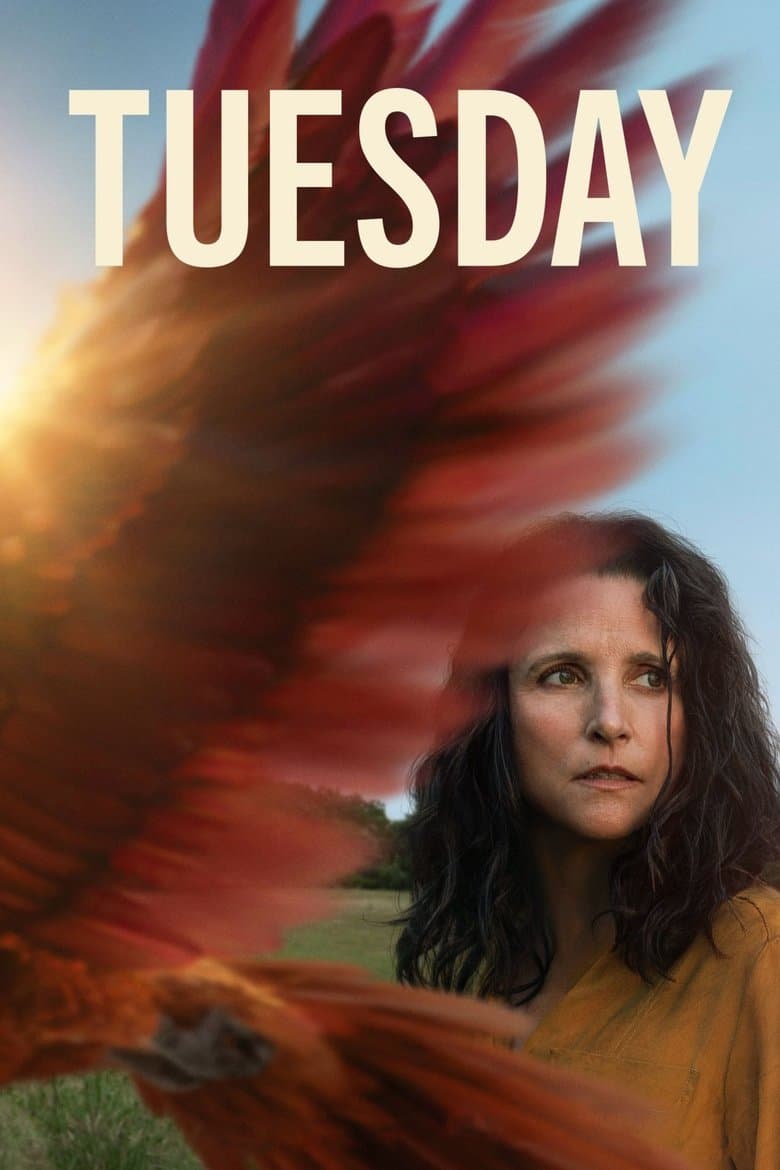
A mother and her teenage daughter must confront Death when it arrives in the form of an astonishing talking bird.
Movie · 2017
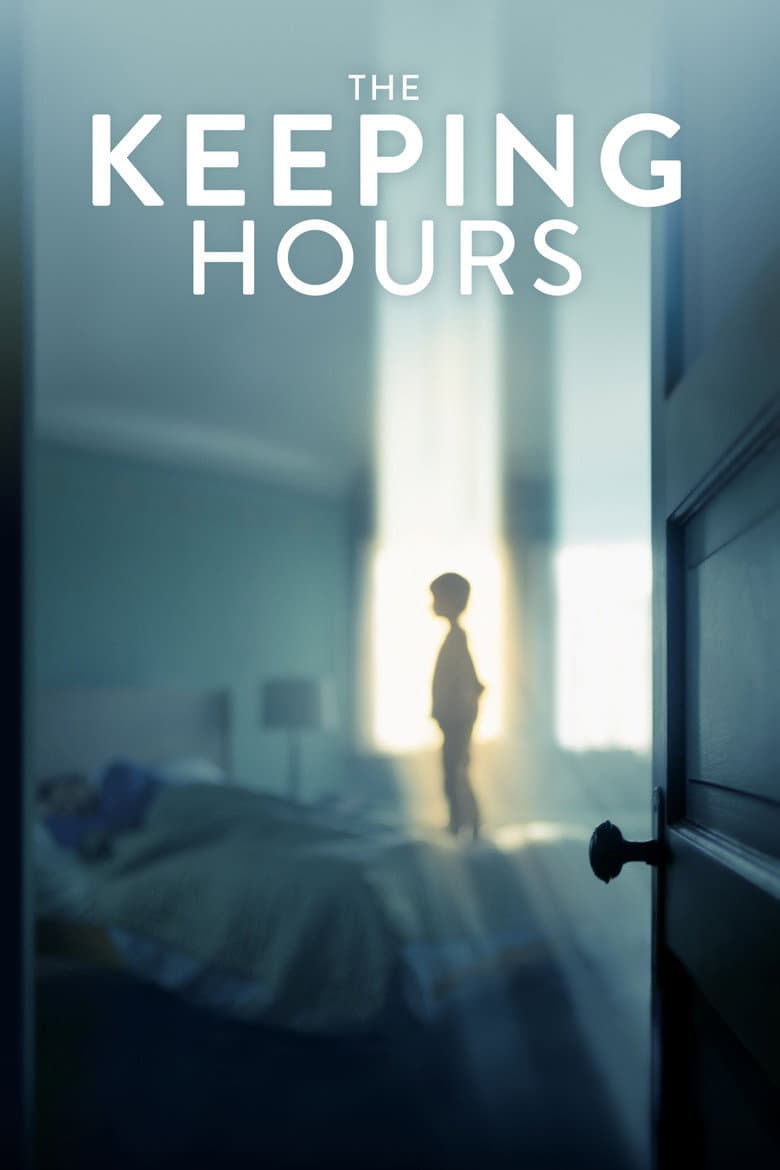
A supernatural love story that centers on two parents whose life together falls apart after their son dies. The man, now a successful lawyer, and the woman, now married and an…
Movie · 2017
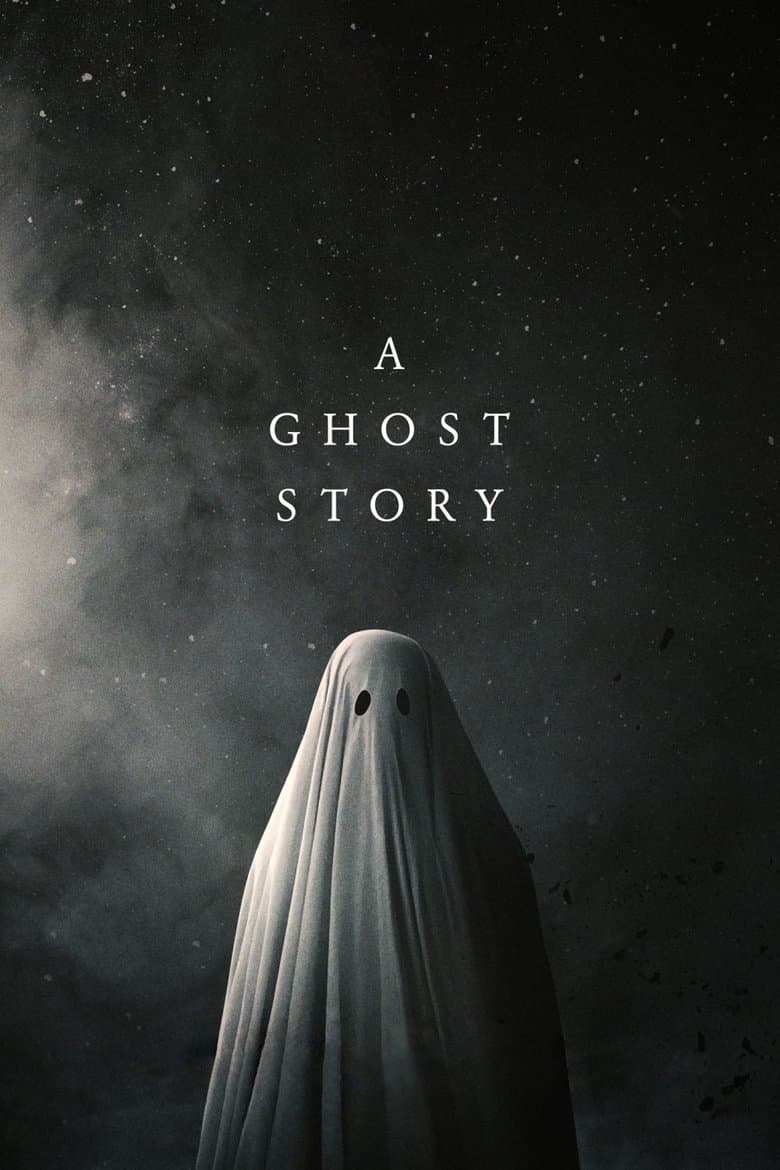
Recently deceased, a white-sheeted ghost returns to his suburban home to console his bereft wife, only to find that in his spectral state he has become unstuck in time, forced to…
Movie · 2021
An Icelandic couple live with their herd of sheep on a beautiful but remote farm. When they discover a mysterious newborn on their land, they decide to keep it and raise it as…
Movie · 2024
Harriet finds art imitating life when she discovers certain songs can transport her back in time – literally.
Movie · 2025
Sarah and David are single strangers who meet at a mutual friend’s wedding and soon, through a surprising twist of fate, find themselves on a funny, fantastical, sweeping…
Movie · 2020
Tanjiro Kamado, joined with Inosuke Hashibira, a boy raised by boars who wears a boar's head, and Zenitsu Agatsuma, a scared boy who reveals his true power when he sleeps, boards…
Movie · 2020
A professional cellist has an encounter with a stranger on the subway which has unexpected and far-reaching ramifications on his life.
