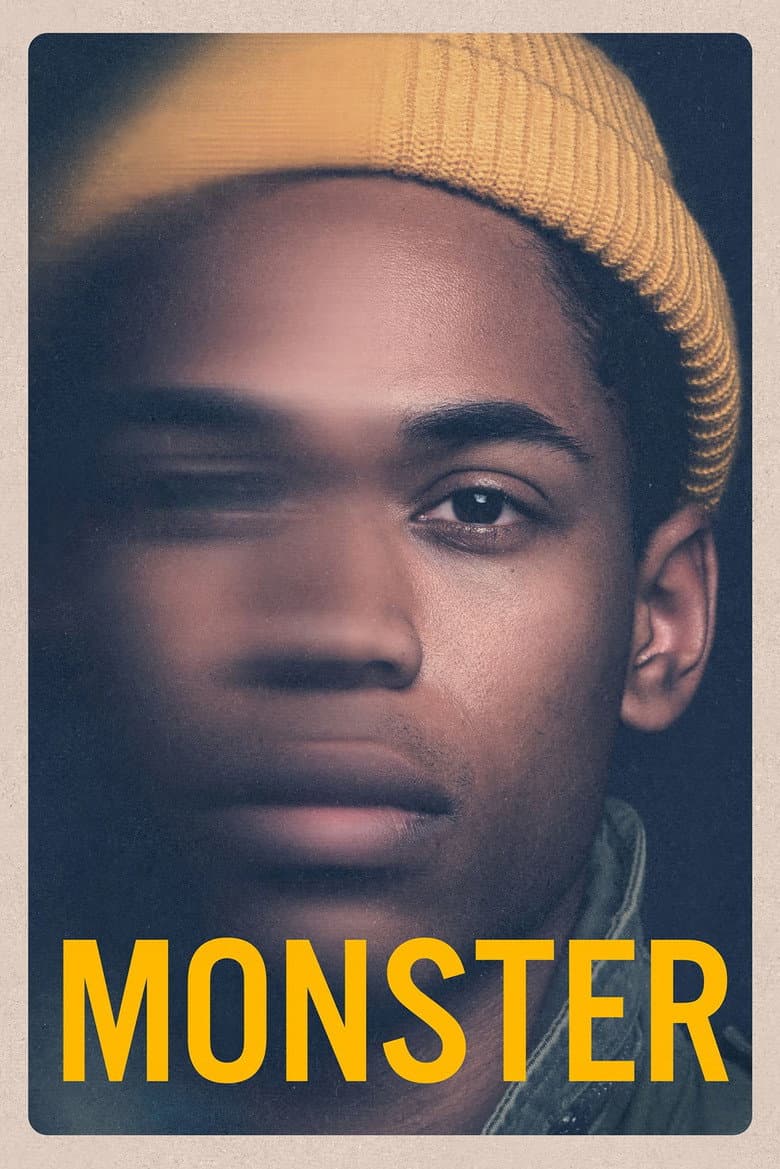
Steve Harmon is a 17-year-old honor student and aspiring filmmaker in Harlem. He lives with loving parents and attends an elite school, but a robbery at a neighborhood store leaves the owner dead and brings Steve into court. Prosecutors say he acted as a lookout, while Steve struggles to explain what he did and did not do. The film moves between jail, trial, school, home, and earlier days with friends, so the tone stays tense, sad, and uncertain.
The story makes Steve's identity as a black teenager central to the case. His lawyer warns that some jurors may judge him as guilty because he is young and Black, while the prosecutor calls him a monster and says he looks guilty. The film shows police, prison staff, and the court as forces that can strip away his identity and treat him as less than human. It also keeps moral questions open because Steve was drawn to dangerous people and must face his own choices.
Community feedback
Was our 67% Woke rating accurate?
Breakdown
These are the editorial factors and ratings behind our score for Monster.
Woke representation / casting
Not present. Steve's black family and Black Harlem characters fit the story's setting and source novel. The film does not make casting itself a diversity message or build a mixed group that looks engineered.
0%
Woke political dialogue
The lawyer warns that some jurors may judge Steve because he is young and Black. The prosecutor calls Steve a monster and says he looks guilty before the facts are settled. Steve's voice-over connects his case to the fear placed on black boys and to the court's demand for a simple answer. The film repeats these race and justice points through the trial without turning them into a long activist speech.
44%
Identity-driven story themes
Steve's identity as a black teenager is the main reason the case carries extra danger. The film shows adults judging him through the image of a young black male criminal instead of through his family, school, and artistic interests. Steve's fear, guilt, and need to prove that he is human drive the story from jail to the verdict. The film asks whether a good home and a bright future can protect a black child from a harsh system.
64%
Western institutional / cultural critique
The police take Steve from home without explaining the charge. The prosecutor treats his race and appearance as signs of guilt, while prison scenes show young prisoners handled like animals. The court and prison system are presented as cold institutions that can erase a person's name and future. The film ties this failure to racial bias, but it does not attack family, faith, or capitalism.
58%
Woke character or canon changes
Not relevant. The film adapts Walter Dean Myers's novel and keeps Steve as a Black Harlem teenager. No identity-related change to an established character or historical person is clearly reported.
0%
Anti-woke backlash and complaints
One Metacritic user review called the script woke and accused Hollywood of forcing that message. The review was one negative post among eleven user reviews, so it shows a complaint but not a broad campaign. The X research pass found no anti-woke reaction, and no major news report found a similar backlash.
10%
Creator track record context
Radha Blank and Walter Dean Myers have strong records of putting black characters and representation first. Anthony Mandler has often made work about black identity, inequality, and criminal justice. Tonya Lewis Lee, John Legend, and Mike Jackson have backed black stories and social causes. This film closely matches that pattern, so the creator track record is a strong supporting signal.
62%
Production
Movie · 2019
A chronicle of the crimes of Ted Bundy, from the perspective of his longtime girlfriend, Elizabeth Kloepfer, who refused to believe the truth about him for years.
Movie · 2025
Two of New York's most notorious organized crime bosses, Frank Costello and Vito Genovese, vie for control of the city's streets.
Movie · 2018
Earl Stone, a man in his eighties, is broke, alone, and facing foreclosure of his business when he is offered a job that simply requires him to drive.
Movie · 2016
A divorced dad and his ex-con brother resort to a desperate scheme in order to save their family's farm in West Texas.
Movie · 2026
After his estranged son gets embroiled in a Nazi plot, self-exiled gangster Tommy Shelby must return to Birmingham to save his family — and his nation.
Movie · 2019
In 1934, Frank Hamer and Manny Gault, two former Texas Rangers, are commissioned to put an end to the wave of vicious crimes perpetrated by Bonnie Parker and Clyde Barrow, a…
Movie · 2025
Amid the glittering casinos of Macau, a gambler running from his past—and his debts—becomes fascinated by an enigmatic woman at the baccarat table.
Movie · 2018
Young and disenchanted Sam meets a mysterious and beautiful woman who's swimming in his building's pool one night.
