
Under the Silver Lake is a 2018 surrealist neo-noir black comedy thriller written, directed, and co-produced by David Robert Mitchell. It follows aimless 33-year-old Sam (Andrew Garfield) in 2011 Los Angeles as he spies on neighbors, meets mysterious Sarah (Riley Keough), and launches a paranoid quest after her sudden disappearance, uncovering pop culture codes, a zine conspiracy, an assassin called the Owl's Kiss, a dog killer, and a secret cult of wealthy men who seal young women with them in hidden tombs to "ascend." The narrative stays locked in Sam's voyeuristic, conspiracy-obsessed perspective and explores alienation, meaninglessness, and the emptiness behind LA/Hollywood surfaces. No identity-driven themes, activist messaging, representation emphasis, or woke political elements appear in the story, characters, dialogue, or marketing.
Community feedback
Was our 7% Woke rating accurate?
Breakdown
These are the editorial factors and ratings behind our score for Under the Silver Lake.
Woke representation / casting
Predominantly white cast aligns with the 2011 Silver Lake setting and the white male protagonist's narrow, voyeuristic viewpoint; supporting diversity is minor and unemphasized with no audience-visible identity signaling, quota-style roles, or mismatches to story logic. Critics occasionally noted the "white-washed" feel compared to other LA films, confirming lack of representation push.
0%
Woke political dialogue
No activist, DEI, identity, or social-justice language or lectures of any kind in the dialogue or voiceover.
0%
Identity-driven story themes
Core premise and arcs revolve around personal obsession, conspiracy paranoia, pop culture as potentially meaningless or manipulative, and nihilistic alienation; no race, gender, sexuality, or representation themes structure the narrative or character journeys.
0%
Western institutional / cultural critique
Portrays Hollywood/pop culture surfaces, wealthy elites, and a secret cult of powerful men with multiple young "wives" sealed in tombs as grotesque and absurd, plus broader LA meaninglessness; this follows classic noir and paranoid thriller traditions rather than modern activist framing of toxic masculinity, patriarchy, whiteness, anti-capitalism as identity politics, or institutional guilt.
5%
Woke character or canon changes
Not relevant. Original screenplay; no established characters, canon, source material, or historical figures altered for ideological or identity-driven reasons.
0%
Anti-woke backlash and complaints
No notable social media, news, or public complaints from anti-woke or right-leaning perspectives accusing the film of advancing woke, DEI, identity politics, or left-wing activist content. Critical noise was about quality, length, and some progressive objections to perceived misogyny or insufficient condemnation of the male lead.
0%
Creator track record context
Director David Robert Mitchell has no activist, identity-driven, or political pattern in prior work or statements. Certain producers carry higher individual records (e.g., Adele Romanski via Moonlight's black queer focus; Daniela Taplin Lundberg via The Kids Are All Right's lesbian family story; David Moscow's self-described environmental and community activism), but these do not visibly shape this title's content, marketing, or reception, which remains detached and non-ideological.
20%
Production
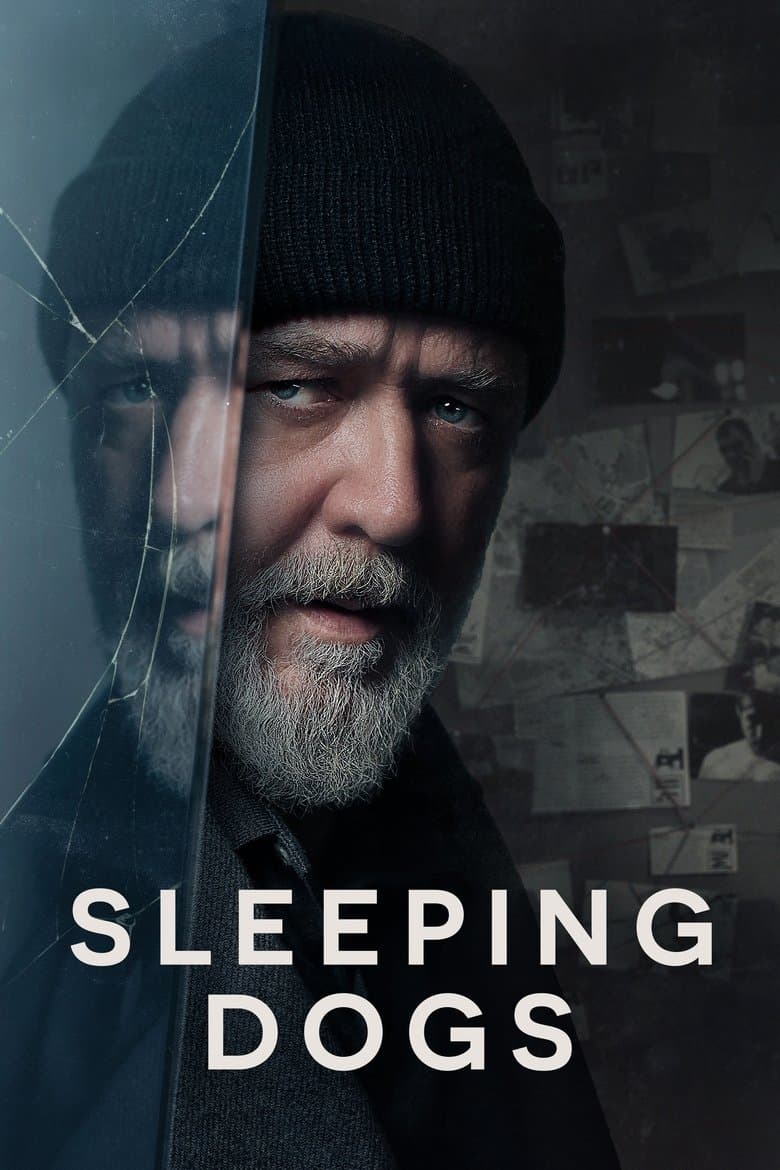
Movie · 2024
Roy Freeman, an ex-homicide detective with a fractured memory, is forced to revisit a case he can't remember.
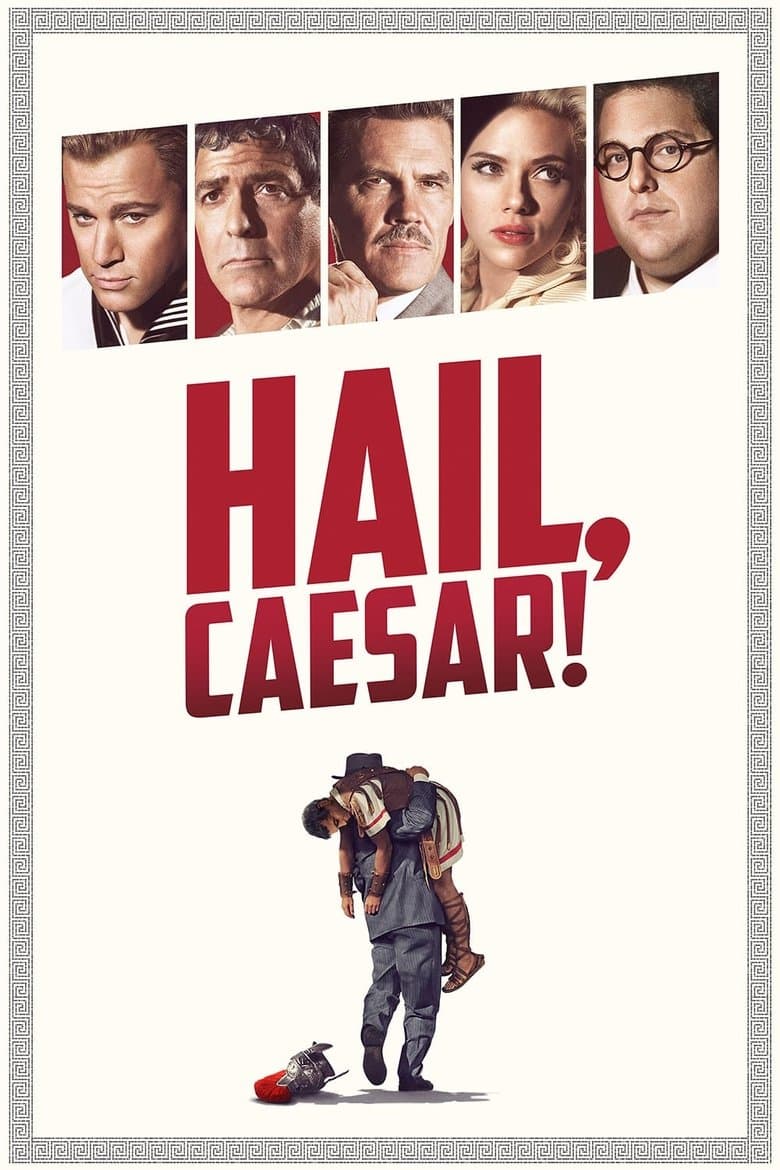
Movie · 2016
When a Hollywood star mysteriously disappears in the middle of filming, the studio sends their fixer to get him back.

Movie · 2018
A former American G.I. joins a yakuza family after his release from prison in post-World War II Osaka.

Movie · 2022
The roguishly charming and endlessly troublesome Fletch becomes the prime suspect in a murder case while searching for a stolen art collection.
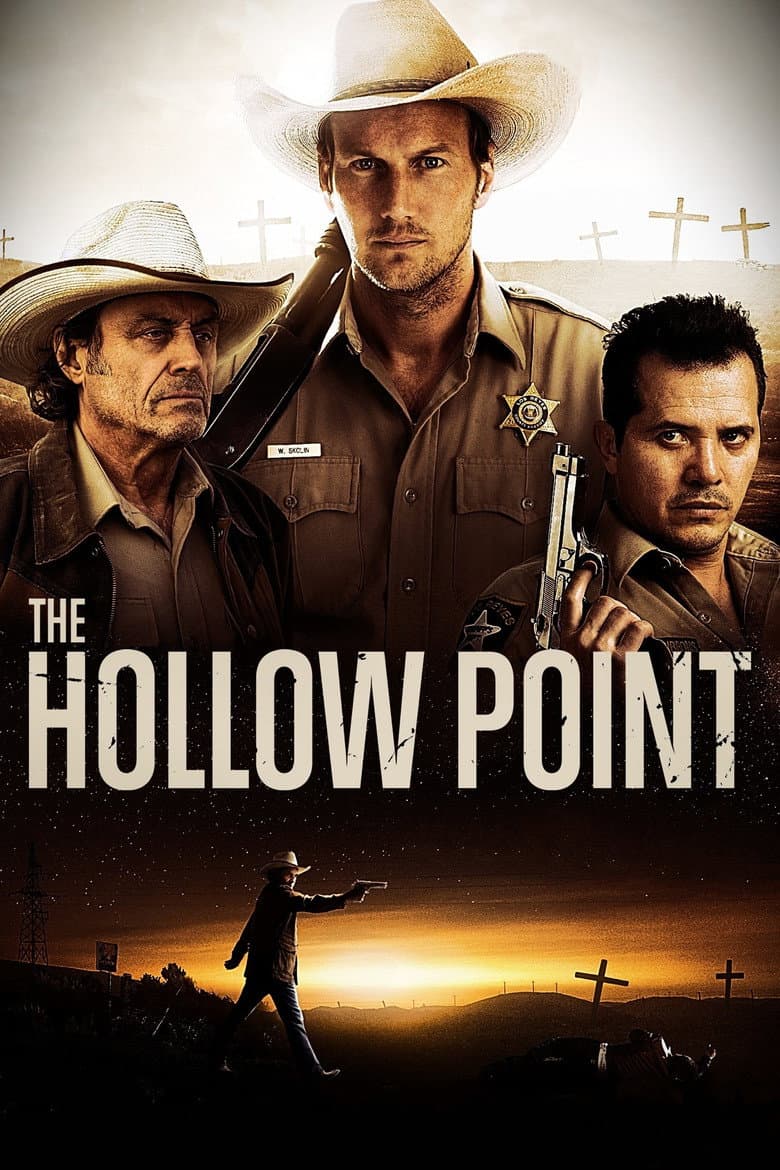
Movie · 2016
Los Reyes County, Arizona. Leland, a retired lawman, works with Wallace, the new sheriff who replaces him, when a vicious hit man, sent by a Mexican drug cartel, threatens their…

Movie · 2018
A serial killer is murdering school girls, and a newbie cop has to track him down before the victim count increases.
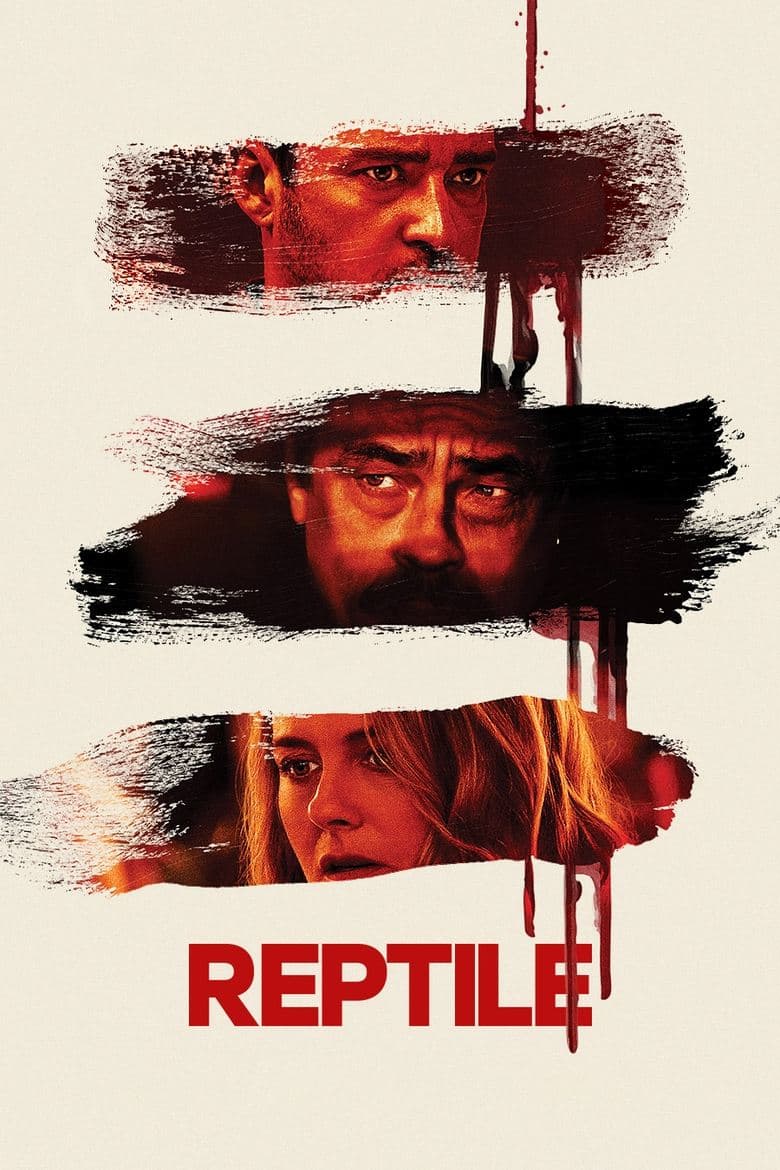
Movie · 2023
Following the brutal murder of a young real estate agent, a hardened detective attempts to uncover the truth in a case where nothing is as it seems, and by doing so dismantles the…
Movie · 2017
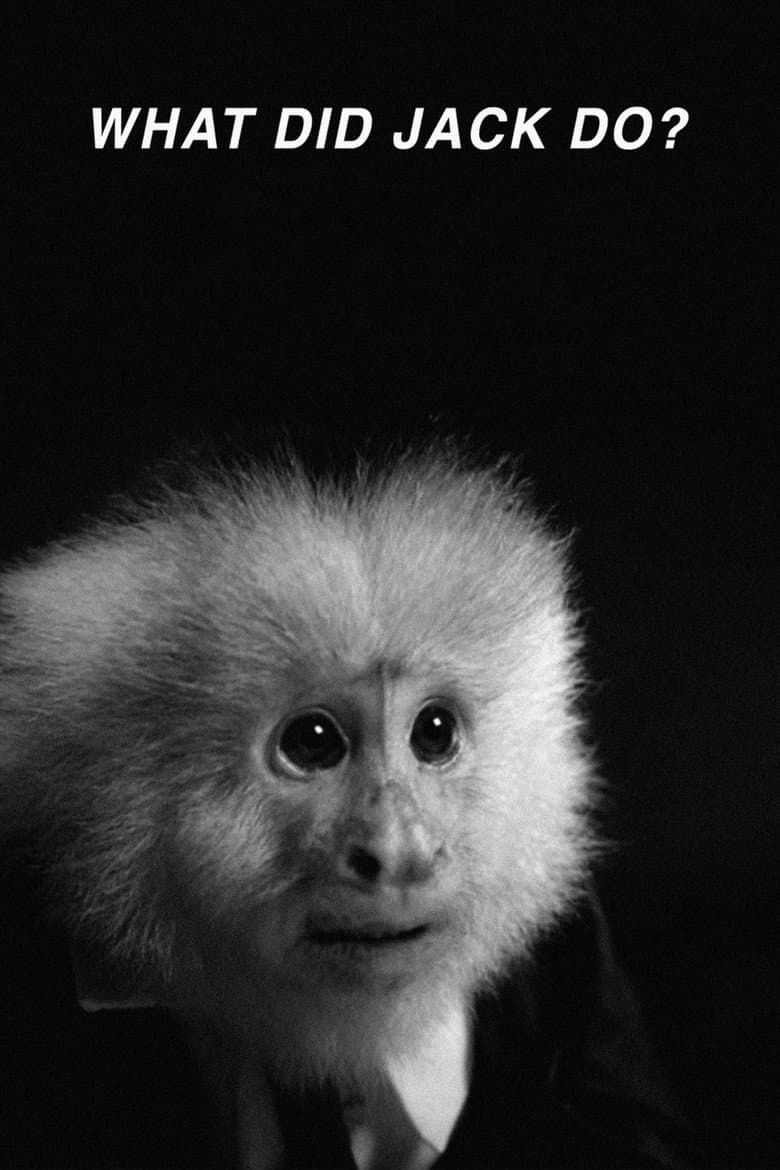
In a locked down train station, a homicide detective conducts an interview with a tormented monkey who is suspected of murder.
