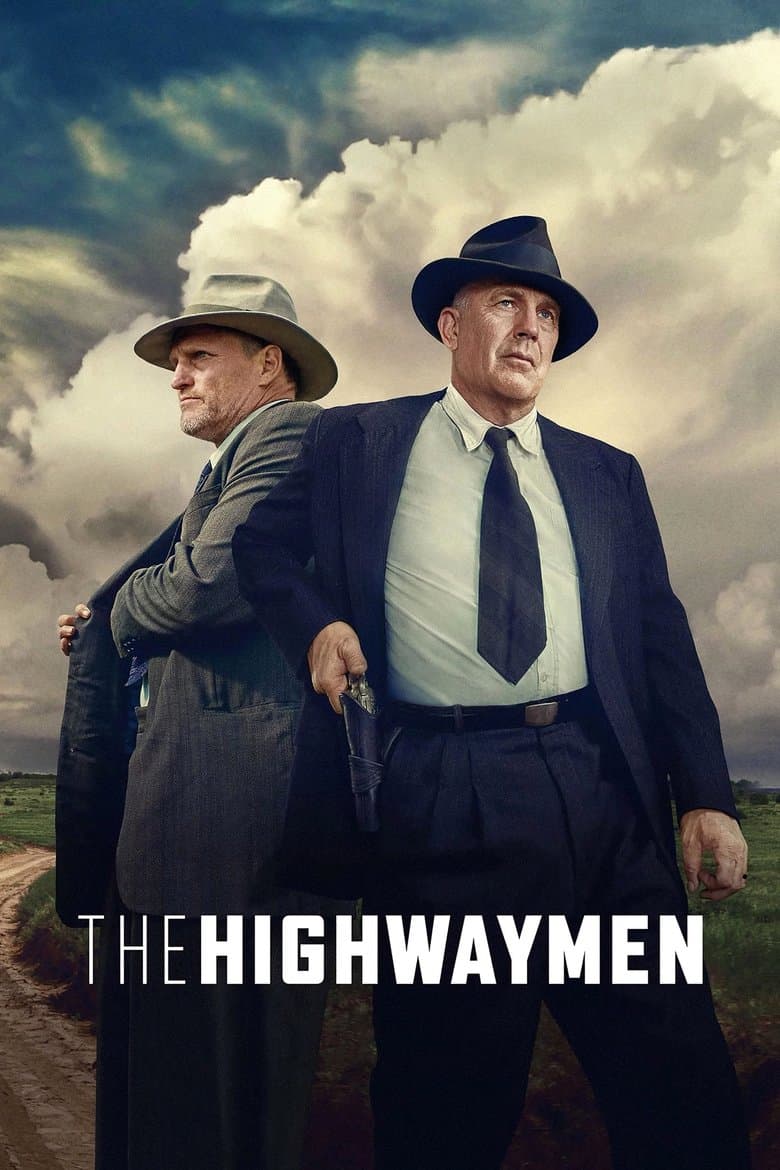
In 1934, former Texas Ranger Frank Hamer is asked to hunt Bonnie Parker and Clyde Barrow, whose robberies and killings have made them famous. Hamer brings back Maney Gault, an old Ranger partner who is out of work and unsure that he can still do the job. The two men travel across Texas and nearby states while they study the gang’s habits, follow small clues, and wait for a chance to strike. The film is a slow, grim crime story with long drives, hard choices, gun violence, and a bloody ending.
The story turns the famous outlaw pair into cruel killers instead of charming folk heroes. It gives most of its attention to two aging lawmen who believe duty matters more than fame. Hamer stays calm and focused, while Gault feels the human cost of the killings and becomes the more troubled partner. The film’s main themes are duty, friendship, aging, public worship of criminals, and the damage that violence leaves behind.
Community feedback
Was our 1% Woke rating accurate?
Breakdown
These are the editorial factors and ratings behind our score for The Highwaymen.
Woke representation / casting
Not present in this title.
0%
Woke political dialogue
Not present. Dialogue stays practical and focused on the investigation with no modern activist speeches or identity-based messaging.
0%
Identity-driven story themes
Not present. The narrative follows a classic law-versus-violent-criminals structure with zero identity politics, gender, race, or sexuality arcs.
0%
Western institutional / cultural critique
Not present in this title.
0%
Woke character or canon changes
Not relevant. The story follows documented history with only minor dramatic adjustments typical of biopics.
0%
Anti-woke backlash and complaints
Not present. No right-leaning or anti-woke complaints exist; some progressive reviewers instead criticized the film for its law-and-order perspective.
0%
Creator track record context
John Lee Hancock’s cached score is 3/100, and John Fusco’s is 1/100. Casey Silver, Denise Chamian, and Brooke Satrazemis also have low cached scores from 5/100 to 10/100, with no clear activist pattern. The film interviews mention rugged individualism, aging men, and the burden of killing, but they do not turn those ideas into identity politics.
5%
Production

Movie · 2021
Deputy Sheriff Joe "Deke" Deacon joins forces with Sgt. Jim Baxter to search for a serial killer who's terrorizing Los Angeles.
Movie · 2021
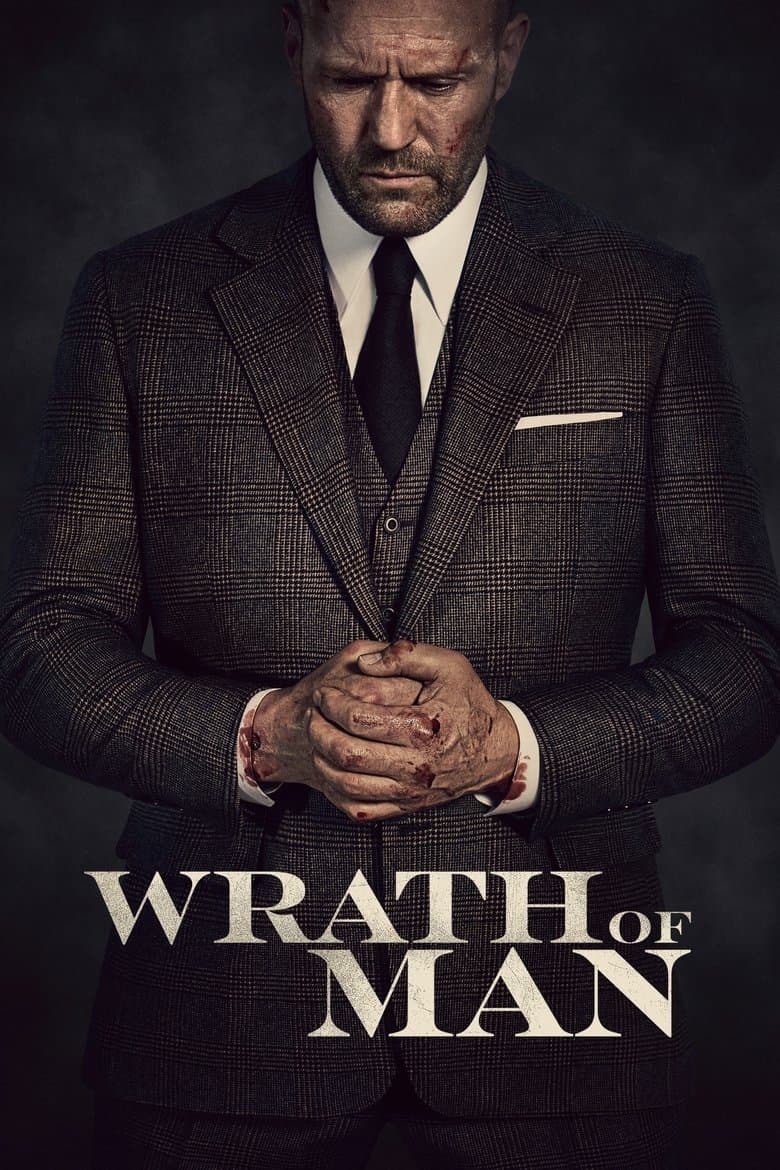
A cold and mysterious new security guard for a Los Angeles cash truck company surprises his co-workers when he unleashes precision skills during a heist.
Movie · 2021
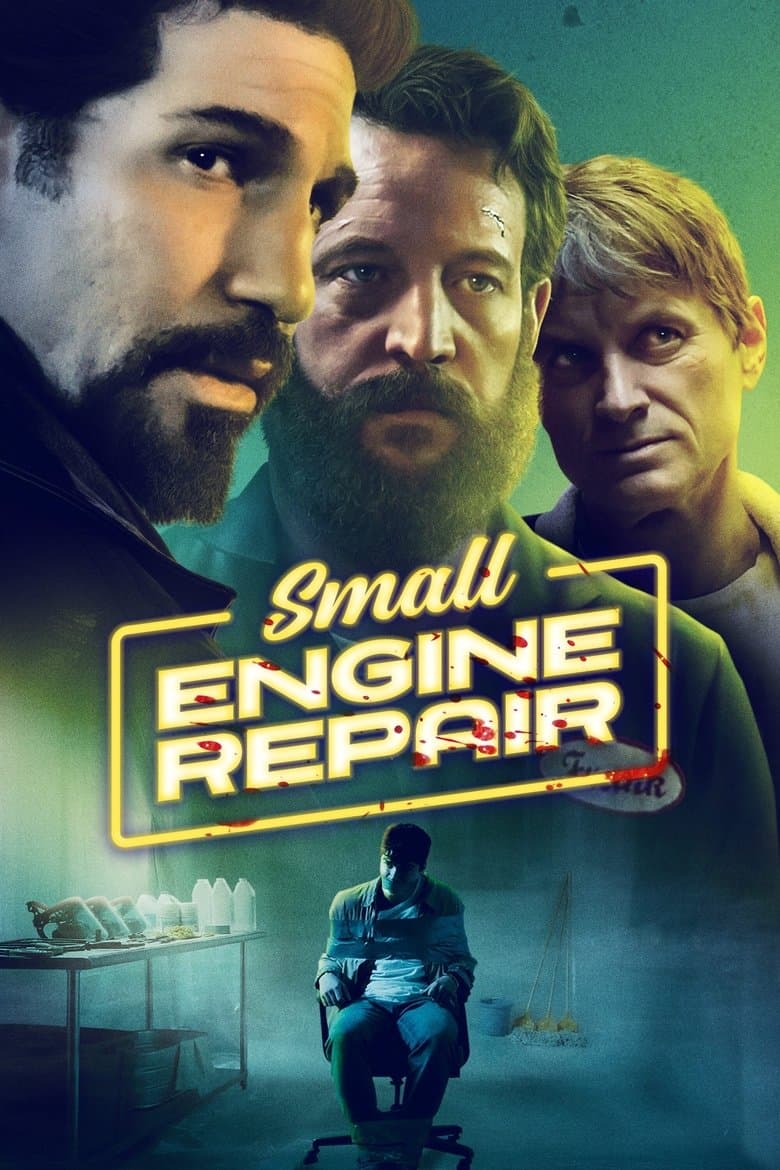
The seemingly casual reunion of three old friends at an out-of-the-way repair shop masks a hidden agenda fuelled by the arrival of a privileged young yuppie.

Movie · 2024
A middle-class bank clerk who longs to trade stability for adventure gets more than he bargained for when he unexpectedly becomes a wealthy man.

Movie · 2019
During the 1980s, a failed stand-up comedian is driven insane and turns to a life of crime and chaos in Gotham City while becoming an infamous psychopathic crime figure.
Movie · 2017
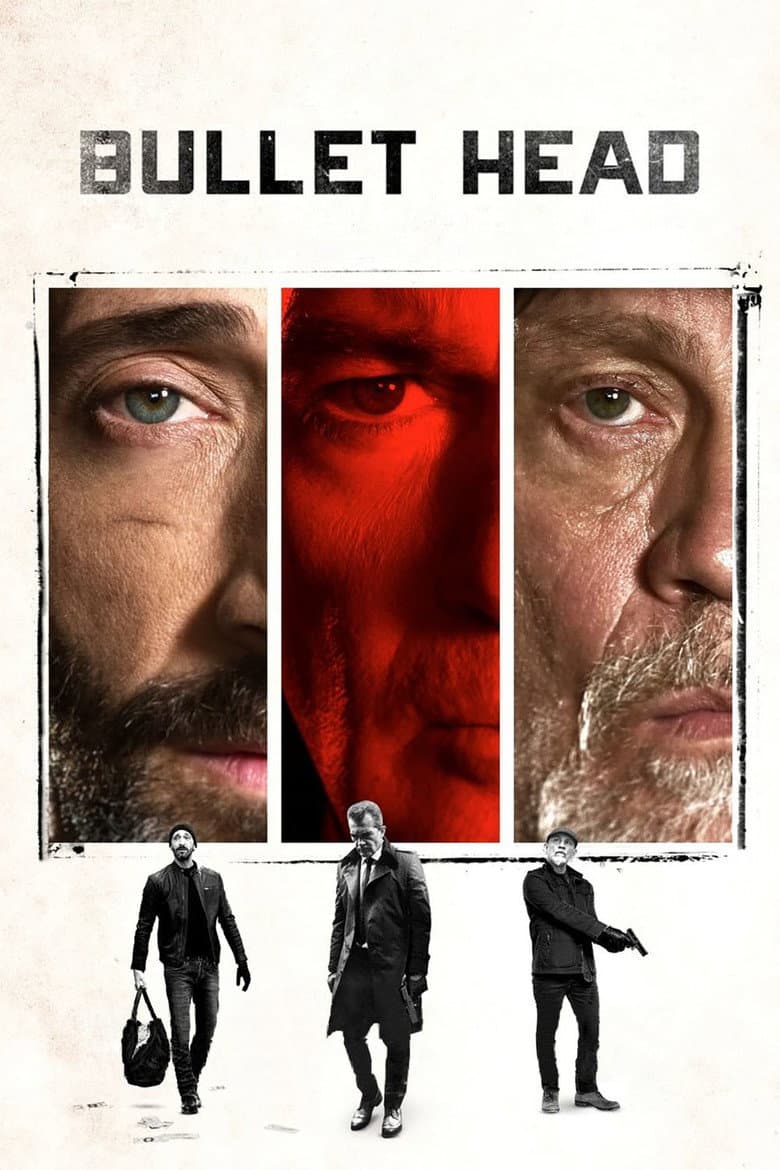
A group of career criminals finds itself trapped in a warehouse with the law – and an Attack Dog named DeNiro closing in.

Movie · 2016
Alex, an immigrant from Ukraine comes to Canada and becomes involved with an online criminal organization called Darkweb.

Movie · 2016
As a math savant uncooks the books for a new client, the Treasury Department closes in on his activities and the body count starts to rise.
