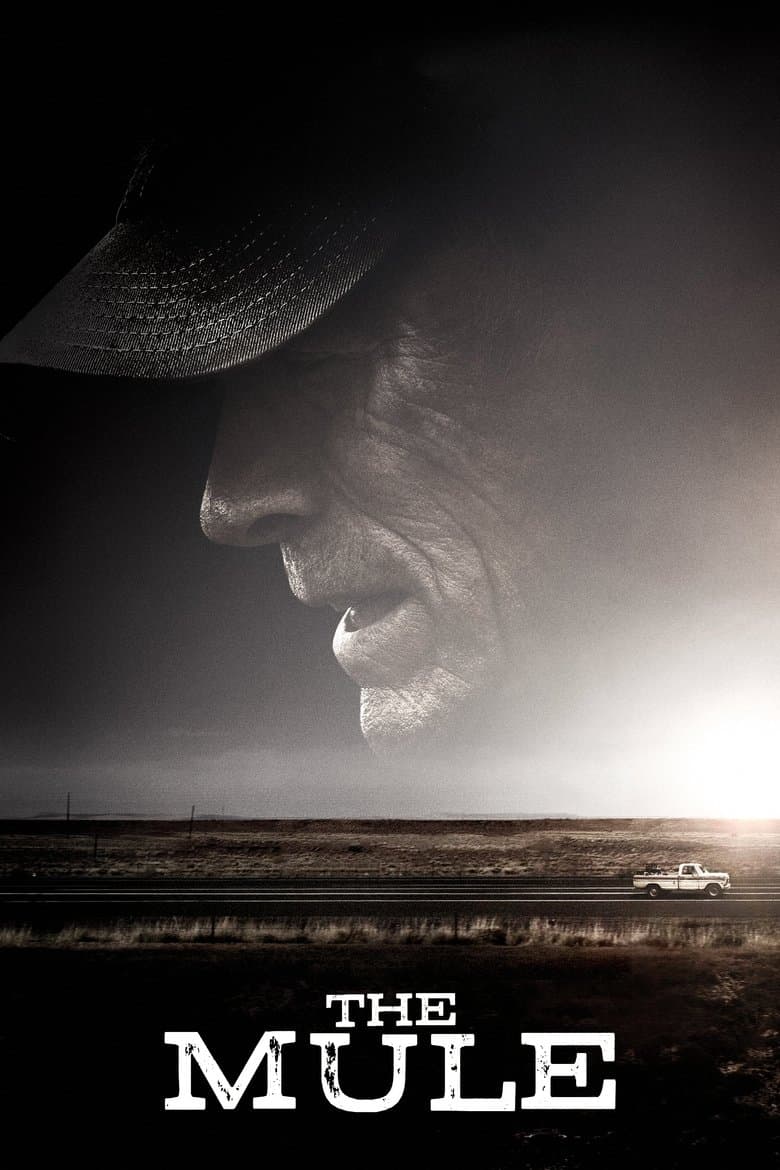
Earl Stone is an aging daylily grower and Korean War veteran who loses his business to online competition and foreclosure. He becomes a low-profile drug courier for a Sinaloa-linked cartel and does well at the work. At the same time, DEA agents track the case while Earl tries to fix broken ties with his ex-wife and daughter. The story is about crime, aging, money, and late guilt before the law and the cartel close in. He faces capture and accepts responsibility in court.
Audience-facing progressive content is light and mostly small. The main visible beat is a brief roadside meeting with Dykes on Bikes, a lesbian motorcycle club. Earl also uses outdated racial terms and gets short comic corrections on modern etiquette. Those moments do not drive the plot, which stays on family regret and crime logistics rather than identity politics. Casting largely matches a real white veteran mule story and real DEA case, with Latino cartel roles that fit the premise.
Community feedback
Was our 15% Woke rating accurate?
Breakdown
These are the editorial factors and ratings behind our score for The Mule.
Woke representation / casting
Casting mostly fits a real white veteran mule story and a real white DEA case. Latino cartel roles match the Sinaloa source rather than race-swapped heroes. Fishburne and Peña play normal multi-ethnic law support, not engineered diversity leads. The main scored piece is a short Dykes on Bikes cameo that shows LGBTQ presence in the background only.
15%
Woke political dialogue
There are no activist speeches on oppression, DEI, gender ideology, or identity politics. Earl uses outdated racial words and gets brief comic corrections on modern manners. He calls Dykes on Bikes ladies and gets a wry fix. Core talk stays on family regret and crime work.
12%
Identity-driven story themes
The main story is crime, aging, money, and family repair. LGBTQ presence is a short road gag, not a full character arc. Racial old-man humor is color for the lead, not a progressive identity thesis. The small score only reflects that incidental queer beat and the PC language corrections.
10%
Western institutional / cultural critique
The film shows bank foreclosure, the internet killing a local flower shop, DEA job pressure, and tense traffic stops. That is mild doubt about institutions, not a modern attack on whiteness, patriarchy, or colonial guilt. Family critique is classic do not put work over loved ones. The text does not reframe the story as identity politics.
15%
Woke character or canon changes
Not relevant. Based on the NYT Leo Sharp story with ordinary dramatization, not identity or DEI rewrites of race, gender, sexuality, or historical figures.
0%
Anti-woke backlash and complaints
Not present. No sustained anti-woke claim that the film pushes DEI or identity politics. Public fight went the other way as some progressive critics labeled it racist or xenophobic and right-leaning coverage defended Eastwood.
0%
Creator track record context
Cached scores place Eastwood, Schenk, producers, and casting directors in a low-woke, non-activist range. That overall track record supports a low context score for this title.
5%
Production
Movie · 2021
A cold and mysterious new security guard for a Los Angeles cash truck company surprises his co-workers when he unleashes precision skills during a heist.
Movie · 2021
An ambitious carnival man with a talent for manipulating people with a few well-chosen words hooks up with a female psychologist who is even more dangerous than he is.
Movie · 2025
Two of New York's most notorious organized crime bosses, Frank Costello and Vito Genovese, vie for control of the city's streets.
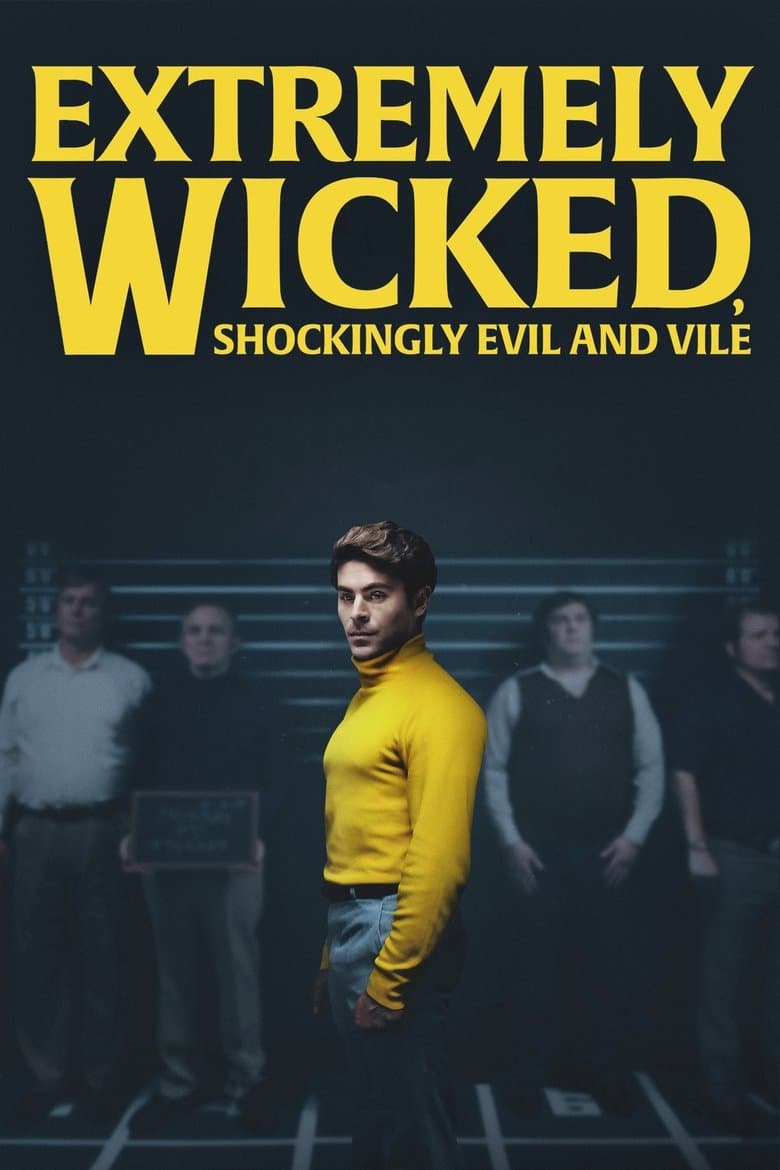
Movie · 2019
A chronicle of the crimes of Ted Bundy, from the perspective of his longtime girlfriend, Elizabeth Kloepfer, who refused to believe the truth about him for years.
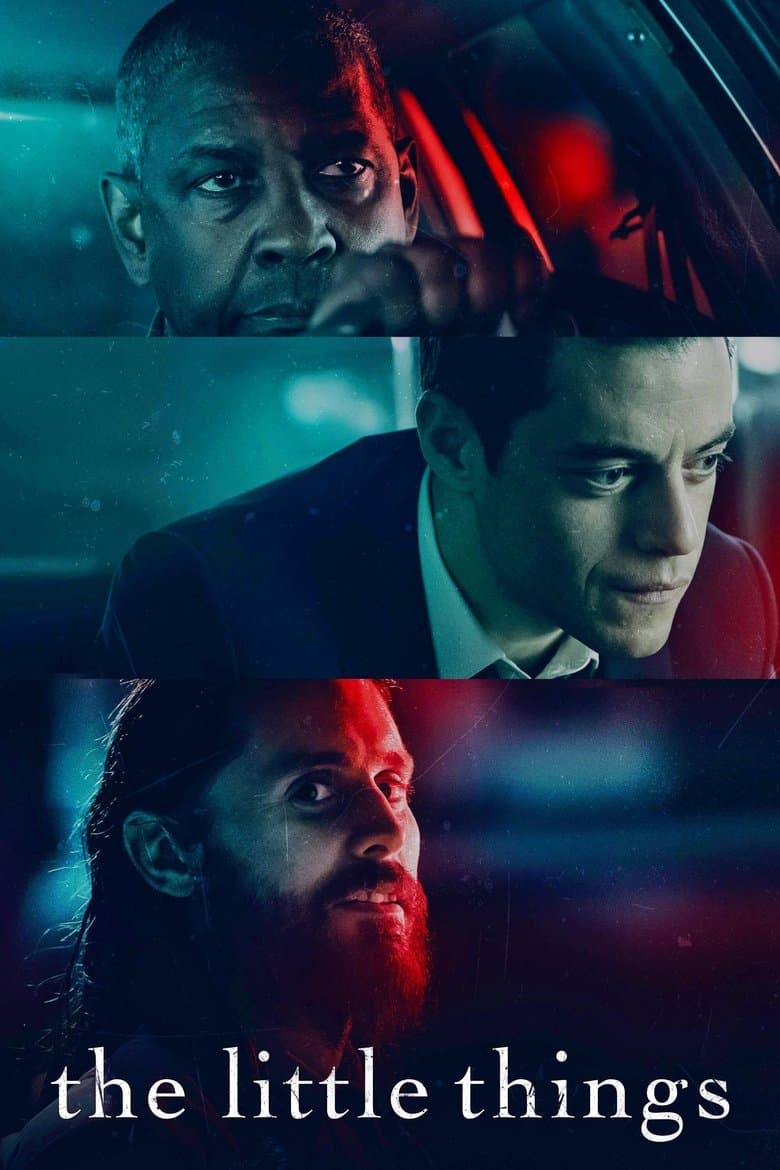
Movie · 2021
Deputy Sheriff Joe "Deke" Deacon joins forces with Sgt. Jim Baxter to search for a serial killer who's terrorizing Los Angeles.
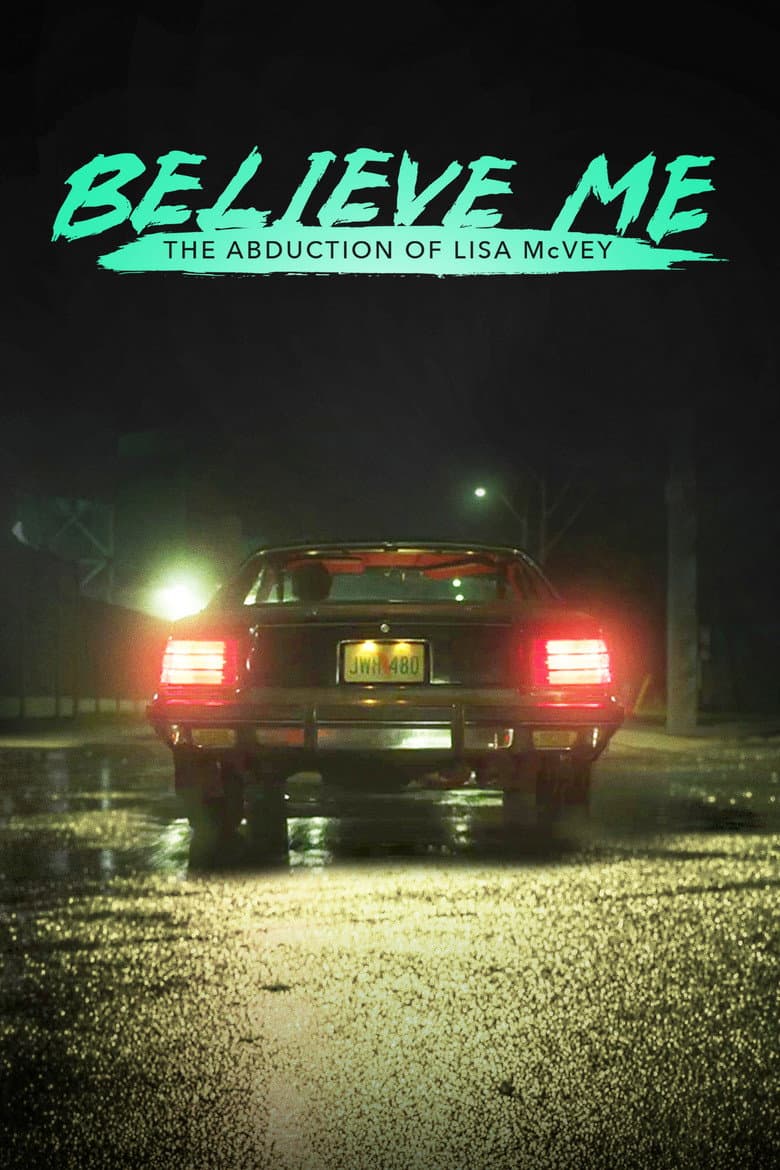
Movie · 2018
On the night she plans on taking her own life, 17-year-old 'Lisa McVey' is kidnapped and finds herself fighting to stay alive and is raped.
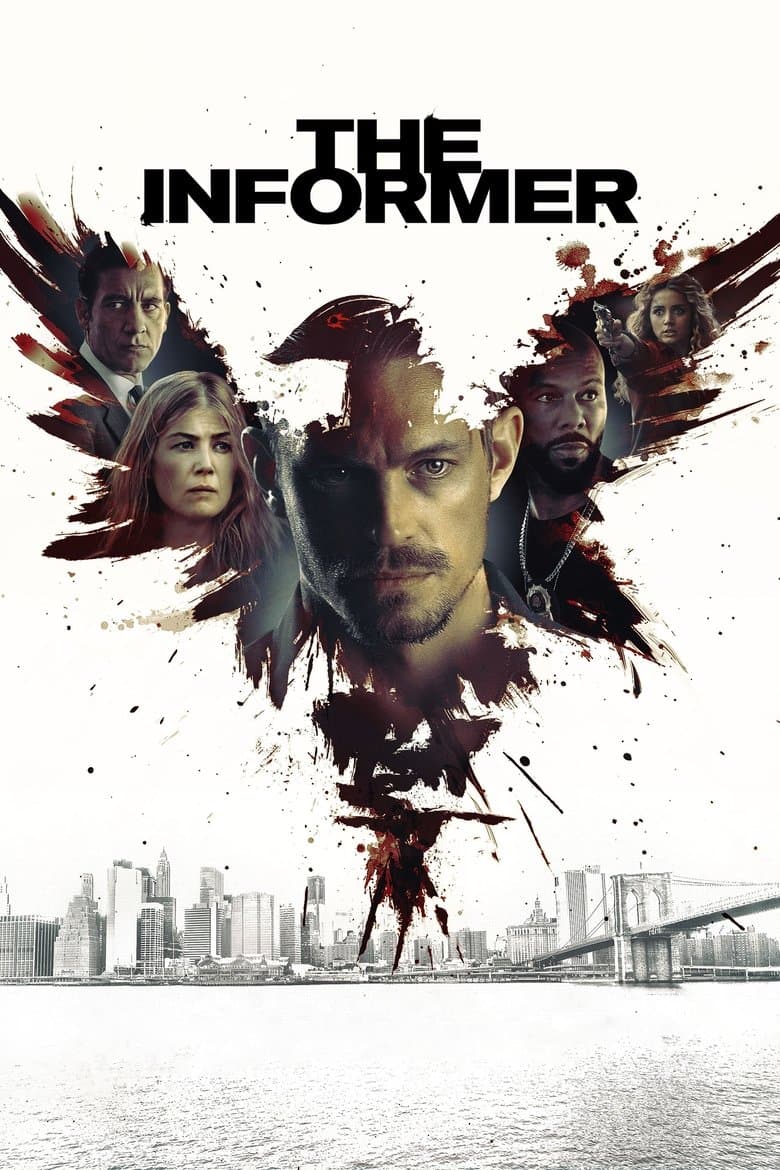
Movie · 2019
In New York, former convict Pete Koslow, related to the Polish mafia, must deal with both Klimek the General, his ruthless boss, and the twisted ambitions of two federal agents…
Movie · 2019
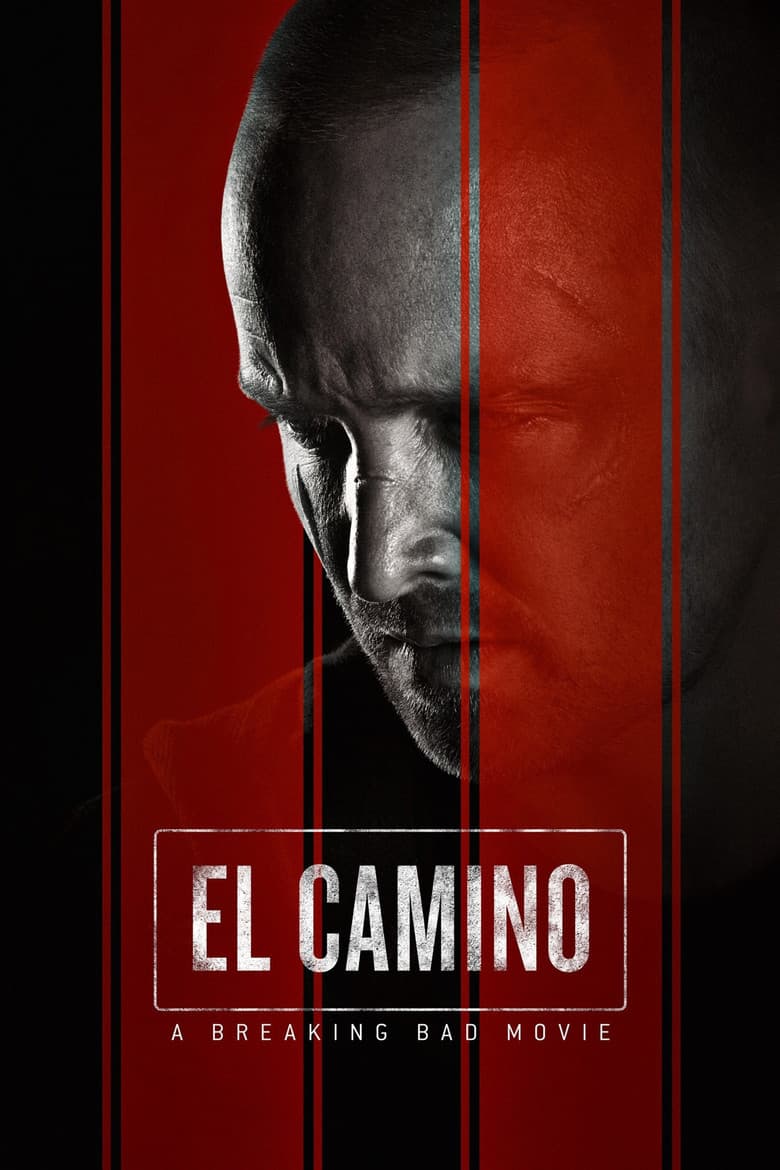
In the wake of his dramatic escape from captivity, Jesse Pinkman must come to terms with his past in order to forge some kind of future.
