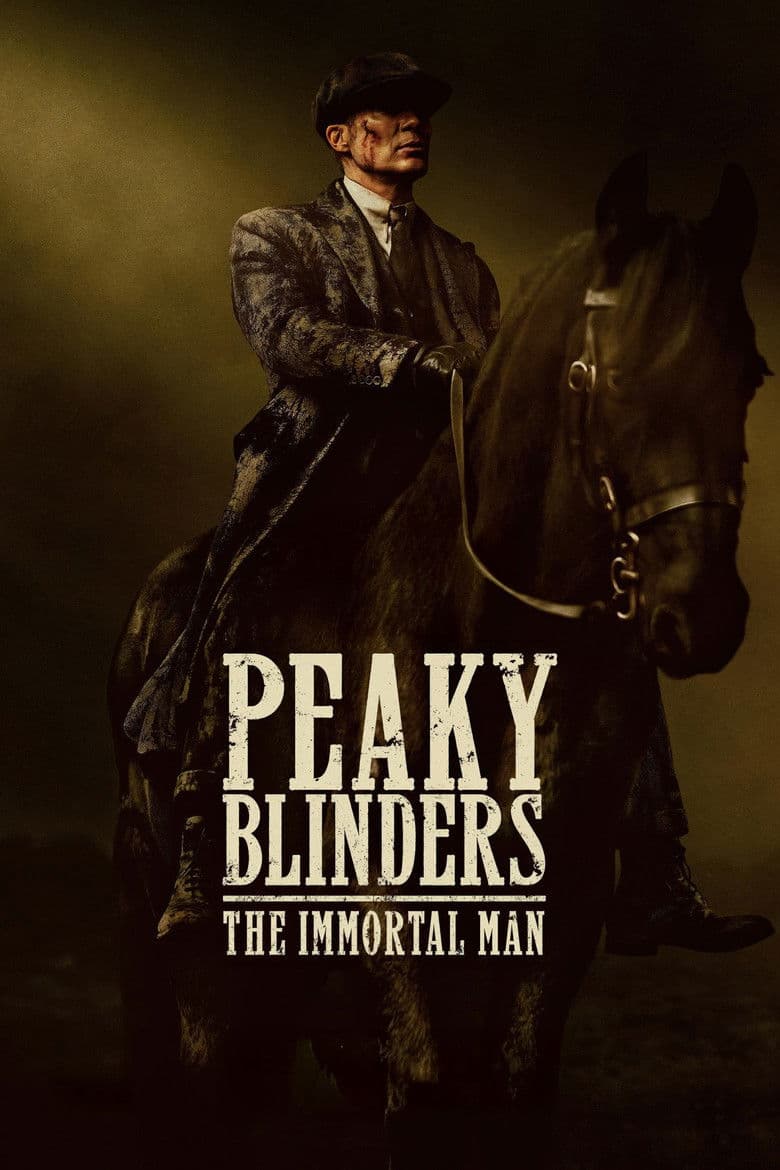
Peaky Blinders: The Immortal Man follows Tommy Shelby, a former Birmingham crime boss who has cut himself off from his family. In 1940, during the Blitz, Tommy returns when his estranged son Duke joins a Nazi plan to flood Britain with fake money. The plan uses notes made by prisoners in a German concentration camp, based on the real Operation Bernhard. Tommy must face Duke, a Nazi helper, and the harm caused by his own choices. The film mixes gun fights, bombings, bleak humor, loud rock music, and a sad ending.
The film's clearest identity material comes from the Shelby family's Romani roots. Kaulo, a Romani woman tied to Tommy's dead lover Zelda, uses spirit sessions and family memory to bring him back to his son. Ada is now a member of Parliament, but the main fight stays between Tommy and Duke over family power, fatherhood, and the gang's future. The film treats these ideas as part of the old series and its family drama, not as a new campaign about modern identity politics. Its main message is that violence, pride, and neglect pass from one generation to the next.
Community feedback
Was our 10% Woke rating accurate?
Breakdown
These are the editorial factors and ratings behind our score for Peaky Blinders: The Immortal Man.
Woke representation / casting
Not present in this title.
0%
Woke political dialogue
Steven Knight told Radio Times that Tommy's fight against fascism has a deliberate present-day meaning. The film gives that idea repeated screen time through its Nazi plot, but it keeps the action in 1940. The movie does not add current party politics, identity groups, or a broad attack on Western society. This makes the present-day political signal weak and limited.
12%
Identity-driven story themes
Not present in this title.
0%
Western institutional / cultural critique
Not present in this title.
0%
Woke character or canon changes
Not present in this title.
0%
Anti-woke backlash and complaints
Not present in this title.
0%
Creator track record context
Shaheen Baig has a reputation for inclusive casting and for helping new talent. Caryn Mandabach has supported women writers and directors in film and television. Cillian Murphy has backed broad humanitarian causes, but those causes do not shape this story. Tom Harper, Steven Knight, and the other key creators have no strong pattern of identity-led activism tied to this film.
18%
Production
Movie · 2019
In the wake of his dramatic escape from captivity, Jesse Pinkman must come to terms with his past in order to forge some kind of future.
Movie · 2021
A cold and mysterious new security guard for a Los Angeles cash truck company surprises his co-workers when he unleashes precision skills during a heist.
Movie · 2025
Two of New York's most notorious organized crime bosses, Frank Costello and Vito Genovese, vie for control of the city's streets.
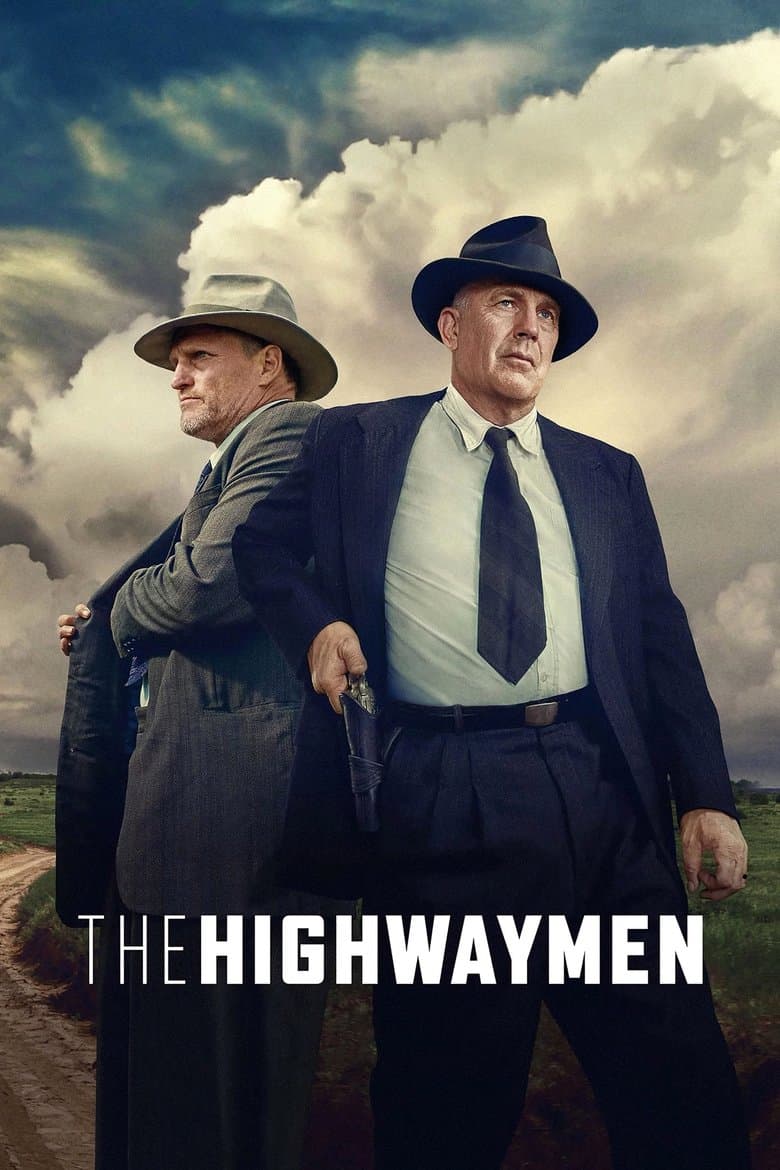
Movie · 2019
In 1934, Frank Hamer and Manny Gault, two former Texas Rangers, are commissioned to put an end to the wave of vicious crimes perpetrated by Bonnie Parker and Clyde Barrow, a…
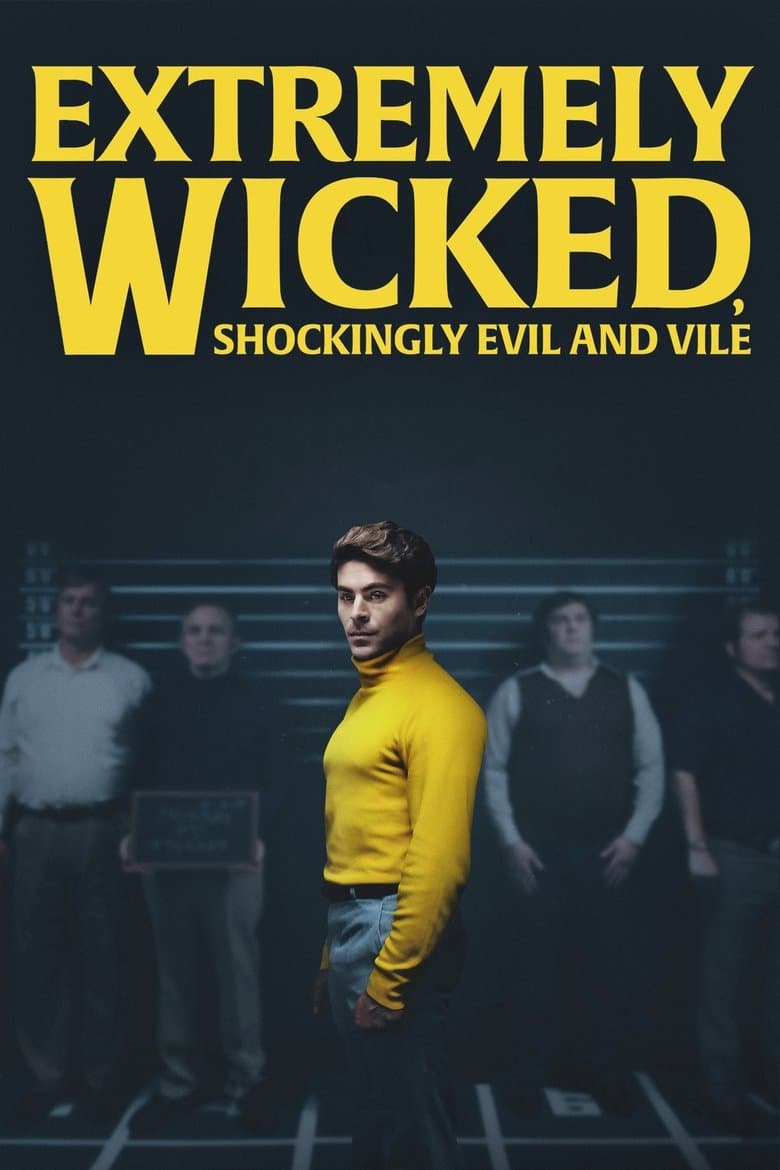
Movie · 2019
A chronicle of the crimes of Ted Bundy, from the perspective of his longtime girlfriend, Elizabeth Kloepfer, who refused to believe the truth about him for years.
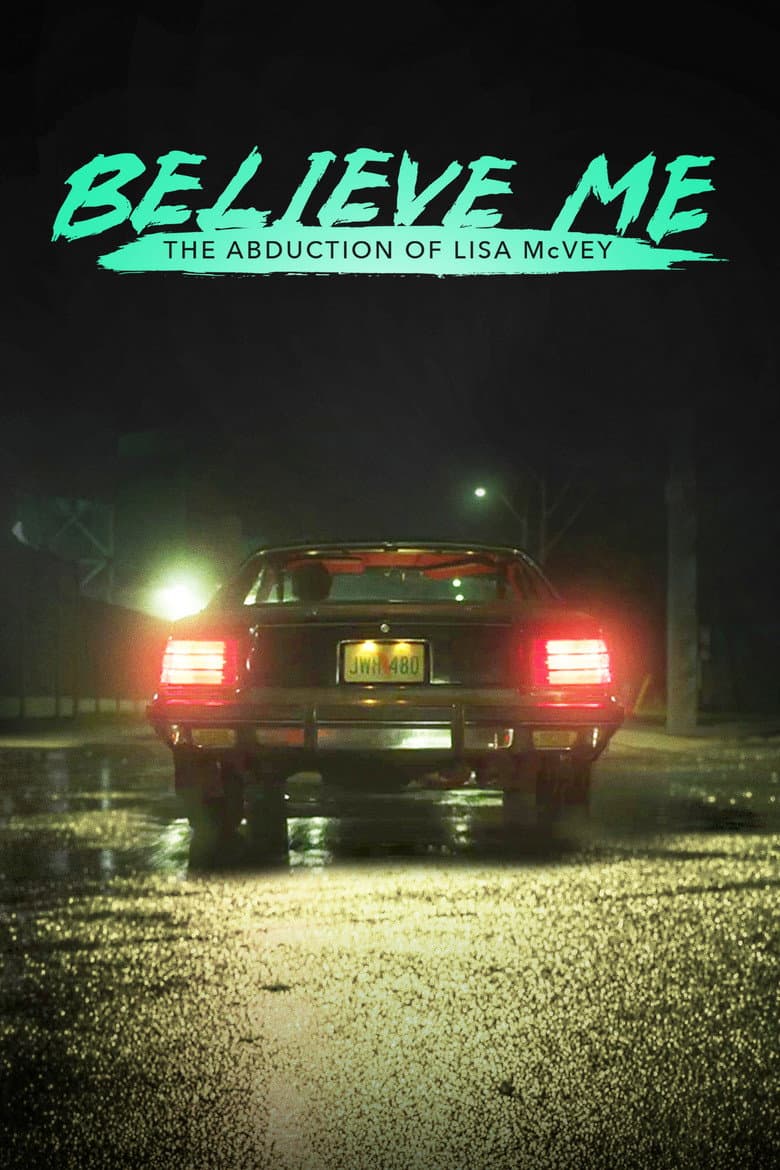
Movie · 2018
On the night she plans on taking her own life, 17-year-old 'Lisa McVey' is kidnapped and finds herself fighting to stay alive and is raped.
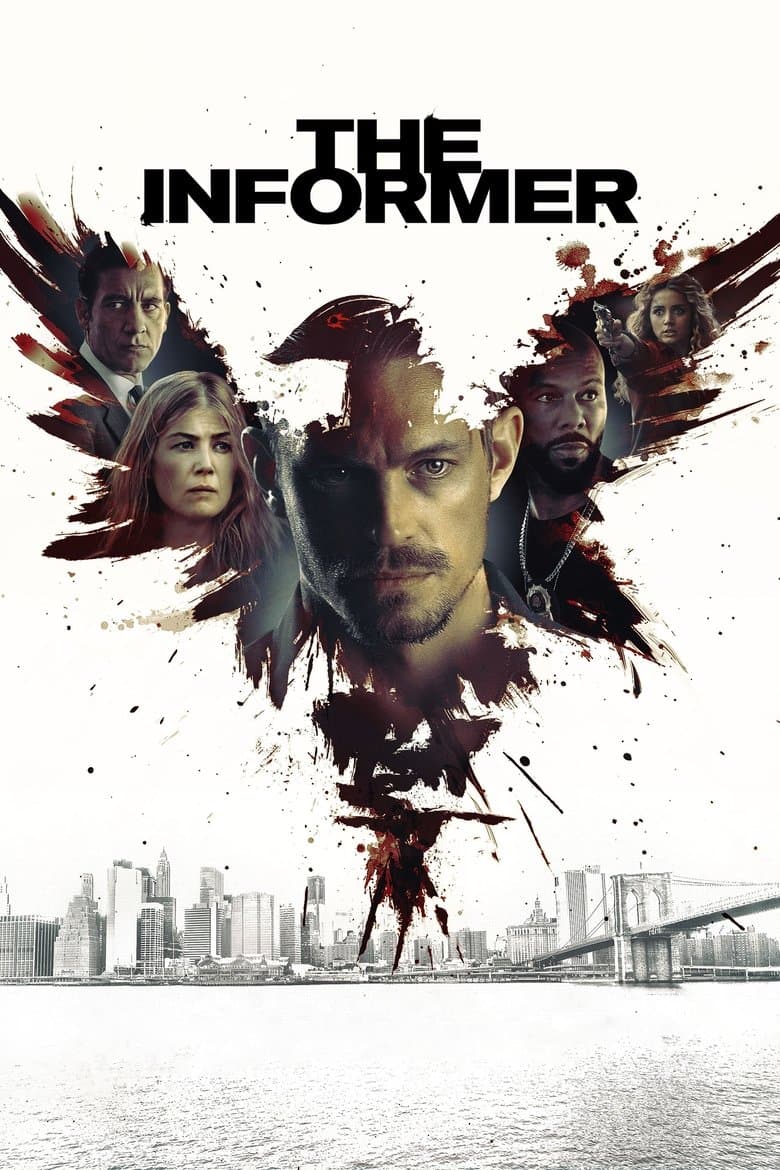
Movie · 2019
In New York, former convict Pete Koslow, related to the Polish mafia, must deal with both Klimek the General, his ruthless boss, and the twisted ambitions of two federal agents…
Movie · 2023
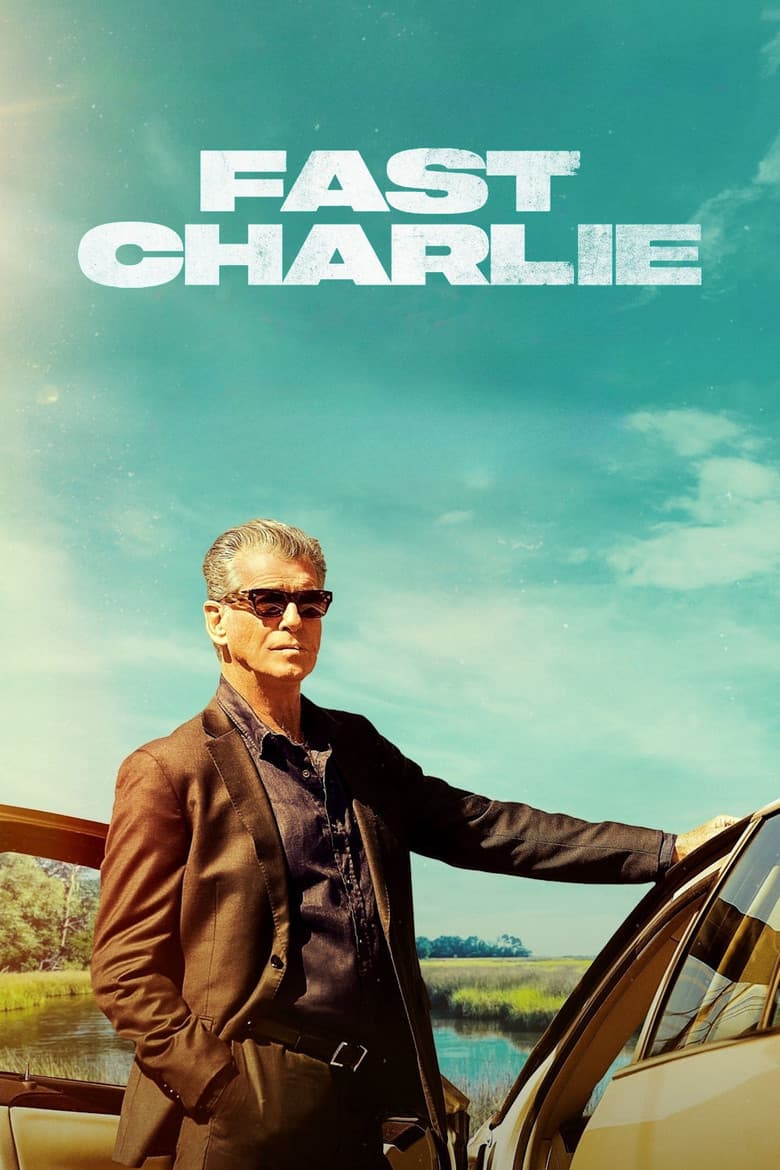
When his aging mob boss is whacked, Charlie Swift, a loyal friend and hired gun, will stop at nothing to destroy the upcoming crew that took him out.
