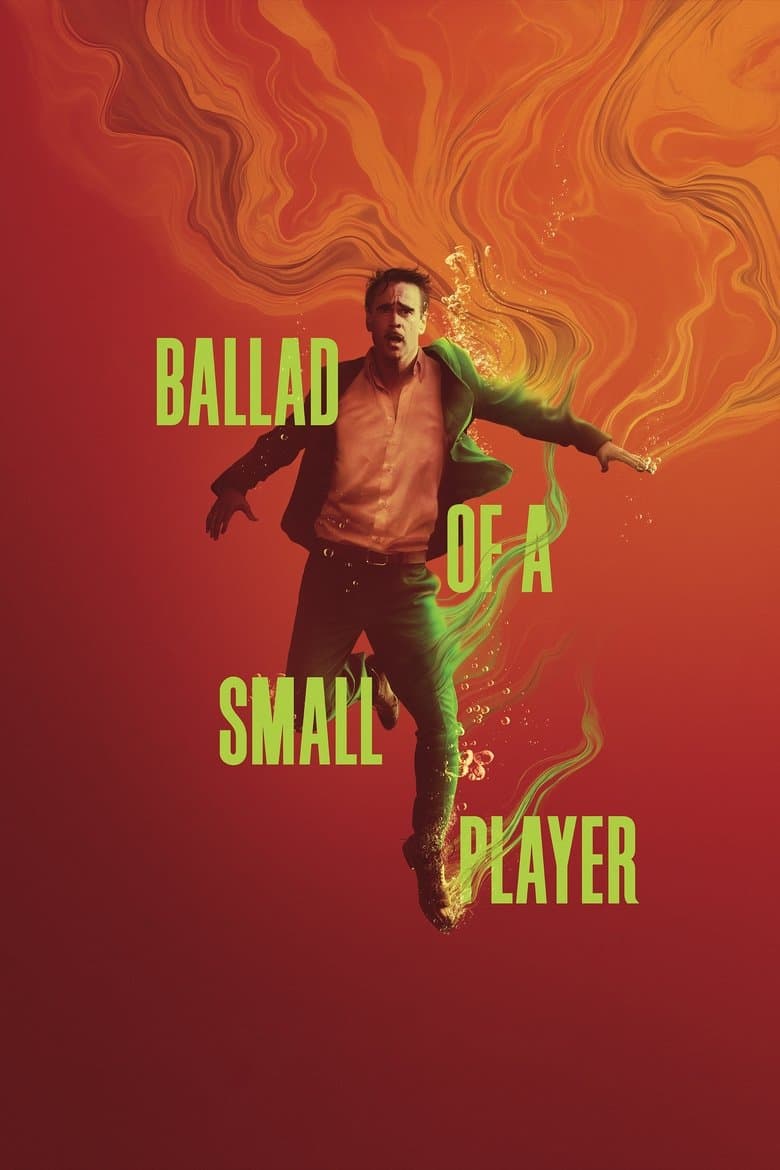
Brendan Reilly is an Irish man who hides in Macau under the false name Lord Doyle. He has stolen money, owes large debts, drinks too much, and keeps gambling because he hopes for one final win. A private investigator follows him, while a casino worker named Dao Ming offers help. The film moves through bright casinos, hotel rooms, temples, and an island retreat with a dark, strange, dreamlike tone.
The story gives key roles to Dao Ming, an older casino player known as Grandma, and a private investigator who tracks Doyle. Dao Ming has her own guilt and a painful past, so the bond between the two gamblers becomes part of the mystery. The main ideas are addiction, guilt, greed, false status, death, and the chance to change. Dao Ming’s link to the Hungry Ghost Festival adds Chinese spiritual beliefs and a ghost mystery. The film’s message stays focused on personal wrongdoing and redemption.
Community feedback
Was our 4% Woke rating accurate?
Breakdown
These are the editorial factors and ratings behind our score for Ballad of a Small Player.
Woke representation / casting
Not present. The film places Chinese actors in local Macau roles and gives Western roles to Irish and British characters. The casting fits the story setting and is not framed as an identity campaign.
0%
Woke political dialogue
Not present. The dialogue centers on gambling, debt, crime, guilt, money, and redemption. It does not include current activist, identity, DEI, or anti-conservative political speeches.
0%
Identity-driven story themes
Not present. The identity theme concerns Reilly hiding behind the name Lord Doyle. The story does not make race, gender, sexuality, or group identity a political cause.
0%
Western institutional / cultural critique
Not present. The film shows gambling, greed, and financial crime as damaging personal choices. It does not build a modern activist attack on Western culture, men, family, religion, or social institutions.
0%
Woke character or canon changes
Not relevant. The adaptation adds Cynthia Blithe and changes Dao Ming’s job, but those changes serve the chase and ghost plot. No identity-driven change to a known character, canon, or real event is shown.
0%
Anti-woke backlash and complaints
Not present. The separate X research pass found no anti-woke posts or specific complaints about the film. Wider audience and critic talk focused on Colin Farrell, the visuals, the story, and the ghost ending rather than woke or DEI messaging.
0%
Creator track record context
Edward Berger’s past work mainly examines war, power, and institutions through historical or religious settings. Rowan Joffé has worked on a drama about an asylum seeker, while Lawrence Osborne has said fiction should not steer readers toward a political view. Casting director Nina Gold has publicly valued diversity in casting and has a record of inclusive franchise work. This gives the film a mild creator track record signal, but no strong modern activist pattern is tied to this movie.
18%
Production
Movie · 2019
Pennsylvania, 1956. Frank Sheeran, a war veteran of Irish origin who works as a truck driver, accidentally meets mobster Russell Bufalino.
Movie · 2021
A cold and mysterious new security guard for a Los Angeles cash truck company surprises his co-workers when he unleashes precision skills during a heist.
Movie · 2019
In the wake of his dramatic escape from captivity, Jesse Pinkman must come to terms with his past in order to forge some kind of future.

Movie · 2018
On the night she plans on taking her own life, 17-year-old 'Lisa McVey' is kidnapped and finds herself fighting to stay alive and is raped.
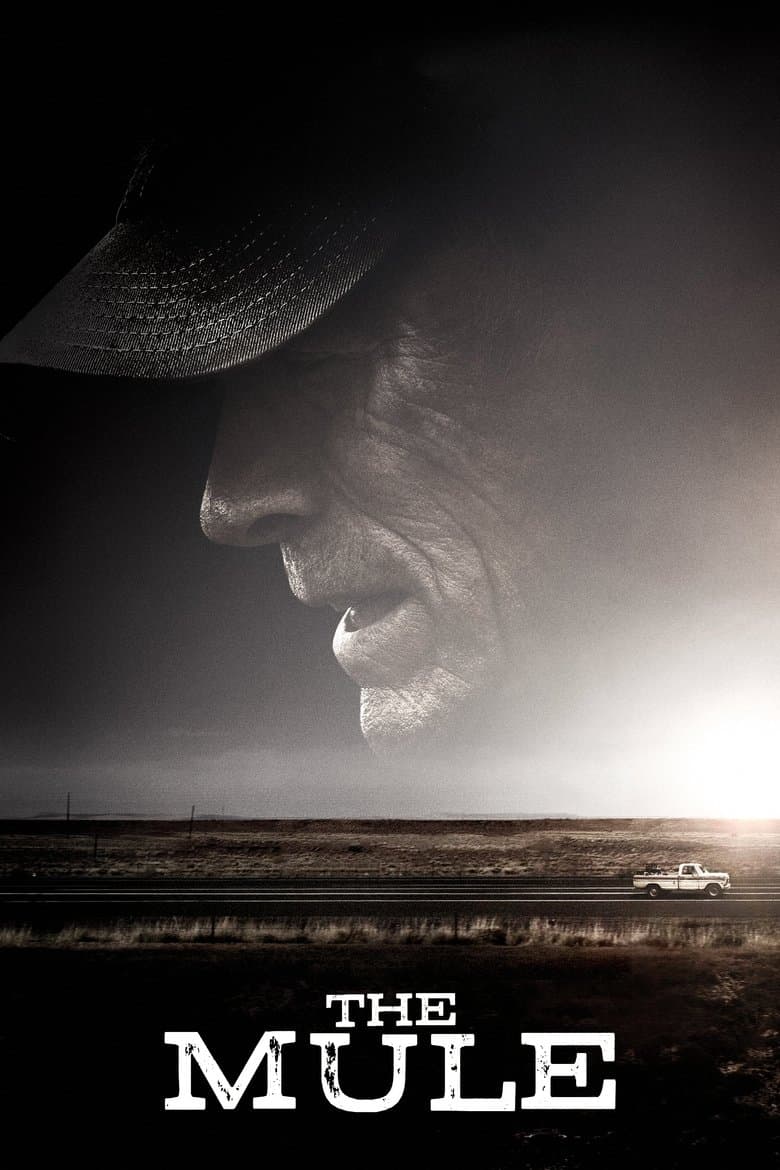
Movie · 2018
Earl Stone, a man in his eighties, is broke, alone, and facing foreclosure of his business when he is offered a job that simply requires him to drive.

Movie · 2016
Nate Foster, a young, idealistic FBI agent, goes undercover to take down a radical white supremacy terrorist group.
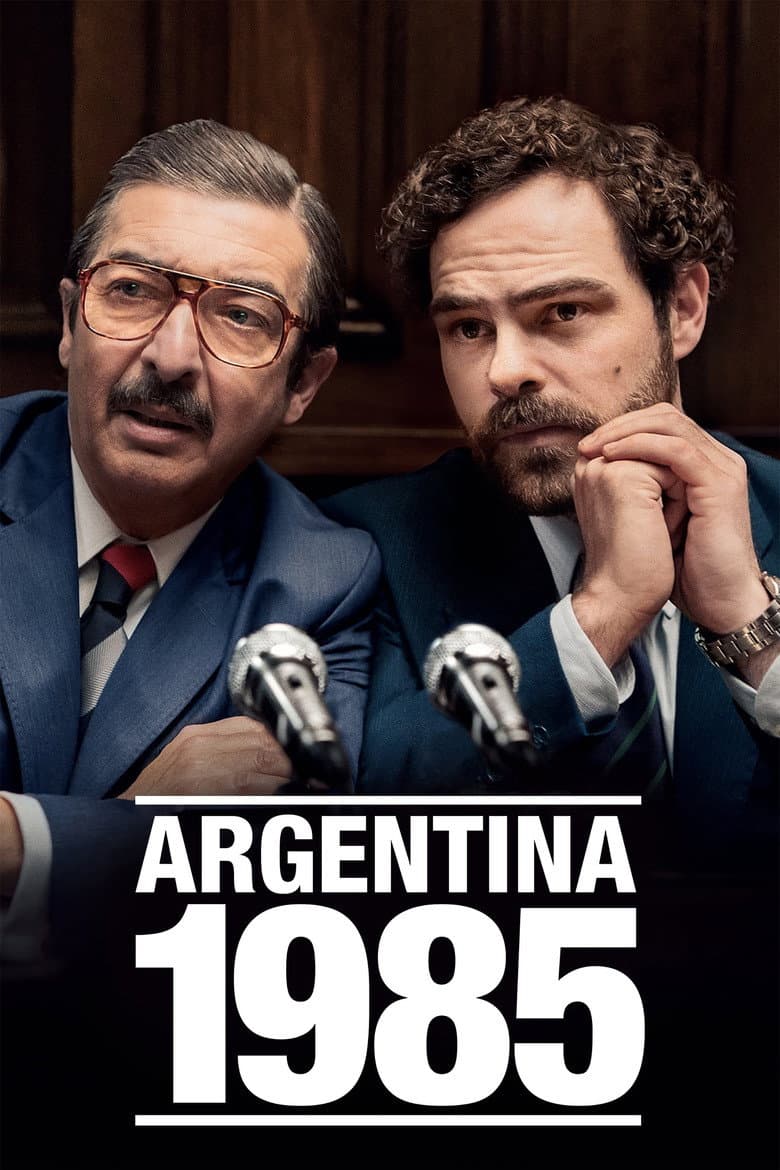
Movie · 2022
In the 1980s, a team of lawyers takes on the heads of Argentina's bloody military dictatorship in a battle against odds and a race against time.
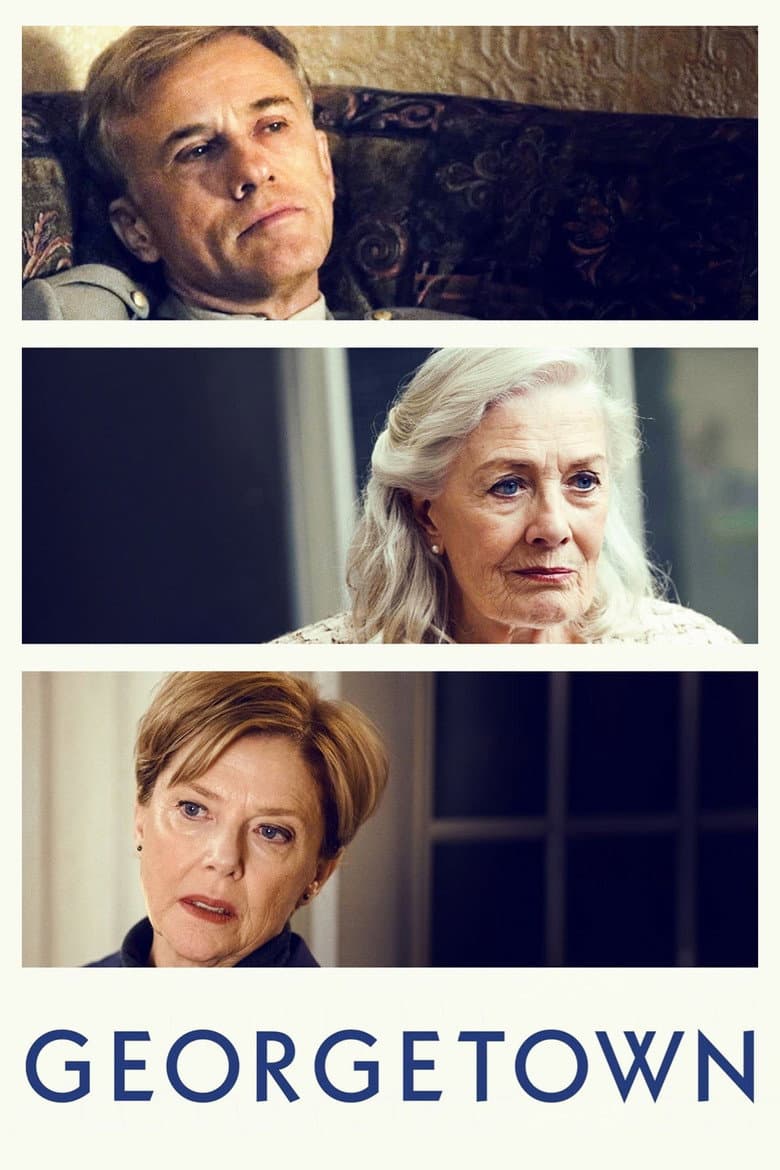
Movie · 2019
Ulrich Mott is an eccentric and versatile social climber with grandiose plans to affect United States foreign policy.
