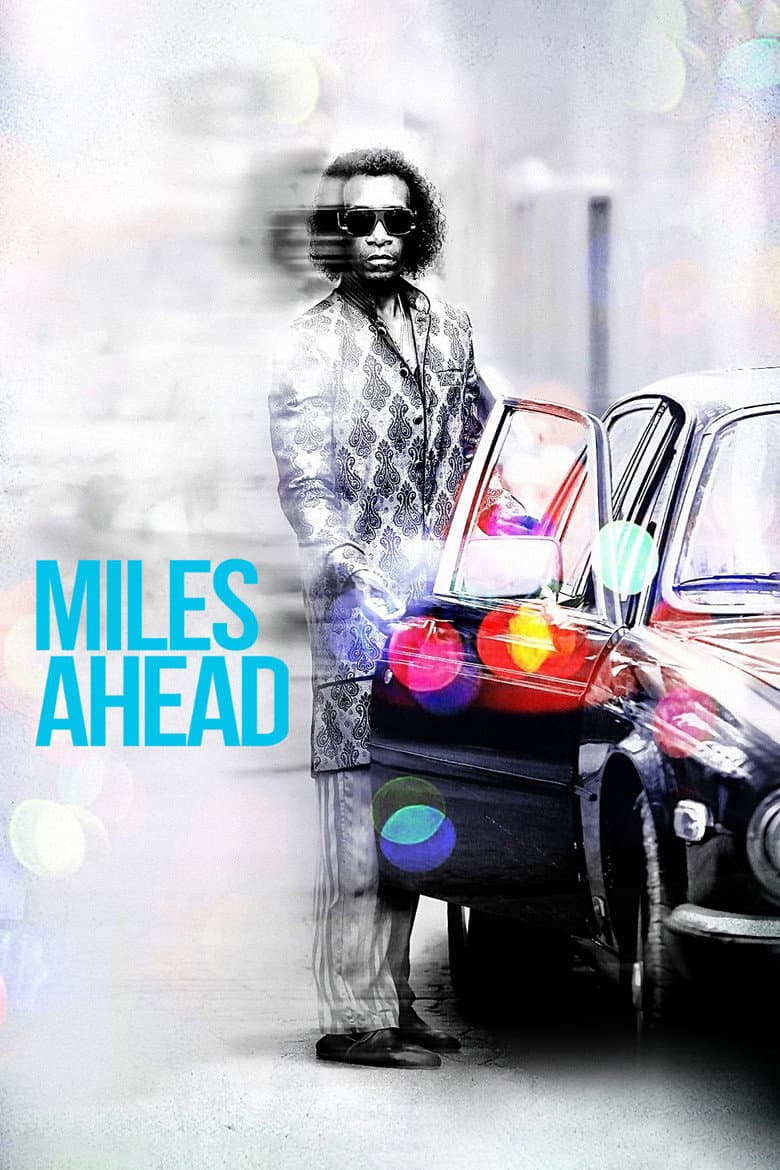
Miles Ahead follows jazz trumpeter Miles Davis during a rough stretch in 1979 New York. Davis has stopped recording, hides in his apartment, and guards a new session tape from his record company. A made-up Rolling Stone reporter, Dave Braden, pulls him into a violent hunt for the stolen tape. Flashbacks show Davis meeting, marrying, and hurting dancer Frances Taylor in the 1950s and 1960s. The film feels loud, strange, funny, and sad.
The film's clearest identity-related material comes from Davis's control of Frances, who gives up her dance career after he tells her that a wife's place is with him. The story shows her skill as a dancer, his cheating, and their physical fights, then gives space to his regret. A brief police beating and Frances's charge that the officers are racist show racial conflict from the period. The movie keeps these issues inside a story about Davis's music, addiction, marriage, and comeback, rather than making them a current campaign about gender or race.
Community feedback
Was our 34% Woke rating accurate?
Breakdown
These are the editorial factors and ratings behind our score for Miles Ahead.
Woke representation / casting
Not present. The main roles are black musicians and people from Miles Davis's real circle, which fits the story. Ewan McGregor plays a fictional white reporter, but the film does not present that choice as a diversity message.
0%
Woke political dialogue
The film has a few brief identity lines. Miles jokes that he woke up Black and knew how to play, and Frances calls the police racist after his beating. The lines fit the period story and do not become a repeated modern activist message.
15%
Identity-driven story themes
The film repeatedly returns to Miles's control of Frances. It shows him pushing her to leave dance, cheating on her, and hurting her during their marriage. Frances has clear skill and anger, but Miles remains the center of the story. The film treats this as a painful part of his real life, not as a current campaign about gender.
32%
Western institutional / cultural critique
The film shows a white police officer beating Miles and white record executives trying to control his music and money. It also shows Miles using marriage to control Frances. These events criticize unfair treatment and male entitlement inside the period story, but the film does not turn them into a broad modern attack on Western institutions.
15%
Woke character or canon changes
Not relevant. The film changes the order of real events and adds a fictional reporter and stolen-tape chase. It does not change a known person's race, sex, sexuality, or identity.
0%
Anti-woke backlash and complaints
Not present. The supplied X pass found no anti-woke posts or named complaints. Available reviews and audience comments focus on the loose biography, unusual style, and Cheadle's performance, not woke or DEI messaging.
0%
Creator track record context
Don Cheadle has a strong public record of humanitarian work, racial representation, and progressive social causes. His public comments often discuss Hollywood access, racial inequality, and LGBTQ rights. The three writers have much less activist context and are mainly known for historical stories. The film itself does not turn those outside signals into a current activist story, so this score reflects context around the title.
60%
Production
Movie · 2019
Richard Jewell thinks quick, works fast, and saves hundreds, perhaps thousands, of lives after a domestic terrorist plants several pipe bombs and they explode during a concert…
Movie · 2016
WWII American Army Medic Desmond T. Doss, who served during the Battle of Okinawa, refuses to kill people and becomes the first Conscientious Objector in American history to…
Movie · 2024
On the brink of the Second World War, a young Norwegian man's drive to resist the Nazis sets a new course for his future – and the future of his country.
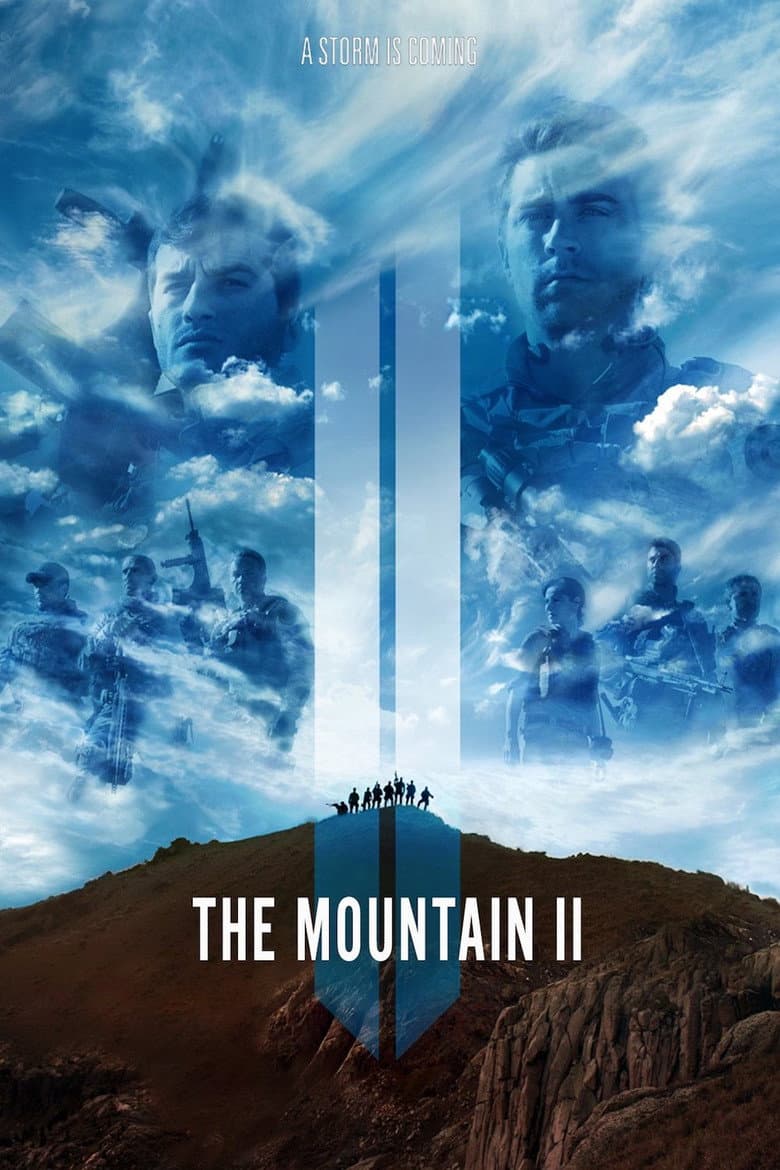
Movie · 2016
In a desolate war zone where screams of the innocent echo, on the very line between disaster and valor, 7 Maroon Berets will dance with death.
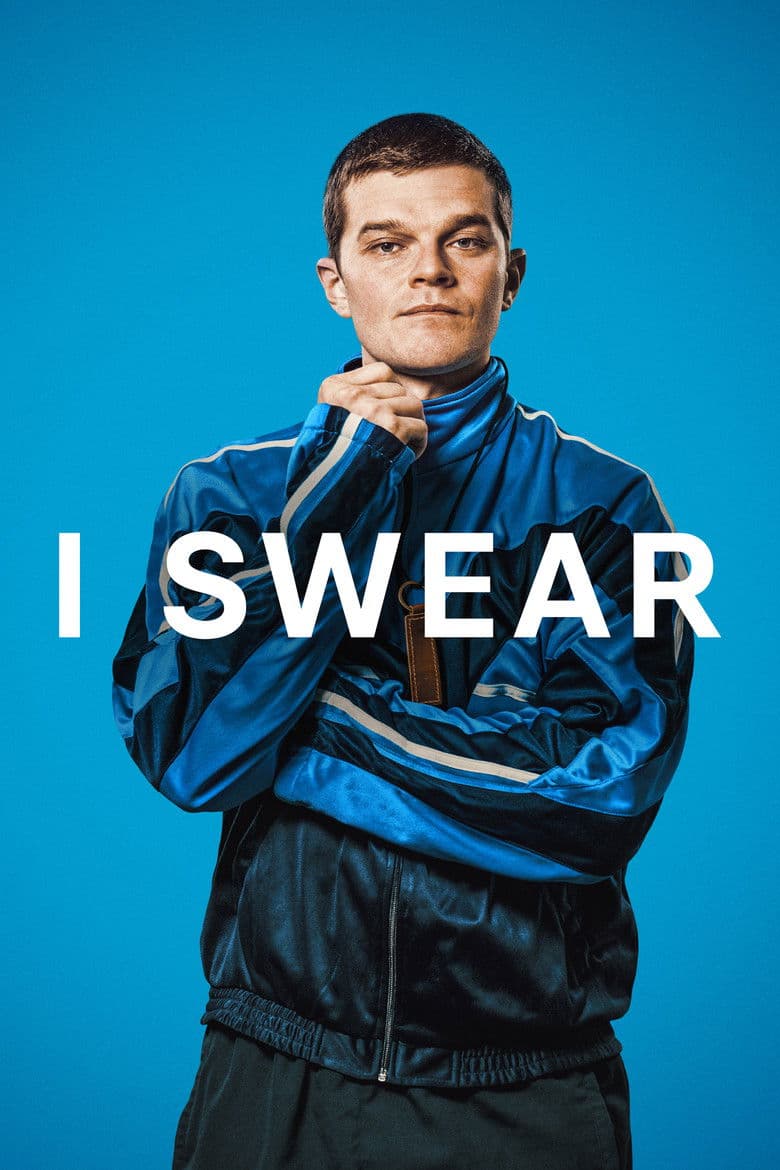
Movie · 2025
Diagnosed with Tourette Syndrome at 15, John Davidson navigates his way against the odds through troubled teenage years and into adulthood, finding inspiration in the kindness of…
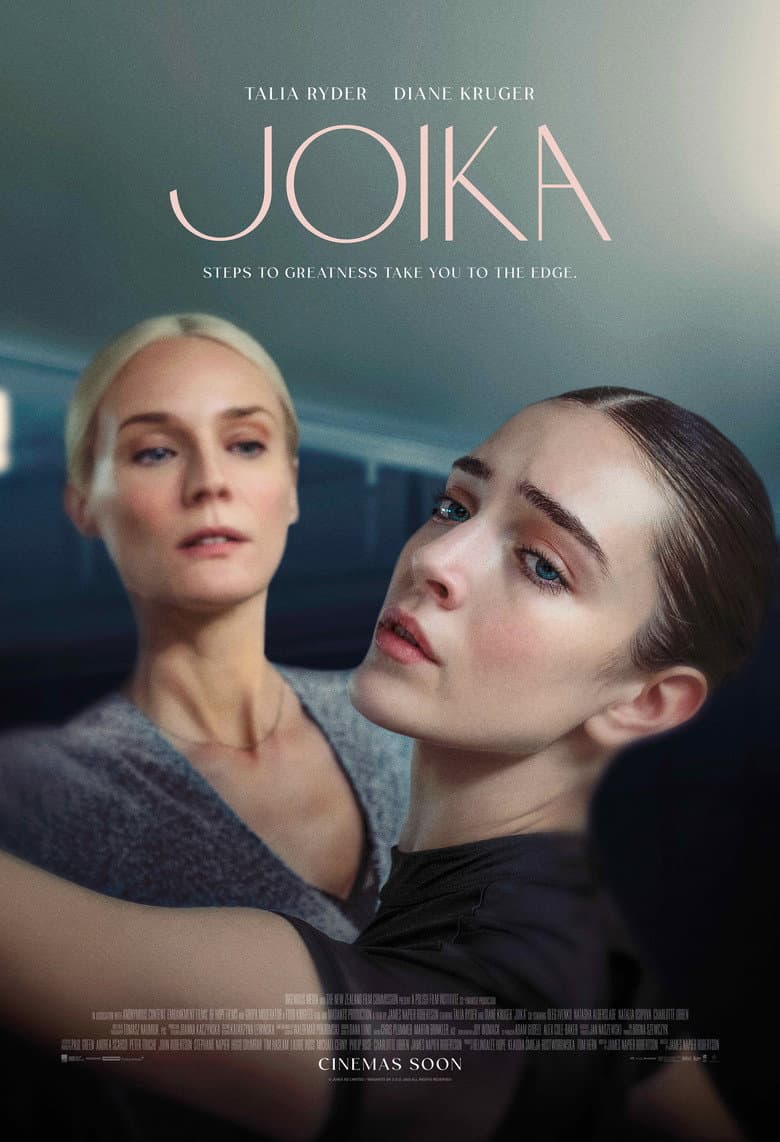
Movie · 2023
American ballet dancer Joy Womack is accepted into Moscow's infamously tough Bolshoi Ballet Academy, with the dream of becoming a great ballerina.
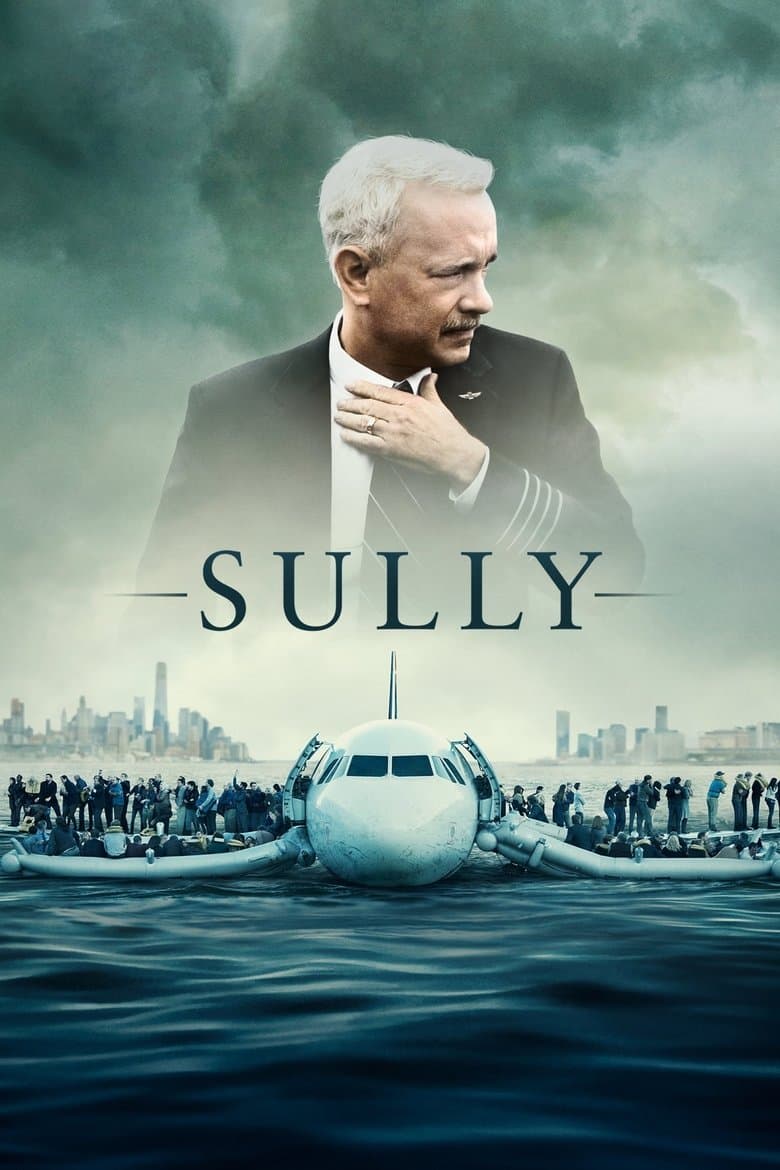
Movie · 2016
On 15 January 2009, the world witnessed the 'Miracle on the Hudson' when Captain 'Sully' Sullenberger glided his disabled plane onto the Hudson River, saving the lives of all 155…
Movie · 2020
A man refuses all assistance from his daughter as he ages and, as he tries to make sense of his changing circumstances, he begins to doubt his loved ones, his own mind and even…
