
The American follows Joy Womack, a gifted teenage ballet dancer from Texas who leaves her family to train in Moscow. She enters the strict Bolshoi Ballet Academy because she wants to become a great ballerina. Joy faces teachers and students who doubt her because she is American, while the school demands painful work and total loyalty. The film has a dark, tense tone, with dance scenes that feel more like a survival test than a cheerful success story.
Joy must learn that talent and hard work do not always decide who gets a place in Russian ballet. Her teacher Tatiyana Volkova controls the students through fear, praise, and punishment, while Joy's friendship and romance with Nikolay give her a small amount of support. Joy makes extreme choices to fit the world she wants to enter, and she keeps dancing after serious injury. The story presents ambition as both a source of strength and a danger that can destroy a person's health, family ties, and sense of self.
Community feedback
Was our 7% Woke rating accurate?
Breakdown
These are the editorial factors and ratings behind our score for The American.
Woke representation / casting
Not present. Joy Womack is shown as the real American ballerina at the center of the story. The main roles fit the American and Russian ballet setting, and no wider diversity-first casting message is shown.
0%
Woke political dialogue
Not present. The film includes lines about dancing like an American and about academy politics. Those lines describe national rivalry and favoritism inside the ballet system, not modern DEI, activist, or identity-politics ideas.
0%
Identity-driven story themes
Not present. Joy's story centers on ballet skill, obsession, and sacrifice. Her status as an American explains the conflict with the Russian academy, but the film does not turn that conflict into a modern identity campaign.
0%
Western institutional / cultural critique
Not present. The film criticizes the harsh Bolshoi training system and Russian ballet politics. It does not attack Western family life, Christianity, capitalism, or modern conservative social norms.
0%
Woke character or canon changes
Not relevant. The movie compresses and dramatizes Womack's real experiences. No identity-related change to a known character, source, or historical figure is reported.
0%
Anti-woke backlash and complaints
Not present. No anti-woke backlash found. The supplied X pass found no anti-woke posts or specific complaints. Other audience and review pages focus on ballet, pacing, intensity, and story accuracy rather than DEI or identity politics.
0%
Creator track record context
The director's supplied score is 55 because his earlier work often centers Māori history, cultural identity, and people pushed to the edge. The three casting directors have supplied scores from 30 to 55, with some queer or feminist work in their other credits. Most producers have low supplied scores and little public activist history, so the overall context is mixed and indirect.
35%
Production
Movie · 2020
A man refuses all assistance from his daughter as he ages and, as he tries to make sense of his changing circumstances, he begins to doubt his loved ones, his own mind and even…
Movie · 2017
In 1950, amidst the ravages of the Korean War, Sergeant Süleyman stumbles upon a a half-frozen little girl, with no parents and no help in sight and he risks his own life to save…
Movie · 2016
On 15 January 2009, the world witnessed the 'Miracle on the Hudson' when Captain 'Sully' Sullenberger glided his disabled plane onto the Hudson River, saving the lives of all 155…
Movie · 2016
WWII American Army Medic Desmond T. Doss, who served during the Battle of Okinawa, refuses to kill people and becomes the first Conscientious Objector in American history to…
Movie · 2017
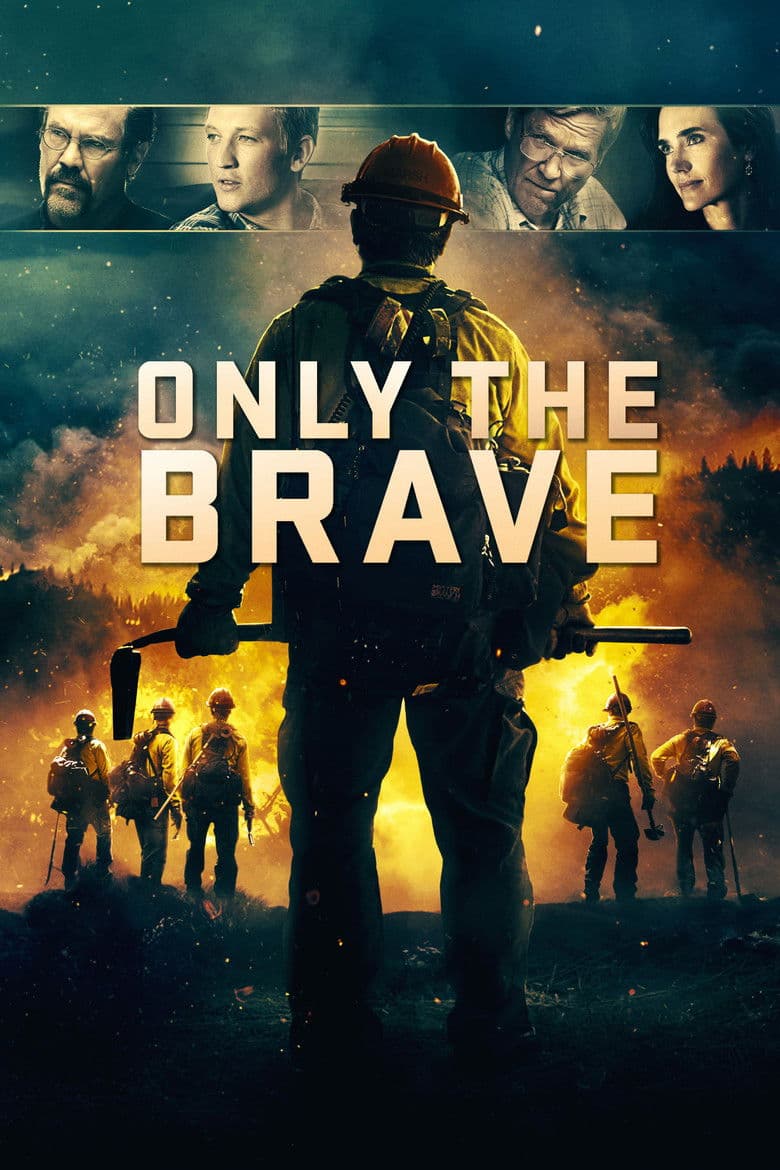
Members of the Granite Mountain Hotshots battle deadly wildfires to save an Arizona town.
Movie · 2022
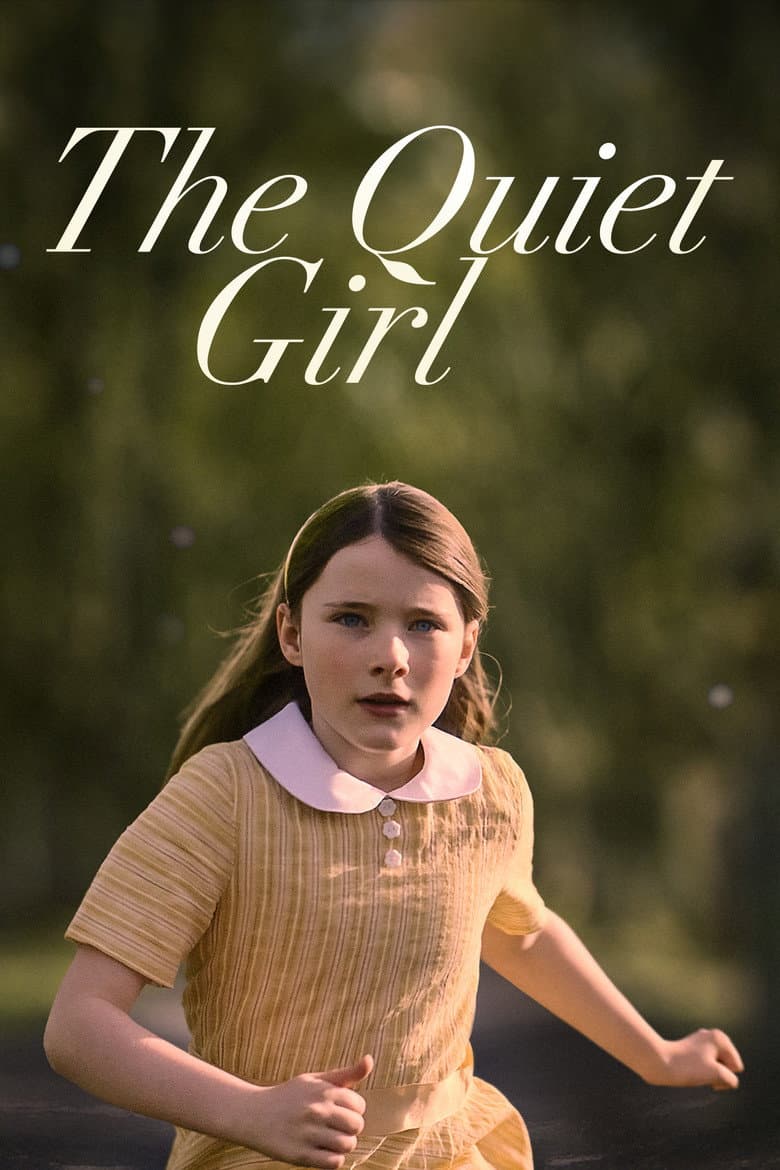
A quiet, neglected girl is sent away from her dysfunctional family to live with relatives for the summer. She blossoms in their care, but in this house where there are meant to be…
Movie · 2019
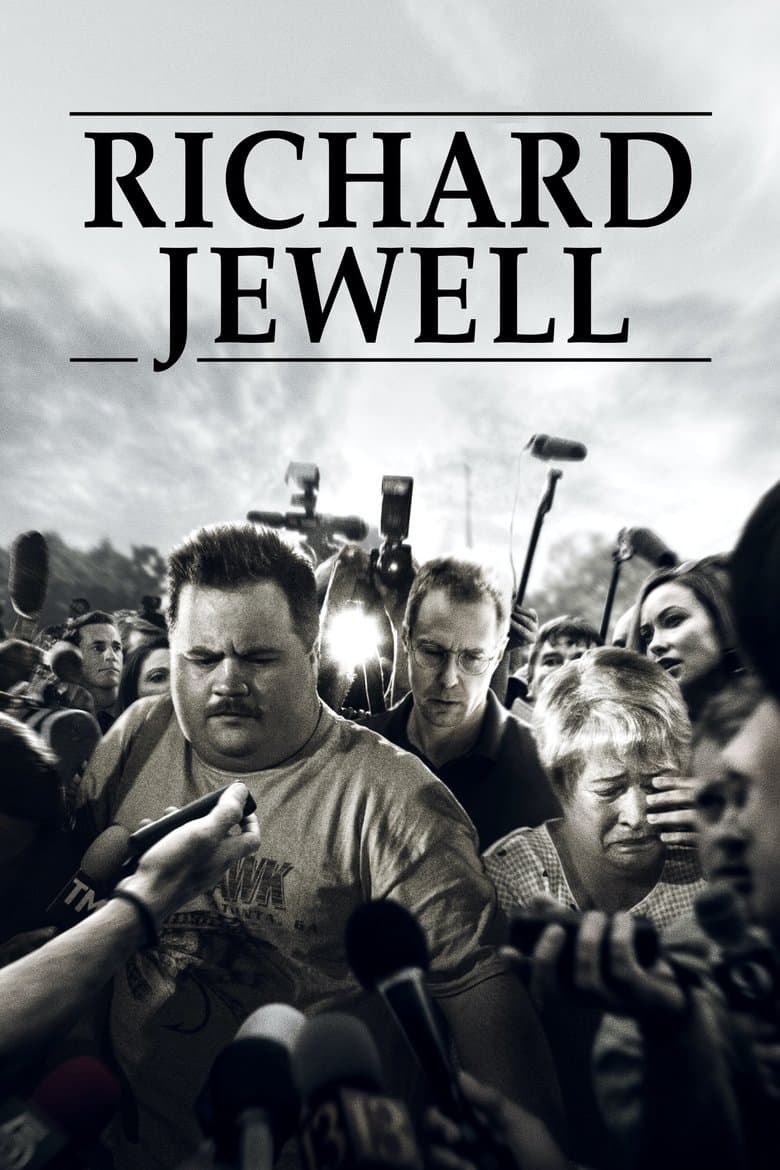
Richard Jewell thinks quick, works fast, and saves hundreds, perhaps thousands, of lives after a domestic terrorist plants several pipe bombs and they explode during a concert…
Movie · 2024
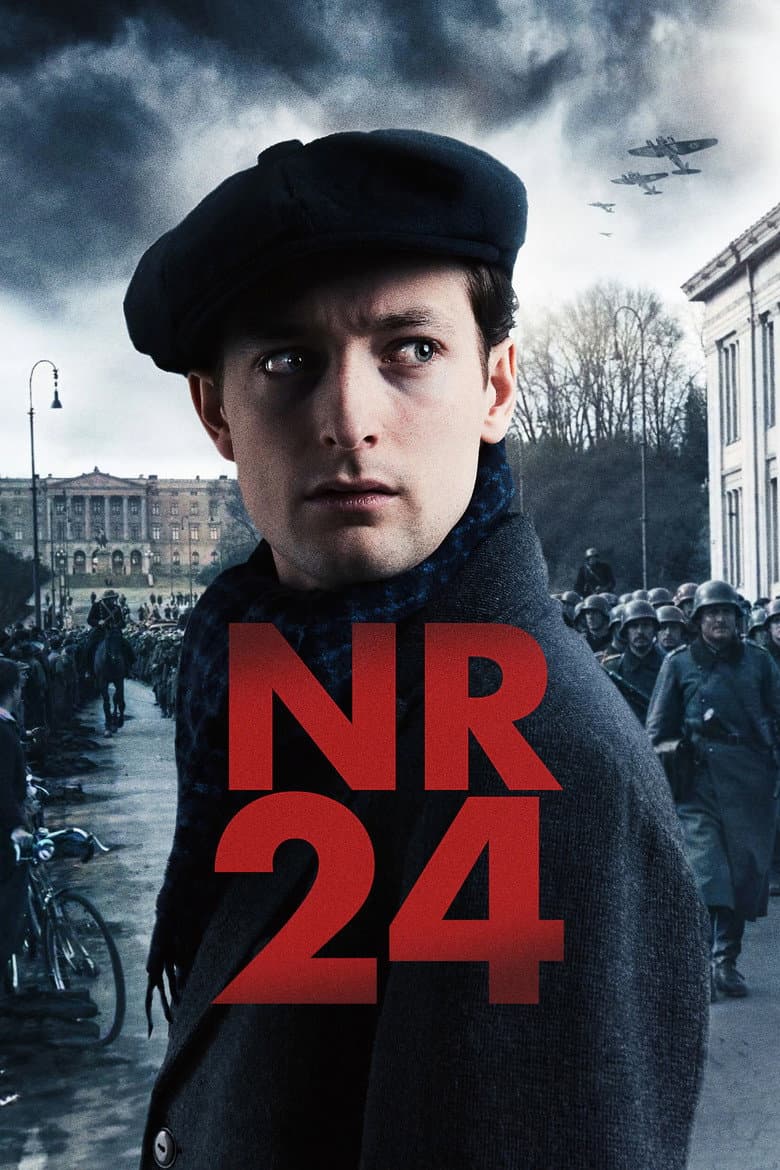
On the brink of the Second World War, a young Norwegian man's drive to resist the Nazis sets a new course for his future – and the future of his country.
