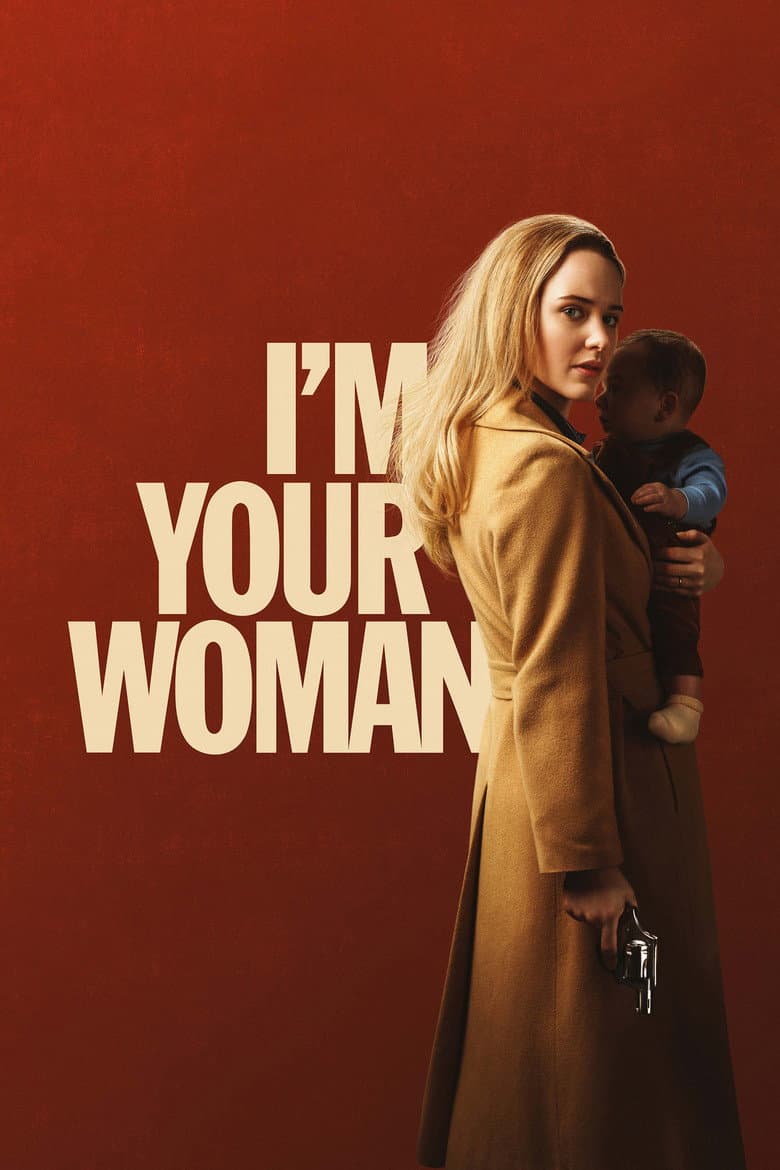
Jean is a sheltered housewife in a quiet 1970s suburb. Her criminal husband suddenly brings home a baby, then disappears after betraying his partners. Jean flees at night with the child, cash, and Cal, a guarded man sent to protect her. The film mixes slow crime suspense, family danger, sudden violence, and a gradual change from fear to courage.
The story places a woman and a baby at the center of a crime world usually shown through men. Jean learns to care for Harry, make choices, use a gun, and protect herself instead of waiting for Eddie to return. Cal, his wife Teri, their son Paul, and Cal's father Art give the story a black family whose safety and past shape Jean's journey. A racist police stop and the film's focus on women pushed aside in older crime stories make gender and race clear parts of the plot.
Community feedback
Was our 50% Woke rating accurate?
Breakdown
These are the editorial factors and ratings behind our score for I'm Your Woman.
Woke representation / casting
Jean is white, while Cal, Teri, Paul, and Art are black and hold important roles. The film gives this black family its own history, danger, and family life instead of using them as background. The police stop also makes the racial mix visible to the audience. Hart and Brosnahan described the project as moving women and black characters toward the center of a genre that often pushed them aside.
36%
Woke political dialogue
A white police officer stops Jean and Cal because they are a white woman and a black man traveling together. The officer treats Cal as a threat and suggests that Jean is unsafe with him. Jean's white status helps end the exchange. The scene is brief, and the film has no repeated speeches about DEI, gender politics, or activism.
24%
Identity-driven story themes
The film turns a male crime story into Jean's story. Jean changes from a sheltered wife who depends on Eddie to a mother who makes choices, learns to use a gun, and protects her child. Teri becomes a key guide and survivor, and the bond between the two women drives much of the second half. The story repeatedly asks what happens to women and black families who were pushed aside in older crime films.
49%
Western institutional / cultural critique
The film shows men making decisions while women carry the danger. Eddie keeps Jean ignorant and sends her into danger after his crime goes wrong. The police stop presents racial bias inside a public institution. The film criticizes male control and racist policing, but it does not attack Christianity, capitalism, or Western society as a whole.
28%
Woke character or canon changes
Not relevant. The film is an original story, even though it draws from older crime movies and takes its title from a line in Thief. It does not change an established character, canon, or historical figure.
0%
Anti-woke backlash and complaints
Not present. The supplied X research found no anti-woke posts or named complaints. Reddit and news coverage showed discussion of pacing, race, and the female viewpoint, but no clear claim that the film pushed DEI or identity politics.
0%
Creator track record context
The supplied context gives Julia Hart, Jordan Horowitz, and Rachel Brosnahan mid-50s woke scores. Their stated and prior work often centers women, underrepresented characters, and representation. Candice Alustiza-Lee's supplied context also points to equity-focused casting. The wider crew record is mixed because Bart Lipton and Karlee Fomalont have low supplied scores and no known activist pattern.
50%
Production
Movie · 2024
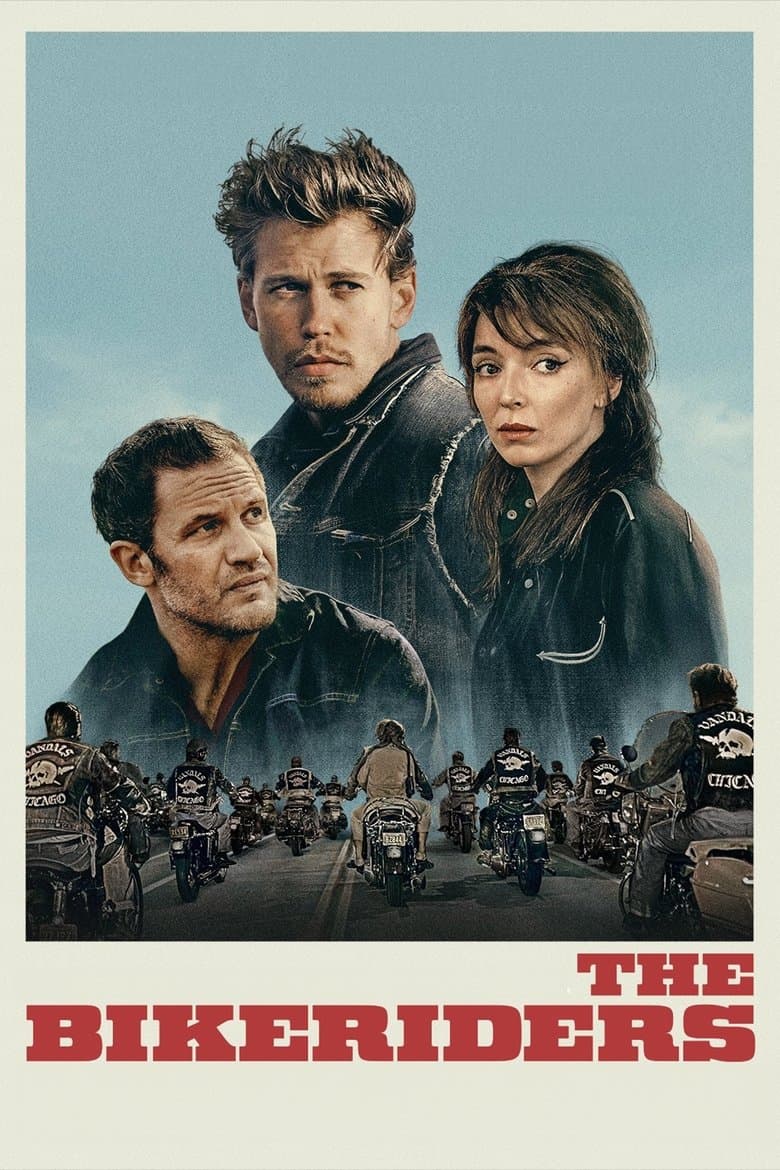
After a chance encounter, headstrong Kathy is drawn to Benny, member of Midwestern motorcycle club the Vandals.
Movie · 2017
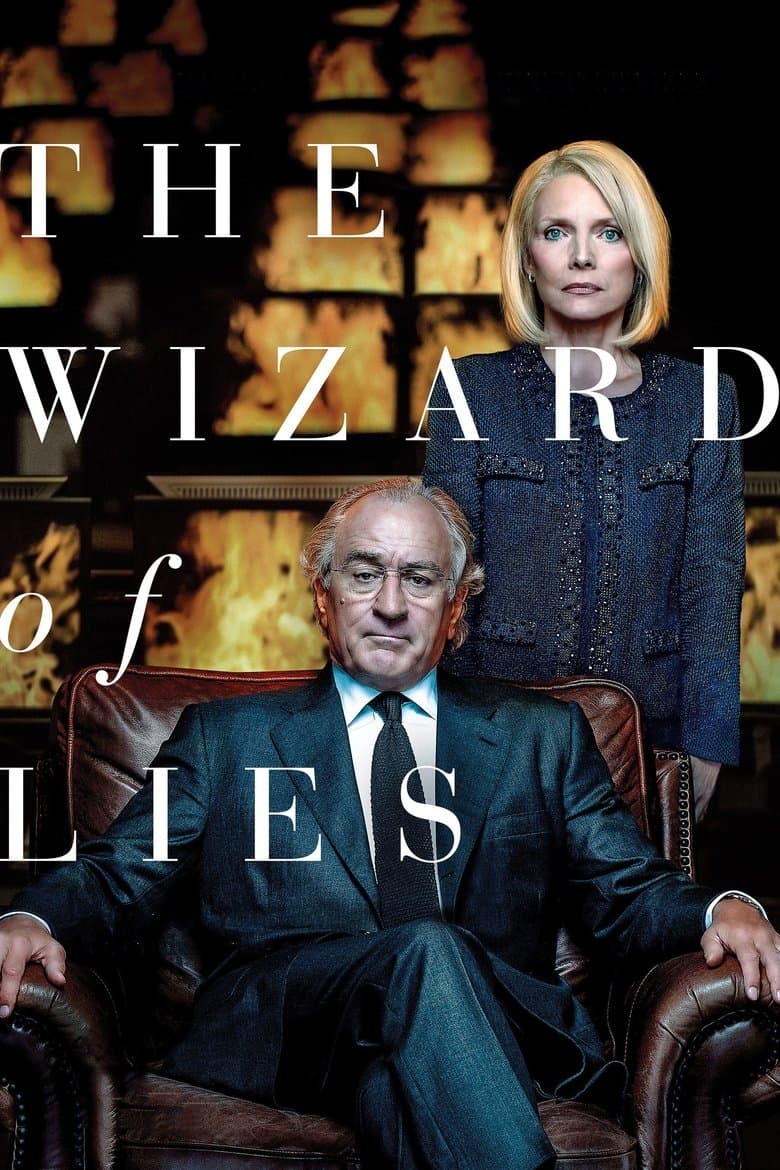
A look behind the scenes at Bernie Madoff's massive Ponzi scheme, how it was perpetrated on the public and the trail of destruction it left in its wake, both for the victims and…
Movie · 2016
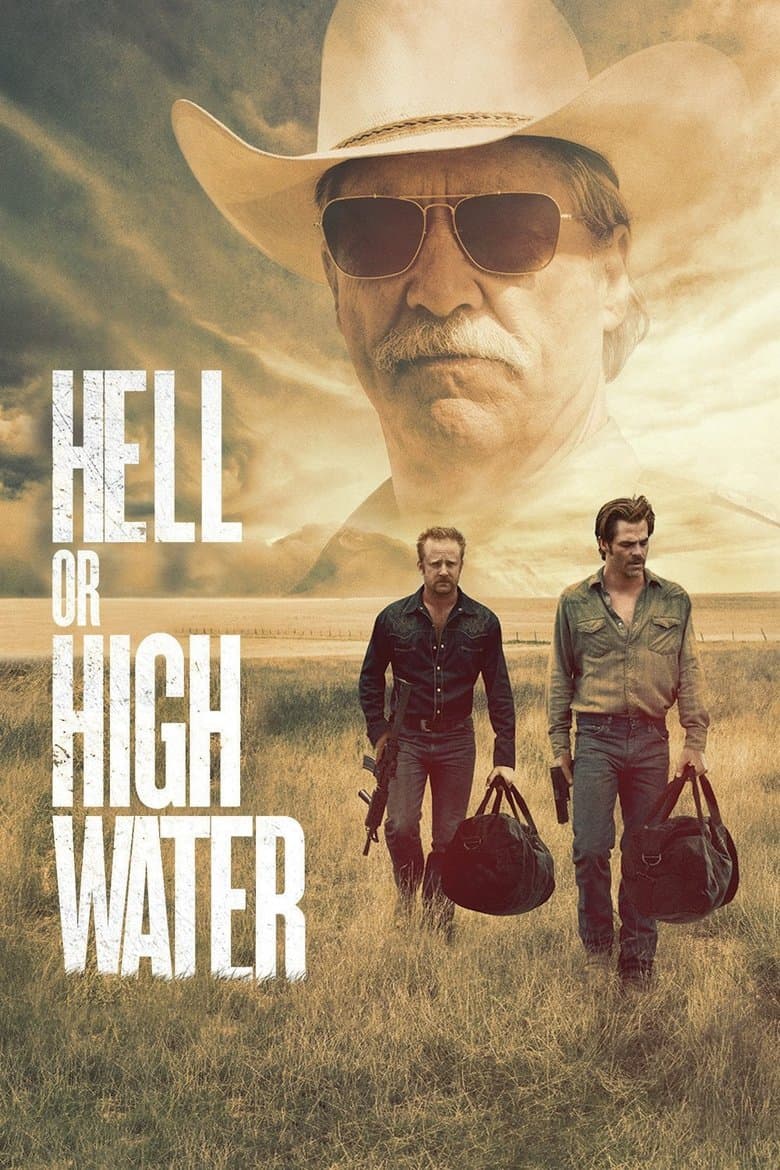
A divorced dad and his ex-con brother resort to a desperate scheme in order to save their family's farm in West Texas.
Movie · 2017
After 20 years abroad, Mark Renton returns to Scotland and reunites with his old friends Sick Boy, Spud and Begbie.
Movie · 2021
Deputy Sheriff Joe "Deke" Deacon joins forces with Sgt. Jim Baxter to search for a serial killer who's terrorizing Los Angeles.
Movie · 2022
In the 1980s, a team of lawyers takes on the heads of Argentina's bloody military dictatorship in a battle against odds and a race against time.
Movie · 2017
A traumatized veteran, unafraid of violence, tracks down missing girls for a living. When a job spins out of control, his nightmares begin to overtake him, and a conspiracy is…

Movie · 2016
Nate Foster, a young, idealistic FBI agent, goes undercover to take down a radical white supremacy terrorist group.
