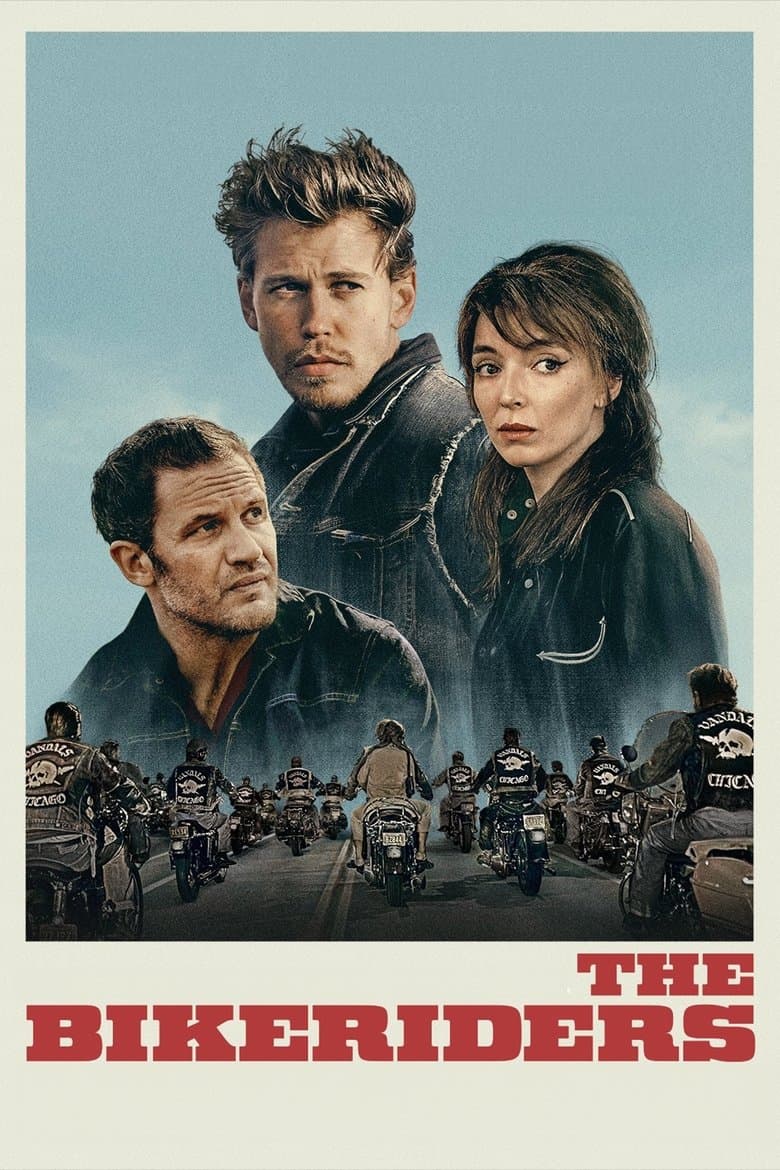
The Bikeriders follows Kathy, a sharp and strong-willed young woman who falls for Benny after seeing him at a Chicago bar. Benny belongs to the Vandals, a loose motorcycle club led by Johnny, and Kathy soon marries him. The story moves through the Midwest from the mid-1960s into the early 1970s as the club grows from a group of friends into a violent gang. The film feels rough, smoky, romantic, and sad as its members lose the freedom they wanted.
Kathy tells the story through interviews with photographer Danny Lyon, so the movie often looks at the bikers from outside their group. She sees that the club's rules and fights slowly replace its early friendship, and she worries that Benny will be hurt or killed. Benny is pulled between his marriage and the brotherhood that gives him a sense of freedom and belonging. The film's main ideas are loyalty, love, male pride, changing times, and the danger of turning a private club into a powerful gang.
Community feedback
Was our 17% Woke rating accurate?
Breakdown
These are the editorial factors and ratings behind our score for The Bikeriders.
Woke representation / casting
Not present in this title.
0%
Woke political dialogue
Not present. Conversations stay on club loyalty, personal relationships, violence, and subculture changes. No activist speeches, identity-based arguments, or political messaging appears.
0%
Identity-driven story themes
The film gives Kathy the main voice in a male club and makes her place as a woman part of the story. Kathy questions the club's rules, violence, and pressure on Benny. Her viewpoint shapes the love story and the way viewers judge the men. The movie does not turn her into an activist or argue for a wider gender program, so this is a mild identity-driven element.
18%
Western institutional / cultural critique
The film repeatedly treats the club's macho rules and emotional silence as harmful. Kathy sees that the men use fighting to solve problems and that the club makes them less free. The story shows female exclusion and a near assault, but those events grow from the club's period setting and crime plot. The film does not build a modern attack on patriarchy or Western institutions, so the critique stays mild.
16%
Woke character or canon changes
Not relevant. The story is a fictionalized adaptation inspired by real photos and interviews with no established characters or historical figures altered for identity or ideological reasons.
0%
Anti-woke backlash and complaints
One niche Reddit review called the female viewpoint a woke feminist agenda and said it weakened the men's story. Other audience threads focus on accents, acting, pacing, and the gap between the trailer and the finished movie. Mainstream reviews do not describe the film as woke or DEI-driven. The complaint is isolated and weak, so it has little effect on the factor.
7%
Creator track record context
Jeff Nichols has a low public record for activist or identity-driven work. Danny Lyon has a stronger civil-rights and Occupy background, but the film mainly uses his biker book as source material. The producers have little public record of identity-politics activism. This gives the title mild creator-context weight without matching its main story.
15%
Production
Movie · 2019
Pennsylvania, 1956. Frank Sheeran, a war veteran of Irish origin who works as a truck driver, accidentally meets mobster Russell Bufalino.
Movie · 2024
While awaiting the next fuel truck at a middle-of-nowhere Arizona rest stop, a traveling young knife salesman is thrust into a high-stakes hostage situation by the arrival of two…
Movie · 2019
In 1934, Frank Hamer and Manny Gault, two former Texas Rangers, are commissioned to put an end to the wave of vicious crimes perpetrated by Bonnie Parker and Clyde Barrow, a…
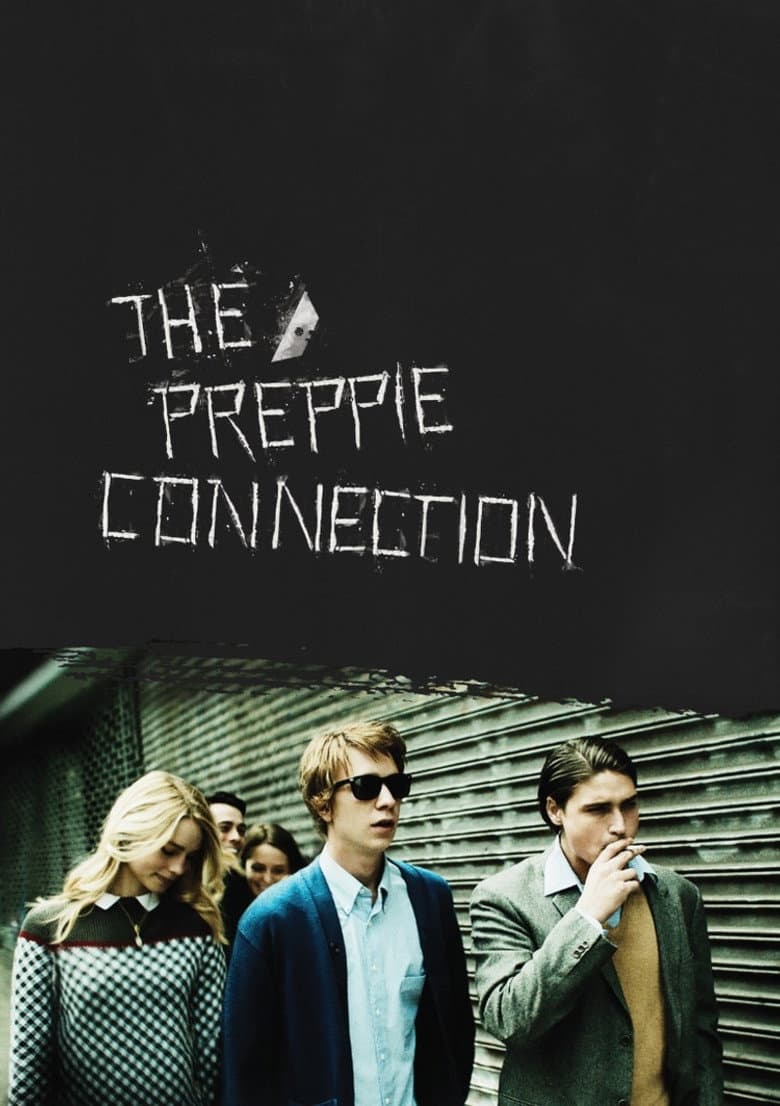
Movie · 2016
A student at a private school uses his connections to establish a drug trafficking network.
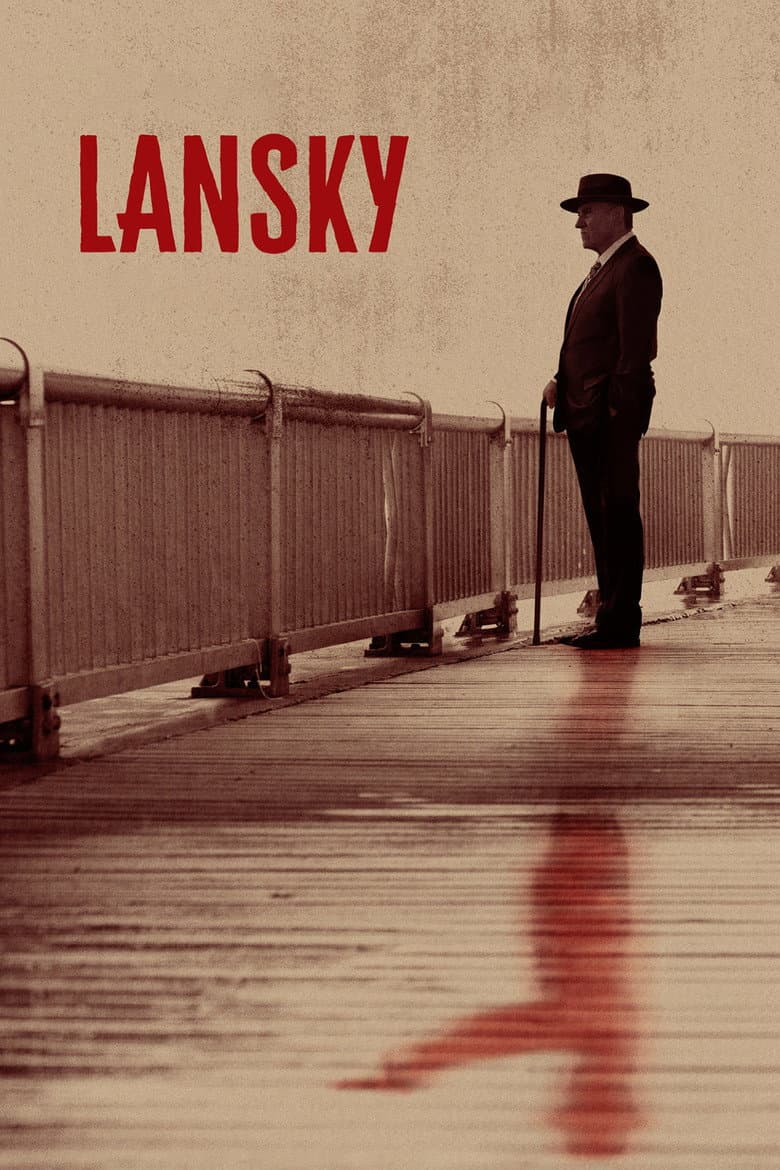
Movie · 2021
When the aging Meyer Lansky is investigated one last time by the Feds who suspect he has stashed away millions of dollars over half a century, the retired gangster spins a…
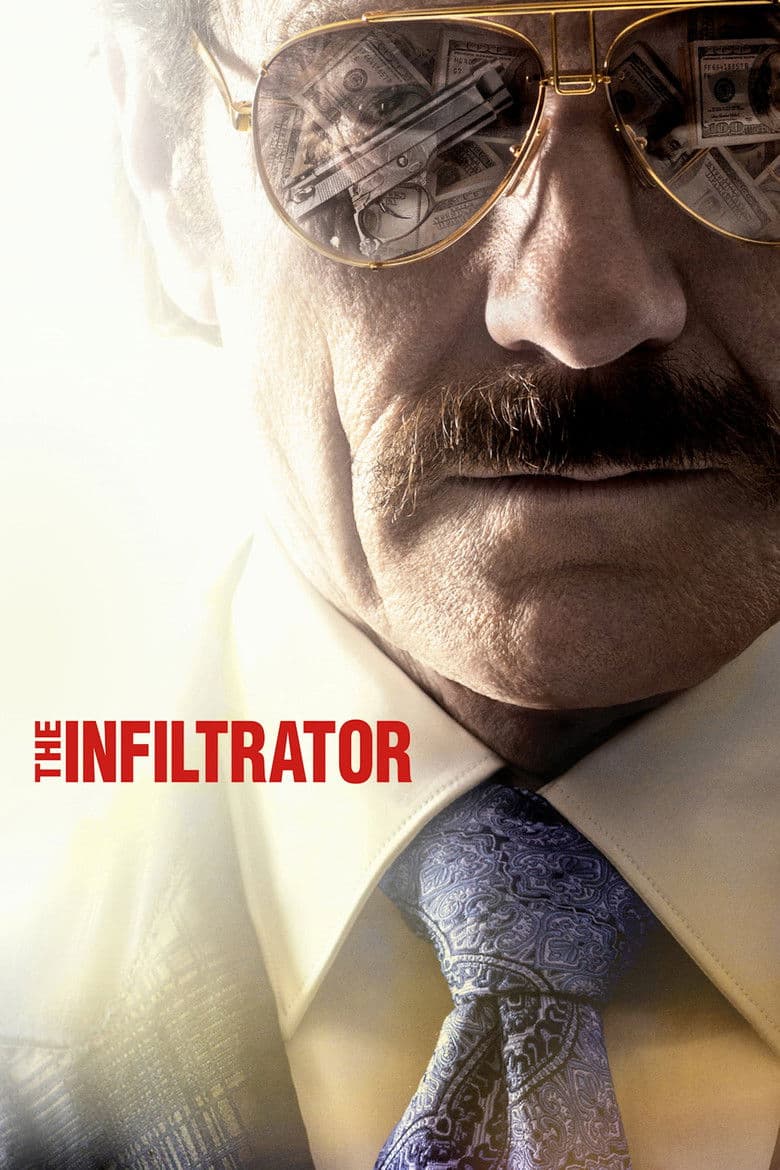
Movie · 2016
A U.S Customs official uncovers a massive money laundering scheme involving Pablo Escobar.

Movie · 2023
The hardened son of a powerful industrialist returns home after years abroad and vows to take bloody revenge on those threatening his father's life.
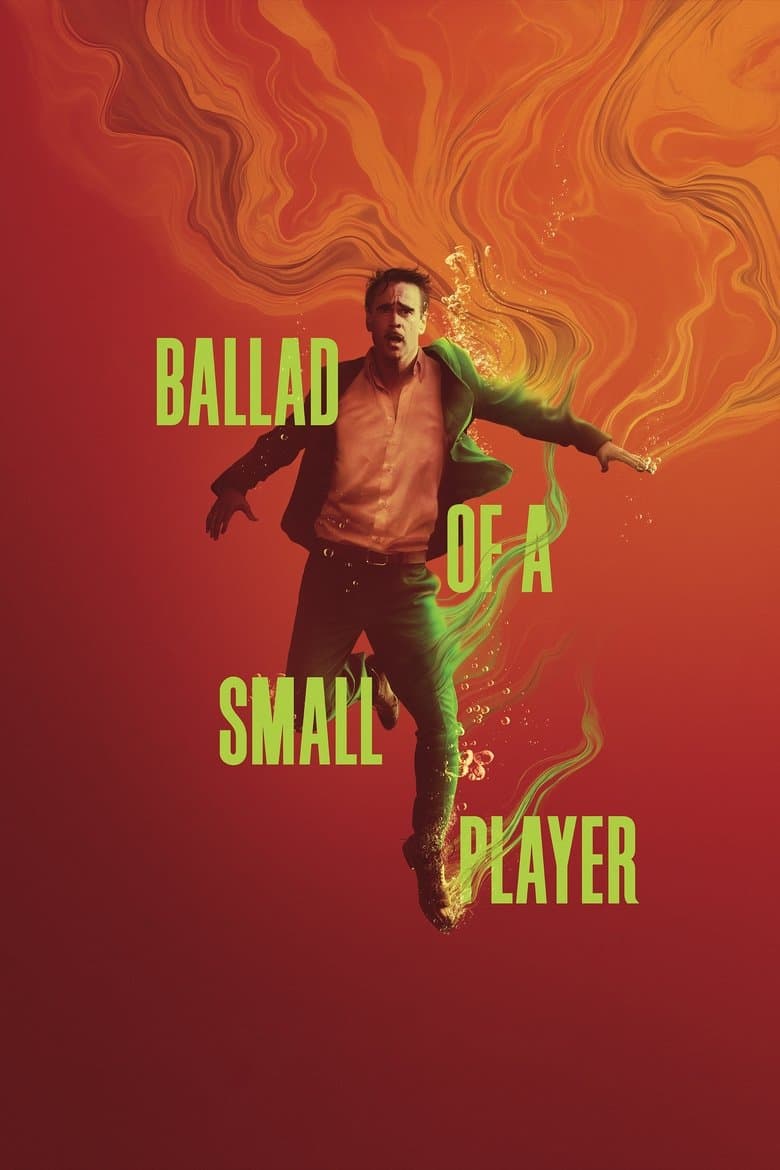
Movie · 2025
Amid the glittering casinos of Macau, a gambler running from his past—and his debts—becomes fascinated by an enigmatic woman at the baccarat table.
