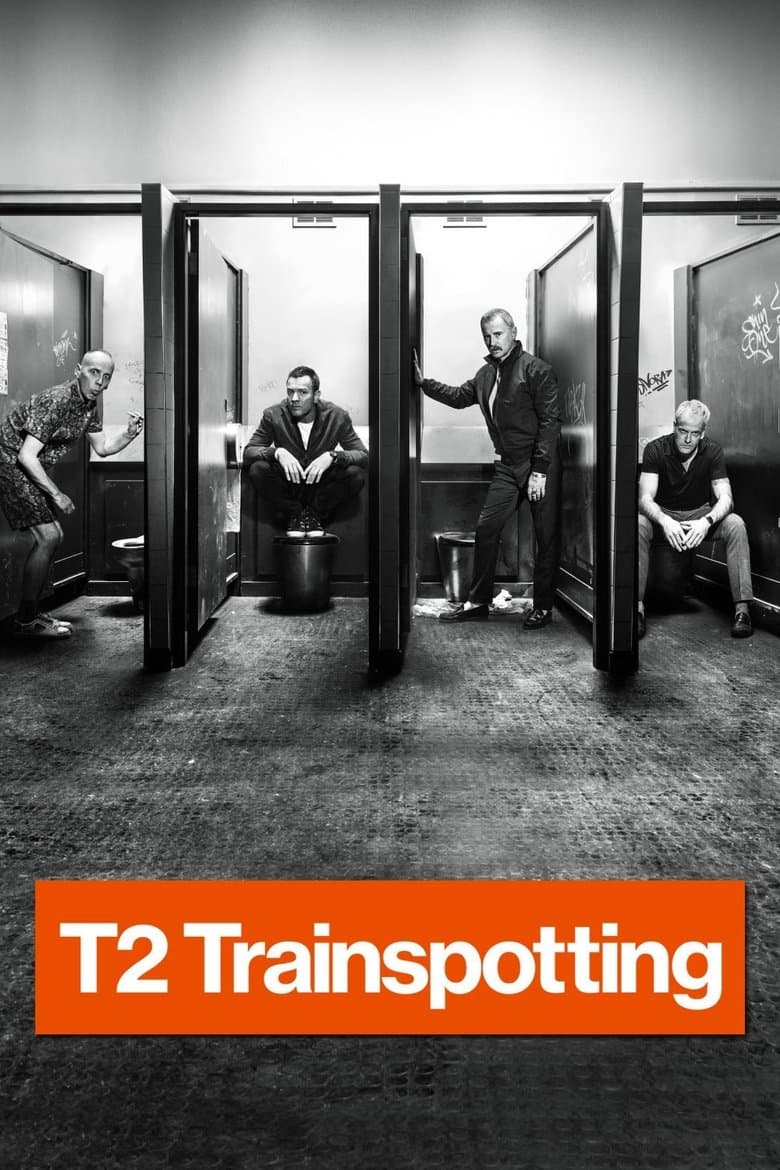
Mark Renton returns to Edinburgh after about twenty years away. He faces divorce, job insecurity, and a health scare. He falls back in with Sick Boy, Spud, and Begbie. The story follows failed middle-aged men, old grudges, a botched brothel and EU-grant scam, and whether anyone can move on from addiction and the past. It is more elegy and crime farce than activist identity drama.
The film turns on aging, addiction, friendship, betrayal, and nostalgia. Renton’s updated Choose Life speech names Facebook, Instagram, slut-shaming, revenge porn, and zero-hours contracts as modern social gripes in progressive-coded language, not race or gender identity lectures. The Loyalist club con has political banter and mocks sectarian Unionist identity as abandoned post-industrial leftover, while the director stressed it was not meant to be a political film. Veronika outsmarts the men and absconds with grant money, which some feminist reviewers liked, but the film still centers the men’s bonds and treats masculinity as personal male wreckage rather than a race, queer, or DEI campaign. No meaningful anti-woke backlash treated the film as identity propaganda.
Community feedback
Was our 21% Woke rating accurate?
Breakdown
These are the editorial factors and ratings behind our score for T2 Trainspotting.
Woke representation / casting
Not present. The leads are the same white Scottish men from the 1996 film. Newcomer Veronika is a Bulgarian partner in Sick Boy’s schemes and fits the story world. No audience-visible diversity quota casting or identity-statement casting in prominent roles.
0%
Woke political dialogue
Renton’s updated Choose Life speech names Facebook, Instagram, slut-shaming, revenge porn, and zero-hours contracts. These are modern social gripes in progressive-coded language. They are not race or gender identity lectures. The Loyalist-pub con has political banter but stays in criminal satire.
20%
Identity-driven story themes
Core arcs are male midlife failure, heroin relapse, friendship, and revenge. Veronika outsmarts the men and absconds with grant money, a crime payoff some feminist reviewers liked. Boyle and the text treat masculinity as personal male wreckage. They do not treat it as a race, queer, or DEI identity campaign.
15%
Western institutional / cultural critique
The monologue knocks social media, precarious work, and hollow modern life. The Loyalist club set piece mocks sectarian Unionist identity as abandoned post-industrial leftover, with Brexit-era resonance Boyle later discussed. That is noticeable classical left cultural satire. It is not a full modern activist brief against whiteness, patriarchy, or colonial guilt.
20%
Woke character or canon changes
Not relevant. Same characters and actors. Loose adaptation changes are not identity-driven race or gender swaps of established figures.
0%
Anti-woke backlash and complaints
Not present. No meaningful right-leaning or anti-woke campaign treating the film as DEI or identity propaganda. Reception focused on nostalgia and whether the sequel worked.
0%
Creator track record context
Boyle is moderately left-leaning with cultural-sensitivity comments elsewhere. Welsh and Hodge score near zero on identity activism. Producers and casting are mostly low. That supports mild left context, not an identity-politics production team.
20%
Production
Movie · 2017
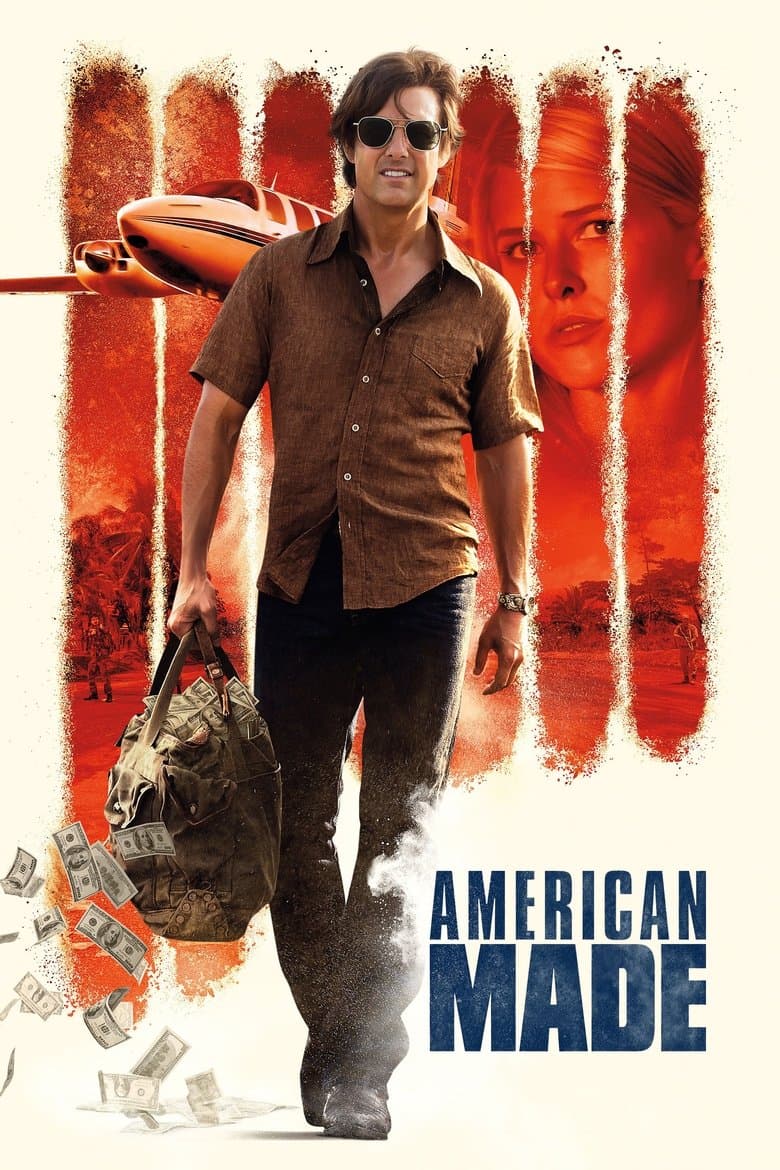
The true story of pilot Barry Seal, who transported contraband for the CIA and the Medellin cartel in the 1980s.
Movie · 2025
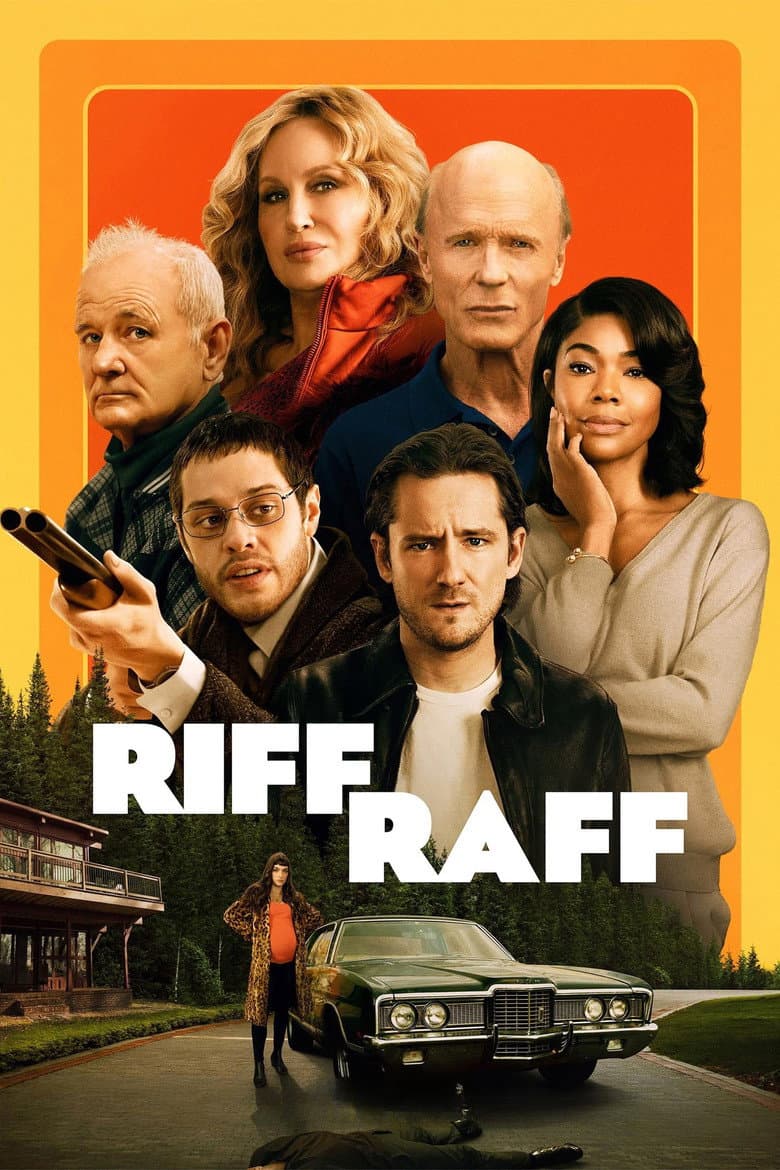
A retired hitman's life is turned upside down when his ex-wife and son arrive unannounced during the holidays because they are on the run from his former mob associates.
Movie · 2018
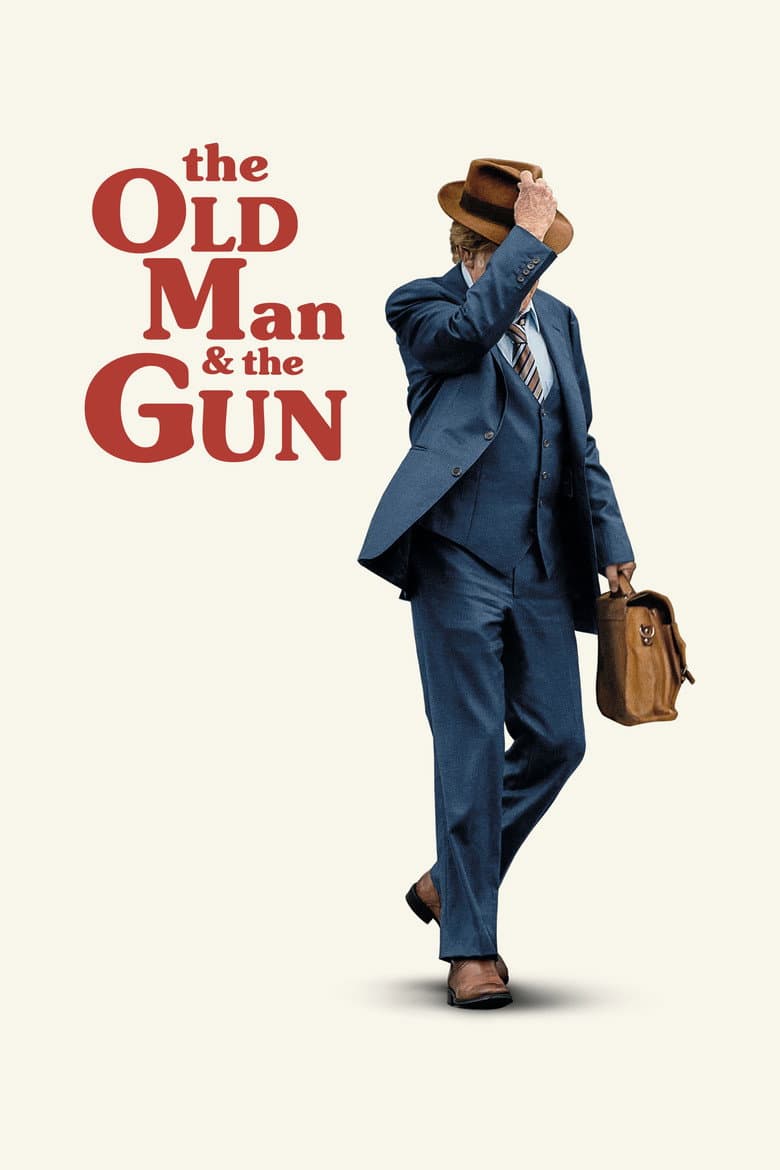
The true story of Forrest Tucker, from his audacious escape from San Quentin at the age of 70 to an unprecedented string of heists that confounded authorities and enchanted the…
Movie · 2017
A disgraced former cop, fresh off a six-year prison sentence for attempted murder, returns home looking for redemption but winds up trapped in the mess he left behind.

Movie · 2016
Based on the true story of two young men, David Packouz and Efraim Diveroli, who won a $300 million contract from the Pentagon to arm America's allies in Afghanistan.

Movie · 2017
When a depressed woman is burglarized, she finds a new sense of purpose by tracking down the thieves alongside her obnoxious neighbor.
Movie · 2017
A young man seeking a father he has never met, through no fault of his own, ends up barricaded in a liquor store with five other people on Christmas Eve in the fictitious town of…

Movie · 2017
Lynn, a brilliant student, after helping her friends to get the grades they need, develops the idea of starting a much bigger exam-cheating business.
