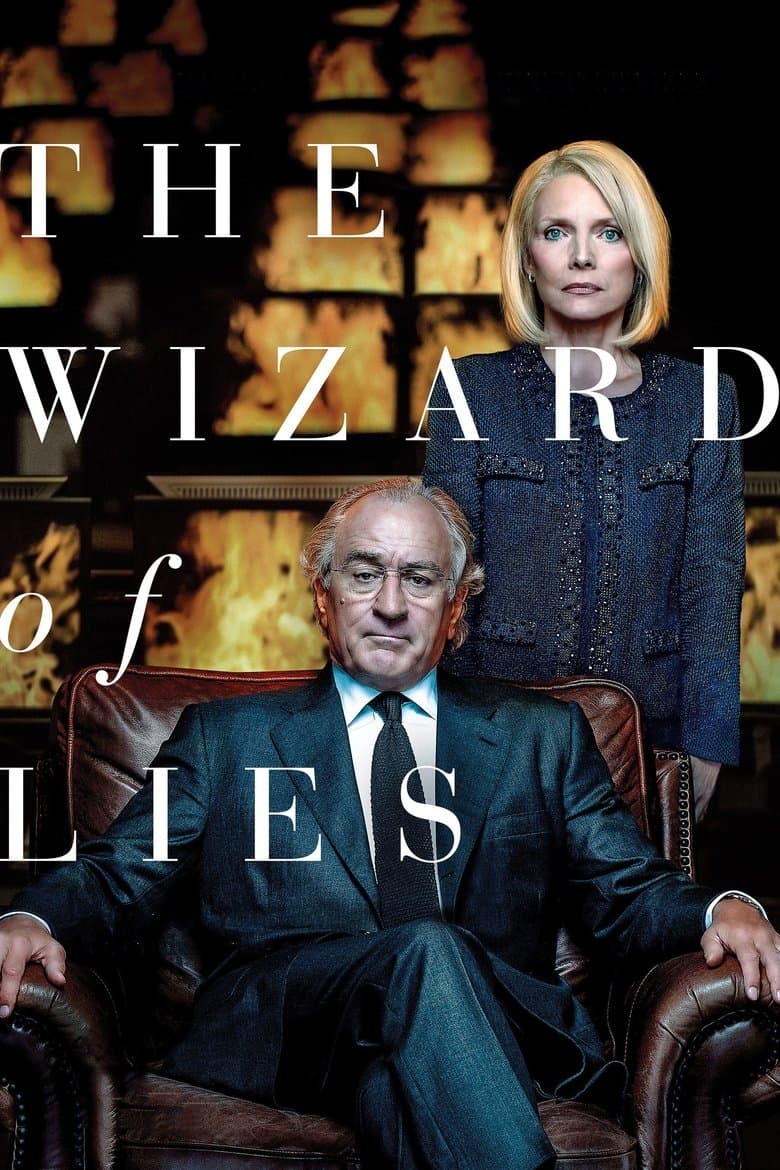
Bernie Madoff runs a trusted Wall Street investment firm in New York while secretly using new money to cover old losses. When the scheme breaks in 2008, his sons Mark and Andrew learn that the family business was built on a lie. The film follows the arrest, the prison interviews, and the damage that reaches Ruth, the investors, and the wider family. Its tone is dark, cold, and sad, with the crime shown as a family disaster as much as a financial one.
The strongest themes are greed, trust, family loyalty, blame, and the failure of financial regulators to stop a fraud that lasted for years. Madoff keeps telling himself that he protected his wife and sons, even as his lies destroy their lives. The film shows Mark and Andrew turning him in, Ruth pulling away from him, and victims demanding answers. It treats the scandal as a warning about false trust and the damage caused when powerful people escape notice.
Community feedback
Was our 11% Woke rating accurate?
Breakdown
These are the editorial factors and ratings behind our score for The Wizard of Lies.
Woke representation / casting
Not present. The main cast is a mostly white real-life New York family, their workers, reporters, lawyers, and investigators. The movie does not frame any casting choice as a diversity or identity statement.
0%
Woke political dialogue
Not present. The spoken conflict centers on fraud, greed, family loyalty, the SEC, and public blame. The movie has no recurring identity, gender-role, DEI, or activist lines.
0%
Identity-driven story themes
Not present. The story follows a financial crime and the collapse of a family. It does not build its conflict around race, gender, sexuality, queer identity, or representation.
0%
Western institutional / cultural critique
The movie repeatedly shows the SEC and other finance gatekeepers missing chances to check Madoff's records. The sons answer an SEC agent's question about what they knew by asking how the agency failed to know. The story therefore criticizes financial and government institutions. It does not turn that criticism into a modern identity or activist campaign, so the signal stays mild.
15%
Woke character or canon changes
Not relevant. This is a nonfiction-based biography, not a story about established fictional characters or a legacy fantasy world. Its changes come from choosing and arranging real events.
0%
Anti-woke backlash and complaints
Not present. The separate X research found no anti-woke complaints, boycott talk, or review-bombing. Web and audience discussion centered on the fraud, family tragedy, acting, accuracy, and the film's slow structure.
0%
Creator track record context
Barry Levinson and most writers have low woke scores and no recurring identity-driven record. Robert De Niro and several producers have stronger left-leaning or social-issue context. Interviews about the movie focus on family damage, failed oversight, and accuracy. The film does not carry that broader context into an identity-driven message, so this factor stays low.
16%
Production
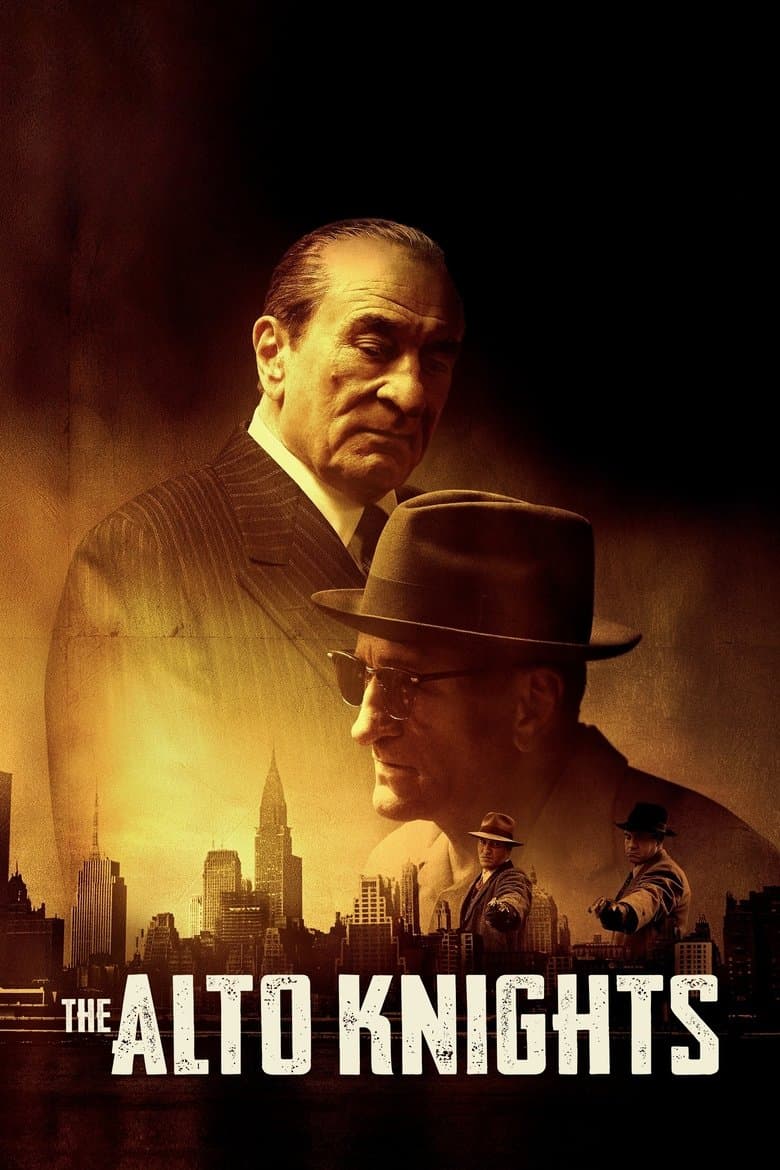
Movie · 2025
Two of New York's most notorious organized crime bosses, Frank Costello and Vito Genovese, vie for control of the city's streets.
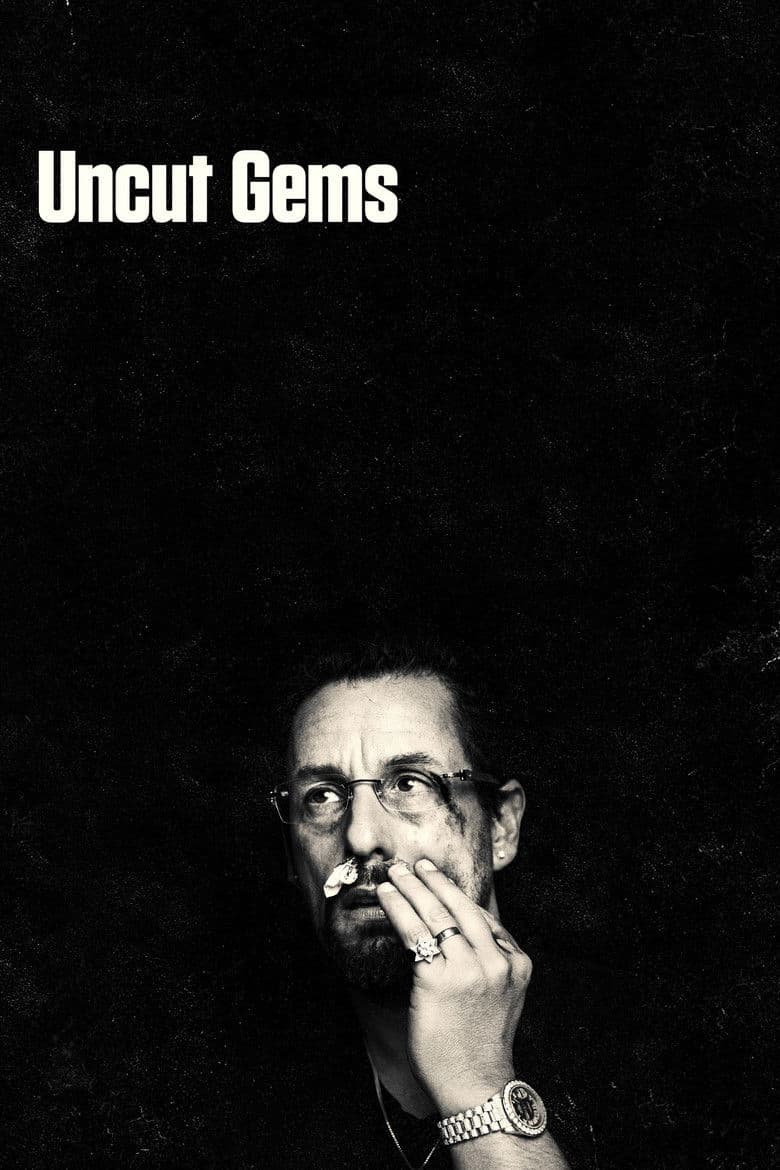
Movie · 2019
A charismatic New York City jeweler always on the lookout for the next big score makes a series of high-stakes bets that could lead to the windfall of a lifetime.
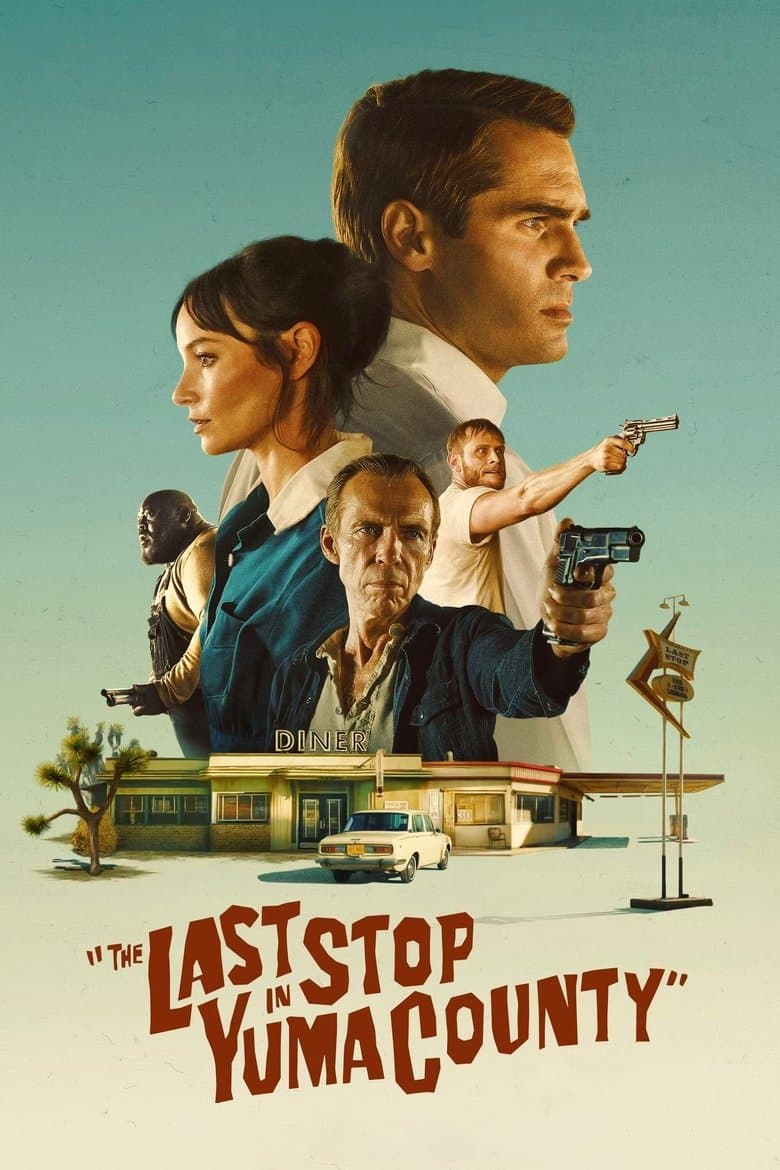
Movie · 2024
While awaiting the next fuel truck at a middle-of-nowhere Arizona rest stop, a traveling young knife salesman is thrust into a high-stakes hostage situation by the arrival of two…
Movie · 2019
In New York, former convict Pete Koslow, related to the Polish mafia, must deal with both Klimek the General, his ruthless boss, and the twisted ambitions of two federal agents…
Movie · 2019
In 1934, Frank Hamer and Manny Gault, two former Texas Rangers, are commissioned to put an end to the wave of vicious crimes perpetrated by Bonnie Parker and Clyde Barrow, a…
Movie · 2019
A young agent is tasked with investigating a tangled web of corruption and fraud in New York.
Movie · 2018
On the night she plans on taking her own life, 17-year-old 'Lisa McVey' is kidnapped and finds herself fighting to stay alive and is raped.
Movie · 1994
Imprisoned in the 1940s for the double murder of his wife and her lover, upstanding banker Andy Dufresne begins a new life at the Shawshank prison, where he puts his accounting…
