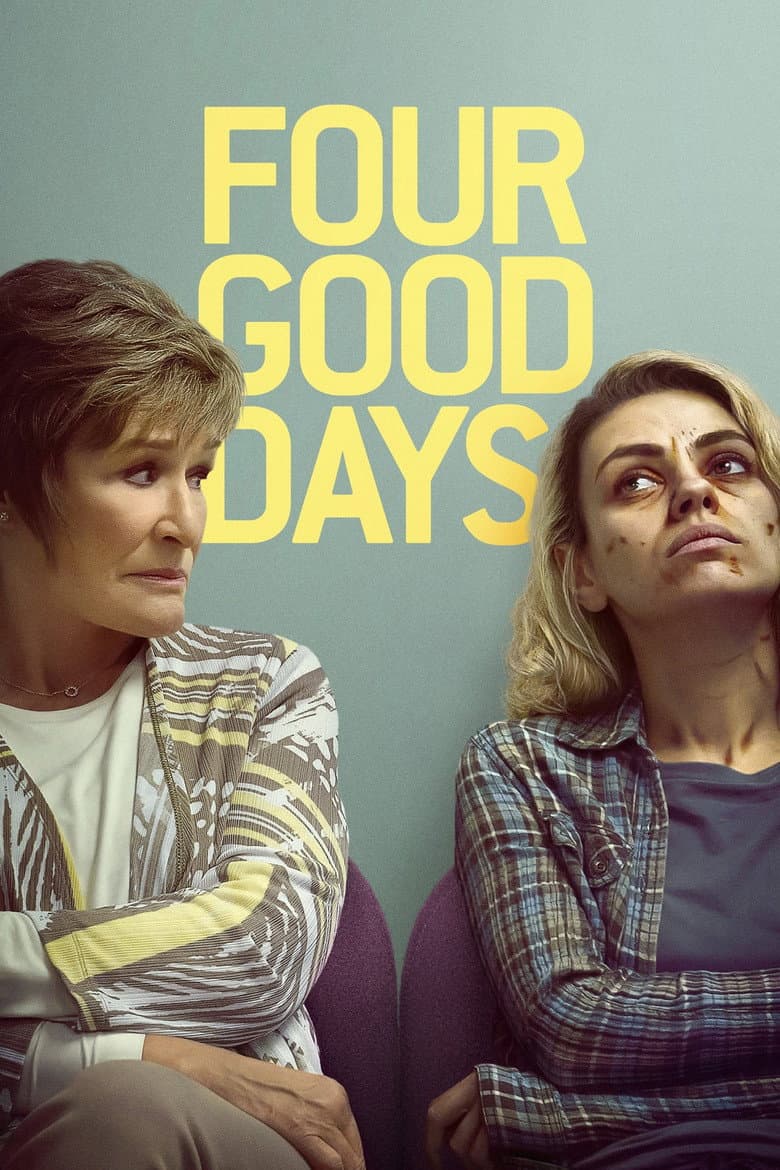
Four Good Days follows Molly Wheeler, a 31-year-old mother who has spent about ten years using heroin and other drugs. She returns to her mother Deb’s home in the modern United States after many failed attempts to get clean. Deb agrees to help only if Molly can stay off drugs long enough to receive a monthly treatment shot. The film has a tense and painful tone as the women face cravings, old lies, lost trust, and Molly’s hope of seeing her children again.
The story centers on a damaged mother-daughter bond rather than a political cause. The film presents addiction as a health problem tied to prescription care, family pain, and poor access to treatment. Molly speaks honestly to high school students about her drug use and warns them that recovery is hard. A short scene shows Molly’s former male classmate now living as a woman, and Deb says the change is good for her. That scene adds a small identity message, but it does not shape Molly’s recovery or the film’s main conflict.
Community feedback
Was our 32% Woke rating accurate?
Breakdown
These are the editorial factors and ratings behind our score for Four Good Days.
Woke representation / casting
Erica Burns plays Kendra Kirsebom, a former schoolmate who is now a transgender woman. The film presents her through a brief photo and conversation rather than a major role. The main cast fits a modern family addiction story, so the film does not show a broad diversity-first casting pattern.
13%
Woke political dialogue
Molly and Deb briefly discuss a former male classmate who is now a transgender woman. Deb and Molly laugh at the change, then Deb says it is good for her. Ashley also jokes that men should not be allowed to retire. The film does not repeat gender or identity politics during the main recovery scenes.
24%
Identity-driven story themes
The film puts a mother and daughter at the center and gives both women the main emotional choices. Deb talks about leaving a hard marriage, and Molly speaks to students about her addiction. The film briefly treats a transgender classmate as someone whose new life should be accepted. Those ideas add a mild identity signal, but addiction and family repair remain the main themes.
22%
Western institutional / cultural critique
Deb blames doctors for giving Molly opioids after a knee injury. The film shows Medicaid covering only three detox nights and insurance delays blocking the treatment shot. Molly says insurance companies run the world. The story criticizes health care and insurance barriers, but it does not attack Christianity, family life, or capitalism as a whole.
32%
Woke character or canon changes
Not relevant. The film is loosely based on a Washington Post true story and changes names and some events. It does not make a race, gender, sexuality, or hero-role change to an established character or real person.
0%
Anti-woke backlash and complaints
Not present. X research found no anti-woke reaction, and searches pairing the title with woke, DEI, or boycott terms found no hits. Reddit and other audience discussion focused on addiction, performances, and realism.
0%
Creator track record context
Rodrigo García often centers complex women and has recently spoken about gender inequality. Eli Saslow is known for human stories about addiction, poverty, and extremism, but he has no clear DEI campaign record. Jon Avnet and Jai Khanna have limited links to broad charity or women’s sports work, while the other listed producers and the casting director are mainly production-focused. This gives the film a mild creator track record signal, while the story stays focused on addiction.
23%
Production

Movie · 2016
WWII American Army Medic Desmond T. Doss, who served during the Battle of Okinawa, refuses to kill people and becomes the first Conscientious Objector in American history to…

Movie · 2023
American ballet dancer Joy Womack is accepted into Moscow's infamously tough Bolshoi Ballet Academy, with the dream of becoming a great ballerina.

Movie · 2026
While people across 1990s Iraq struggle to survive the war and food shortages, Saddam Hussein requires each school in the country to prepare a cake to celebrate his birthday.

Movie · 2023
The true story of the inseparable Von Erich brothers, who made history in the intensely competitive world of professional wrestling in the early 1980s.

Movie · 2024
On the brink of the Second World War, a young Norwegian man's drive to resist the Nazis sets a new course for his future – and the future of his country.
Movie · 2022
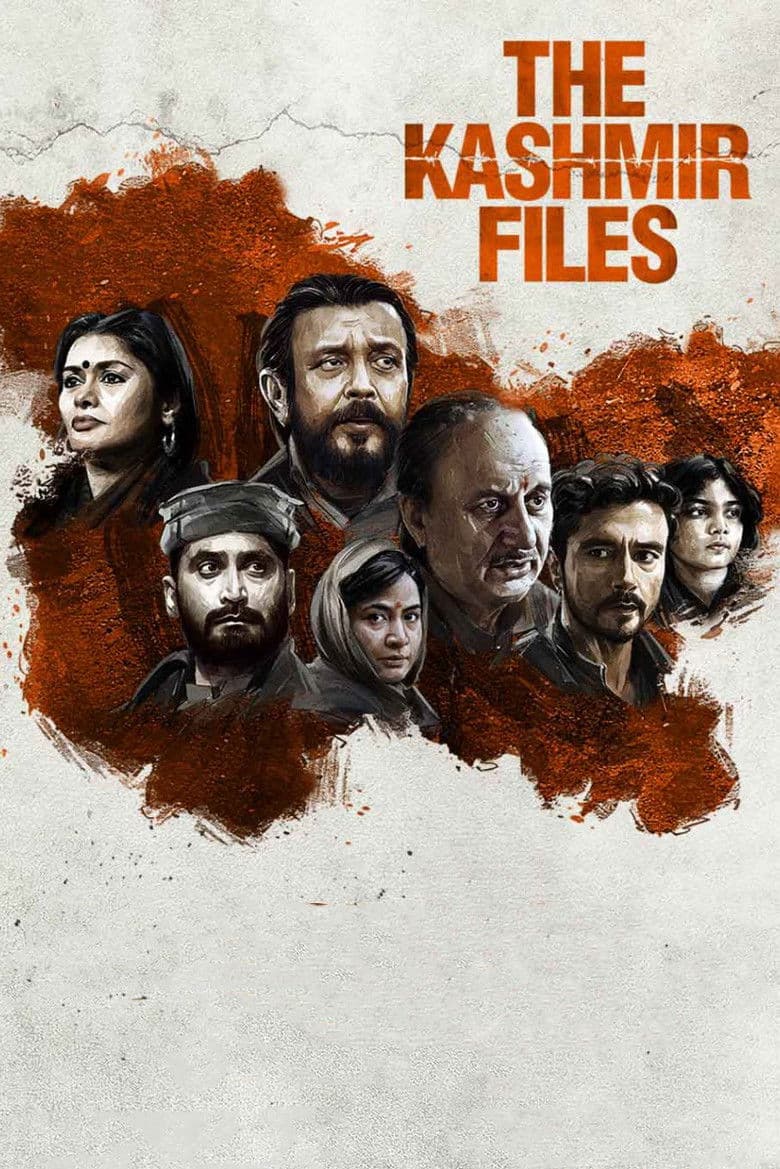
Based on a true tragedy, the emotionally triggering film sheds light on the plight of Kashmiri Pandits (Hindus), a religious minority in the 1990s Kashmir valley, who were…
Movie · 2019
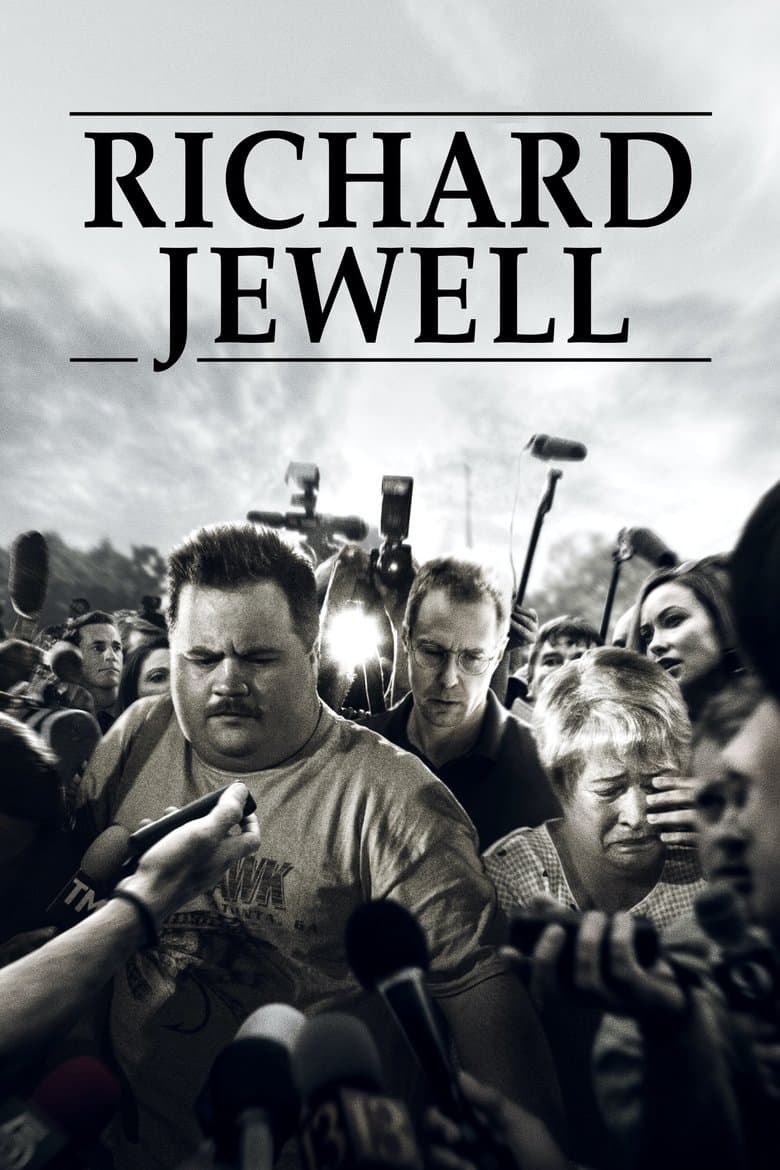
Richard Jewell thinks quick, works fast, and saves hundreds, perhaps thousands, of lives after a domestic terrorist plants several pipe bombs and they explode during a concert…
Movie · 2025
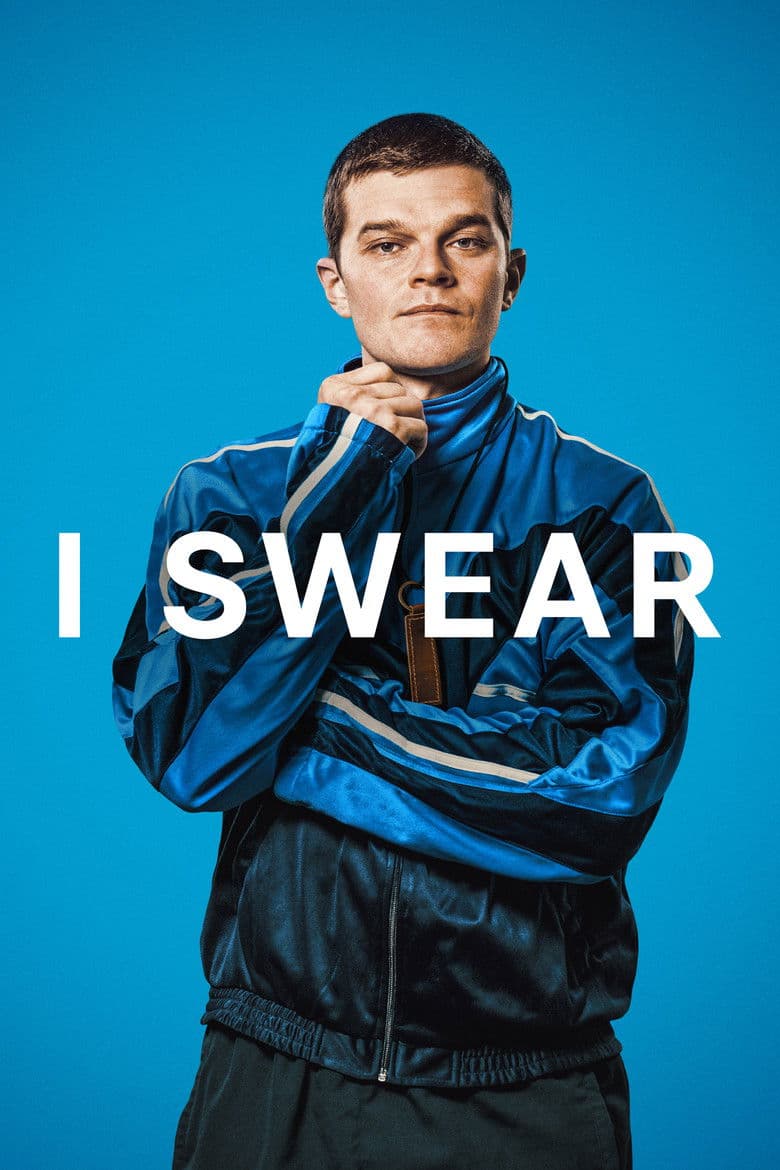
Diagnosed with Tourette Syndrome at 15, John Davidson navigates his way against the odds through troubled teenage years and into adulthood, finding inspiration in the kindness of…
