
Confirmation follows Anita Hill, a law professor who is asked to speak about former boss Clarence Thomas during his 1991 Supreme Court hearing. The hearing grows from a private claim about sexual harassment into a national fight over truth, power, race, and public trust. Hill must choose between protecting her quiet life and facing senators, reporters, and millions of viewers. The film has a serious and tense tone, with hard questioning, angry debate, and personal scenes that show the cost of speaking out.
The film gives race and gender a clear identity-driven place in the main story. It shows a black woman questioned by an all-male committee and links her treatment to her sex and race. The story treats workplace sexual harassment, the failure to give Hill a fair hearing, and women's growing public voice as its main concerns. The ending links Hill's experience to more women entering politics, so these themes continue beyond the hearing even though the film stays tied to a real 1991 event.
Community feedback
Was our 65% Woke rating accurate?
Breakdown
These are the editorial factors and ratings behind our score for Confirmation.
Woke representation / casting
Not present. The main actors portray real people with matching race and gender. The film also shows the real male-heavy Senate setting instead of creating a diversity-first group.
0%
Woke political dialogue
The film repeatedly uses lines about sexual harassment, race, gender, and the treatment of black women. The hearing includes Thomas’s “high-tech lynching” claim and arguments about whether Hill is being dismissed because she is a black woman. The dialogue is tied to a real 1991 dispute rather than a modern DEI speech.
45%
Identity-driven story themes
The film makes race and gender the main lens for Hill’s fight. Hill is shown as a black woman who must speak about sexual harassment before an all-male Senate group. The story treats her testimony as a turning point for how women are heard at work and in public life. The ending links her experience to more women entering politics.
65%
Western institutional / cultural critique
The Senate committee is shown as a male power structure that doubts and attacks Hill. The film says political leaders use the hearing as theater and fail to give her a fair process. Female lawmakers and staff must push the men to act. The criticism targets the 1991 Senate and older gender rules more than Western culture as a whole.
42%
Woke character or canon changes
Not relevant. The film changes some details and combines people for drama. It does not change the race, gender, or identity of the real figures.
0%
Anti-woke backlash and complaints
Conservative writers and people tied to the hearings called the film a liberal hit job or biased against Clarence Thomas. Breitbart, CBS Philadelphia, Fortune, and other reports repeated complaints about anti-Republican framing and missing facts. A few small X accounts made the same argument in 2016. The reaction was real but limited.
31%
Creator track record context
Kerry Washington has a strong public record of civil rights, women’s rights, Black Lives Matter, #MeToo, Time’s Up, gun control, and LGBTQ rights work. Susannah Grant is known for strong female leads and support for women in Hollywood. Rick Famuyiwa has spoken about diverse voices, while the other listed creators have little activist record. This gives the project a clear creator-context signal without making the whole crew activist.
46%
Production

Movie · 2016
In a desolate war zone where screams of the innocent echo, on the very line between disaster and valor, 7 Maroon Berets will dance with death.
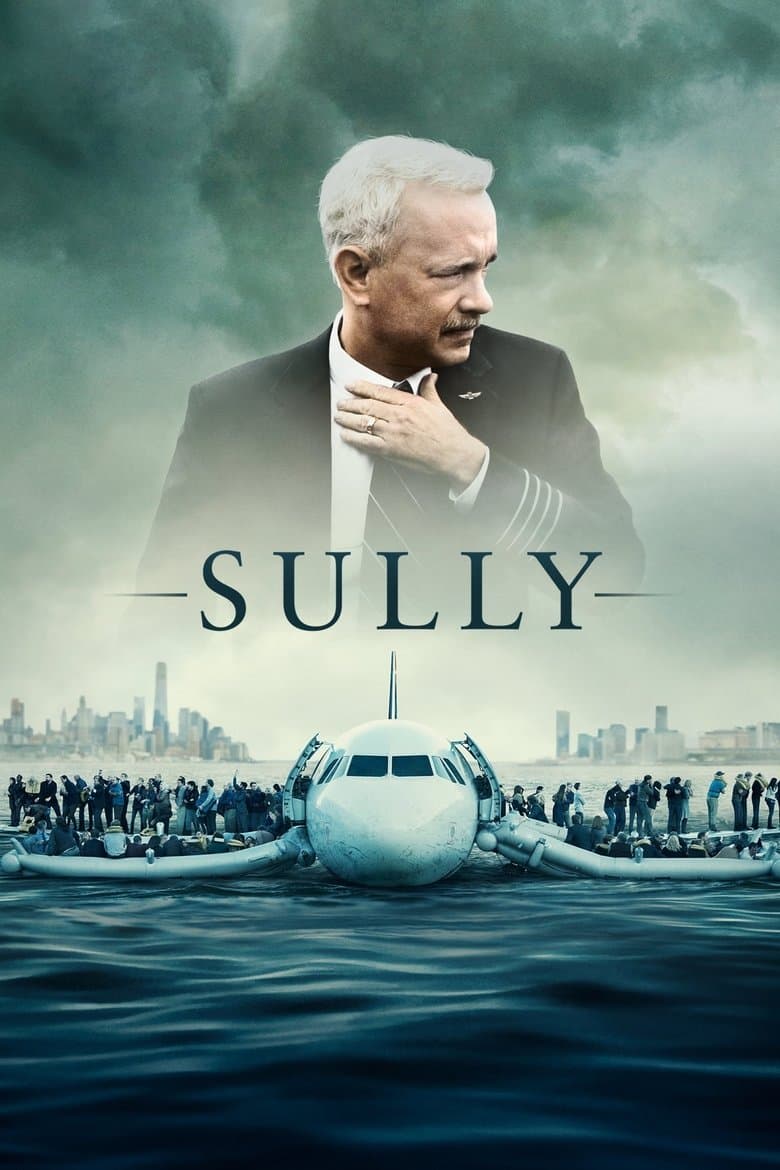
Movie · 2016
On 15 January 2009, the world witnessed the 'Miracle on the Hudson' when Captain 'Sully' Sullenberger glided his disabled plane onto the Hudson River, saving the lives of all 155…

Movie · 2026
While people across 1990s Iraq struggle to survive the war and food shortages, Saddam Hussein requires each school in the country to prepare a cake to celebrate his birthday.

Movie · 2017
In 1950, amidst the ravages of the Korean War, Sergeant Süleyman stumbles upon a a half-frozen little girl, with no parents and no help in sight and he risks his own life to save…

Movie · 2022
A quiet, neglected girl is sent away from her dysfunctional family to live with relatives for the summer. She blossoms in their care, but in this house where there are meant to be…

Movie · 2022
Based on a true tragedy, the emotionally triggering film sheds light on the plight of Kashmiri Pandits (Hindus), a religious minority in the 1990s Kashmir valley, who were…
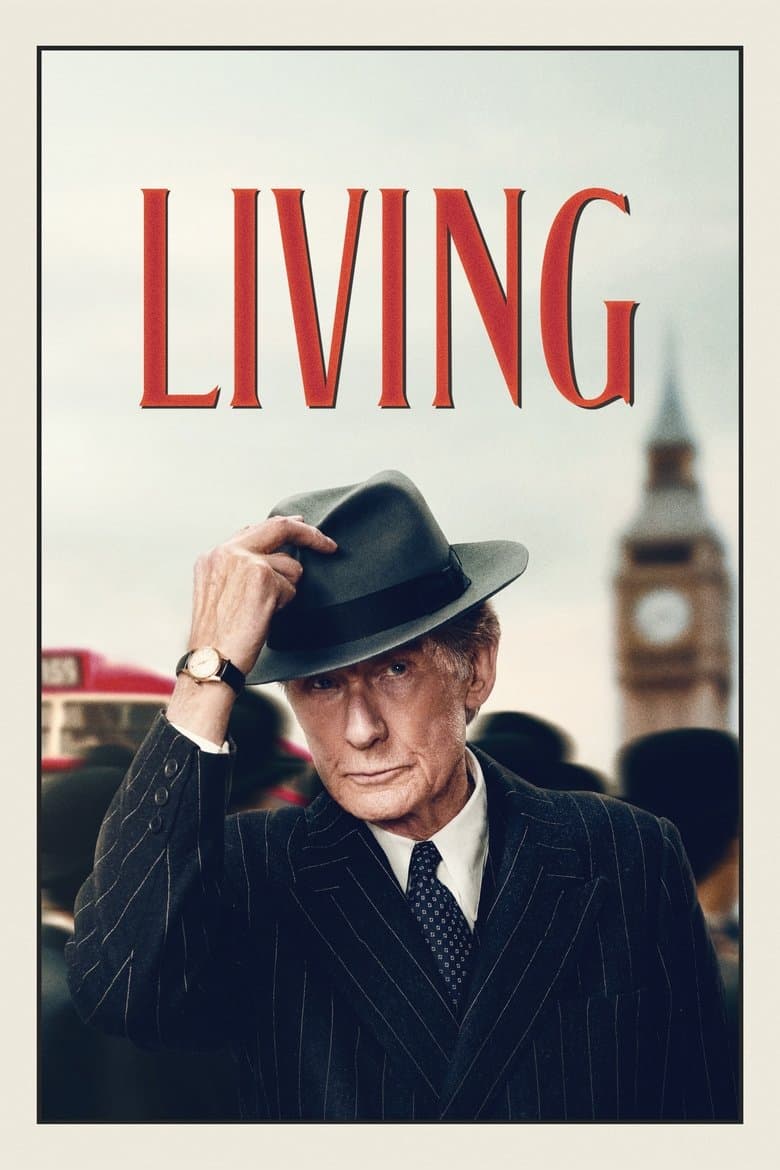
Movie · 2022
London, 1953. Mr. Williams, a veteran civil servant, is an important cog within the city's bureaucracy as it struggles to rebuild in the aftermath of World War II.
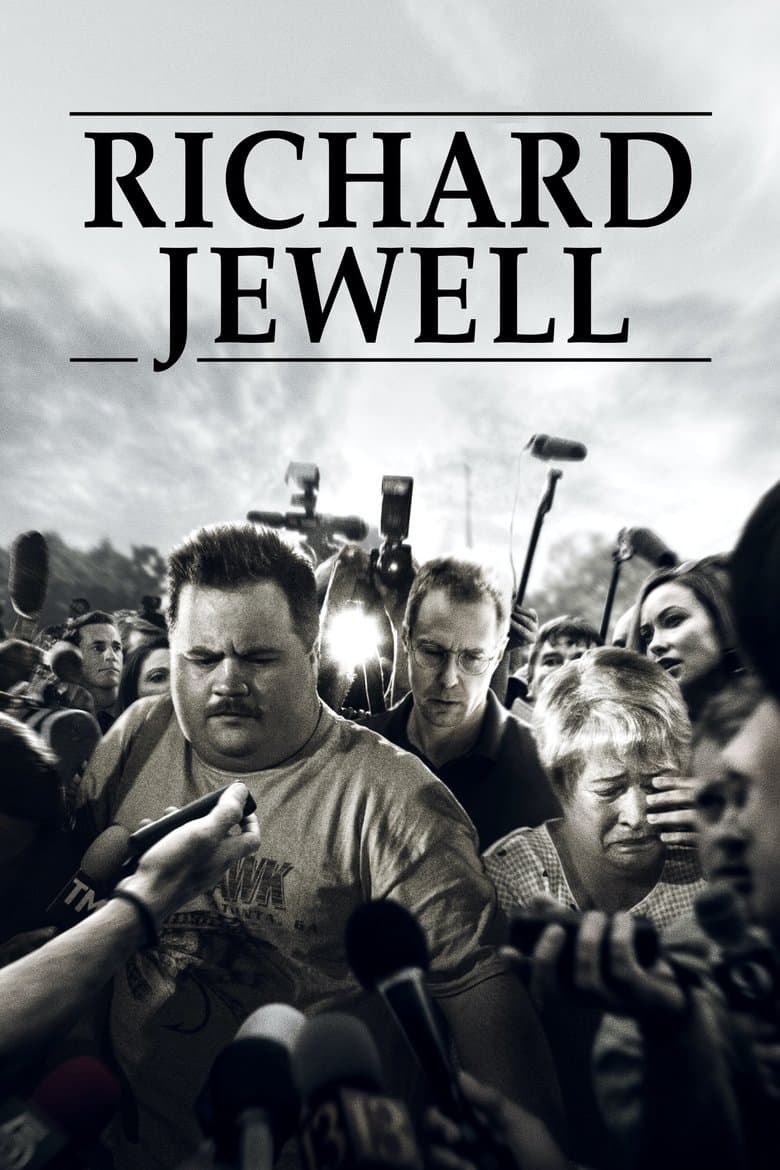
Movie · 2019
Richard Jewell thinks quick, works fast, and saves hundreds, perhaps thousands, of lives after a domestic terrorist plants several pipe bombs and they explode during a concert…
