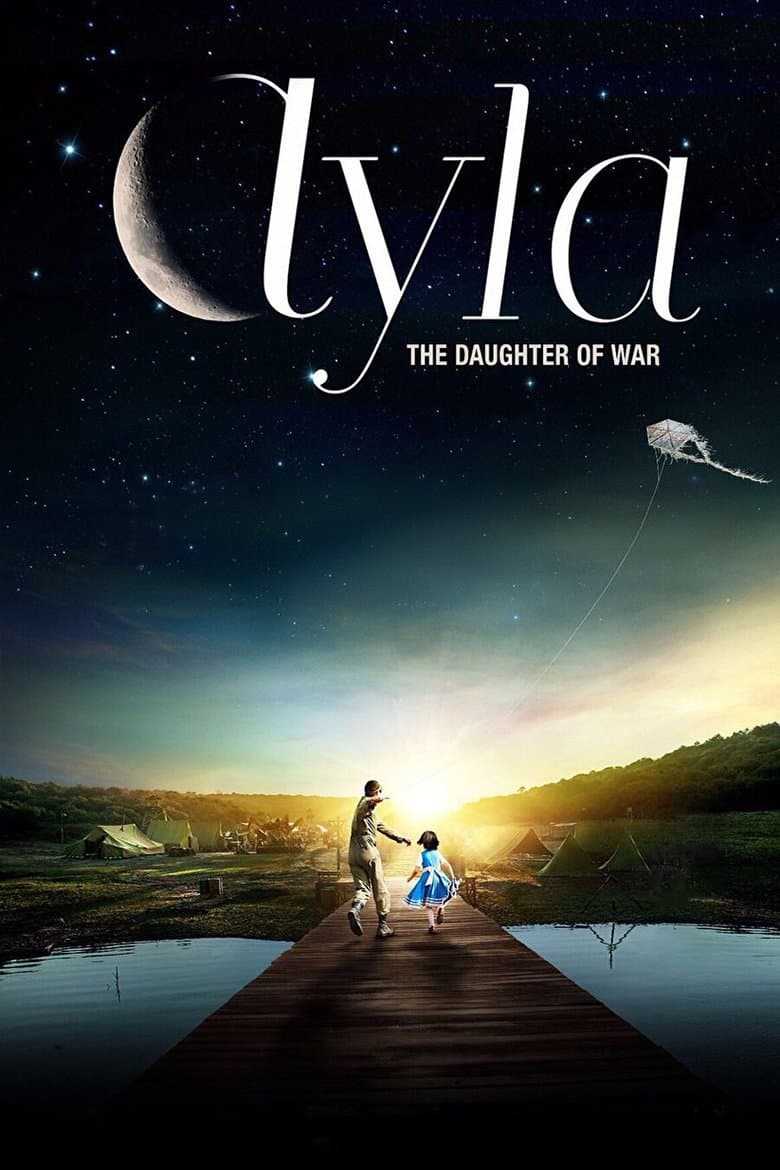
In 1950, Turkey sends Sergeant Süleyman to fight in the Korean War. He finds a frightened Korean girl beside the dead in a ruined village and brings her into the Turkish camp. He names her Ayla, and the soldiers care for her as she learns their language and calls him father. The film follows their warm bond through battle, forced separation, and a reunion many years later.
The story gives most of its attention to kindness, loyalty, family, and the pain caused by war. It presents Süleyman and the Turkish soldiers as brave protectors who help Korean children and support the Ankara School for war orphans. The Korean girl remains the heart of the story, and the film follows her fear, recovery, schooling, and later reunion. The film also stresses friendship between Turkey and South Korea and ends with the real people meeting again.
Community feedback
Was our 1% Woke rating accurate?
Breakdown
These are the editorial factors and ratings behind our score for Ayla: The Daughter of War.
Woke representation / casting
Not present. The main roles match the Turkish soldiers and Korean child in the real story. The cast does not show a repeated diversity pattern or a message about representation.
0%
Woke political dialogue
Not present. The dialogue covers army orders, communist forces, family, religion, and care for Ayla. The film does not use modern identity, gender, DEI, or activist talking points.
0%
Identity-driven story themes
Not present. The story centers on fatherhood, compassion, loyalty, and the damage caused by war. Its Turkish and Korean bond comes from the real events and is not turned into a modern political message about identity.
0%
Western institutional / cultural critique
Not present. The film shows wartime orders as an obstacle to the family bond. It does not attack Western culture, men, Christianity, or family life through a modern activist message.
0%
Woke character or canon changes
Not relevant. The movie dramatizes the real story of Süleyman Dilbirliği and Kim Eun-ja. It does not change their race, sex, or identity.
0%
Anti-woke backlash and complaints
Not present. Public posts on X contained no anti-woke complaints. Wider reviews mostly praise the true story or discuss emotion, pacing, and Turkish nationalism rather than woke messaging.
0%
Creator track record context
Can Ulkay has a cached score of 0/100 and a record centered on commercial and historical storytelling. Yiğit Güralp and Mustafa Uslu also have cached scores of 0/100 and mainly make mainstream stories about national memory and real people. Christopher H.K. Lee has a cached score of 12/100 and a modest record of Korean history and cross-cultural projects. This background adds only a small representation-related signal and does not show a sustained activist or DEI-centered profile.
3%
Production
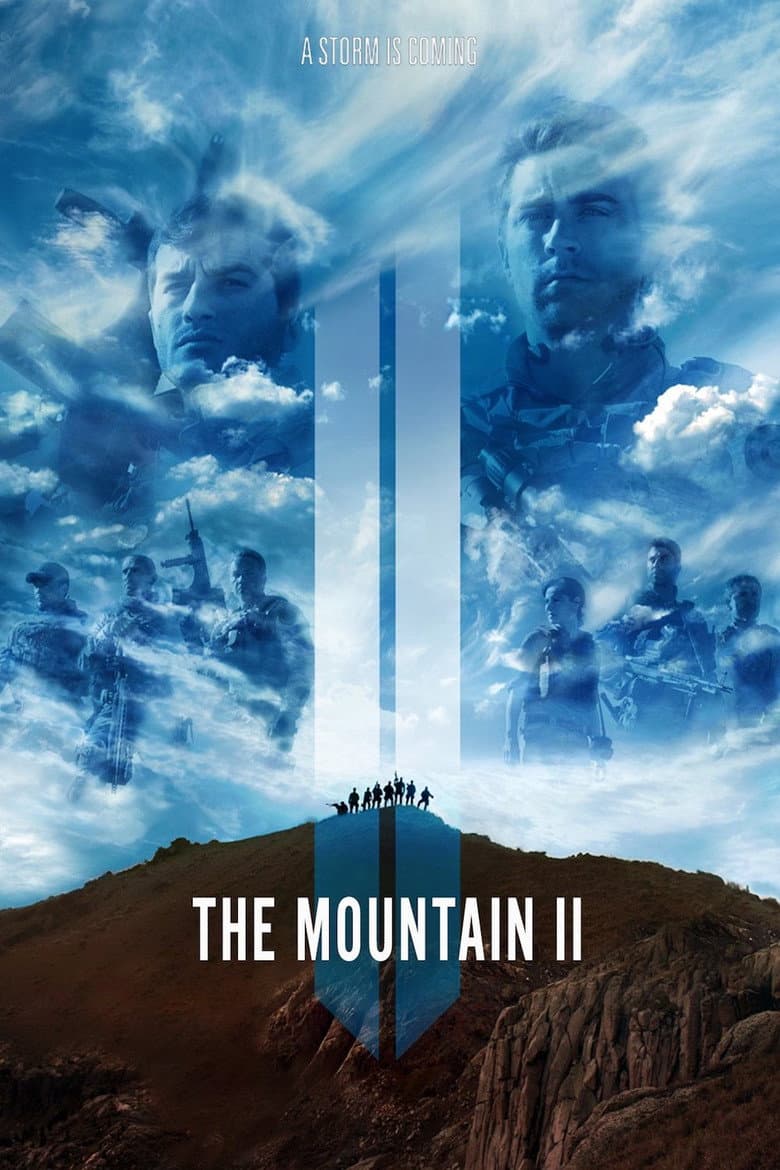
Movie · 2016
In a desolate war zone where screams of the innocent echo, on the very line between disaster and valor, 7 Maroon Berets will dance with death.
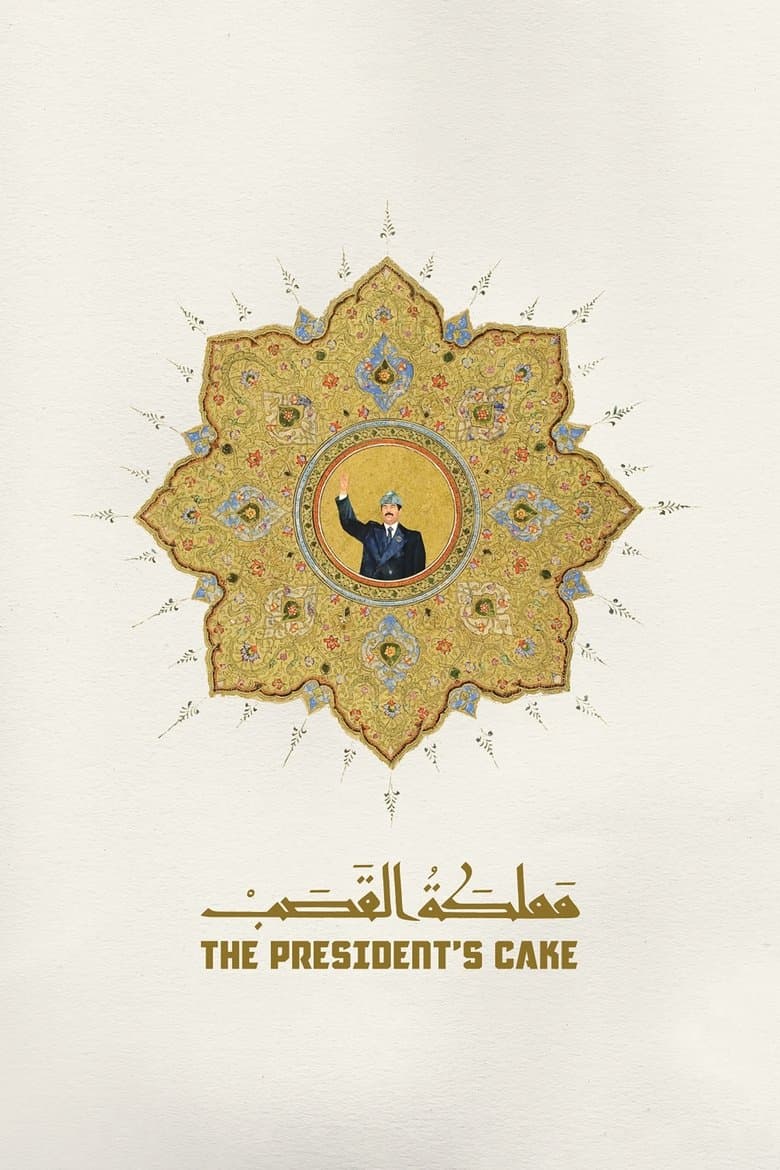
Movie · 2026
While people across 1990s Iraq struggle to survive the war and food shortages, Saddam Hussein requires each school in the country to prepare a cake to celebrate his birthday.
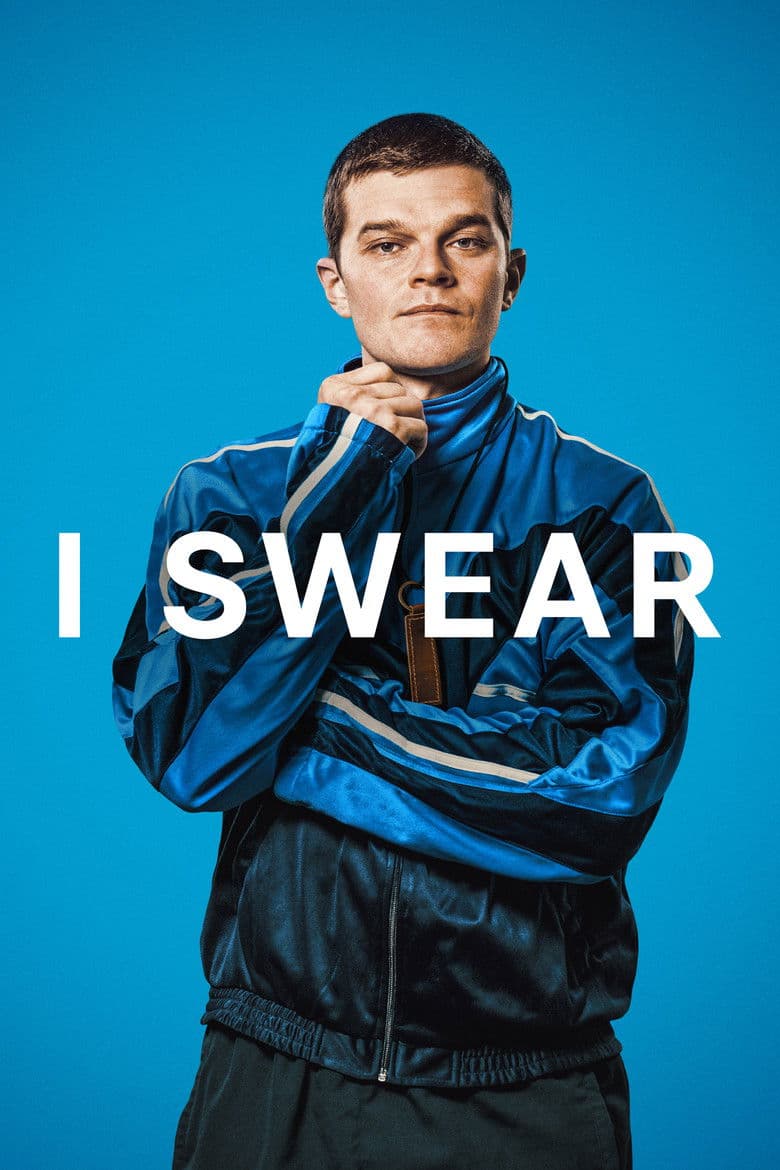
Movie · 2025
Diagnosed with Tourette Syndrome at 15, John Davidson navigates his way against the odds through troubled teenage years and into adulthood, finding inspiration in the kindness of…
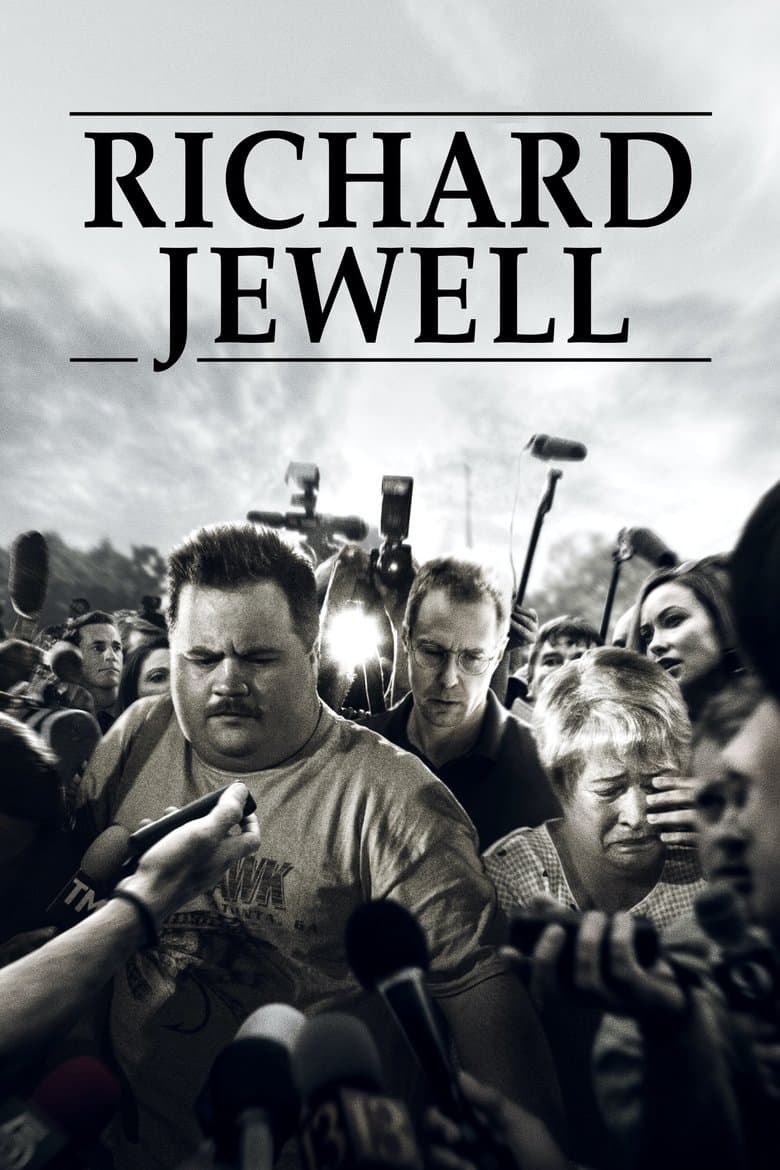
Movie · 2019
Richard Jewell thinks quick, works fast, and saves hundreds, perhaps thousands, of lives after a domestic terrorist plants several pipe bombs and they explode during a concert…
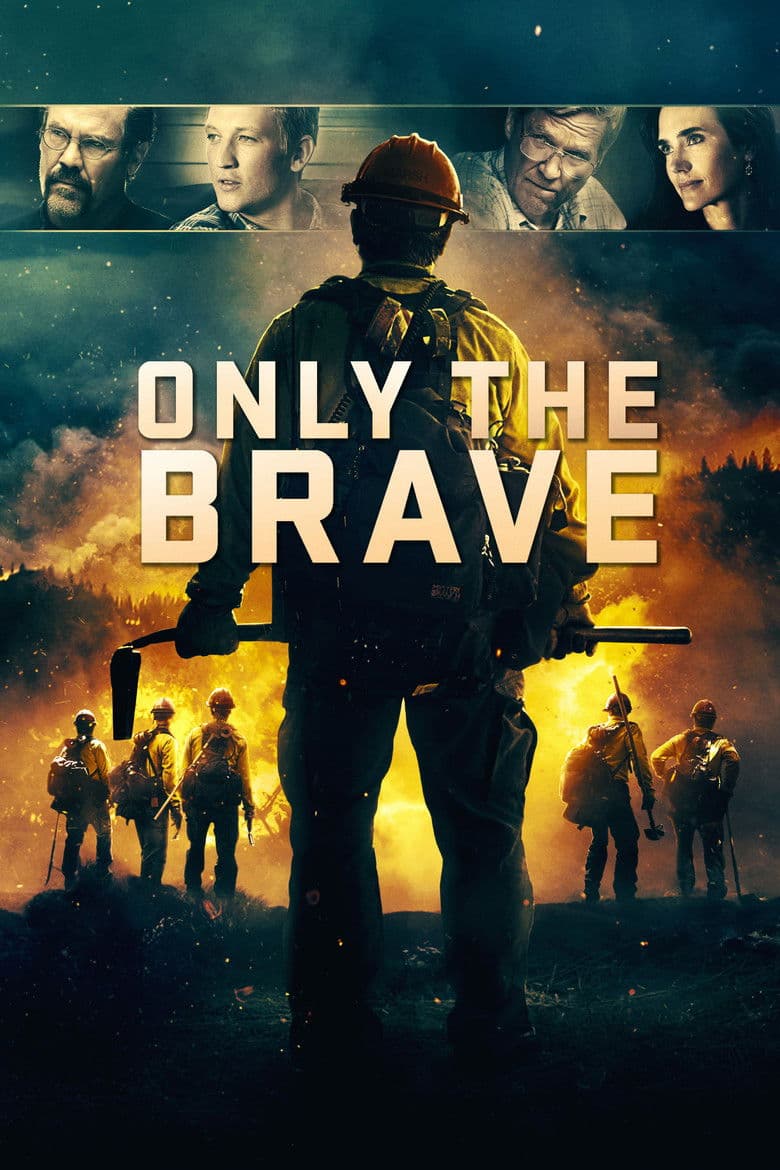
Movie · 2017
Members of the Granite Mountain Hotshots battle deadly wildfires to save an Arizona town.
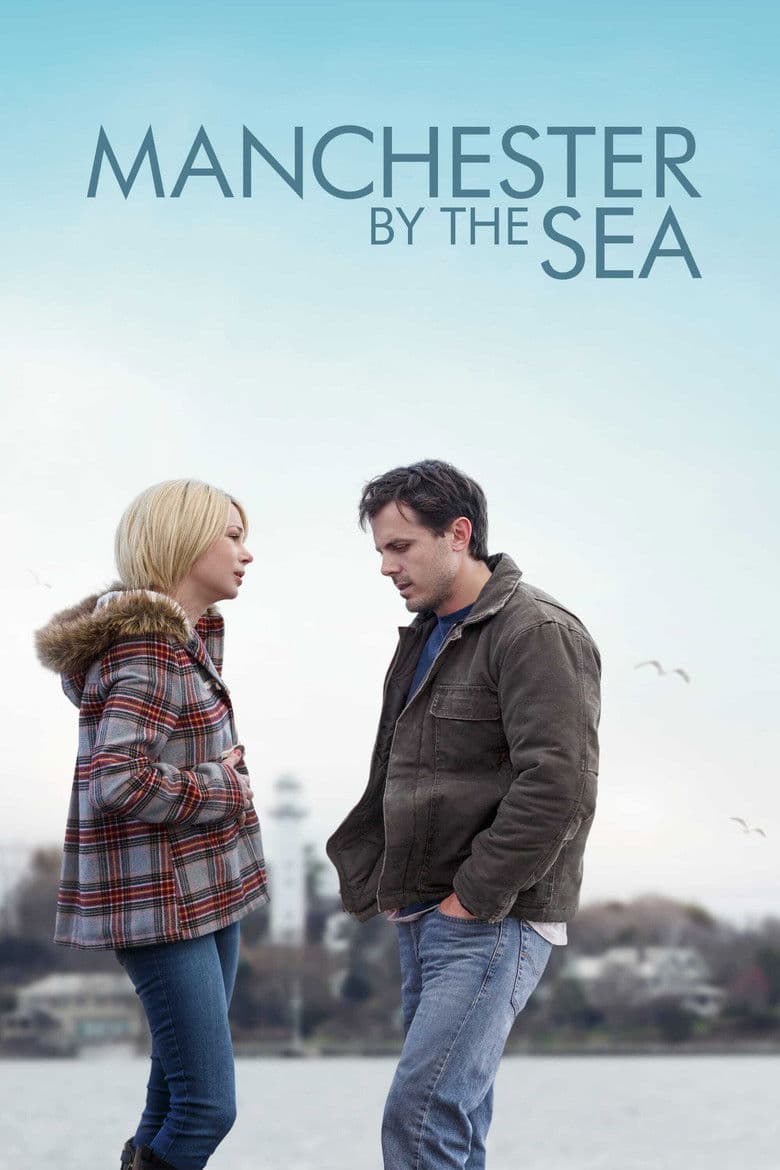
Movie · 2016
After his older brother passes away, Lee Chandler is forced to return home to care for his 16-year-old nephew.
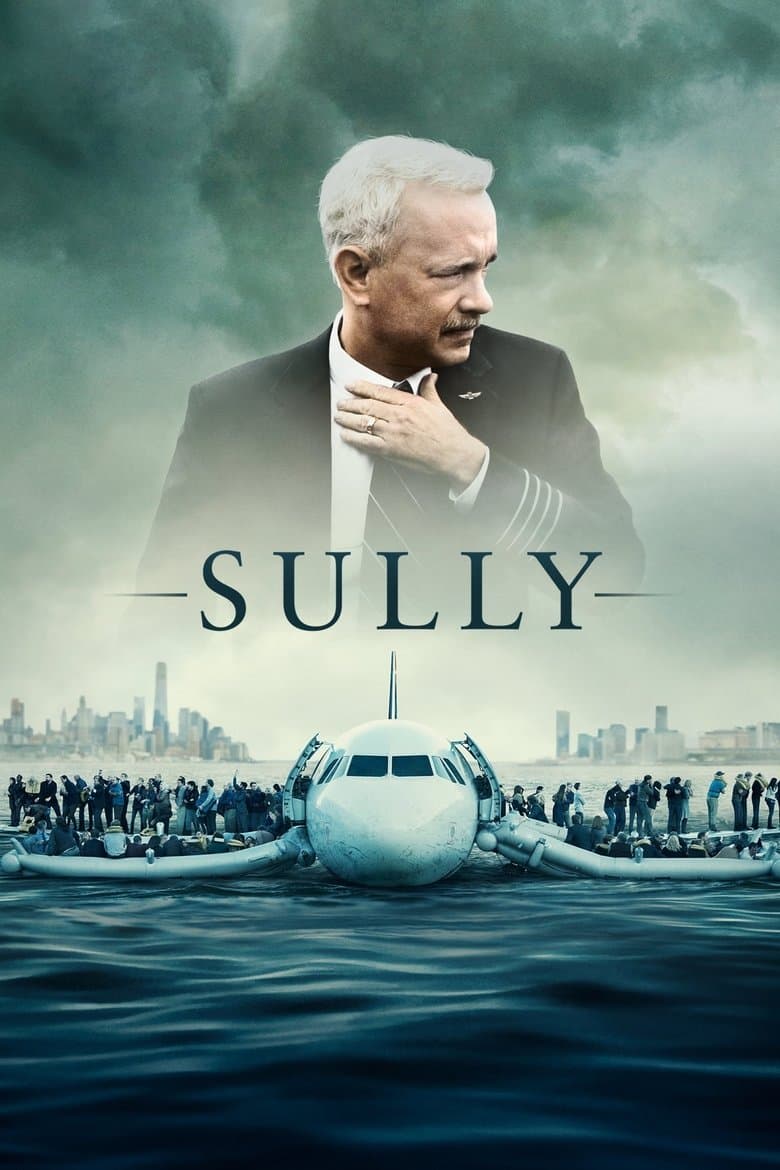
Movie · 2016
On 15 January 2009, the world witnessed the 'Miracle on the Hudson' when Captain 'Sully' Sullenberger glided his disabled plane onto the Hudson River, saving the lives of all 155…
Movie · 2022
A quiet, neglected girl is sent away from her dysfunctional family to live with relatives for the summer. She blossoms in their care, but in this house where there are meant to be…
