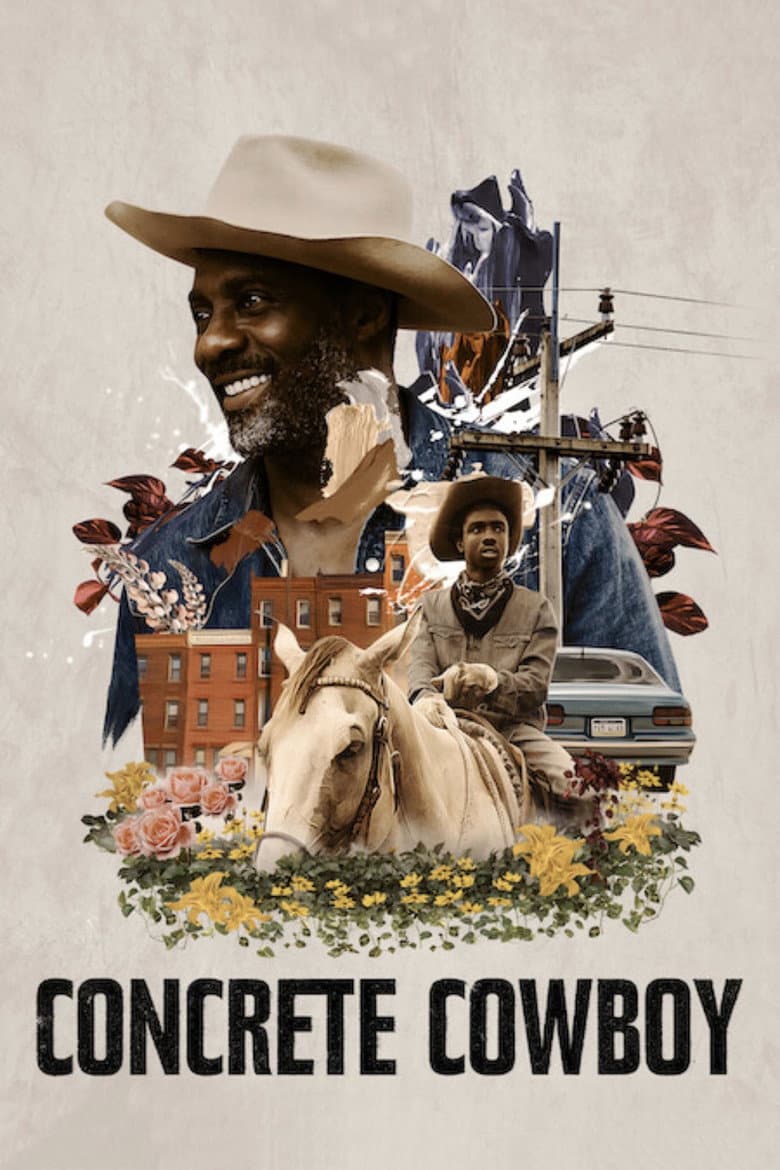
Fifteen-year-old Cole is sent from Detroit to live with his father, Harp, in North Philadelphia. Harp belongs to a close group of horse riders who keep stables in the middle of the city. Cole must choose between the riders’ hard work and his cousin Smush’s drug business. The film is a rough but hopeful teen drama about family, crime, horses, and finding a place to belong.
Concrete Cowboy makes Black cowboy history and the survival of a black riding community central to its world. Characters say that Hollywood erased Black cowboys from history, while city growth threatens to remove the stables and horses. The film treats the stable as a safe place that helps troubled young people avoid crime and find purpose. These identity and social themes matter throughout the setting and side story, but the main arc remains Cole’s bond with his father and his choice to change.
Community feedback
Was our 61% Woke rating accurate?
Breakdown
These are the editorial factors and ratings behind our score for Concrete Cowboy.
Woke representation / casting
The main cast is black because the story takes place in a real black horse-riding community. Several real Fletcher Street riders play riders in the film, including a black cowgirl whose role reflects her life. The film and its interviews present this casting as a way to show black cowboys and correct a common white Hollywood image. The casting fits the setting, so the identity message is clear but not a mismatch.
38%
Woke political dialogue
Characters repeatedly talk about Hollywood whitewashing Black cowboys and erasing them from history. Characters also talk about developers, new condos, and the city taking stable land. These lines are clear but appear in a few scenes rather than driving every conversation. The father-son and street-life plot still take most screen time.
40%
Identity-driven story themes
The film asks viewers to see Black cowboys as part of American history and challenges the usual white cowboy image. The riders’ culture gives Cole a new family and pulls him away from crime. The stable also gives young people a safe place to learn work and responsibility. These themes recur through the main setting and the stable’s fight to survive.
56%
Western institutional / cultural critique
The stable faces city action, property pressure, and new condos moving into the neighborhood. Characters blame developers and say Hollywood erased Black cowboys. The film presents the riders as a community pushed aside by city growth and old racial history. These ideas form a serious side conflict, but the father-son story remains the main plot.
46%
Woke character or canon changes
Not relevant. The movie adapts Ghetto Cowboy and uses fictional characters inspired by real riders. No race, gender, or sexuality swap to a known character or real figure is reported.
0%
Anti-woke backlash and complaints
Not present. No clear anti-woke or right-leaning complaints were found in the reviewed news, audience, Reddit, or search results. X research also reported no anti-woke posts, while the few mixed audience comments focused on pacing, plot, or the film’s handling of the real club.
0%
Creator track record context
Ricky Staub and Dan Walser have a repeated focus on marginalized Philadelphia communities, rehabilitation, and community participation. Their interviews describe this film as a way to preserve black riders’ heritage and let riders shape the story. Producer Lee Daniels has a strong record of black and queer representation. Other listed producers have mainly commercial records, so the context is mixed but still meaningful.
58%
Production
Movie · 2025
Diagnosed with Tourette Syndrome at 15, John Davidson navigates his way against the odds through troubled teenage years and into adulthood, finding inspiration in the kindness of…
Movie · 2019
Richard Jewell thinks quick, works fast, and saves hundreds, perhaps thousands, of lives after a domestic terrorist plants several pipe bombs and they explode during a concert…
Movie · 2022
Based on a true tragedy, the emotionally triggering film sheds light on the plight of Kashmiri Pandits (Hindus), a religious minority in the 1990s Kashmir valley, who were…
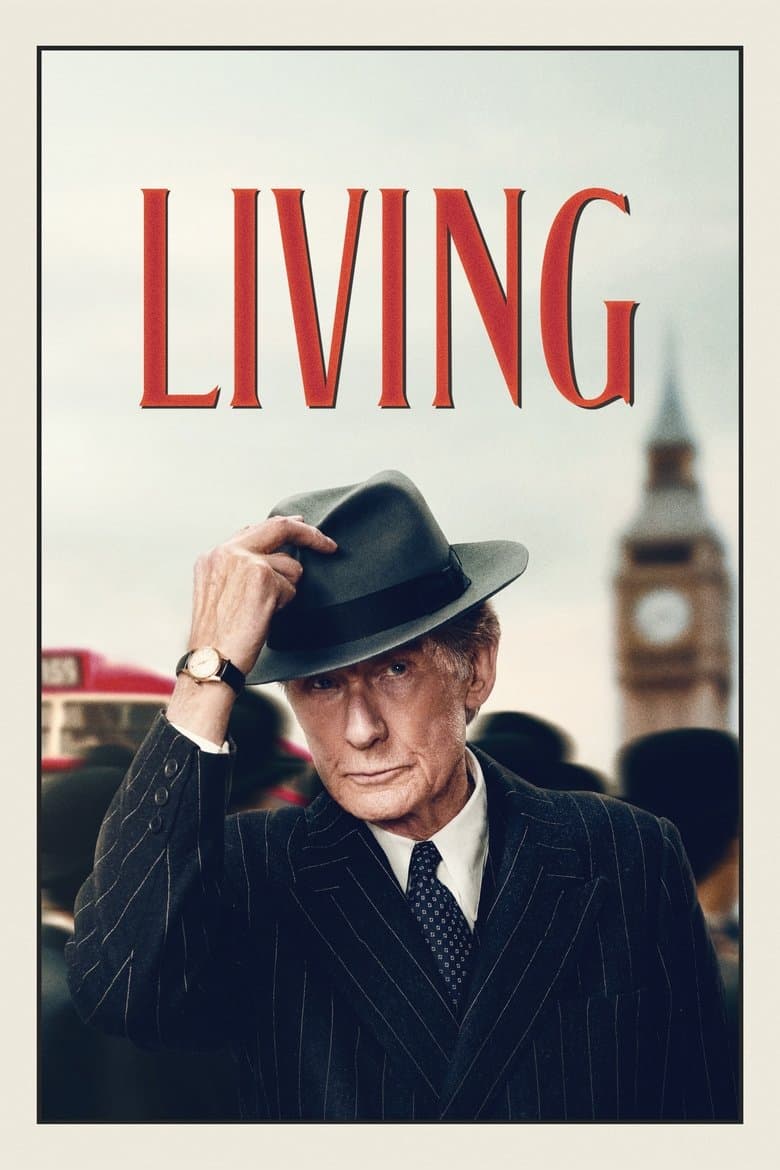
Movie · 2022
London, 1953. Mr. Williams, a veteran civil servant, is an important cog within the city's bureaucracy as it struggles to rebuild in the aftermath of World War II.

Movie · 2026
While people across 1990s Iraq struggle to survive the war and food shortages, Saddam Hussein requires each school in the country to prepare a cake to celebrate his birthday.
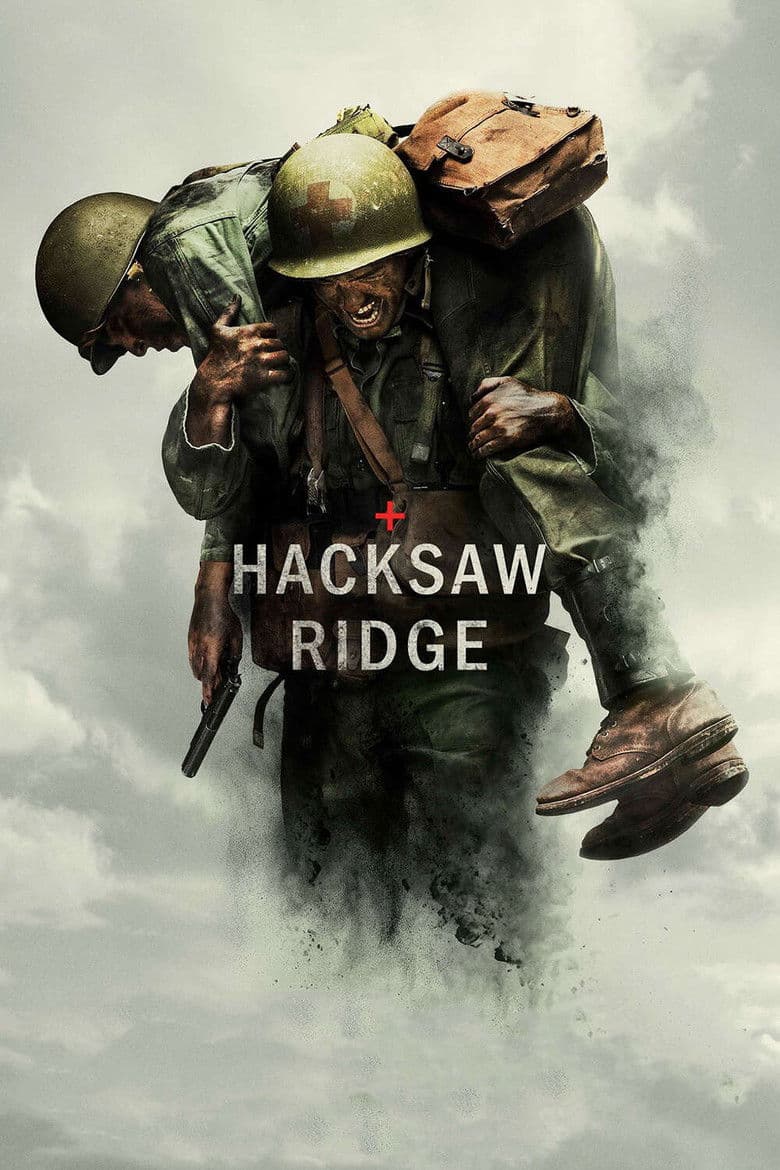
Movie · 2016
WWII American Army Medic Desmond T. Doss, who served during the Battle of Okinawa, refuses to kill people and becomes the first Conscientious Objector in American history to…

Movie · 2023
The true story of the inseparable Von Erich brothers, who made history in the intensely competitive world of professional wrestling in the early 1980s.
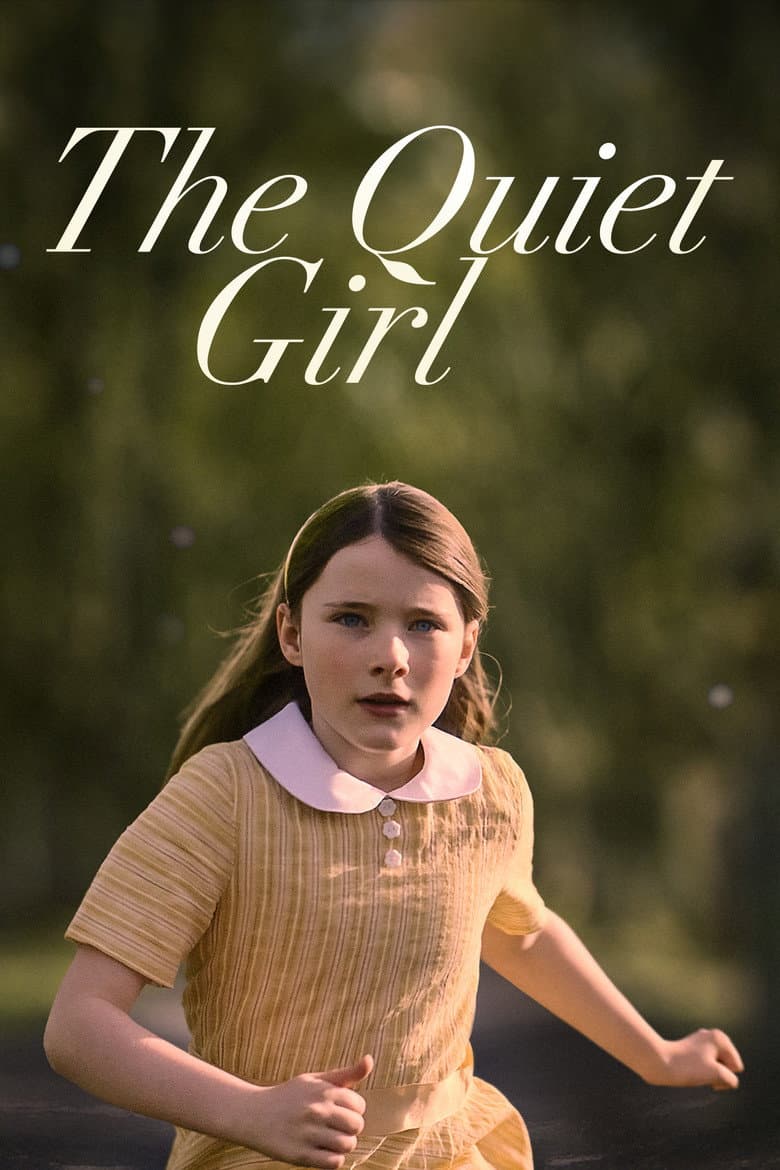
Movie · 2022
A quiet, neglected girl is sent away from her dysfunctional family to live with relatives for the summer. She blossoms in their care, but in this house where there are meant to be…
