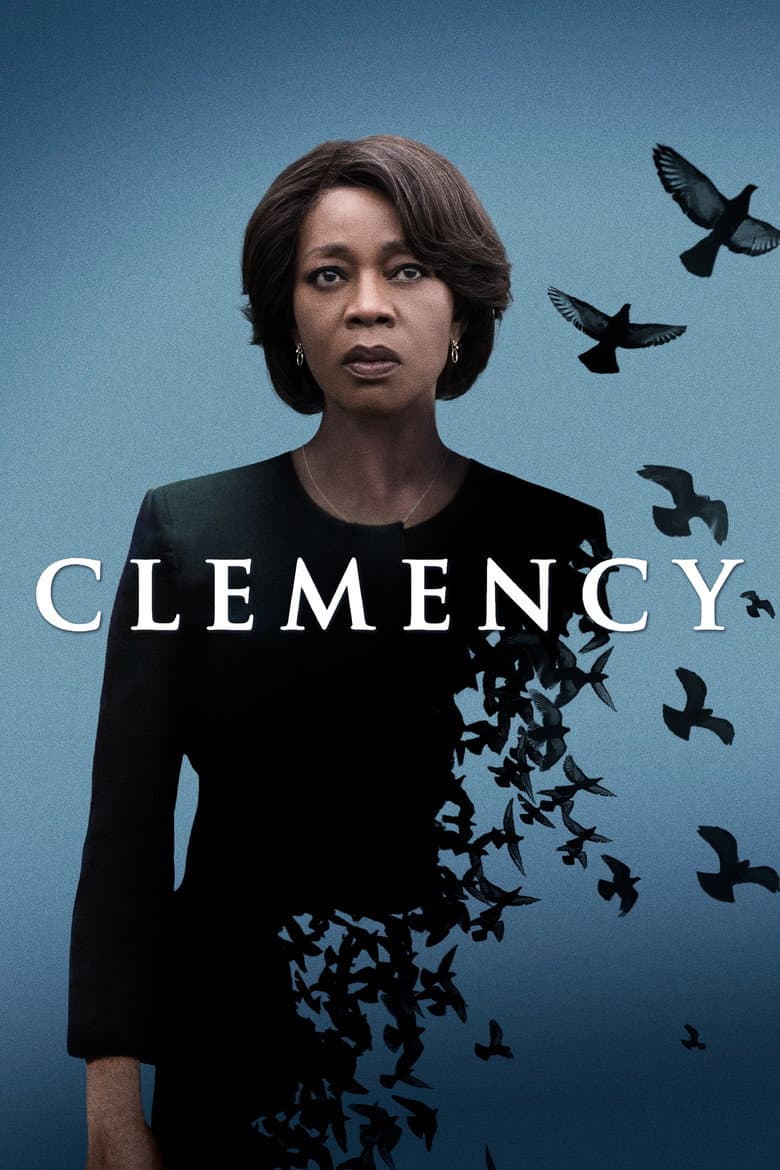
Clemency follows Bernadine Williams, a prison warden who has spent years overseeing executions in an unnamed American state. A botched lethal injection leaves her shaken as she prepares to put Anthony Woods to death. Anthony says he is innocent, while his lawyer seeks a last-minute pardon and his former partner tries to bring their son to see him. Bernadine's work damages her marriage, sleep, and sense of right and wrong. The film uses a slow, quiet, and painful tone as it watches both people face the final execution.
The movie gives clear attention to race and state power because Bernadine and Anthony are black, and the story connects Anthony's possible wrongful conviction to the wider treatment of black men in prison. It asks viewers to see a condemned man as human even when his guilt is not settled, and it presents execution as a cold process that can destroy workers as well as prisoners. The film also centers a black woman in a powerful prison job and shows her emotional burden rather than treating her as a simple hero. These ideas are central to the story, but the film speaks through quiet scenes and human pain more often than direct political speeches.
Community feedback
Was our 60% Woke rating accurate?
Breakdown
These are the editorial factors and ratings behind our score for Clemency.
Woke representation / casting
Bernadine and Anthony are black people in the two main roles. The film places a black woman in charge of a prison and ties both leads to a death-penalty story. Director Chinonye Chukwu has said that humanizing black women is one of her filmmaking aims, which gives the casting an identity-focused frame.
45%
Woke political dialogue
The film includes repeated talk about court appeals, a possible wrongful conviction, and a governor's power to spare a life. Protesters outside the prison and Marty's television appeals present the death penalty as a public justice issue. The dialogue stays focused on capital punishment and does not make race, gender, or DEI into a repeated speech topic.
18%
Identity-driven story themes
The story centers a black warden and a black prisoner caught inside a death-penalty system. Anthony keeps saying he is innocent, and the film asks viewers to see his human worth even before guilt is settled. Bernadine's collapse shows the emotional cost of state violence on a black woman who carries out the orders. The film makes race, prison power, and mercy part of the main conflict, but it does not turn the plot into a broad gender campaign.
49%
Western institutional / cultural critique
The prison and state are shown as a cold system that turns killing into a routine job. The botched execution makes the process look cruel and unsafe. Anthony's possible innocence and the protests outside make the film question whether the state should have this power. Bernadine's marriage suffers, but the film does not attack family life, Christianity, or capitalism.
50%
Woke character or canon changes
Not relevant. This is an original fictional story. It does not change a known character, book, or real historical figure.
0%
Anti-woke backlash and complaints
Not present. Available reviews and audience posts discuss the death penalty, pacing, and acting, not woke or DEI complaints. The separate X research found no anti-woke reaction.
0%
Creator track record context
Director Chukwu has built a strong record around black women and social-justice stories. Producer Woodard has a long record of black representation and human-rights work. Producers Regina K. Scully and Kathryn Bostic also have strong representation-focused and activist records. Other listed producers and the casting team have mostly commercial or neutral profiles, so the context is strong but not uniform.
70%
Production
Movie · 2019
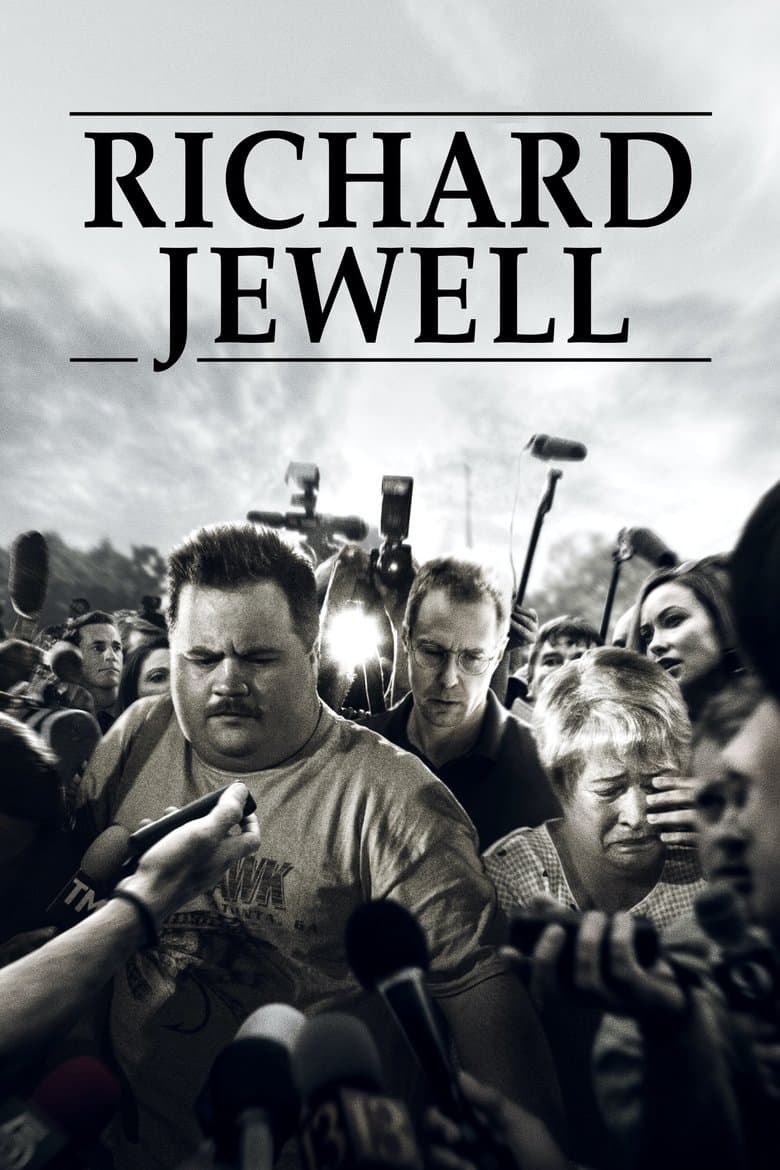
Richard Jewell thinks quick, works fast, and saves hundreds, perhaps thousands, of lives after a domestic terrorist plants several pipe bombs and they explode during a concert…
Movie · 2025
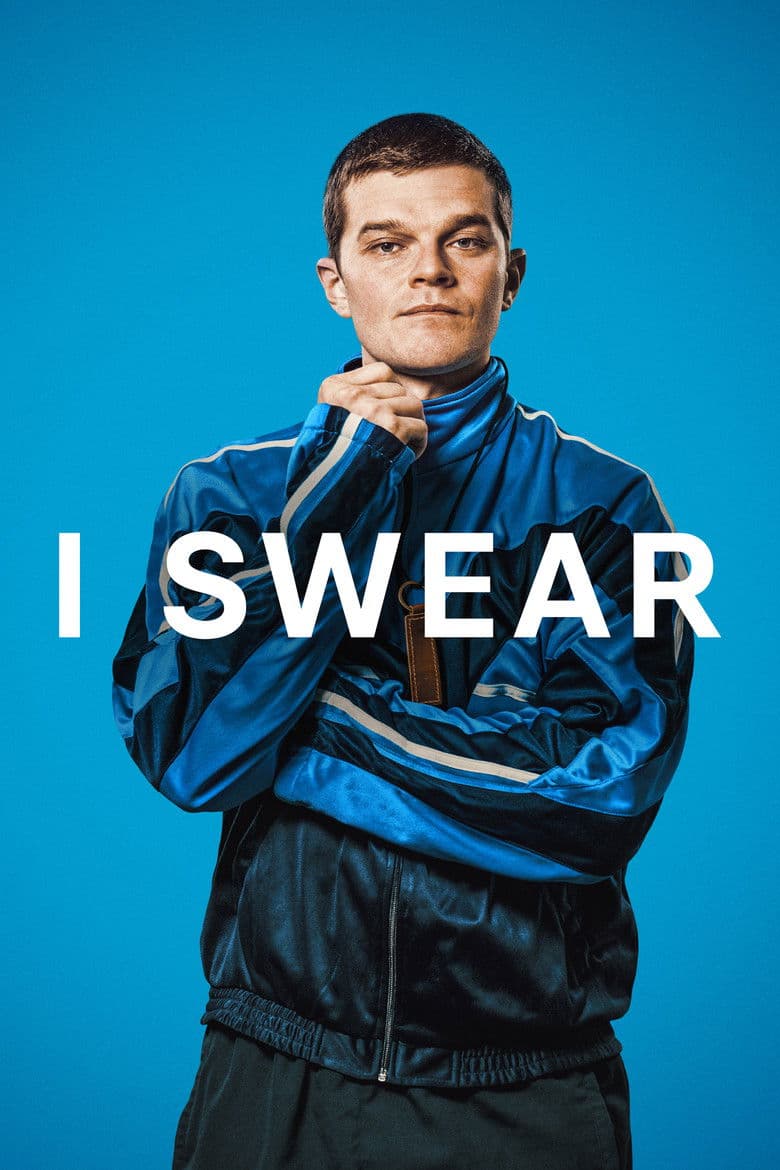
Diagnosed with Tourette Syndrome at 15, John Davidson navigates his way against the odds through troubled teenage years and into adulthood, finding inspiration in the kindness of…
Movie · 2016
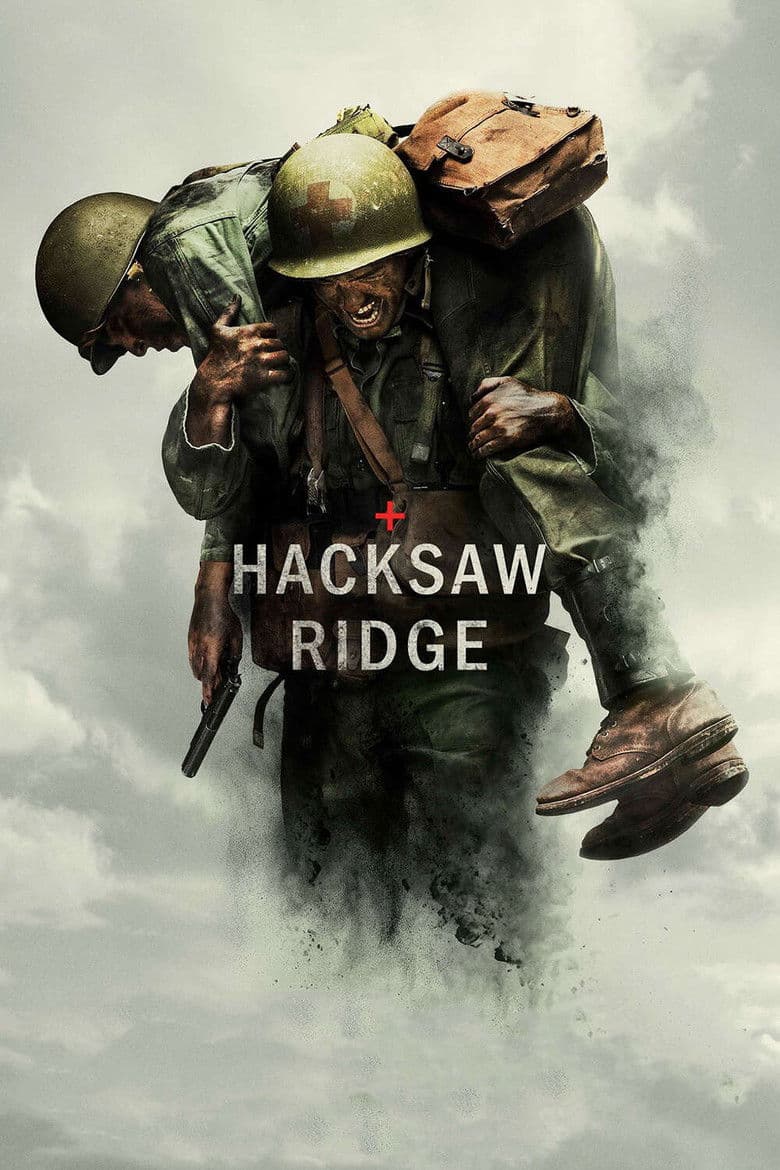
WWII American Army Medic Desmond T. Doss, who served during the Battle of Okinawa, refuses to kill people and becomes the first Conscientious Objector in American history to…
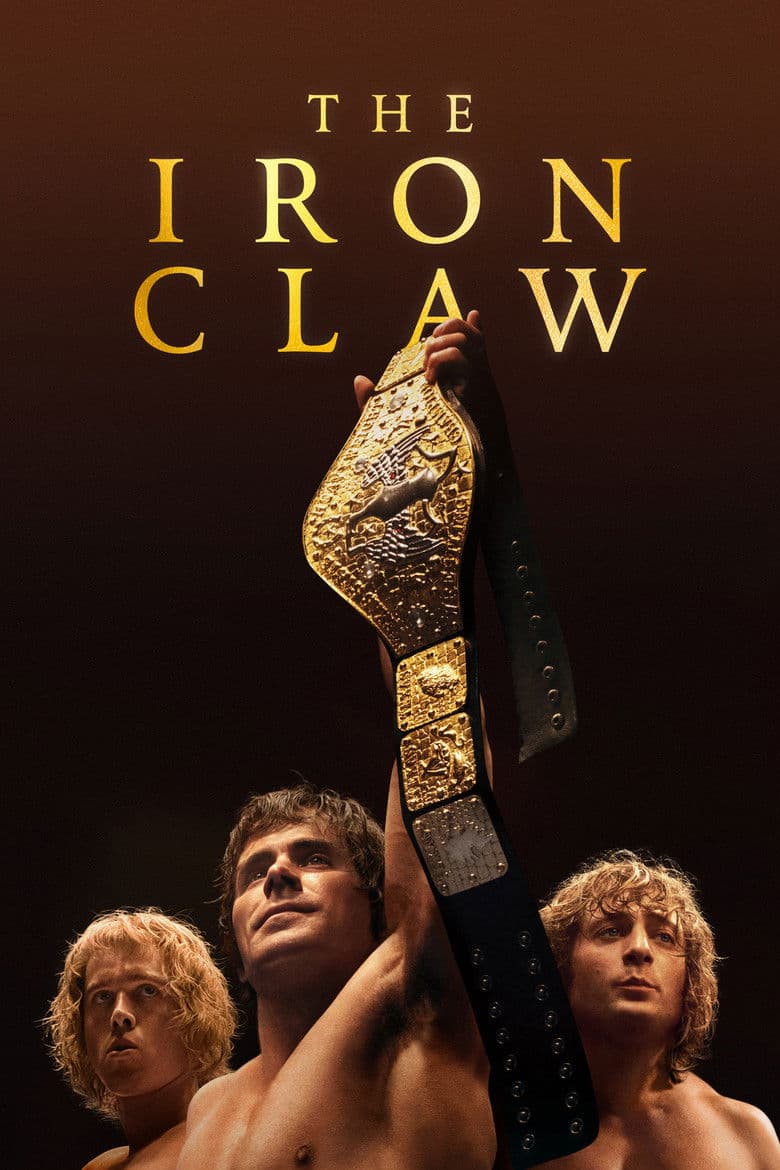
Movie · 2023
The true story of the inseparable Von Erich brothers, who made history in the intensely competitive world of professional wrestling in the early 1980s.
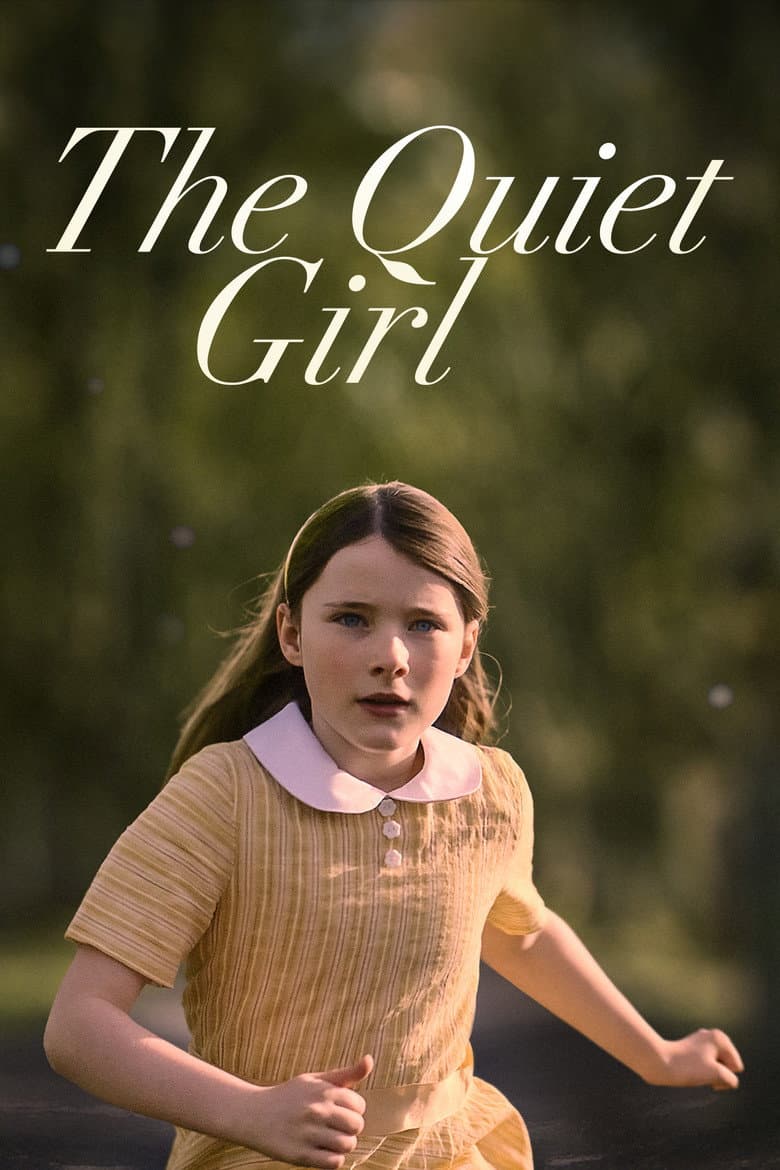
Movie · 2022
A quiet, neglected girl is sent away from her dysfunctional family to live with relatives for the summer. She blossoms in their care, but in this house where there are meant to be…
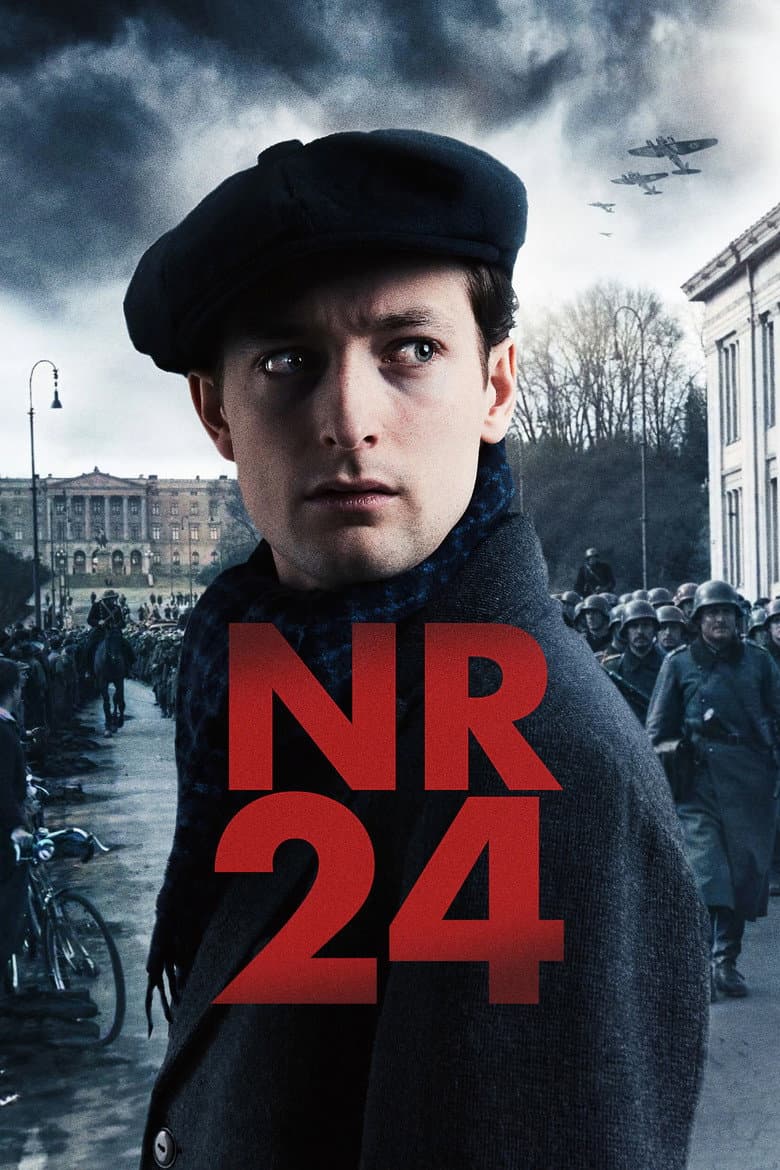
Movie · 2024
On the brink of the Second World War, a young Norwegian man's drive to resist the Nazis sets a new course for his future – and the future of his country.
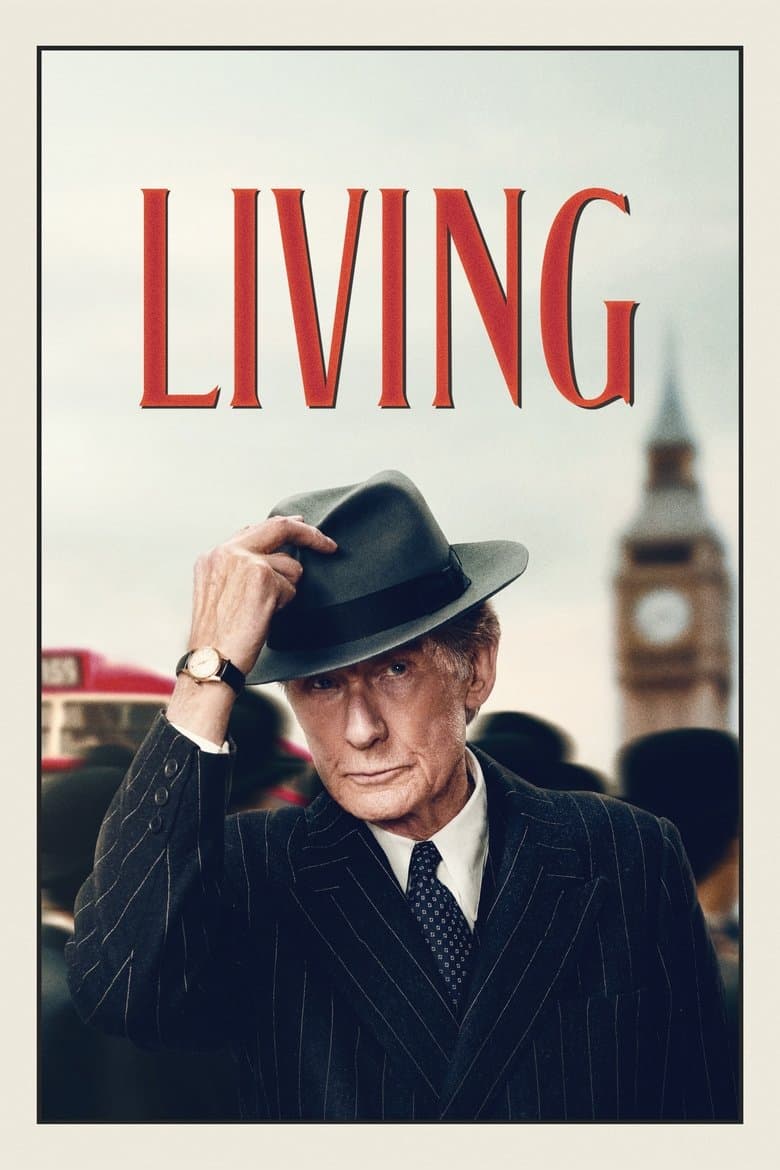
Movie · 2022
London, 1953. Mr. Williams, a veteran civil servant, is an important cog within the city's bureaucracy as it struggles to rebuild in the aftermath of World War II.
Movie · 2026
While people across 1990s Iraq struggle to survive the war and food shortages, Saddam Hussein requires each school in the country to prepare a cake to celebrate his birthday.
