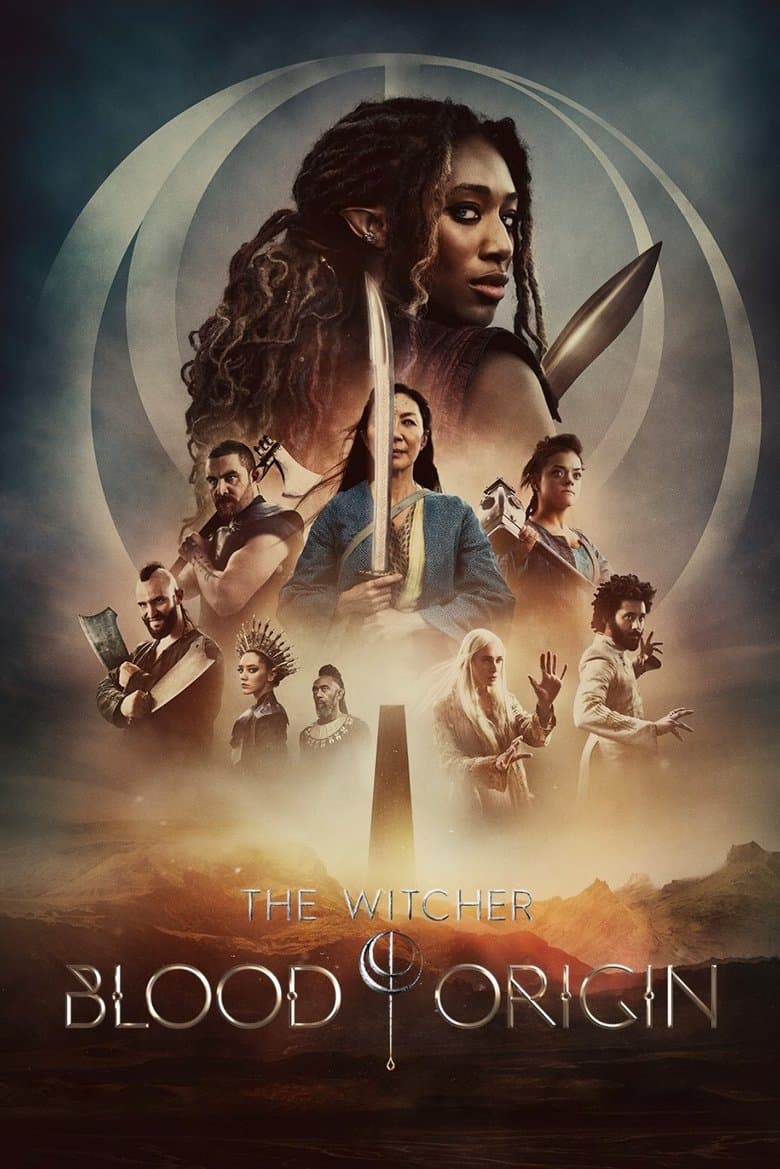
Started December 25, 2022 · Ended · Based on 1 season, 4 episodes through December 25, 2022 · TV-MA
The Witcher: Blood Origin takes place 1,200 years before Geralt and follows Éile, an elven warrior who leaves her clan to become a traveling singer. A coup turns the elven kingdoms into a harsh empire, and Éile joins Fjall, Scían, Zacaré, Syndril, Meldof, and Brother Death to fight it. The group also faces a monster made through dangerous magic and the arrival of humans during the Conjunction of the Spheres. The tone mixes bloody fights, crude jokes, romance, prophecy, and a sad story about a lost age.
The show puts a black woman at the center as a gifted fighter, singer, leader, and future mother. It also gives major roles to an Asian sword master, a black court adviser, a disabled mage, and a dwarf warrior. Éile rejects the role chosen for her, while Merwyn fights a system that treats her as a marriage tool and takes power for herself. The story includes a brief romance between the male characters Eredin and Brían and a lesbian backstory for Meldof, so identity and representation are visible but do not control the whole plot.
Community feedback
Was our 65% Woke rating accurate?
Breakdown
These are the editorial factors and ratings behind our score for The Witcher: Blood Origin.
Woke representation / casting
The show places a black woman, Éile, at the center as a warrior, singer, and leader. It gives major roles to an Asian sword master, a black court adviser, a dwarf woman, and a mage played by an actor with visible cerebral palsy. The story does not tie the ethnic choices to clan history or character backstory. Interviews openly frame the cast as diverse and inclusive, making the representation emphasis easy to notice.
45%
Woke political dialogue
Éile’s songs call on lowborn elves to rise against rulers who own their land and control their food. Balor calls his rule order and uses a policy that lets people starve while the heroes speak about freedom, revolution, and social change. The message returns through songs, speeches, and the rebel plot. The story stays inside a fantasy fight against an empire, so modern political dialogue is present but not dominant.
29%
Identity-driven story themes
The plot repeatedly links personal freedom to identity and chosen roles. Éile rejects her life as a trained warrior and chooses music before returning to lead the rebels. Merwyn rejects being traded in a marriage alliance and takes power for herself, while Meldof’s revenge follows the murder of her female lover, Gwen. Eredin and Brían have a male romance that is used in court blackmail. These themes are clear, but the main conflict remains an empire and a magical disaster.
47%
Western institutional / cultural critique
The royal system treats Merwyn as a vessel for marriage and children. Merwyn rejects that role and uses her knowledge to seize power. Éile leaves a warrior order because she cannot accept its brutality and later leads a revolt through songs. The show also condemns empire, caste, conquest, and harsh rule, but it does not attack Christianity or ordinary family life.
34%
Woke character or canon changes
The show gives established Witcher character Eredin a male lover, Brían, and makes their relationship part of the court plot. The source books and games do not give Eredin this relationship, so the choice visibly changes his identity on screen. The show also changes the origin of the first Witcher and his elf status, but that is a lore rewrite without a clear identity message.
31%
Anti-woke backlash and complaints
Lauren Chen called the launch casting “unbelievably woke and diverse” and attacked the writing. Other accounts called the show a woke mess and complained about girlboss writing, unnecessary diversity, the same-sex kiss, and race-conscious elf casting. Later posts still listed the show as Netflix DEI trash and woke nonsense. The backlash was scattered, and no organized boycott was verified.
42%
Creator track record context
The stored context rates showrunner Lauren Schmidt Hissrich at 57 and writer Tasha Huo at 59, and both have clear diversity-focused public work. Director Vicky Jewson is rated 60 for supporting women in action, and casting director Sophie Holland is rated 36 for diversity work. Declan de Barra is rated 24 and has no known activist record, while several other listed creators have low or unknown scores. The key team gives moderate supporting context, not proof that every story choice is activist.
39%
Production
TV Show · 2022
An episodic anthology series focused on both new and established characters set in the world of "The Walking Dead."
TV Show · 2019
In the dark, early days of a zombie apocalypse, complete strangers band together to find the strength they need to survive and get back to loved ones.
TV Show · 2023
After the party of heroes defeated the Demon King, they restored peace to the land and returned to lives of solitude.
TV Show · 2020
As humans turn into savage monsters and the world plunges into terror, a handful of survivors fight for their lives — and to hold on to their humanity.
TV Show · 2017
Located in the center of a remote island, the Abyss is the last unexplored region, a huge and treacherous fathomless hole inhabited by strange creatures where only the bravest…
TV Show · 2023
Maggie and Negan travel to post-apocalyptic Manhattan - long ago cut off from the mainland. The crumbling city is filled with the dead and denizens who have made it a world full…
TV Show · 2019
Iwatani Naofumi, a run-of-the-mill otaku, finds a book in the library that summons him to another world. He is tasked with joining the sword, spear, and bow as one of the Four…
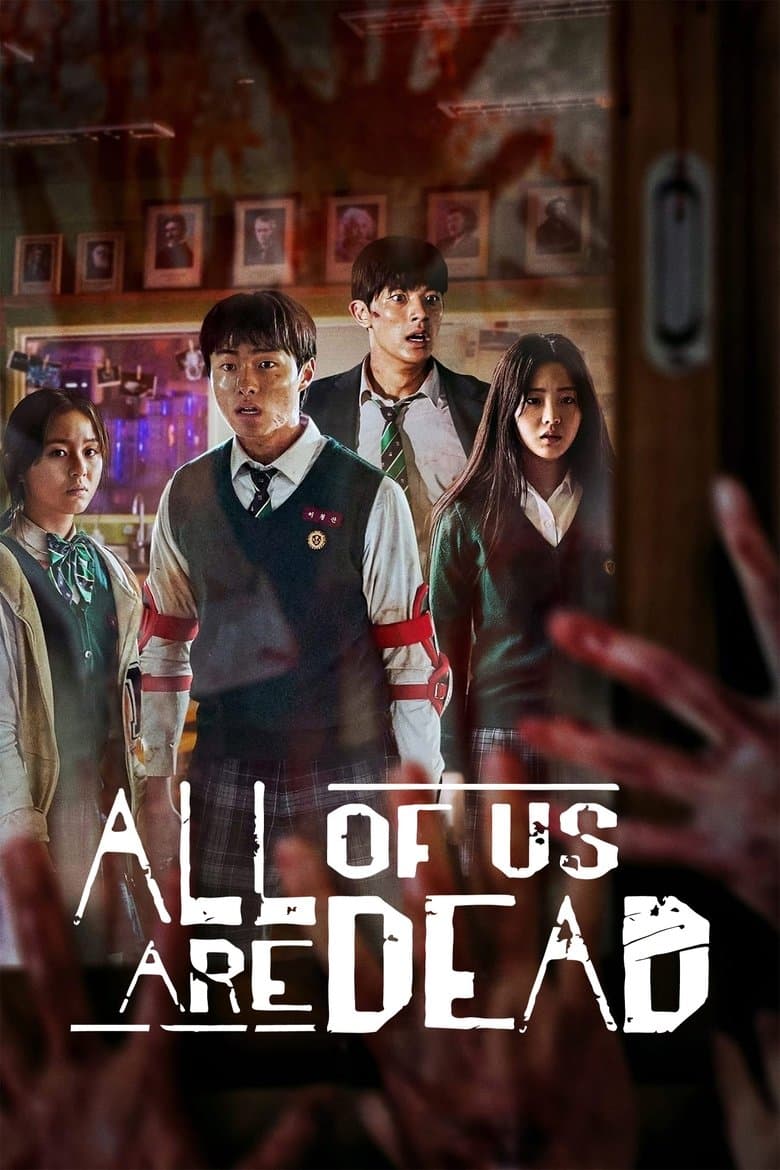
TV Show · 2022
A high school becomes ground zero for a zombie virus outbreak. Trapped students must fight their way out — or turn into one of the rabid infected.
