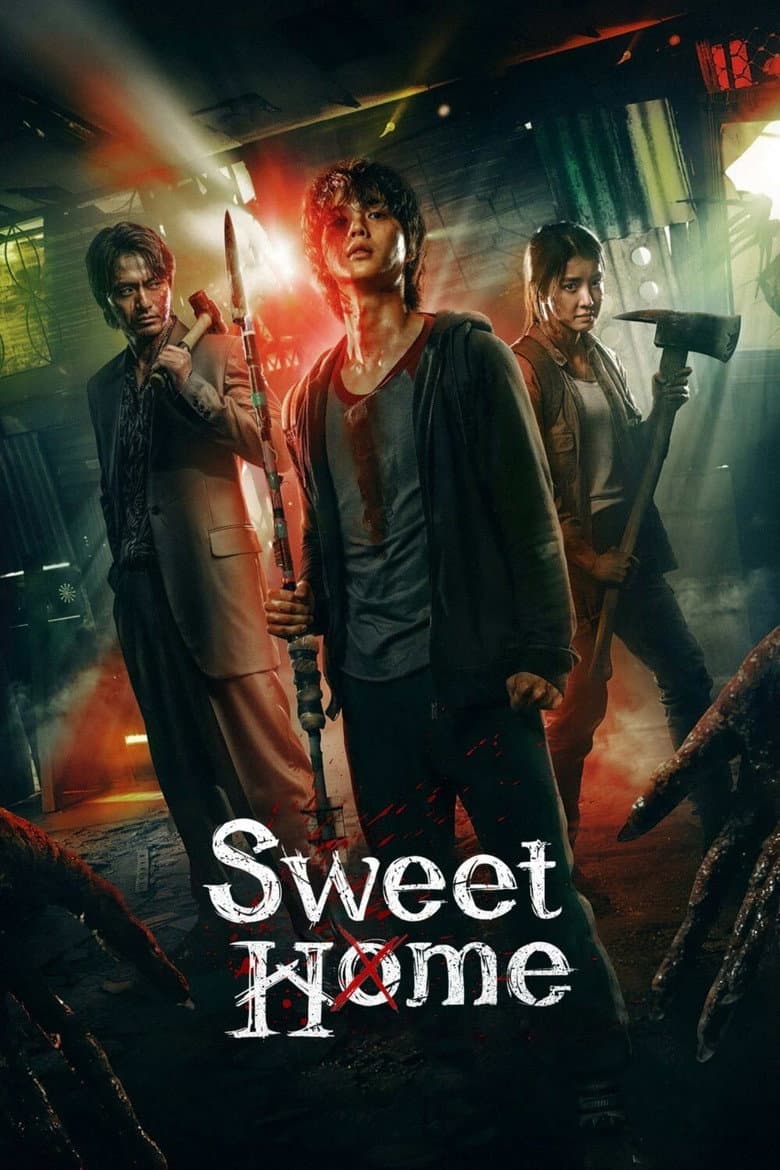
Started December 18, 2020 · Ended · Based on 3 seasons, 26 episodes through July 19, 2024 · TV-MA · Korean
Sweet Home follows Cha Hyun-su, a lonely teenager who moves into the Green Home apartment after his family dies. Soon, people across Seoul start changing into monsters that reveal their deepest wants. Hyun-su and the neighbors fight inside the building, then in military camps and ruined streets, while he struggles with his own change. The show mixes bloody horror, action, grief, and warm moments between frightened survivors.
The show gives several women major jobs in the fight, including firefighter Seo Yi-kyeong, fighter Lee Eun-yu, and bassist Yoon Ji-su. Men also lead the group, plan defenses, and win important battles. The main message asks whether a person stays human after becoming a monster. Later seasons add monster humans and emotionless neohumans, and the ending supports humans and changed people living together. The story uses desire, sacrifice, family love, friendship, and the choice to protect others as its main ideas.
Community feedback
Was our 30% Woke rating accurate?
Breakdown
These are the editorial factors and ratings behind our score for Sweet Home.
Woke representation / casting
Seo Yi-kyeong is a prominent firefighter and later a trained fighter who leads dangerous missions. Lee Eun-yu and Yoon Ji-su also take active combat roles across the story. The show still gives major male characters the main hero, strategist, soldier, and fighter roles. The director publicly said he wanted a female character capable of powerful action, which gives the casting a mild identity signal.
26%
Woke political dialogue
Dr. Lim gives a short speech that calls humanity a virus and monsters a vaccine. The speech links human greed to damage done to the Earth. The idea appears briefly in season 2 and does not drive a repeated political debate.
24%
Identity-driven story themes
The story repeatedly treats monsterized people as a group whose human worth is disputed. Hyun-su and other special infectees prove that changed people can protect others. Season 3 makes coexistence between humans and neohumans the closing answer. The show presents acceptance and togetherness, but it uses monsters and evolution rather than current race, gender, sexuality, or DEI politics.
28%
Western institutional / cultural critique
Not present. The show criticizes military control, experiments, and government decisions during a disaster. Those conflicts stay within the horror plot and do not become a modern attack on Western culture or traditional social institutions.
0%
Woke character or canon changes
The TV adaptation adds Seo Yi-kyeong, a major firefighter and action character who is not in the webtoon. Director Lee Eung-bok said he wanted a female character capable of powerful action. This is a clear gender and hero-role change, but it is limited to the adaptation and is not presented as an activist argument.
28%
Anti-woke backlash and complaints
Not present. No meaningful anti-woke complaints tied to Sweet Home appeared in the reviewed public discussion. The available backlash focused on confusing writing, CGI, deaths, and changes from the webtoon.
0%
Creator track record context
Cached profiles show mainstream Korean genre careers rather than activist or DEI careers. The listed creators have little public record of identity-first work or political campaigning. Their known records do not show a strong woke persona tied to this show.
3%
Production
TV Show · 2021
After encounters with a dragon and a princess on her own mission, a Dragon Knight becomes embroiled in events larger than he could have ever imagined.
TV Show · 2019
A grim drama that unfolds against the backdrop of a global catastrophe. An unknown new virus turns Moscow into a city of the dead.
TV Show · 2019
After a demon attack leaves his family slain and his sister cursed, Tanjiro embarks upon a perilous journey to find a cure and avenge those he's lost.
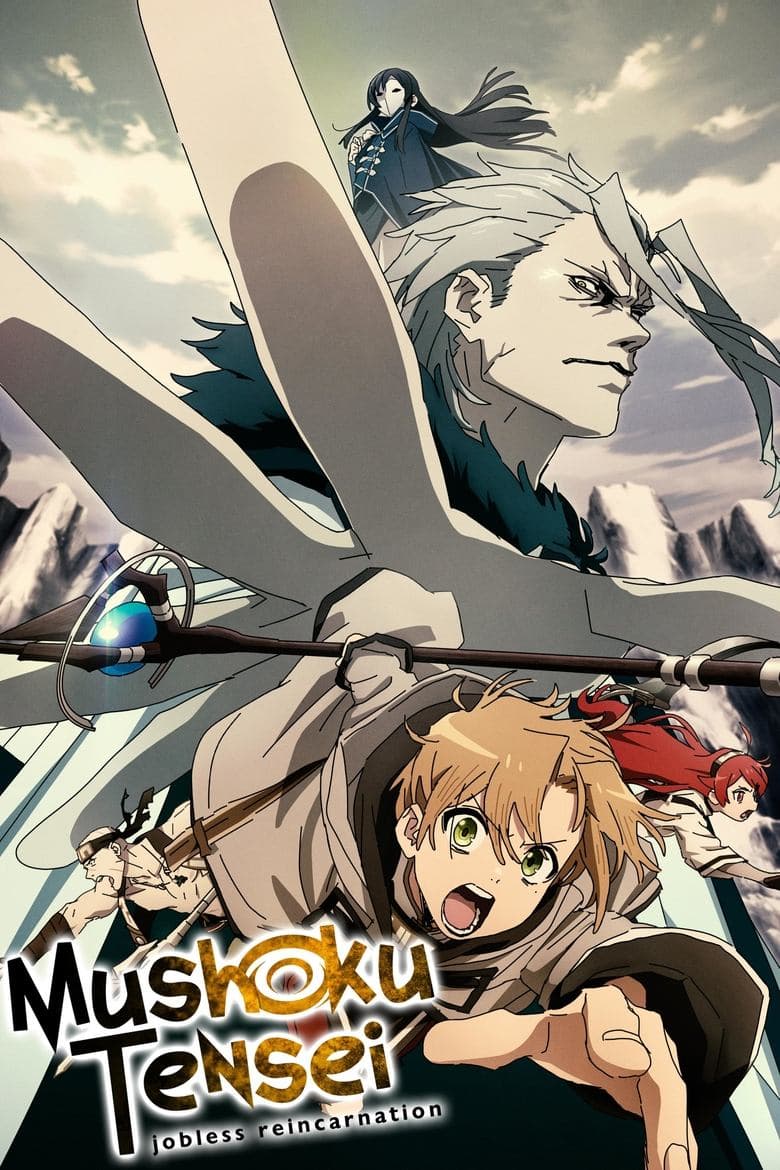
TV Show · 2021
When a 34-year-old underachiever gets run over by a truck, his story doesn't end there. Reincarnated in a new world as an infant, Rudy will seize every opportunity to live the…
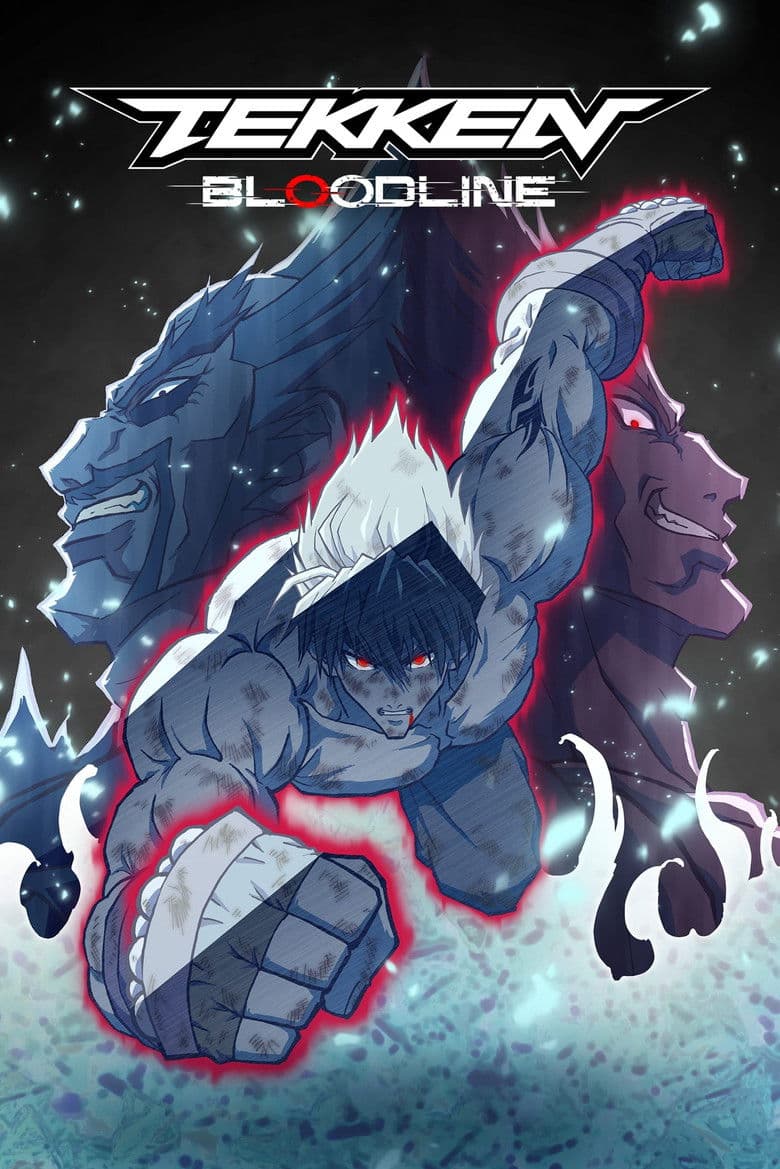
TV Show · 2022
After losing his home to a powerful enemy, a hot-tempered fighter trains under his zealous grandfather while awaiting his chance for revenge.
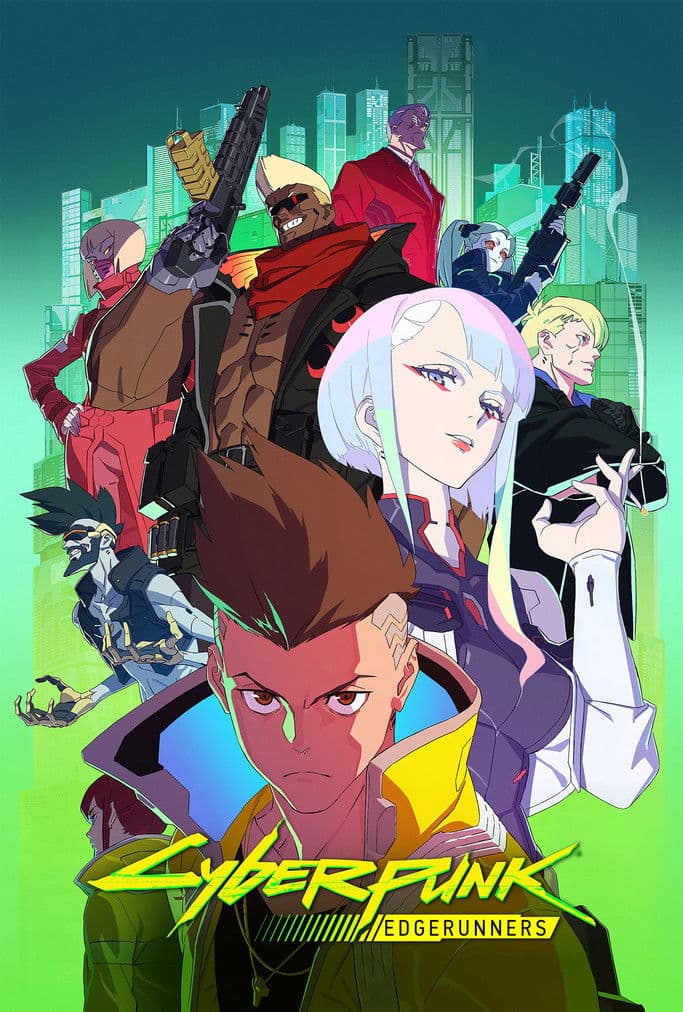
TV Show · 2022
In a dystopia riddled with corruption and cybernetic implants, a talented but reckless street kid strives to become a mercenary outlaw — an edgerunner.
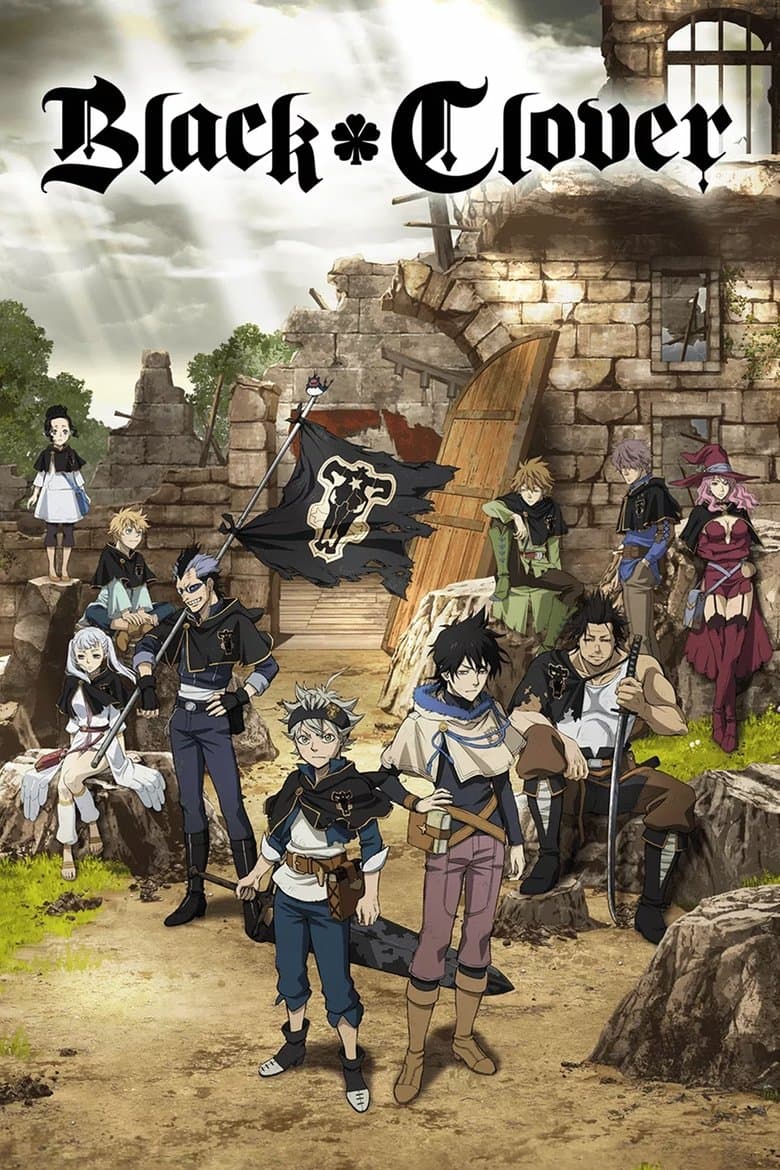
TV Show · 2017
Asta and Yuno are two orphans who want the same thing: to become the Wizard King. Locked in a friendly rivalry, they work hard towards their goal.
TV Show · 2021
Legendary bounty hunter Boba Fett and mercenary Fennec Shand must navigate the galaxy’s underworld when they return to the sands of Tatooine to stake their claim on the territory…
