TV Show review
Started January 9, 2019 · Returning Series · Based on 4 seasons, 62 episodes through September 24, 2025 · TV-14 · 24 min · Japanese
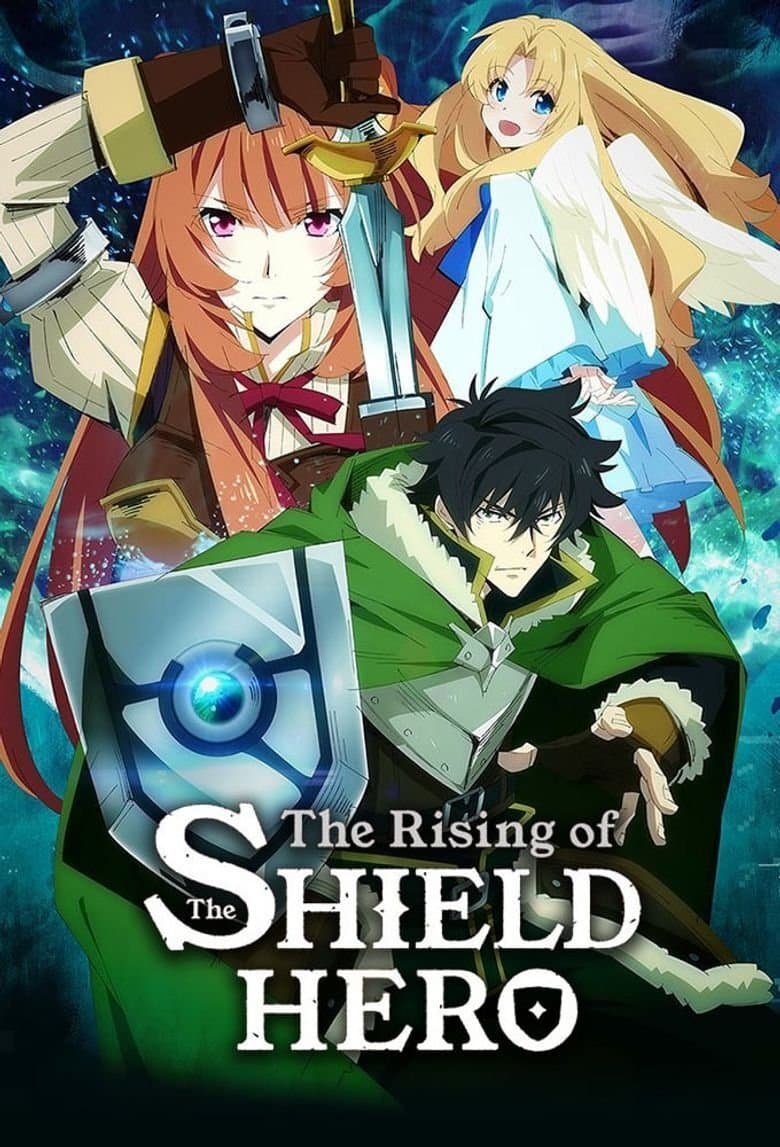
Naofumi Iwatani is a college student who is pulled from modern Japan into a game-like fantasy world. The kingdom names him the Shield Hero, one of four heroes who must fight monster Waves that can destroy nations. A princess falsely accuses him of rape, and the kingdom turns against him before he buys Raphtalia, a sick demi-human girl, as his first fighter. Naofumi begins angry and distrustful, then slowly becomes a protector, village leader, and partner to a large group of allies.
The clearest identity-related material is the repeated conflict between humans and demi-humans, who face slavery, prejudice, forced labor, and political abuse. Naofumi rescues enslaved villagers and builds a community where demi-humans can live under his protection, while the story also attacks a false church and corrupt rulers. The show gives several women major combat or ruling roles, although Naofumi remains the main leader. Season 4 follows Raphtalia's homeland and presents her as a symbol for a revolt against an unstable ruler. These themes are visible across the show, but the series treats them as fantasy world conflict instead of modern activist politics.
Community feedback
Was our 21% Woke rating accurate?
Breakdown
These are the editorial factors and ratings behind our score for The Rising of the Shield Hero.
Woke representation / casting
Not present. The show uses a Japanese anime cast in a fantasy world of humans and fictional demi-humans. No character is introduced as a real-world diversity statement, and the female fighters and rulers serve the story.
0%
Woke political dialogue
Not present. Characters discuss false accusations, slavery, prejudice, churches, and rulers, but the dialogue stays inside the fantasy world. No recurring modern identity, DEI, or activist speech is shown.
0%
Identity-driven story themes
The story repeatedly shows demi-humans being enslaved, distrusted, or treated as lower than humans. Naofumi buys slaves, later tries to recover enslaved villagers, and builds a mixed community around his village. Season 4 makes Raphtalia a symbolic figure in a rebellion tied to her birth and species. These ideas are part of the fantasy plot and are not framed as a modern identity campaign.
18%
Western institutional / cultural critique
Not present. The story attacks a fictional church, corrupt nobles, and abusive rulers as part of its fantasy conflict. It does not mock Christianity or push a modern critique of patriarchy, capitalism, or Western culture.
0%
Woke character or canon changes
Not relevant. The anime adapts Aneko Yusagi's light novels, and the known adaptation changes concern pacing and scene choices. No race, gender, sexuality, or hero-role change is established.
0%
Anti-woke backlash and complaints
Anti-woke outlets defended the false rape accusation as a counterpoint to #MeToo and attacked critics who called the premise harmful. Western fans repeated claims that the show challenged “believe women” politics and protected male victims of false accusations. This reaction was strongest around episode one in 2019 and did not drive a similar debate in seasons two through four. The controversy was real but concentrated in a niche anime and culture-war audience.
58%
Creator track record context
Not present. Cached notes describe the listed directors, writers, and producers as conventional anime workers. The notes show no sustained activist, DEI, or identity-first public record.
0%
Production
TV Show · 2017
Located in the center of a remote island, the Abyss is the last unexplored region, a huge and treacherous fathomless hole inhabited by strange creatures where only the bravest…
TV Show · 2021
When a 34-year-old underachiever gets run over by a truck, his story doesn't end there. Reincarnated in a new world as an infant, Rudy will seize every opportunity to live the…
TV Show · 2019
One fateful day, all of humanity was petrified by a blinding flash of light. After several millennia, high schooler Taiju awakens and finds himself lost in a world of statues.
TV Show · 2024
They say whatever doesn’t kill you makes you stronger, but that’s not the case for the world’s weakest hunter Sung Jinwoo.
TV Show · 2024
In a world plagued by creatures known as Kaiju, Kafka Hibino aspired to enlist in The Defense Force. He makes a promise to enlist with his childhood friend, Mina Ashiro.
TV Show · 2022
After losing his home to a powerful enemy, a hot-tempered fighter trains under his zealous grandfather while awaiting his chance for revenge.
TV Show · 2021
After encounters with a dragon and a princess on her own mission, a Dragon Knight becomes embroiled in events larger than he could have ever imagined.
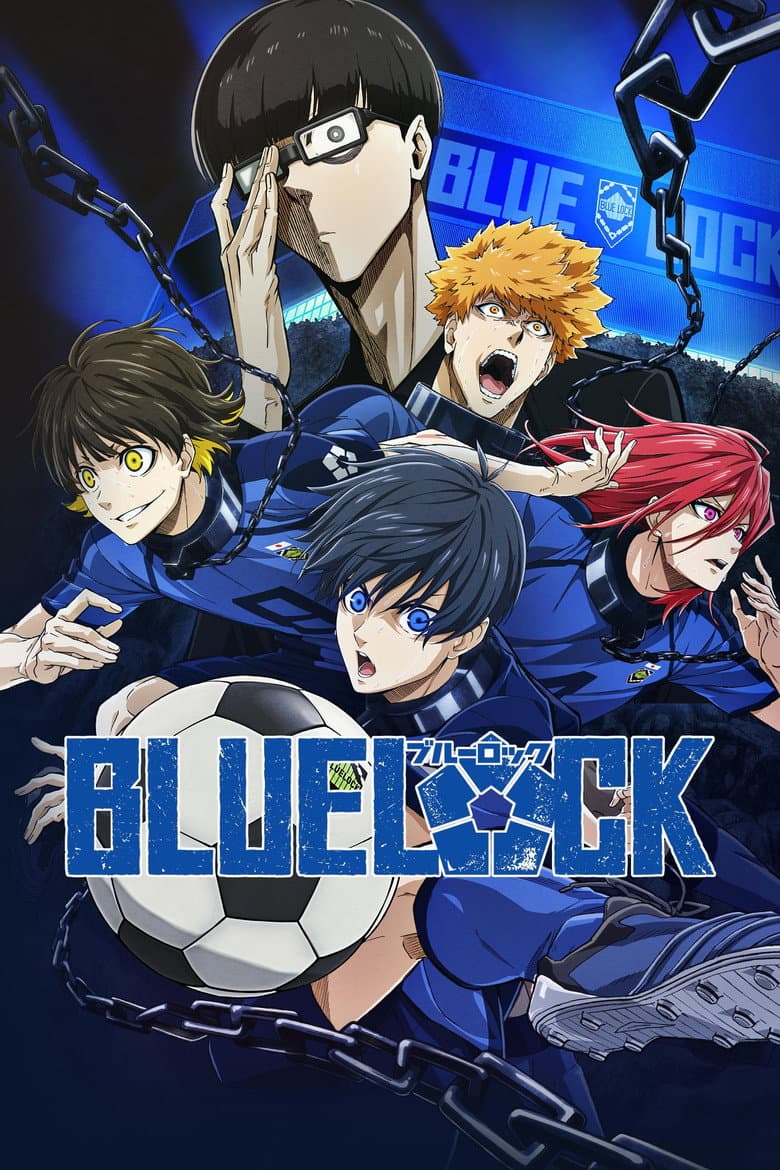
TV Show · 2022
High school soccer players from across Japan gather for a controversial project designed to create the best — and most egoistic — striker in the world.
