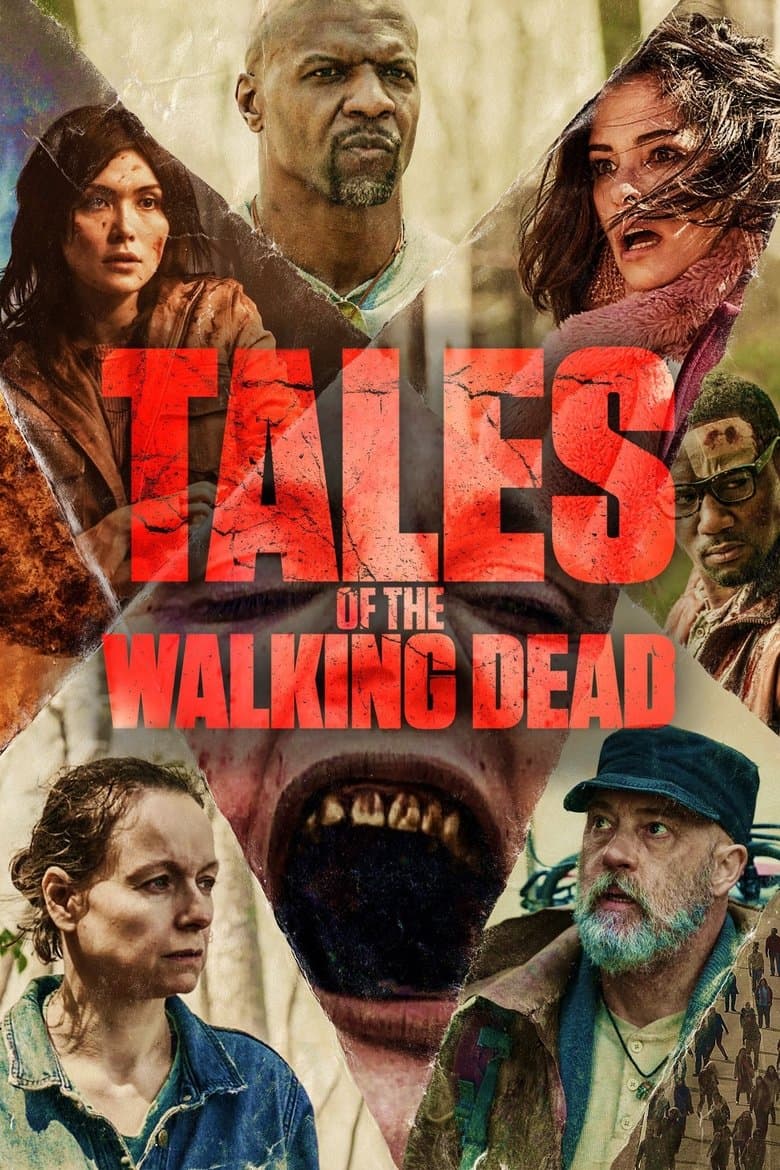
Started August 14, 2022 · Canceled · Based on 1 season, 6 episodes through September 18, 2022 · TV-MA
Tales of the Walking Dead is a six-part anthology set during different stages of a zombie collapse. Each episode follows a small group of survivors facing walkers, fear, guilt, or other people. Terry Crews plays Joe, a lonely prepper who leaves his bunker after his dog dies and meets Evie, a free-spirited traveler. The season shifts from road comedy and a time loop to Alpha’s cruel past, a nature study, a murder mystery, and a haunted house story.
The clearest identity-related element appears in the Alpha episode, where Dee becomes strongly interested in Hera, a woman who leads the Whisperers, and the story suggests a possible romance. Several episodes also place women in major positions, including an insurance boss, survivor leaders, and the future Alpha. The season gives Black, Asian, and Latino actors important roles, while most settings make the casting feel natural rather than like a story about race. Episode 3 changes Alpha’s backstory, but the rest of the season mainly tells stories about survival, grief, nature, revenge, and horror.
Community feedback
Was our 26% Woke rating accurate?
Breakdown
These are the editorial factors and ratings behind our score for Tales of the Walking Dead.
Woke representation / casting
The season repeatedly puts women in the most visible roles. Blair runs an insurance office, Brooke and Hera lead survivor groups, and Dee becomes the main fighter and future Alpha. Black, Asian, and Latino actors also lead separate episodes, but the settings make most of those choices believable. The pattern is noticeable, yet the show does not build a “one of each” group or sell the cast as a diversity campaign.
24%
Woke political dialogue
Not present. The characters talk about survival, nature, guilt, fear, and trust. The episodes do not use recurring modern activist, partisan, or identity-politics language.
0%
Identity-driven story themes
Episode 3 presents Dee’s interest in Hera as a possible romantic relationship between two women. The idea appears in one episode and stays tied to Dee’s rise into Alpha. The other stories focus on survival, grief, revenge, science, or horror rather than identity politics.
18%
Western institutional / cultural critique
Not present. The show criticizes greedy insurance work, mob revenge, and human arrogance toward nature. Those are ordinary survival conflicts, not a recurring attack on Western institutions, capitalism, family, or religion.
0%
Woke character or canon changes
Episode 3 adds a possible same-sex romantic interest for the established character Dee, who later becomes Alpha. The episode also changes the earlier Whisperer history by making Hera the first leader and Dee the later killer who takes her place. The identity change is brief and implied, while the larger change mainly serves the show’s new backstory.
22%
Anti-woke backlash and complaints
Not present. The supplied X pass found no anti-woke reaction or coordinated campaign. One user review used the word “woke” without naming a political or identity complaint, so the evidence is too weak to show real backlash.
0%
Creator track record context
Channing Powell and Scott M. Gimple have neutral public profiles with no clear activist pattern. Writer Lindsey Villarreal has diversity-focused work, and director Deborah Kampmeier has a stronger feminist record. Maya Goldsmith also has work built around criticism of patriarchy. Most other listed creators have neutral or low public profiles, so this is supporting context rather than the show’s main signal.
25%
Production
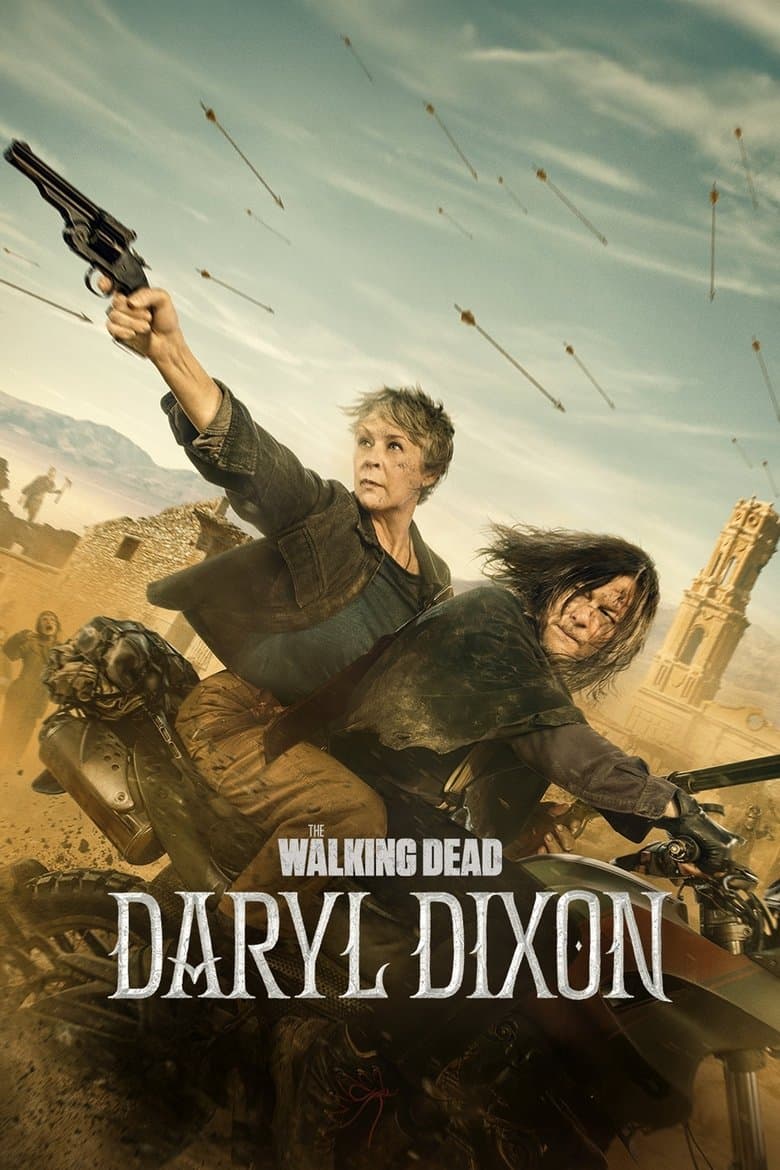
TV Show · 2023
After washing ashore in France, Daryl struggles to piece together how he got there and why, as he navigates a fractured, walker-infested landscape to find his way home.
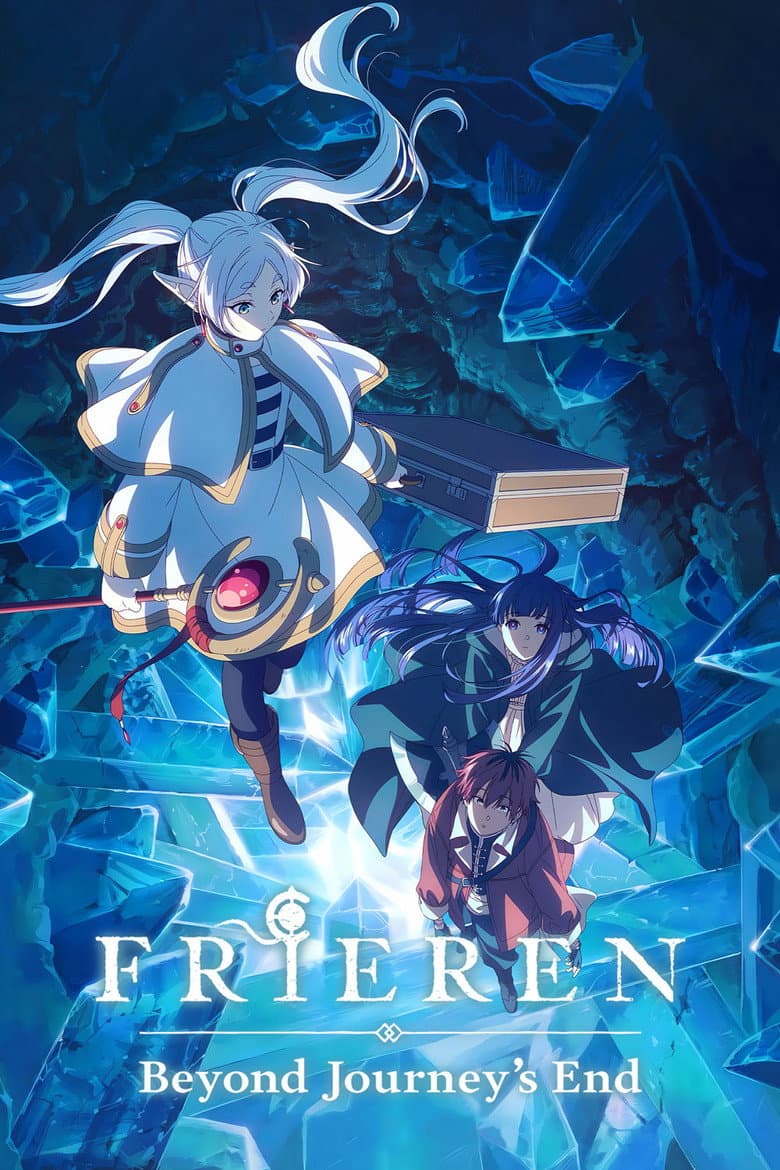
TV Show · 2023
After the party of heroes defeated the Demon King, they restored peace to the land and returned to lives of solitude.
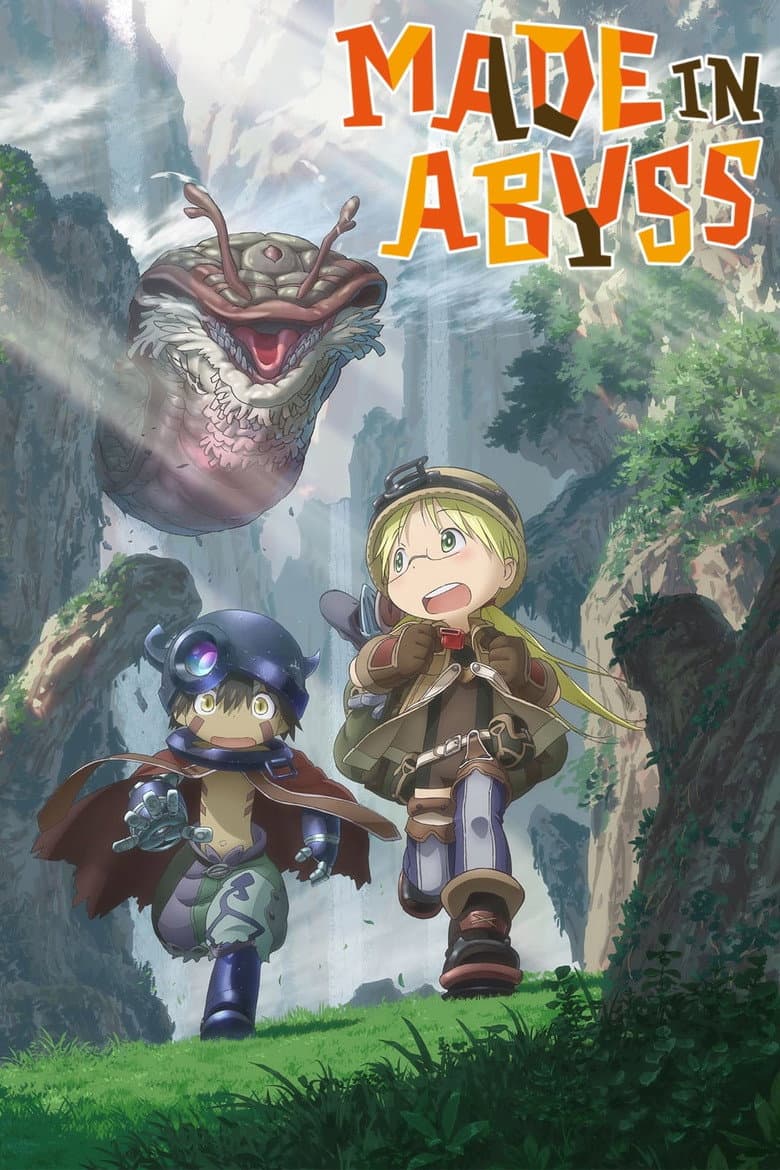
TV Show · 2017
Located in the center of a remote island, the Abyss is the last unexplored region, a huge and treacherous fathomless hole inhabited by strange creatures where only the bravest…
TV Show · 2024
In a world plagued by creatures known as Kaiju, Kafka Hibino aspired to enlist in The Defense Force. He makes a promise to enlist with his childhood friend, Mina Ashiro.
TV Show · 2019
A grim drama that unfolds against the backdrop of a global catastrophe. An unknown new virus turns Moscow into a city of the dead.

TV Show · 2023
At the brink of going to hell, Yee-jae must cycle through twelve separate lives and twelve separate deaths in this reincarnation drama.
TV Show · 2023
Faced with ruthless foes with a violent thirst, two young boxers band together — risking life and limb to bring justice and protect their loved ones.
TV Show · 2022
With the aid of unexpected friends, a gifted but introverted student confronts bullies and violent foes — unaware of how dangerous his world will become.
