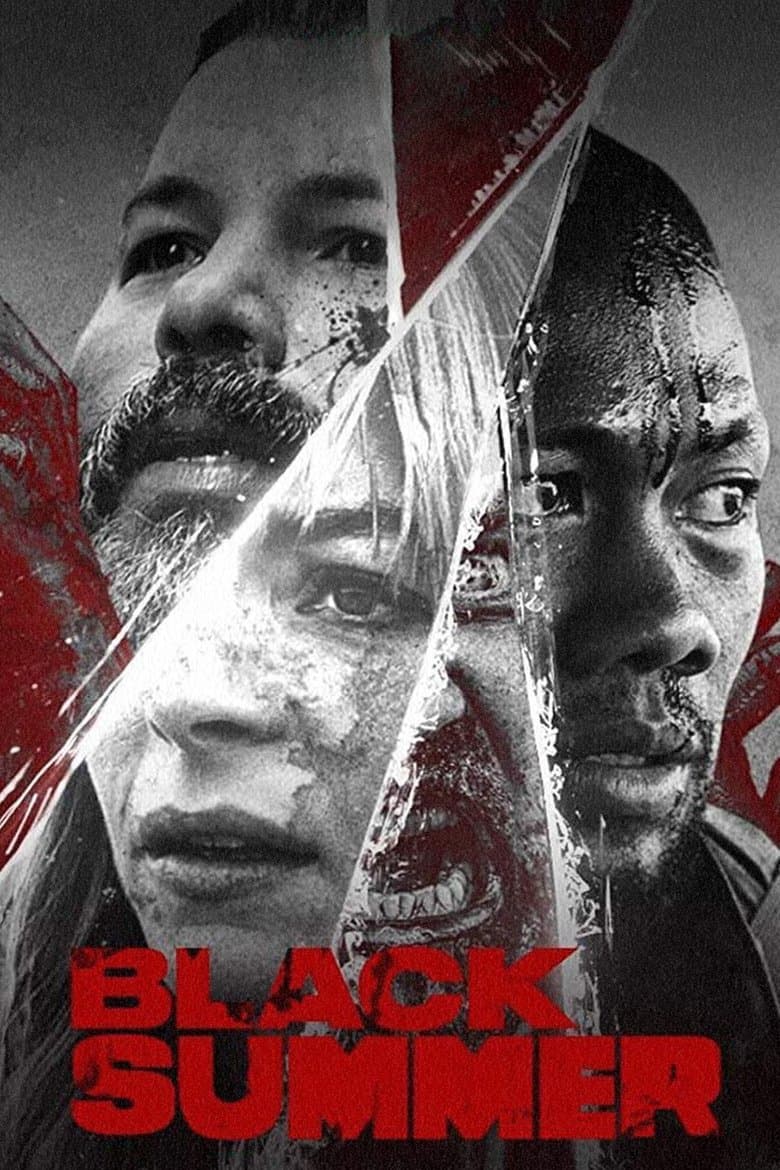
Started April 11, 2019 · Canceled · Based on 2 seasons, 16 episodes through June 17, 2021 · TV-MA · 45 min
Black Summer follows Rose, a mother who is separated from her daughter during the first days of a fast-moving zombie outbreak. She crosses ruined suburbs and dangerous escape routes with strangers such as Spears, Sun, and other survivors while trying to reach safety. The first season moves toward a stadium, while the second season moves through a cold mountain region toward an airstrip and scattered supplies. The show uses short chapters, little talk, sudden deaths, and long chase scenes to create a harsh and nervous survival story.
The show gives major roles to a white mother, a black man, a Korean woman who often speaks Korean, and a deaf man, so visible representation is part of the cast design. Rose’s separation from her daughter also echoes real news about migrant families separated at the border, and the story links the outbreak with fear, bias, and a nation falling apart. Those ideas are strongest in the first season, while the second season gives more weight to mistrust, rival survivor groups, violence, and Rose teaching Anna to survive. Identity politics is not the main focus of the whole show, but the first season carries a clear current-events message beneath its zombie action.
Community feedback
Was our 28% Woke rating accurate?
Breakdown
These are the editorial factors and ratings behind our score for Black Summer.
Woke representation / casting
The show places a white mother, a black man, a Korean woman, and a deaf man among its main survivors. Sun and Spears remain important across the story, while Ryan receives a strong early focus. This makes identity-visible casting a clear pattern in the group. The show does not make diversity a spoken goal inside the plot.
31%
Woke political dialogue
Not present. The survivors talk about escape, fear, trust, and survival. They do not hold recurring speeches about identity, DEI, or current politics.
0%
Identity-driven story themes
The first season makes Rose’s separation from her daughter resemble news about migrant families separated at the border. The story also links the outbreak with bias, hatred, and a country split into hostile sides. Season two focuses more on distrust, armed groups, scarce supplies, and survival. The identity message is important in the first season but does not control both seasons.
24%
Western institutional / cultural critique
The first season shows military evacuation plans, checkpoints, and the stadium refuge failing as the outbreak spreads. The story presents public systems as weak and unable to protect ordinary people. That failure fits the disaster setting and is not a repeated attack on capitalism, religion, family life, or male authority. Season two instead focuses on rival survivor groups and the cold.
18%
Woke character or canon changes
Not relevant. The series uses new survivors in the Z Nation world. It does not rework an established character or real figure around identity politics.
0%
Anti-woke backlash and complaints
One small account complained that the show used a deaf man and a non-English-speaking Asian woman to push diversity instead of entertainment. A few right-leaning viewers praised the show as action without an agenda, while another noted its diversity without calling for a boycott. No large campaign, review-bombing effort, or sustained news backlash was reported. The available complaint evidence is fringe and small.
12%
Creator track record context
The main creative team has low recorded woke scores, from 0 to 18, and no strong activist pattern. The known creator records show genre work with little identity-driven advocacy. Jaime King called the title political and feminist and spoke about diversity, but that is mainly title-specific framing. The broader creator record remains low.
8%
Production
TV Show · 2019
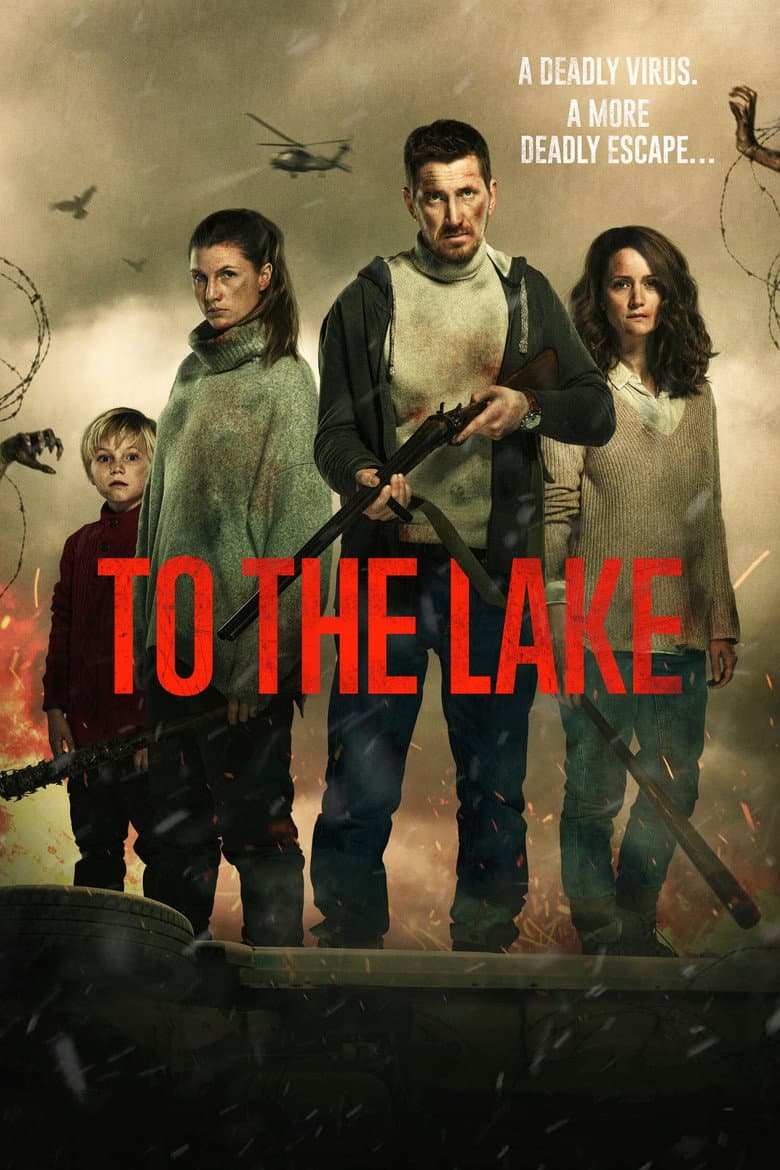
A grim drama that unfolds against the backdrop of a global catastrophe. An unknown new virus turns Moscow into a city of the dead.
TV Show · 2019
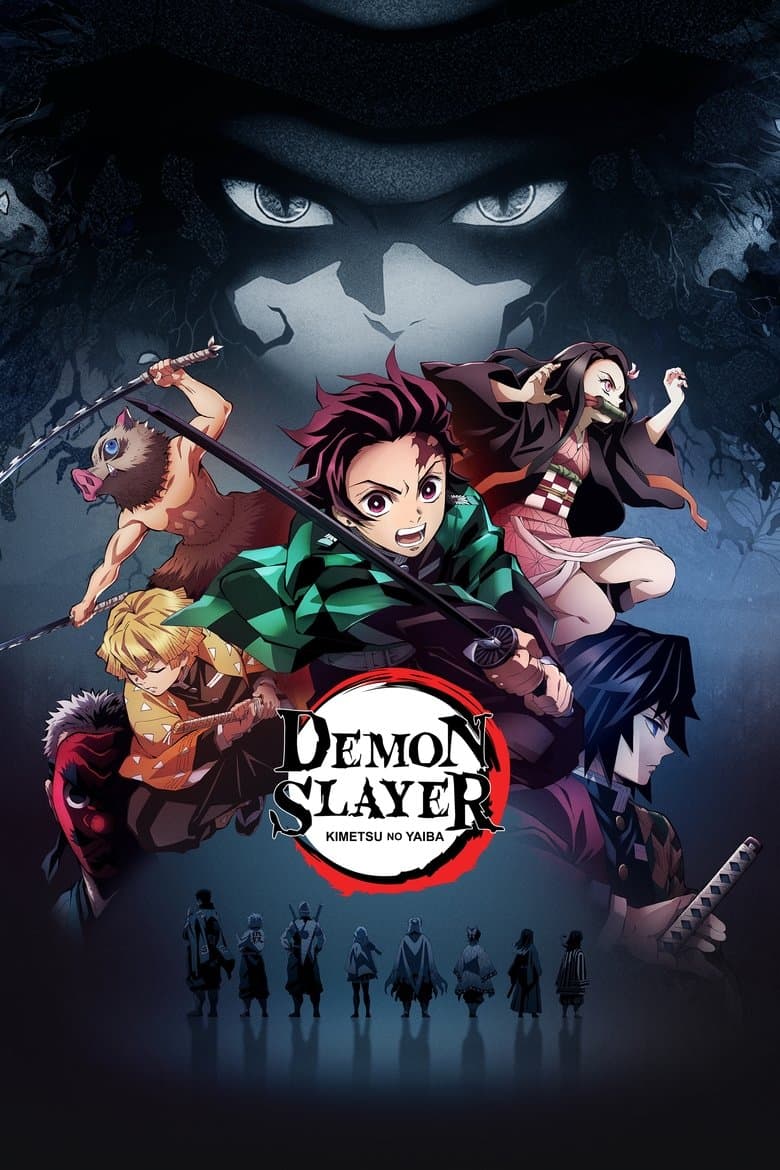
After a demon attack leaves his family slain and his sister cursed, Tanjiro embarks upon a perilous journey to find a cure and avenge those he's lost.
TV Show · 2017
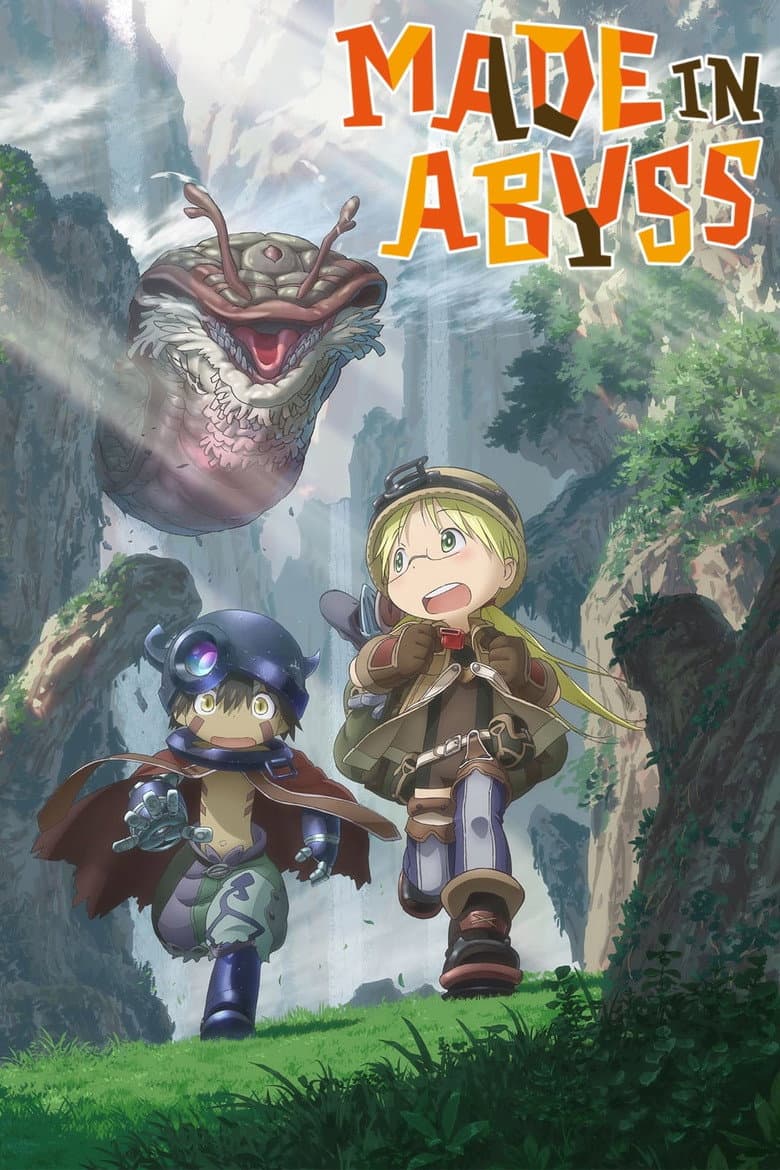
Located in the center of a remote island, the Abyss is the last unexplored region, a huge and treacherous fathomless hole inhabited by strange creatures where only the bravest…
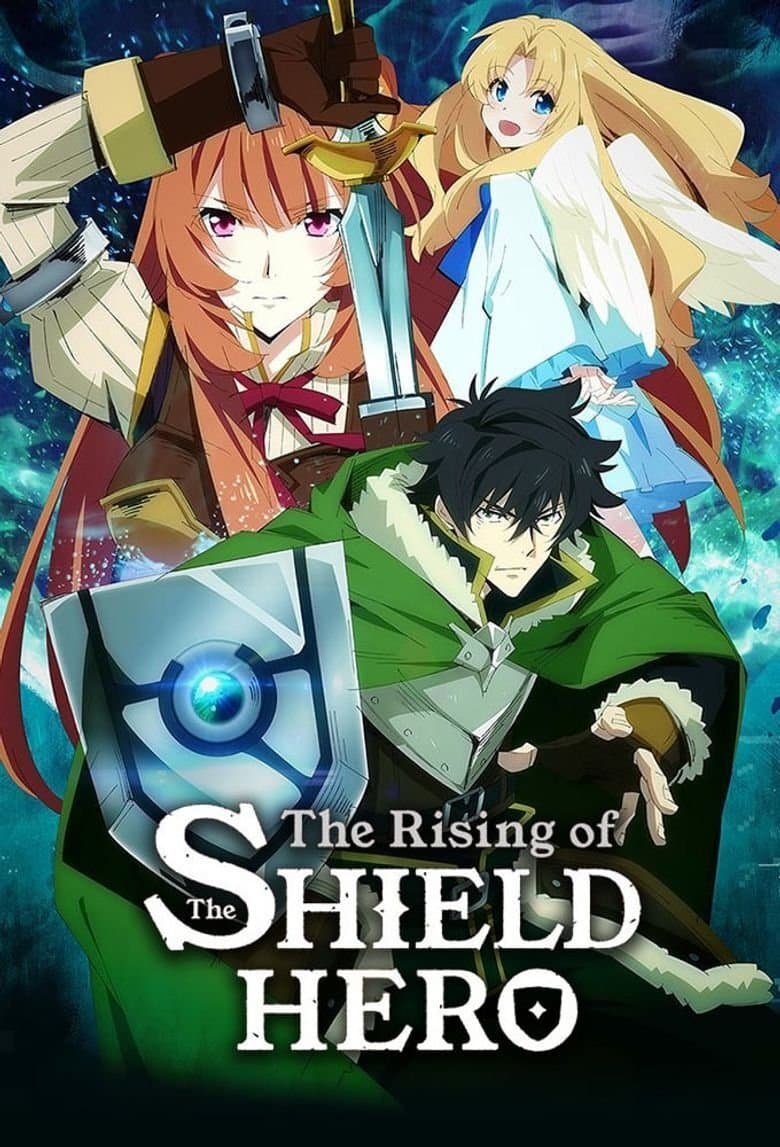
TV Show · 2019
Iwatani Naofumi, a run-of-the-mill otaku, finds a book in the library that summons him to another world. He is tasked with joining the sword, spear, and bow as one of the Four…
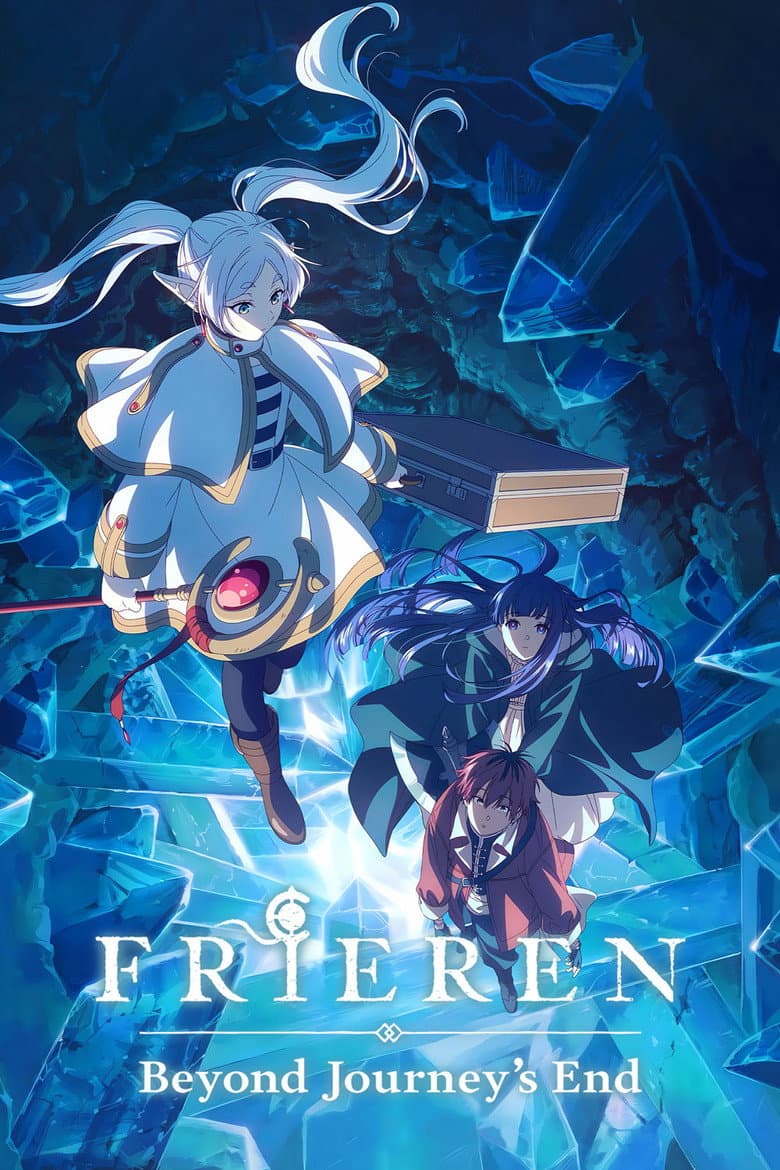
TV Show · 2023
After the party of heroes defeated the Demon King, they restored peace to the land and returned to lives of solitude.
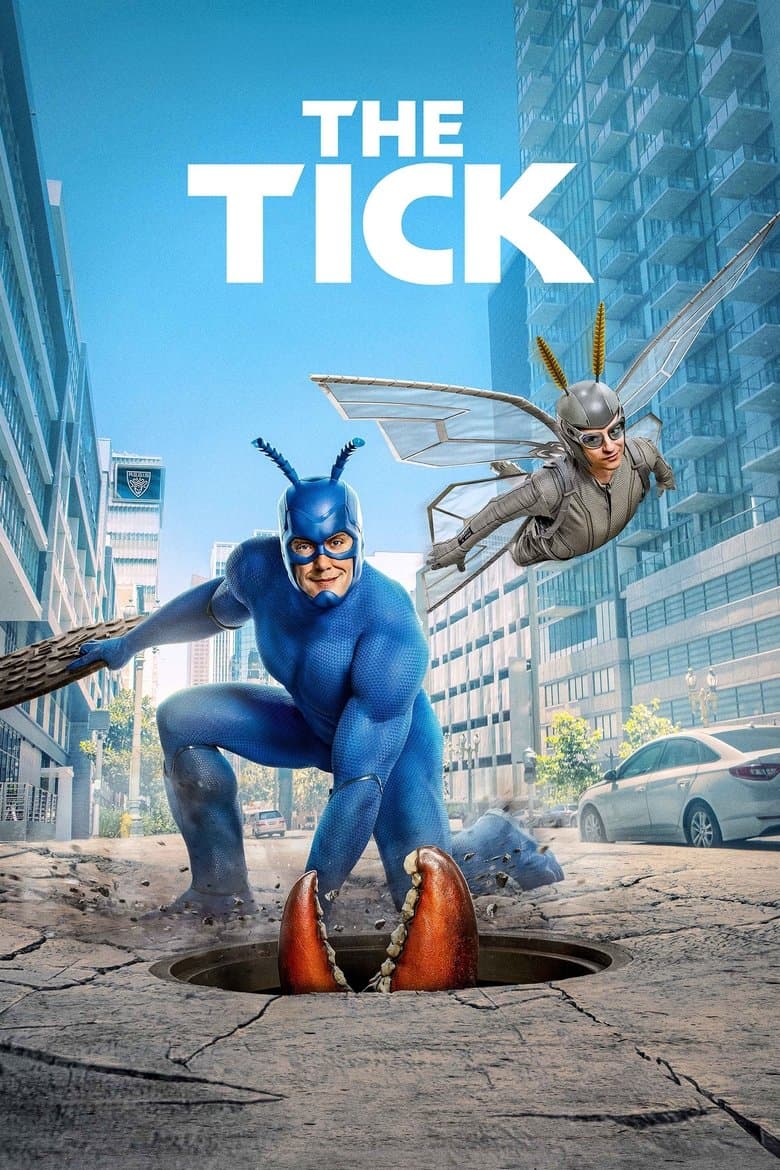
TV Show · 2016
In a world where superheroes have been real for decades, an accountant with zero powers comes to realize his city is owned by a super villain.
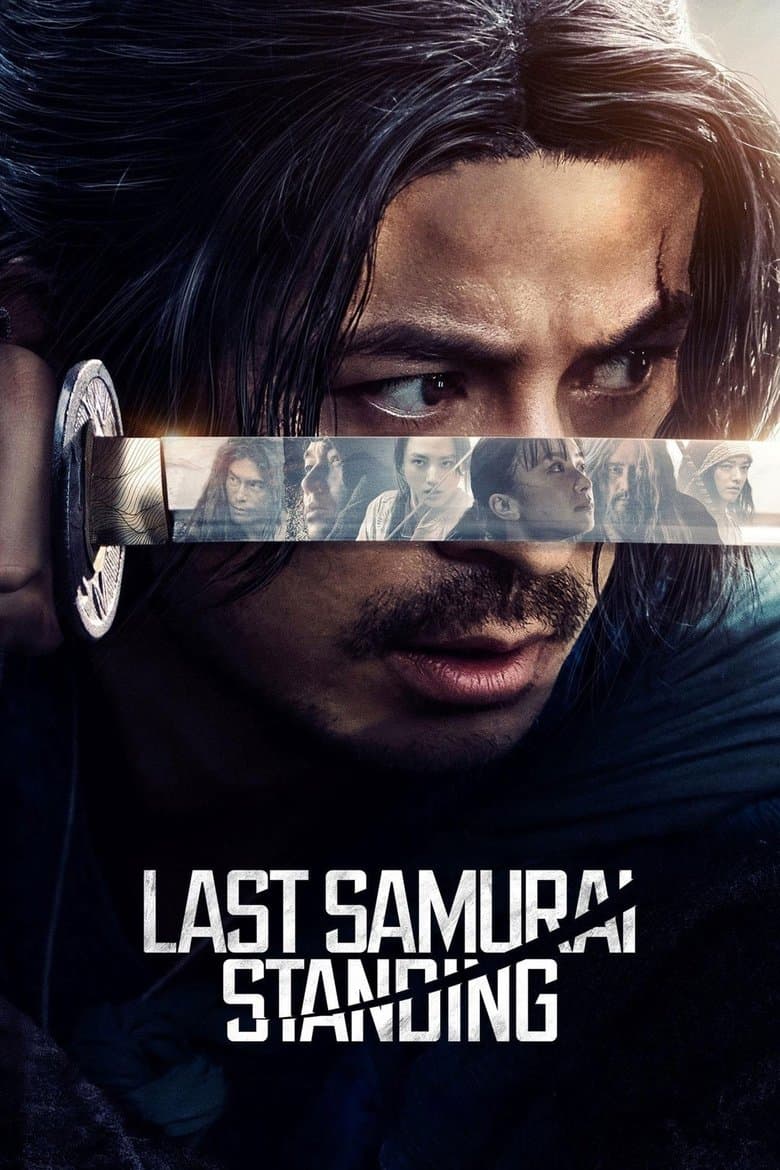
TV Show · 2025
In the early Meiji era, Shujiro, once known as an undefeated samurai, decides to participate in a deadly survival game to save his family and villagers.
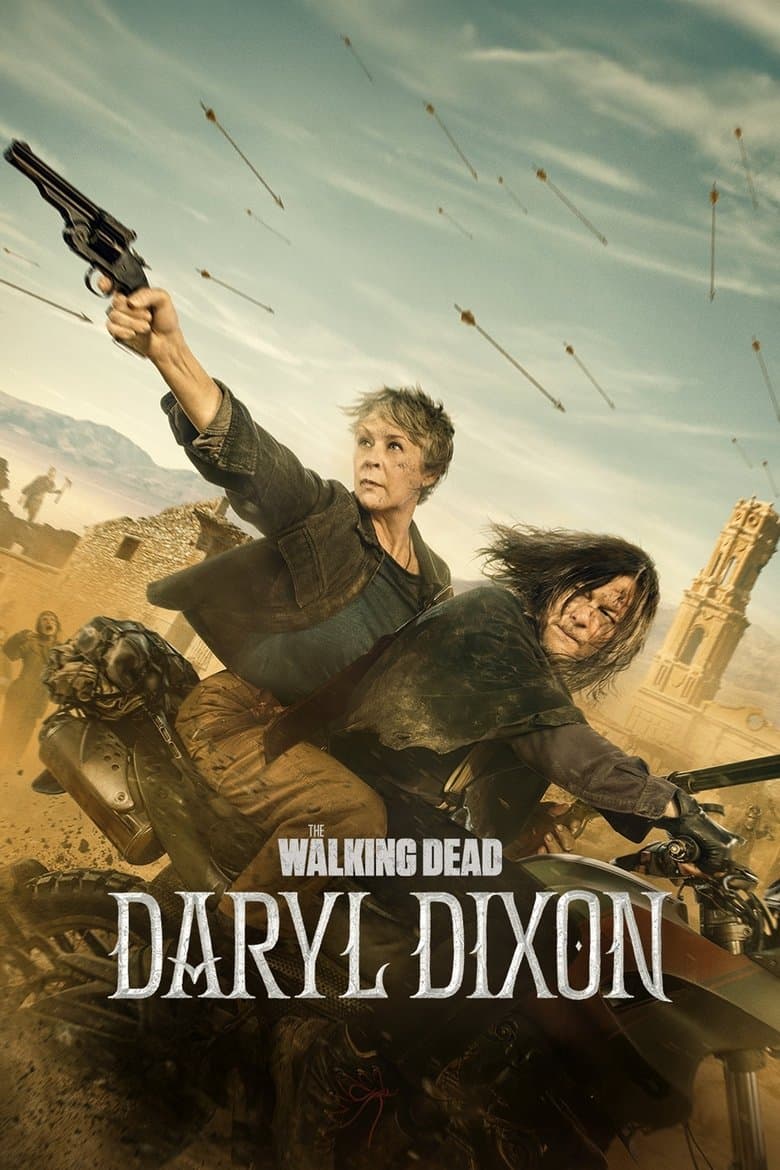
TV Show · 2023
After washing ashore in France, Daryl struggles to piece together how he got there and why, as he navigates a fractured, walker-infested landscape to find his way home.
