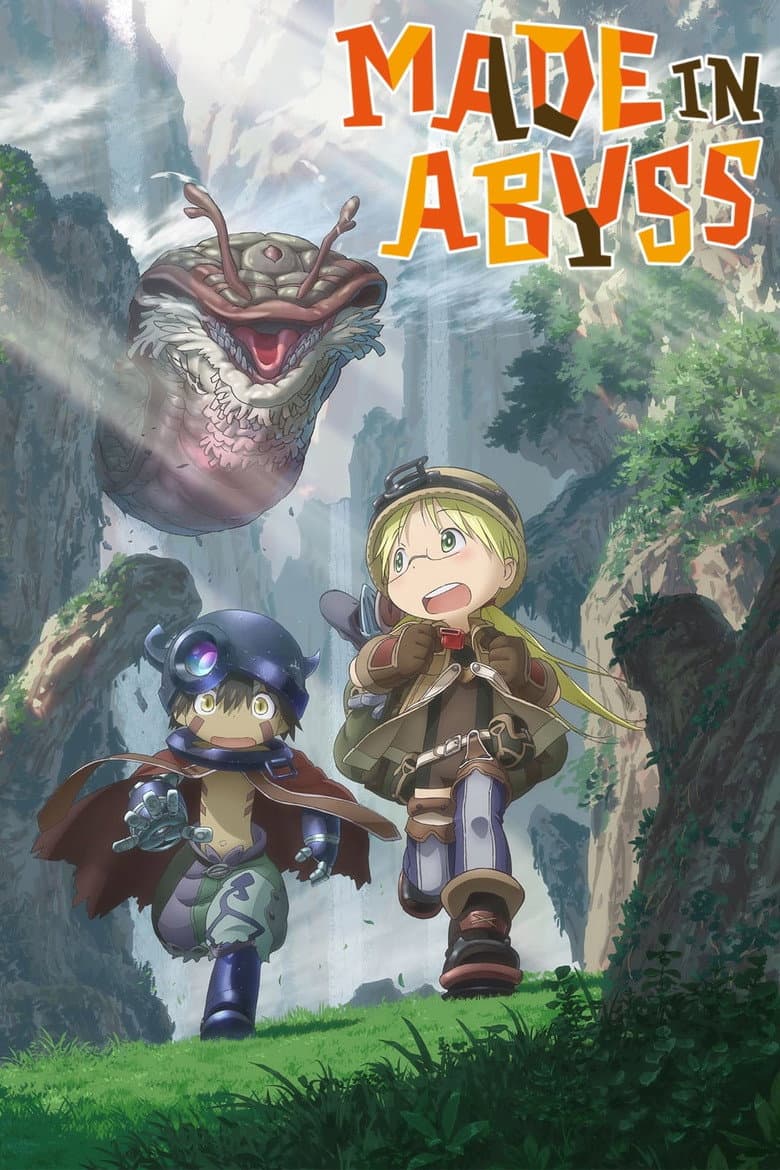
Started July 7, 2017 · Ended · Based on 2 seasons, 25 episodes through September 28, 2022 · TV-MA · 24 min · Japanese
Riko is a young cave raider who wants to find her missing mother, Lyza, at the bottom of the Abyss. She descends with Reg, a boy-shaped robot with no memory, and later travels with Nanachi, a gentle but damaged survivor. The Abyss holds strange animals, old relics, deadly curses, and people who will do anything to keep exploring. Season 1 feels like a dangerous adventure, while season 2 spends more time in a sealed village and its terrible past.
The show has little direct woke messaging. Season 2 gives major space to female characters, leaves Nanachi's gender unclear, and focuses on not being able to have children, motherhood, abuse, and the value placed on bodies. Irumyuui is rejected because she cannot have children, while Vueko's past and Faputa's revenge shape much of the season. These themes are shown as dark fantasy tragedy, not as modern speeches about DEI, race, or Western politics.
Community feedback
Was our 16% Woke rating accurate?
Breakdown
These are the editorial factors and ratings behind our score for Made in Abyss.
Woke representation / casting
Not present. The show has no audience-visible race or diversity casting pattern. Riko, Ozen, and Faputa are important female characters, but the story does not frame them as representation.
0%
Woke political dialogue
Not present. The dialogue discusses exploration, survival, value, and personal loss. It does not use modern DEI, identity, or activist language.
0%
Identity-driven story themes
Season 2 repeatedly focuses on female bodies and family roles. Irumyuui is rejected because her village says she cannot have children, and Vueko carries a similar pain. Nanachi's gender stays unclear, while Riko, Vueko, and Faputa make major choices. The story treats these events as personal tragedy and horror rather than current identity politics.
28%
Western institutional / cultural critique
Not present. The show presents cruel family and village rules, but they belong to its fantasy world. It does not target modern Western institutions, capitalism, Christianity, or current political groups.
0%
Woke character or canon changes
The anime season 2 leaves out an explicit sexual scene between Vueko and Pakkoyan that appears in the manga. That cut makes their closeness less clear in the show. The change is small and does not reshape the main plot.
8%
Anti-woke backlash and complaints
Not present. Public complaints focused on child nudity, sexualized material, graphic violence, and season 2 pacing. The available coverage does not show a notable complaint that the series pushes DEI, identity politics, or left-wing ideas.
0%
Creator track record context
The main directors and writers have long craft-focused careers with no clear activist or DEI record. The producers are also mostly described as commercial anime professionals. One producer discussed reducing staff overwork, which is a worker concern rather than identity politics.
4%
Production
TV Show · 2024
They say whatever doesn’t kill you makes you stronger, but that’s not the case for the world’s weakest hunter Sung Jinwoo.
TV Show · 2023
After the party of heroes defeated the Demon King, they restored peace to the land and returned to lives of solitude.
TV Show · 2021
When a 34-year-old underachiever gets run over by a truck, his story doesn't end there. Reincarnated in a new world as an infant, Rudy will seize every opportunity to live the…
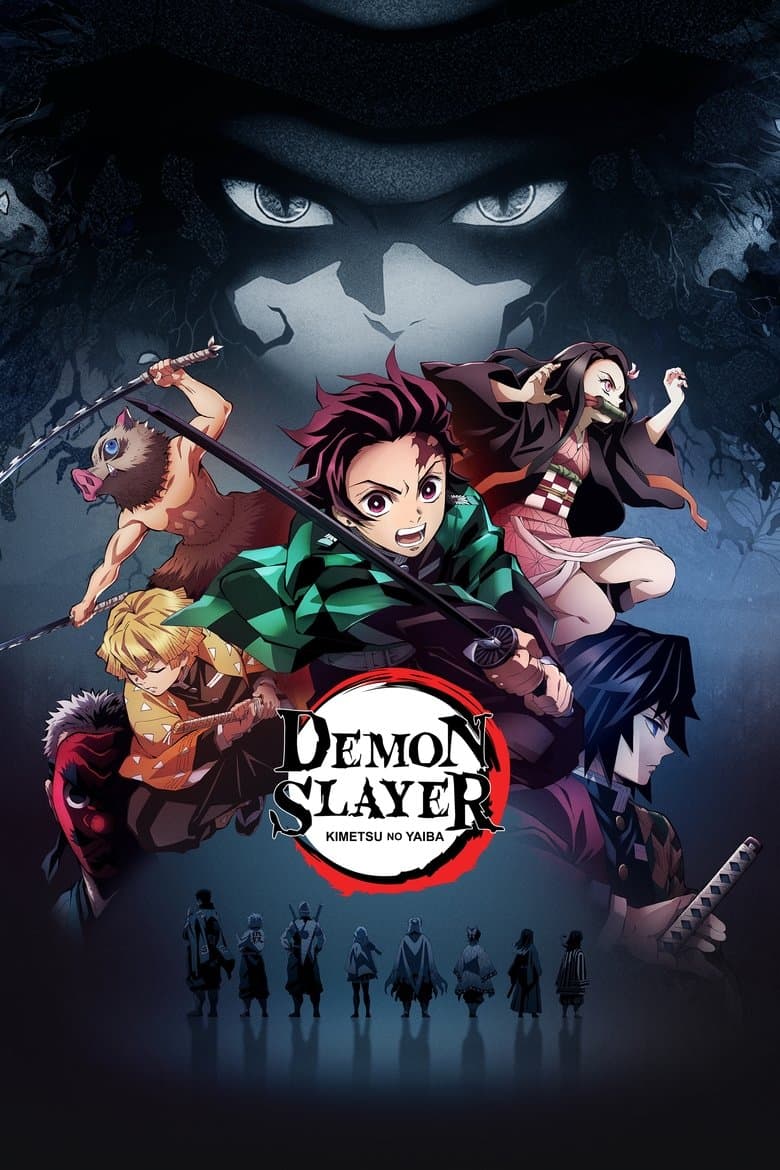
TV Show · 2019
After a demon attack leaves his family slain and his sister cursed, Tanjiro embarks upon a perilous journey to find a cure and avenge those he's lost.
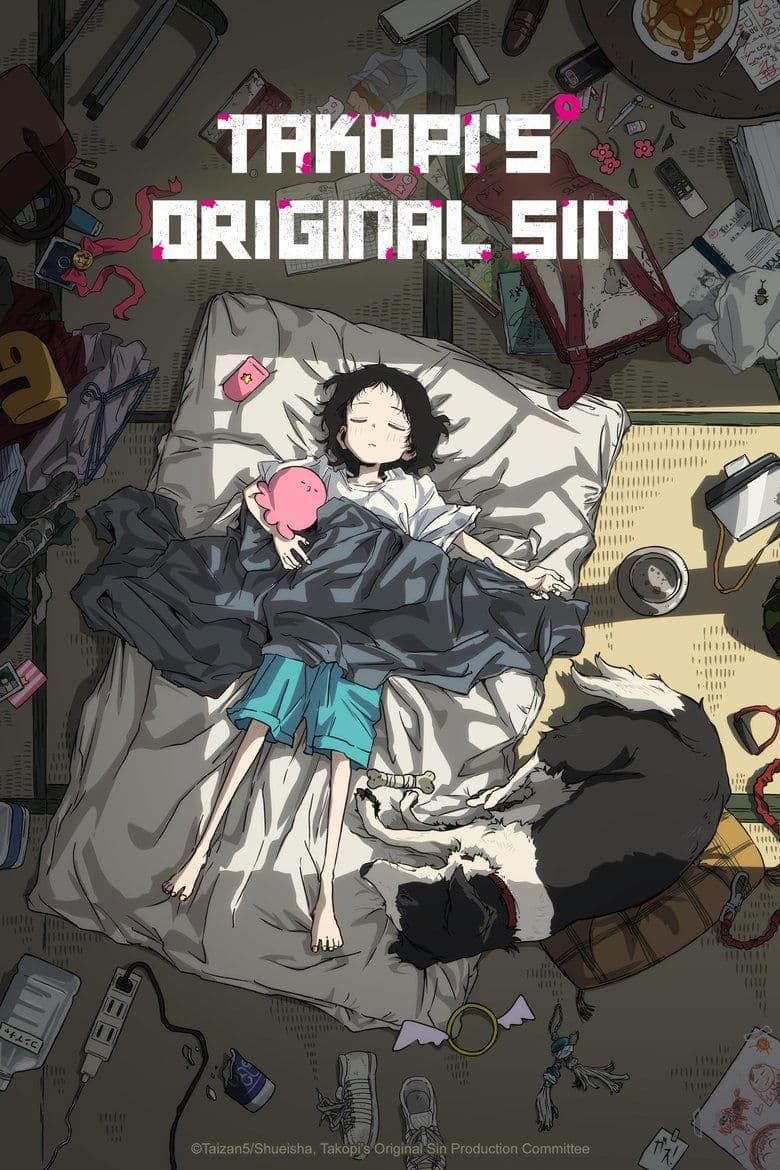
TV Show · 2025
A Happy alien, Takopi, lands on Earth with one mission: to spread happiness! When he meets Shizuka, a lonely fourth grader, he vows to bring back her smile using his magical Happy…
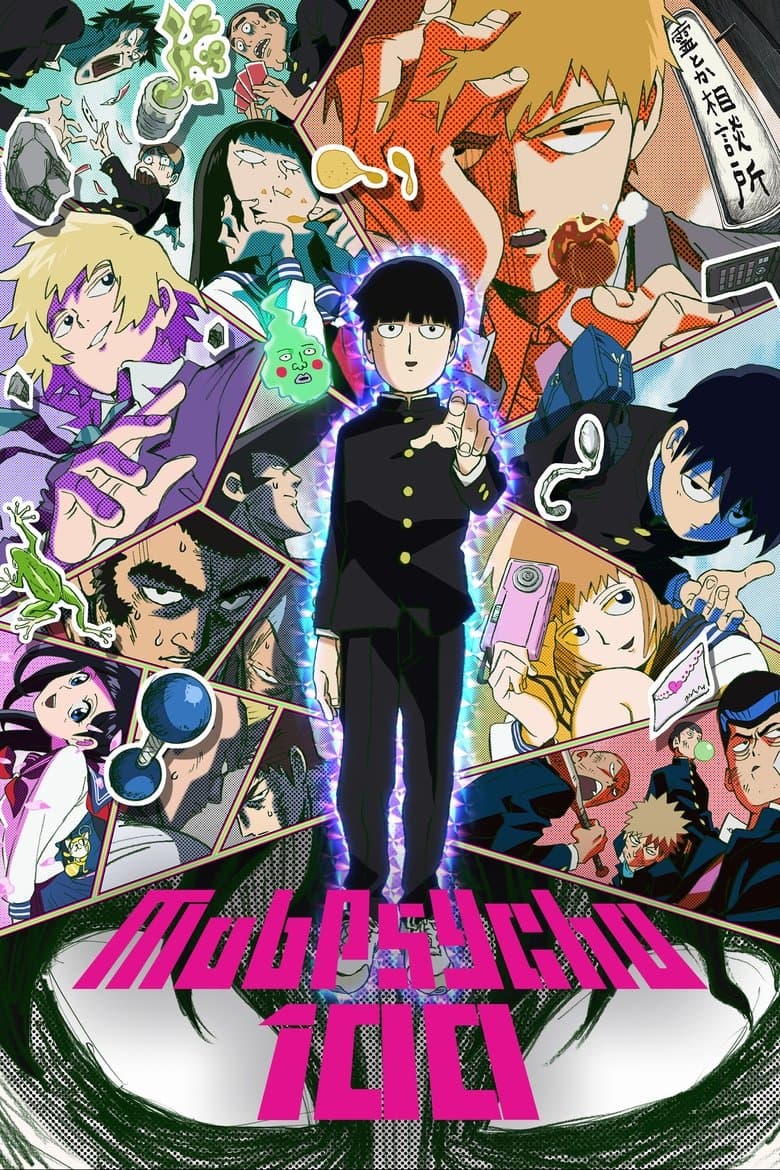
TV Show · 2016
Shigeo Kageyama, a.k.a. "Mob," is a boy who has trouble expressing himself, but who happens to be a powerful esper.
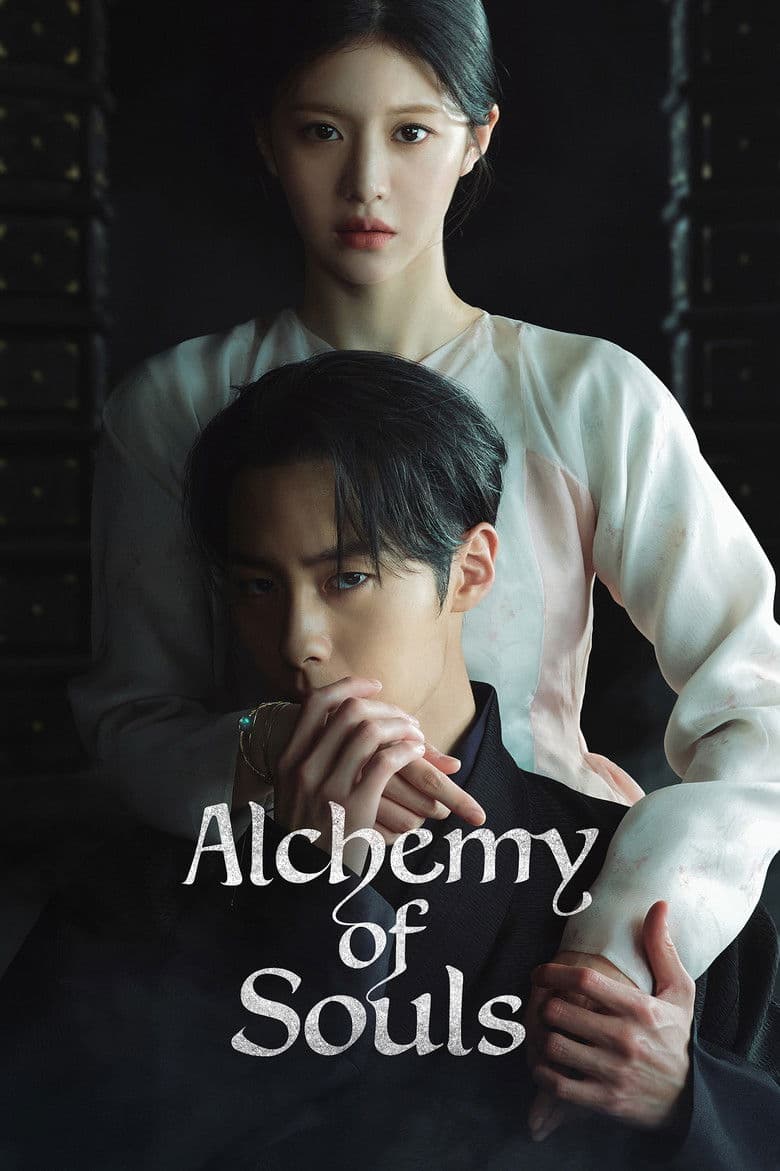
TV Show · 2022
A powerful sorceress in a blind woman's body encounters a man from a prestigious family, who wants her help to change his destiny.
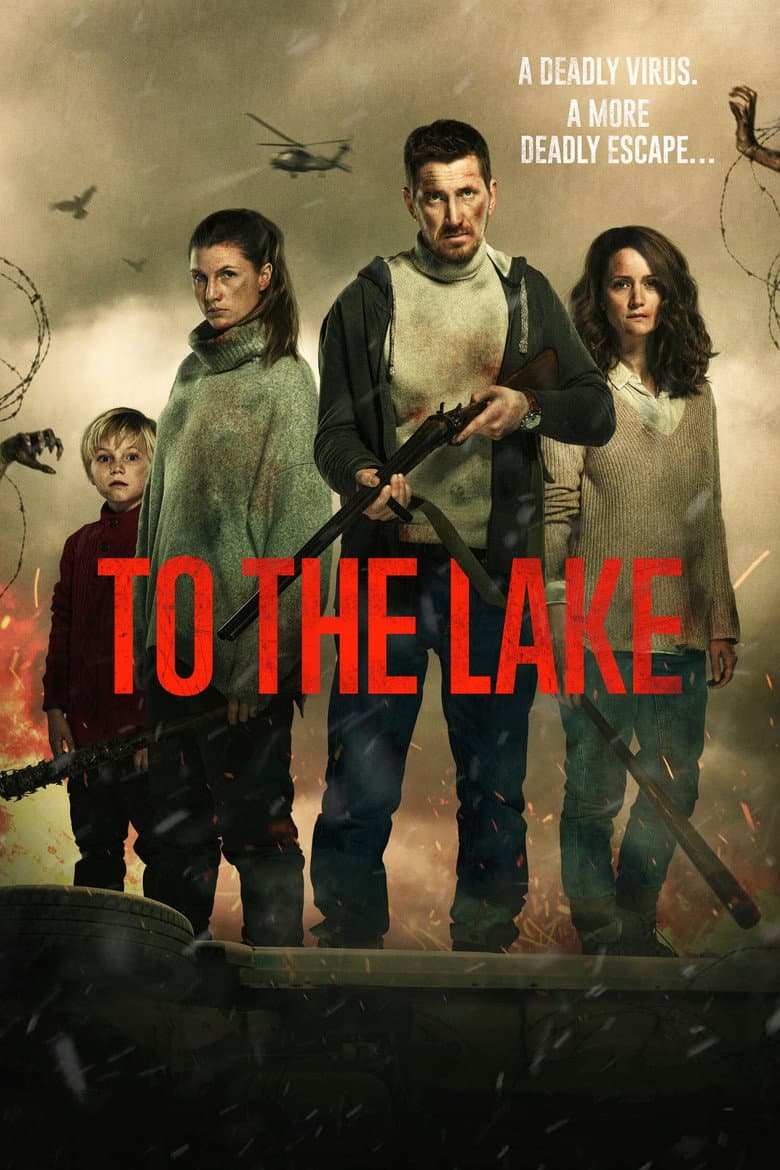
TV Show · 2019
A grim drama that unfolds against the backdrop of a global catastrophe. An unknown new virus turns Moscow into a city of the dead.
