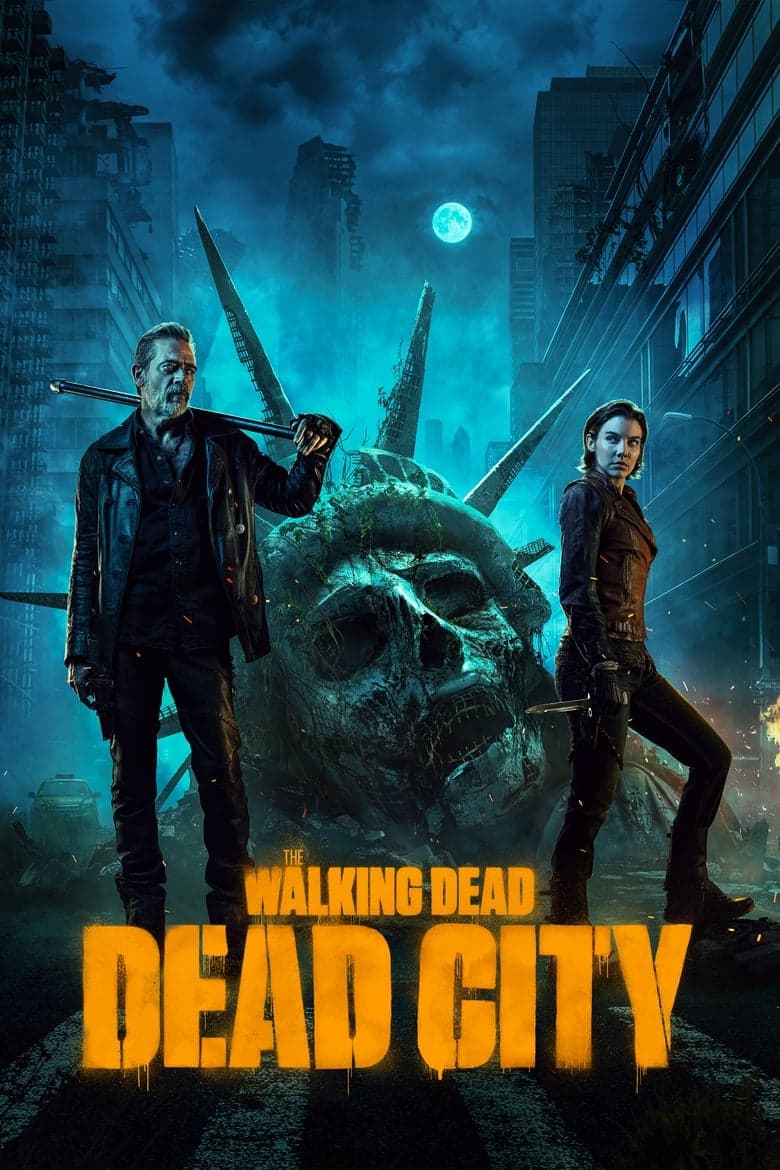
Started June 18, 2023 · Returning Series · Based on 2 seasons, 14 episodes through June 22, 2025 · TV-MA
Maggie Rhee travels to ruined Manhattan after the Croat kidnaps her teenage son, Hershel. She recruits Negan, the man who killed her husband Glenn, because he knows the Croat and can survive the city. In season 1, their uneasy team faces walkers, the Burazi, the Dama, and a power struggle over methane made from dead bodies. In season 2, Maggie, Negan, Marshal Perlie Armstrong, and several survivor groups are pulled into a war between New Babylon and Manhattan factions, while Maggie and Negan keep testing trust, guilt, and revenge.
The show has a few audience-visible signals that may matter to viewers who avoid woke content. One season 2 speech jokes about colonization, the loss of indigenous ways of life, resource exploitation, and gentrification while New Babylon seeks control of Manhattan. The show also places Maggie, the Dama, Lucia, and Roksana in major fighter or leader roles, but it does not make gender or race politics the point of their stories. Most episodes focus on family, violence, survival, power, and whether Negan can change, so the political material is limited and secondary.
Community feedback
Was our 28% Woke rating accurate?
Breakdown
These are the editorial factors and ratings behind our score for The Walking Dead: Dead City.
Woke representation / casting
Dead City gives several prominent roles to people of different backgrounds in its New York survivor groups. Maggie is the main fighter, and the Dama, Lucia, and Roksana lead major groups. Cast interviews also praise Dominican, mixed, and AAPI representation in the New York setting. The setting makes the mix believable, but the repeated representation language makes this a visible low-level identity signal.
27%
Woke political dialogue
Season 2 contains one clear modern political speech. Bruegel mentions colonization, resource extraction, the loss of indigenous ways of life, and gentrification while discussing New Babylon's plans. The speech is short and sarcastic, and it comes from a villain rather than a teacher or hero. The rest of the dialogue deals with survival, family, revenge, and control.
15%
Identity-driven story themes
Not present. The story follows family loss, revenge, redemption, survival, and battles between survivor groups. Race, gender, and sexuality do not drive the plot or the main character arcs.
0%
Western institutional / cultural critique
Season 2 presents New Babylon as a military federation that drafts people, hangs those who refuse, and plans to seize Manhattan's methane. The show links that plan to colonization, resource exploitation, indigenous loss, and gentrification in one scene. Those ideas give the season a mild activist-style critique of empire and outside control. The story does not connect them to current Western race, gender, or capitalism debates, so the critique remains limited.
24%
Woke character or canon changes
Not relevant. The show continues the established Maggie, Negan, and Hershel characters in a new spin-off story. It does not change their identity or history to make a political point.
0%
Anti-woke backlash and complaints
A few small accounts called Dead City girl boss driven or part of a wider woke decline in The Walking Dead franchise. Another tiny post framed a Negan clip as rejecting a woke trans agenda. The posts had little reach, and no boycott or review-bomb campaign appeared. Most wider audience complaints focused on writing, pacing, and the Maggie and Negan relationship.
12%
Creator track record context
Most key writers, directors, and Eli Jorné have no known activist or identity-driven public pattern. Gale Anne Hurd has supported women in film and gender equity, while Christine Kromer has discussed diverse ensembles. Jacey Heldrich worked on The Handmaid's Tale, which centers on patriarchal control and reproductive rights. Dead City interviews frame this show around grief, trauma, forgiveness, and survival, so the wider track record is only a mild supporting signal.
18%
Production
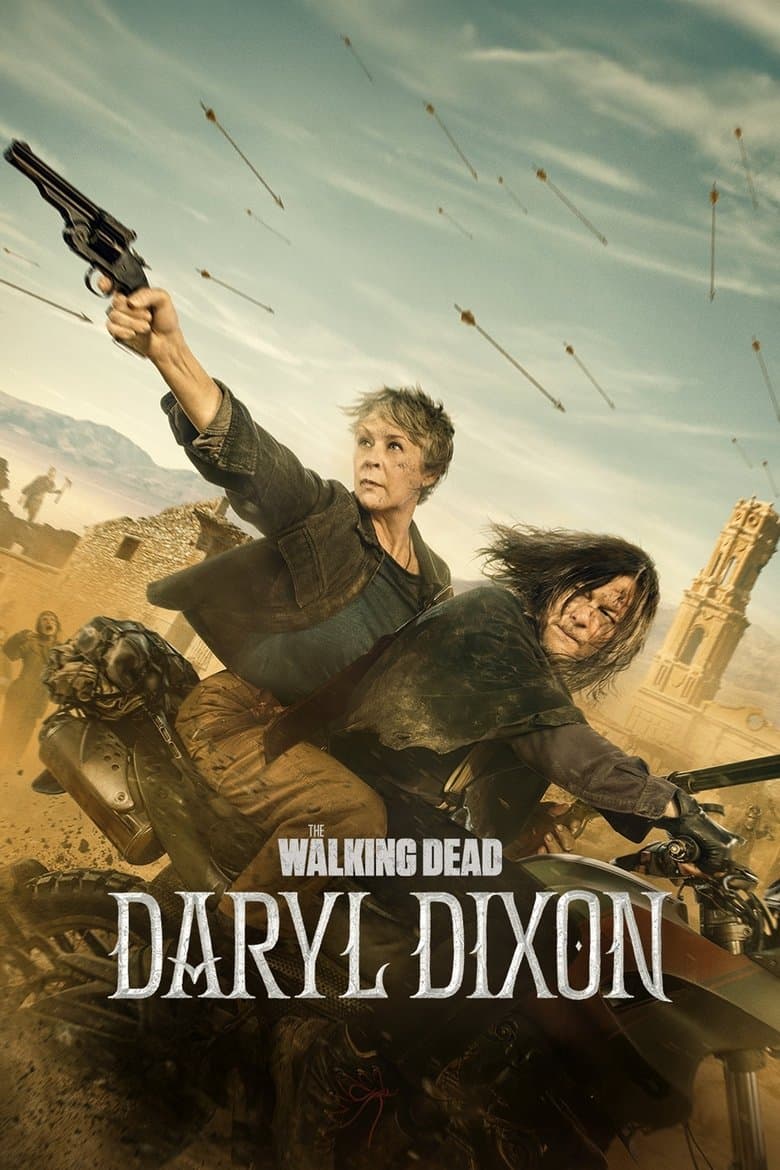
TV Show · 2023
After washing ashore in France, Daryl struggles to piece together how he got there and why, as he navigates a fractured, walker-infested landscape to find his way home.
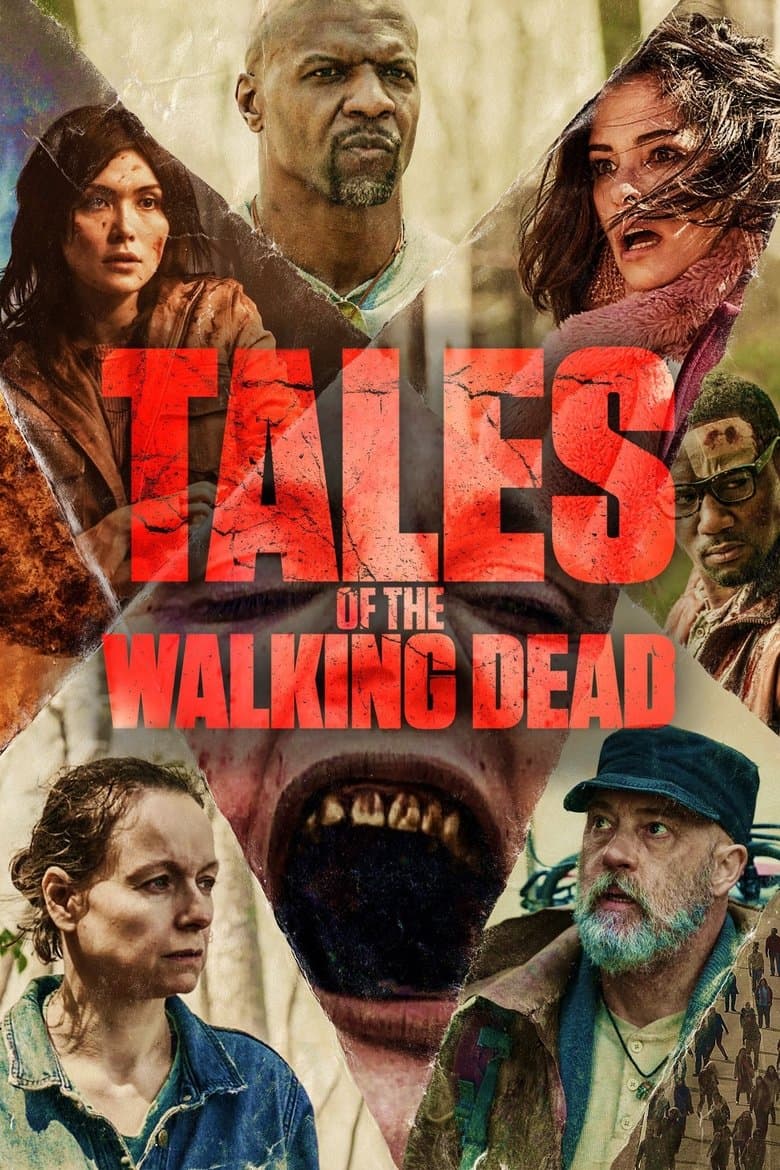
TV Show · 2022
An episodic anthology series focused on both new and established characters set in the world of "The Walking Dead."
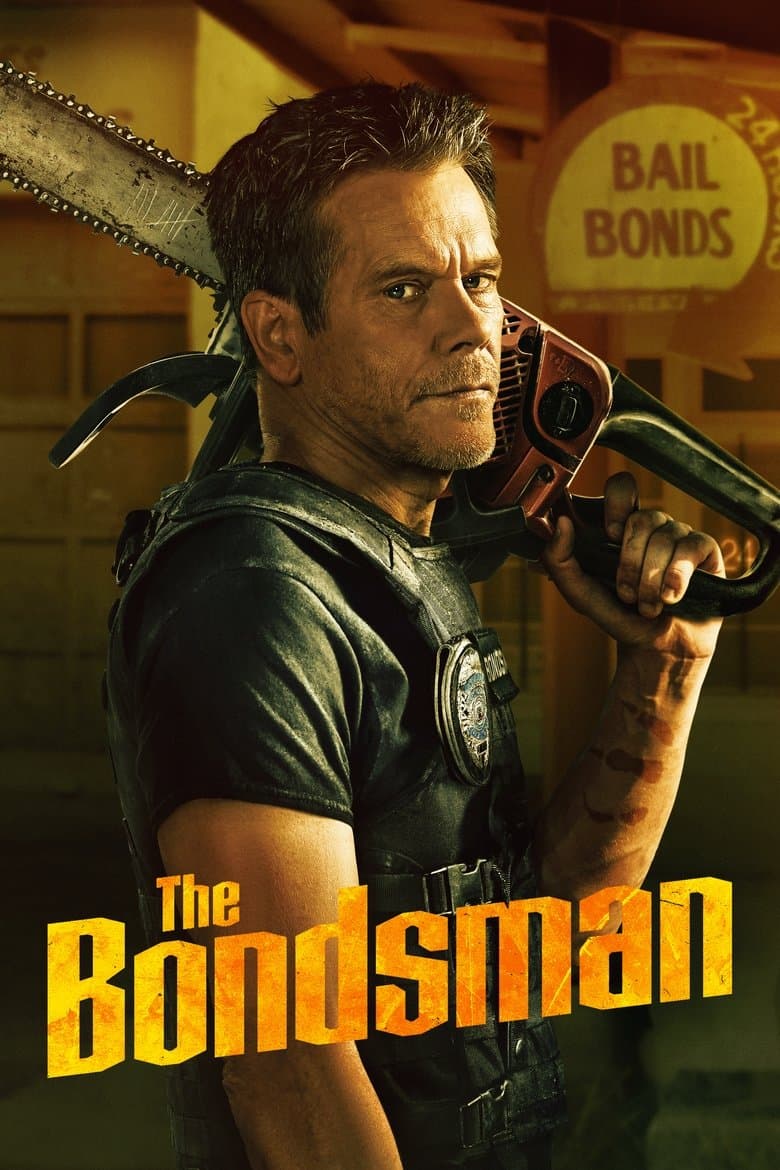
TV Show · 2025
Backwoods bounty hunter Hub Halloran comes back from the dead with an unexpected second chance at life, love, and a nearly-forgotten musical career — only to find that his old job…

TV Show · 2017
Located in the center of a remote island, the Abyss is the last unexplored region, a huge and treacherous fathomless hole inhabited by strange creatures where only the bravest…
TV Show · 2019
A grim drama that unfolds against the backdrop of a global catastrophe. An unknown new virus turns Moscow into a city of the dead.
TV Show · 2023
After the party of heroes defeated the Demon King, they restored peace to the land and returned to lives of solitude.
TV Show · 2020
Daimon and Ana Helstrom are the son and daughter of a mysterious and powerful serial killer. The siblings have a complicated dynamic as they track down the terrorizing worst of…

TV Show · 2019
After a demon attack leaves his family slain and his sister cursed, Tanjiro embarks upon a perilous journey to find a cure and avenge those he's lost.
