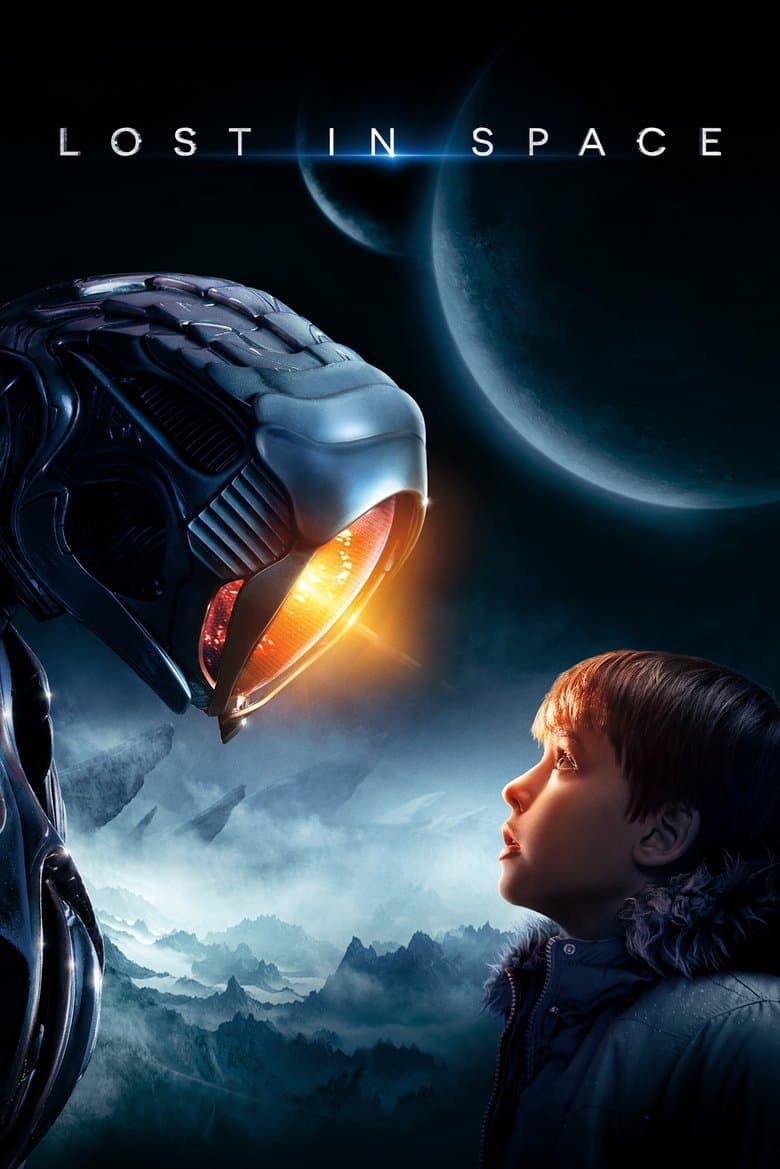
Started April 13, 2018 · Ended · Based on 3 seasons, 28 episodes through December 1, 2021 · TV-PG · 56 min
Netflix’s reboot follows the Robinson family after an impact-driven exodus from Earth. A robot attack hits the colony ship Resolute and forces crash-landings on hostile worlds. Across three seasons the heart of the story is family survival, parent and child repair, and an alien-robot mystery. The series stays a family adventure with colony politics, separation arcs, and robot war later on. It does not turn into an identity-politics serial.
Audience-visible modernization still stands out on screen. Strong female technical leadership and diversified casting of legacy roles appear often. Dr. Smith is gender-swapped, and a married lesbian couple with a daughter recurs from season two onward. Judy Robinson is a black or biracial teen medical doctor in a heroic STEM lead, and Maureen is aerospace engineer and mission commander. Competence often tilts female in STEM and command beats, and the modern blended family is central. That queer presence is clear and recurring, yet it is not the center of the show.
Community feedback
Was our 60% Woke rating accurate?
Breakdown
These are the editorial factors and ratings behind our score for Lost in Space.
Woke representation / casting
The future-colony setting can support a mixed cast, but the lead and supporting pattern goes past quiet background realism. Judy is a black or biracial teen medical doctor in a heroic STEM role, and Maureen commands the mission as an aerospace engineer. Seasons two and three also add a married lesbian couple with a daughter as recurring colonists, which raises this factor even though queer life is not the show’s main focus.
48%
Woke political dialogue
Talk on screen is mostly about survival plans, family fights, and getting through the plot. Female scientists and doctors are treated as normal rather than as debate topics. There is no long stretch of race, gender, or DEI speeches, and climate collapse stays a story setup rather than a lecture.
12%
Identity-driven story themes
Identity shapes who leads and how the family is built more than it drives a single thesis plot. Maureen often leads in science and practice, John grows from a hard absent father into a more open partner, and the blended household is central. Same-sex parents appear as normal background, and STEM and command beats often favor women, while the core story still stays adventure and family unity.
42%
Western institutional / cultural critique
Critique is light and mostly about modern gender roles, with the old-style patriarch softened through character growth. Earth is overpopulated and worn out after catastrophe, which is mild green framing. There is no real anti-Christian thread and no long attack on capitalism or whiteness as systems.
22%
Woke character or canon changes
The reboot makes clear identity-coded changes to known roles. Dr. Smith is gender-swapped into June Harris, also called Dr. Zoe Smith. Maureen becomes an aerospace engineer and mission commander, Judy is recast as a biracial black daughter in a blended family, and Don West is reimagined as Latino.
55%
Anti-woke backlash and complaints
Pushback exists but stays niche rather than a huge lasting culture-war story. Critics hit the female Smith, a claimed feminist agenda, sidelined men, and Will’s reduced prodigy status. Others call strong women and multicultural casting feminism or PC, but there was no large sustained mainstream campaign like the biggest 2010s reboots.
32%
Creator track record context
Cached crew scores are mostly low, roughly in the low to mid teens. Mild outliers include Katherine Collins and Vincenzo Natali, neither framed as hard DEI activism for this show. No showrunner or director group with a strong public social-justice brand is driving the series.
16%
Production
TV Show · 2025
Two outlaws must navigate the galaxy's dangerous underworld as they chart their destinies.
TV Show · 2021
The 'Bad Batch' of elite and experimental clones make their way through an ever-changing galaxy in the immediate aftermath of the Clone Wars.
TV Show · 2026
After the Clone Wars, Maul plots to rebuild his criminal syndicate on a planet untouched by the Empire.
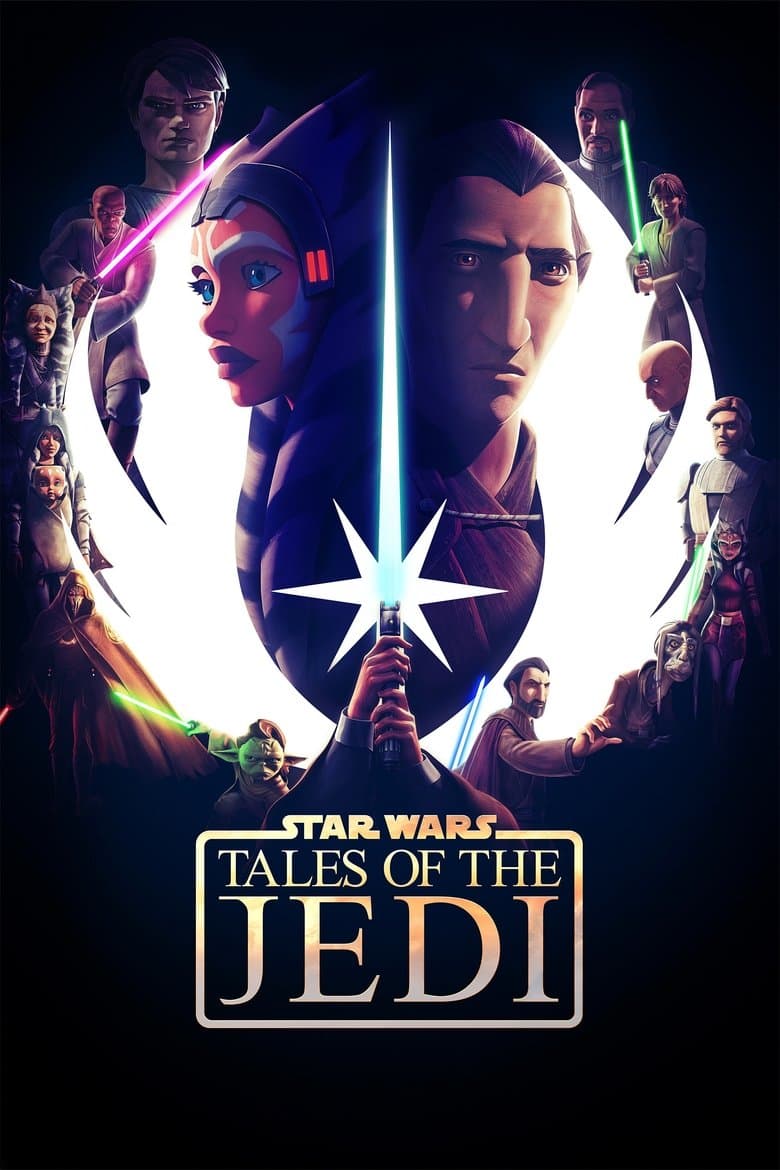
TV Show · 2022
Journey into the lives of two distinctly different Jedi from the prequel era – Ahsoka Tano and Count Dooku. Each will be put to the test as they make choices that will define…
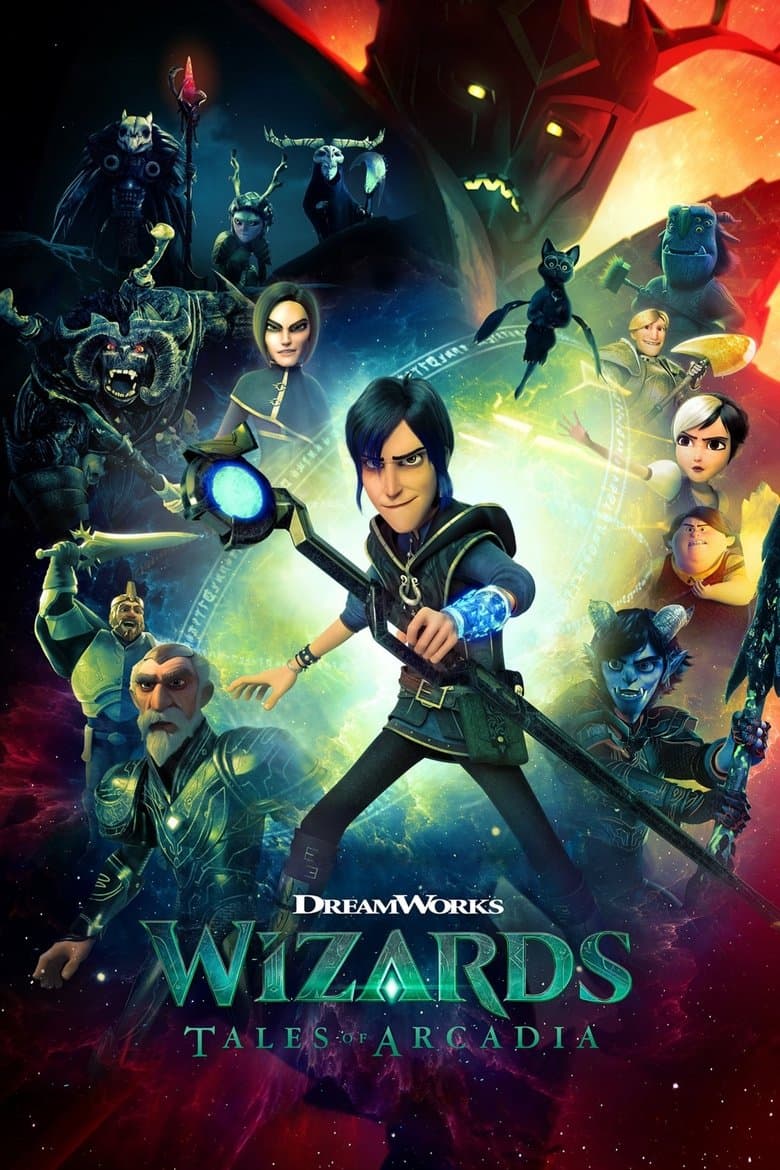
TV Show · 2020
Merlin’s apprentice joins Arcadia’s heroes on a time-bending adventure in Camelot, where conflict is brewing between the human, troll and magical worlds.
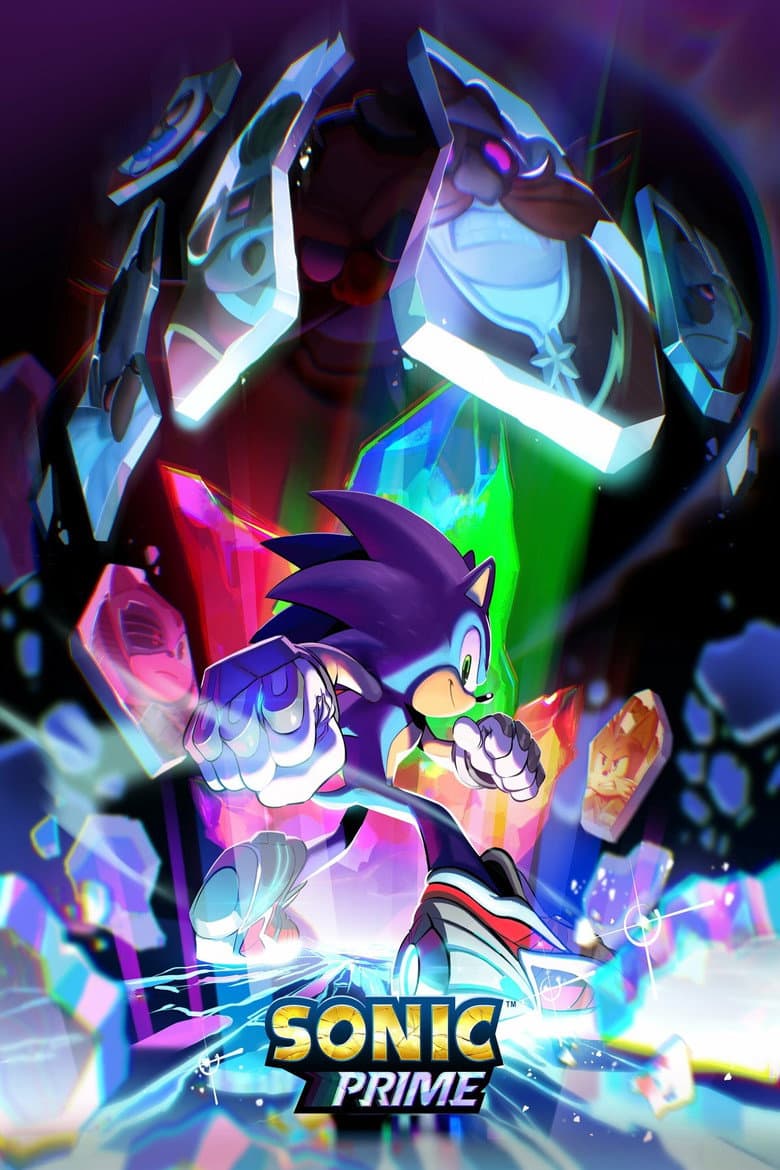
TV Show · 2022
When an explosive battle with Dr. Eggman shatters the universe, Sonic races through parallel dimensions to reconnect with his friends and save the world.
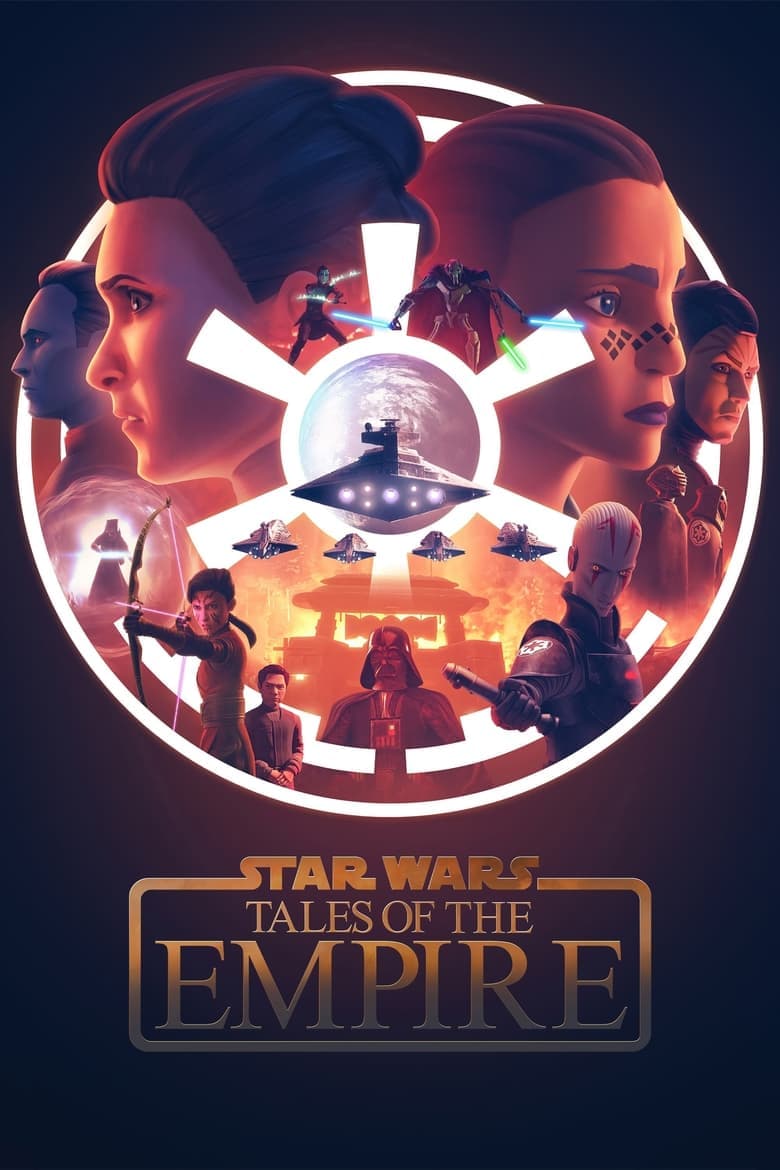
TV Show · 2024
A journey into the fearsome Galactic Empire through the eyes of two warriors on divergent paths.
TV Show · 2019
The life of Christ through the eyes of those who encountered him.
