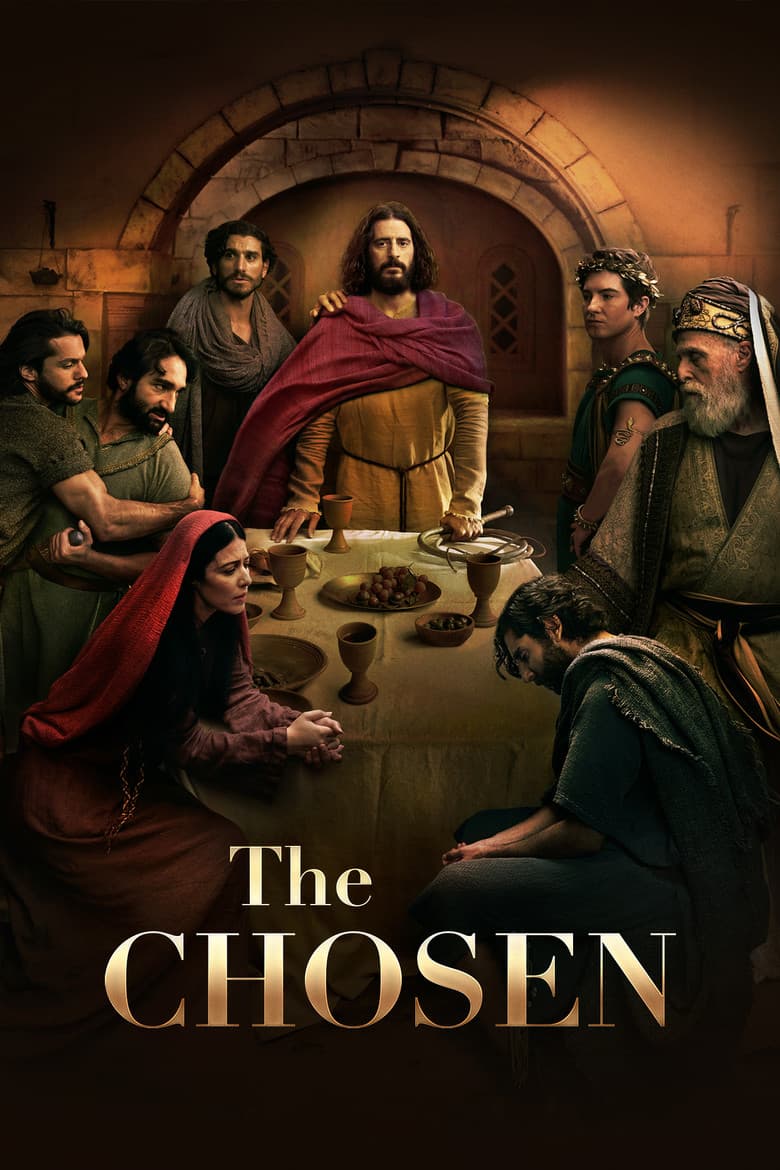
Started April 21, 2019 · Returning Series · Based on 5 seasons, 40 episodes through June 29, 2025 · TV-PG · 60 min
The Chosen follows Jesus of Nazareth as he begins his public work in first-century Galilee and Judea. The story stays close to the people around him, including Mary Magdalene, Simon Peter, Matthew, Thomas, and the other disciples. Their group faces Roman rule, religious leaders, public danger, personal loss, and the growing cost of following Jesus. Seasons one through three build the group and its trust, while season four becomes darker after John the Baptist and Ramah die. Season five moves into Holy Week, where Jesus enters Jerusalem, challenges the Temple leaders, shares the Last Supper, and faces Judas's betrayal.
The show uses a visibly mixed cast and gives major roles to actors from different ethnic backgrounds. It also presents Matthew with traits linked to the autism spectrum and gives Little James a lasting physical disability, both as added details that shape their lives. These choices make human difference visible, but they serve the larger Christian story instead of taking over the plot. The central message asks people to trust Jesus, forgive enemies, and accept a costly path of faith.
Community feedback
Was our 21% Woke rating accurate?
Breakdown
These are the editorial factors and ratings behind our score for The Chosen.
Woke representation / casting
The show places a visibly mixed cast in many major disciple and follower roles, such as Matthew, Thomas, Tamar, and Little James. Dallas Jenkins said he avoided white actors and wanted first-century Capernaum to look like a trade-route town with varied people. The story gives some choices a setting reason, such as Tamar’s Egyptian and Ethiopian background. The repeated visible diversity and the stated casting aim create a light representation signal.
12%
Woke political dialogue
Not present. All dialogue and interactions stay rooted in biblical teachings, personal encounters with Jesus, and first-century Jewish life with zero modern activist language, institutional critiques, or identity-based arguments.
0%
Identity-driven story themes
The show makes Matthew’s spectrum traits part of his friendships, work, and place among the disciples. The story also follows Little James as he lives with a disability that Jesus does not remove. Dallas Jenkins has said these details draw on his own family and aim to help viewers see people on the spectrum and with disabilities in a new way. The message remains about faith and suffering, so the identity focus is present but limited.
15%
Western institutional / cultural critique
Not present. Roman authorities and religious leaders appear as historical opponents consistent with the Gospels; the show offers no reframing as critiques of patriarchy, capitalism, whiteness, or current Western norms.
0%
Woke character or canon changes
The show adds Matthew’s spectrum traits and Little James’s lasting disability even though the Gospels do not describe those details. The show also invents Ramah, her relationship with Thomas, and her death to build drama. The first two additions are tied to disability visibility and the creator’s personal connection, while Ramah’s story is a normal dramatic expansion. These identity-based changes are real but limited and do not carry a modern political message.
15%
Anti-woke backlash and complaints
Conservative Christian accounts called for a boycott in 2023 after a small Pride flag appeared on a crew member’s equipment. Jon Root and others treated Dallas Jenkins’s defense of hiring people with different beliefs as LGBT affirmation on a Jesus show. Religion News Service and other outlets reported the dispute, while many faith accounts still promoted the series as a non-woke alternative. The backlash was real and visible, but it was not organized and it targeted the set more than the story.
25%
Creator track record context
The cached profiles show a mostly conservative and faith-centered creative team with little activist history. Carla Hool has a clearer record of supporting wider Latinx representation and accurate casting. That creates a small context signal, but the team does not show a repeated pattern of activist creative work.
8%
Production

TV Show · 2024
Knuckles embarks on a hilarious and action-packed journey of self-discovery as he agrees to train Wade as his protégé and teach him the ways of the Echidna warrior.
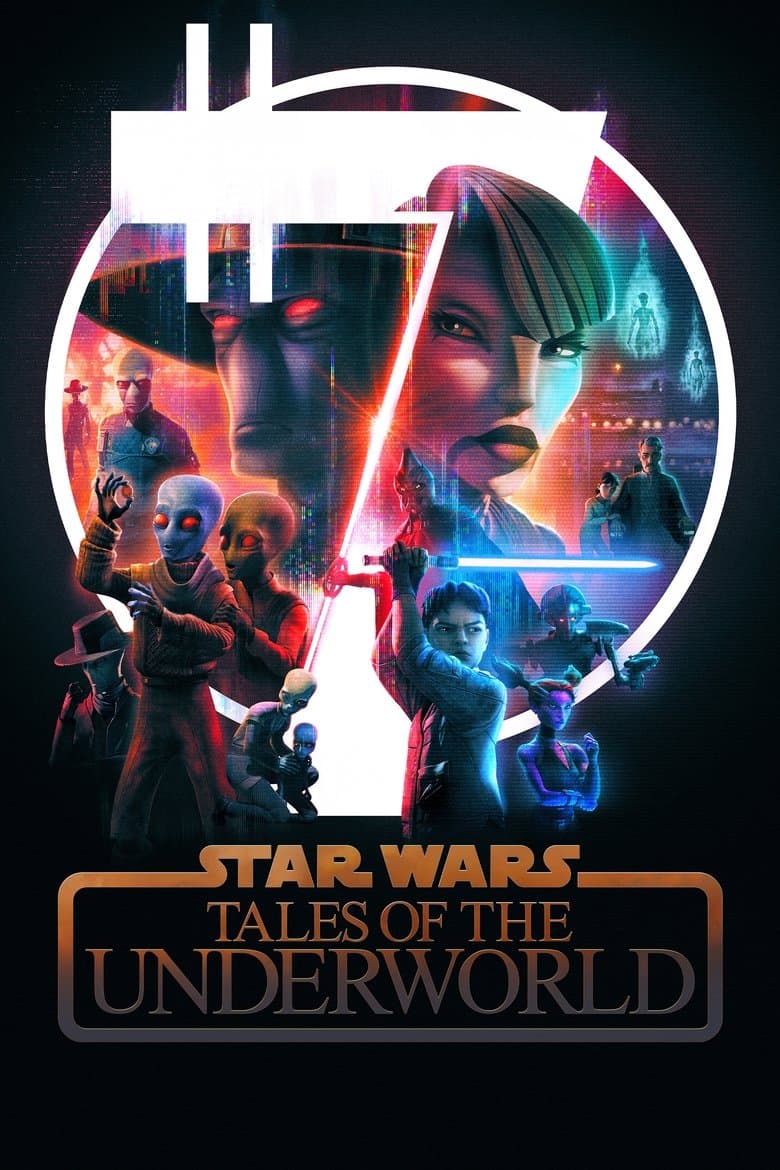
TV Show · 2025
Two outlaws must navigate the galaxy's dangerous underworld as they chart their destinies.
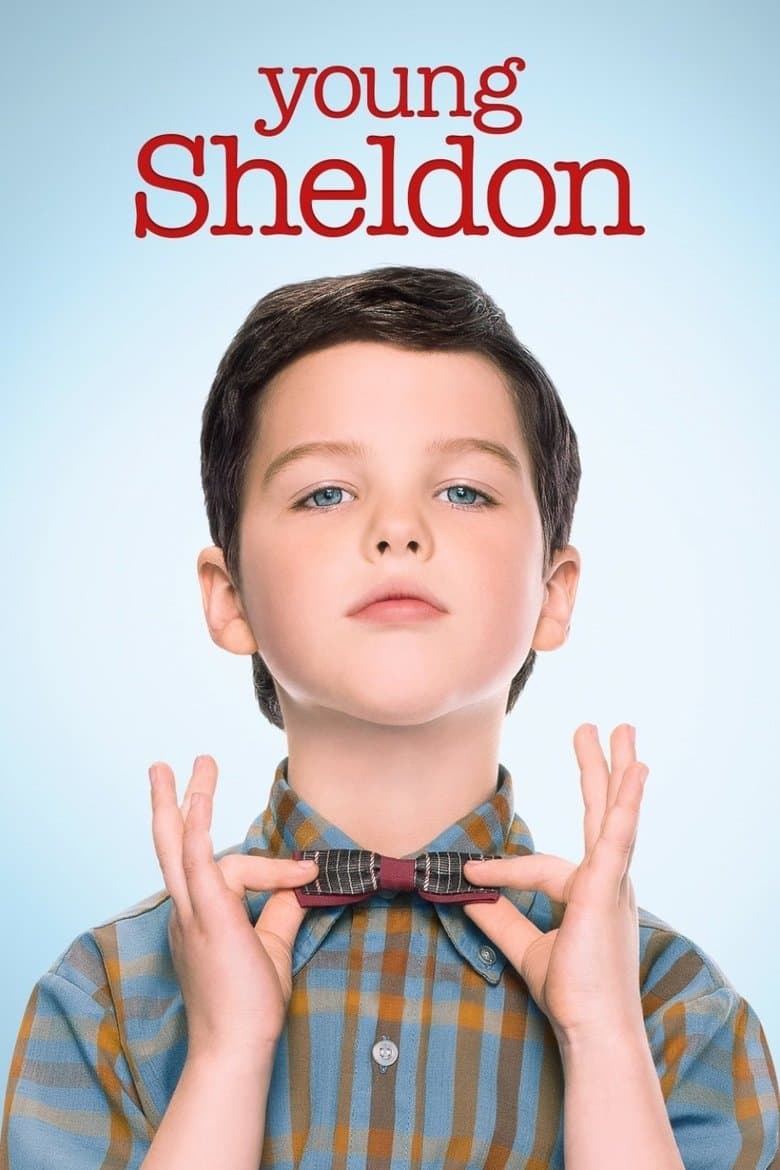
TV Show · 2017
The early life of child genius Sheldon Cooper, later seen in The Big Bang Theory.

TV Show · 2022
Lightning McQueen and his best friend Mater head east from Radiator Springs on a cross-country road trip to meet up with Mater’s sister.
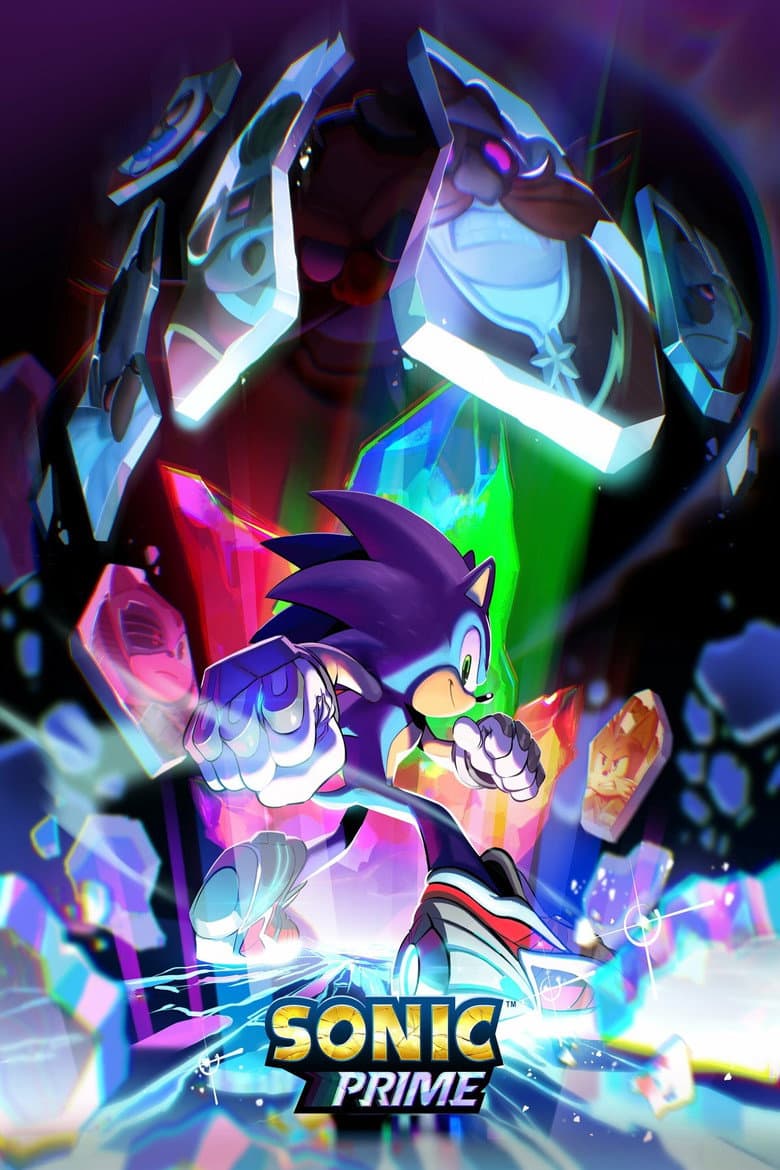
TV Show · 2022
When an explosive battle with Dr. Eggman shatters the universe, Sonic races through parallel dimensions to reconnect with his friends and save the world.
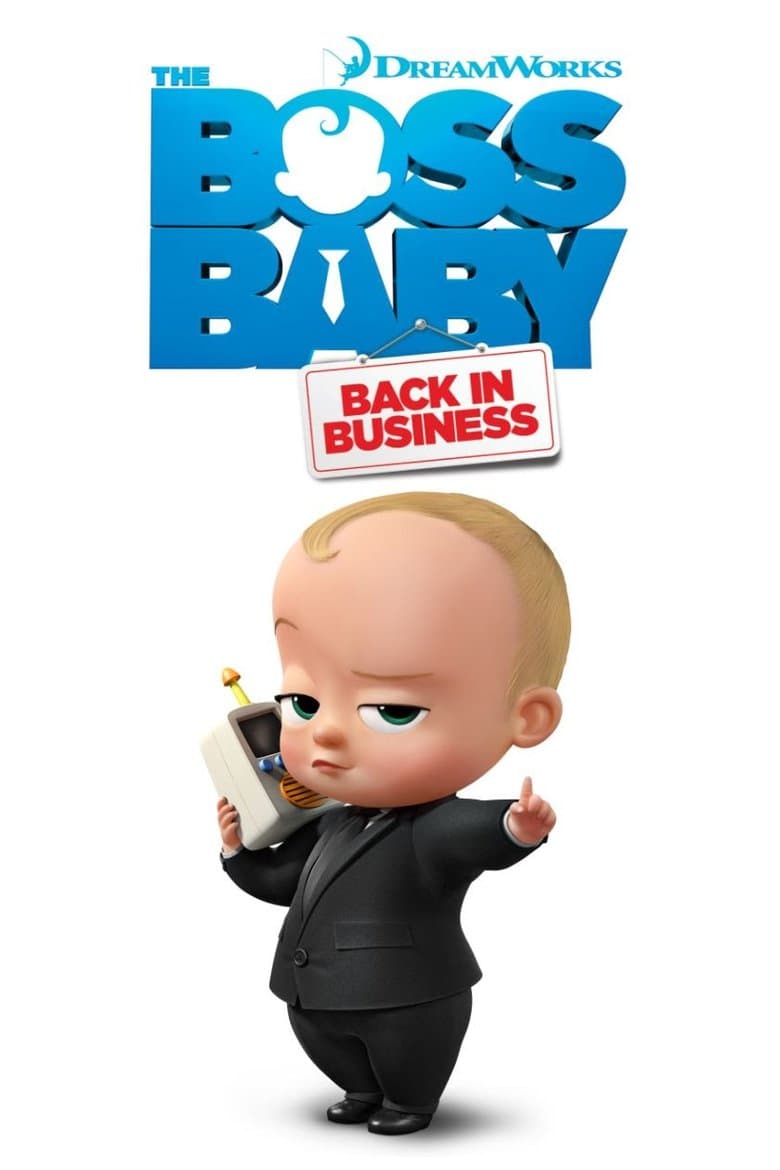
TV Show · 2018
The Boss Baby brings his big brother Tim to the office to teach him the art of business in this animated series sprung from the hit film.
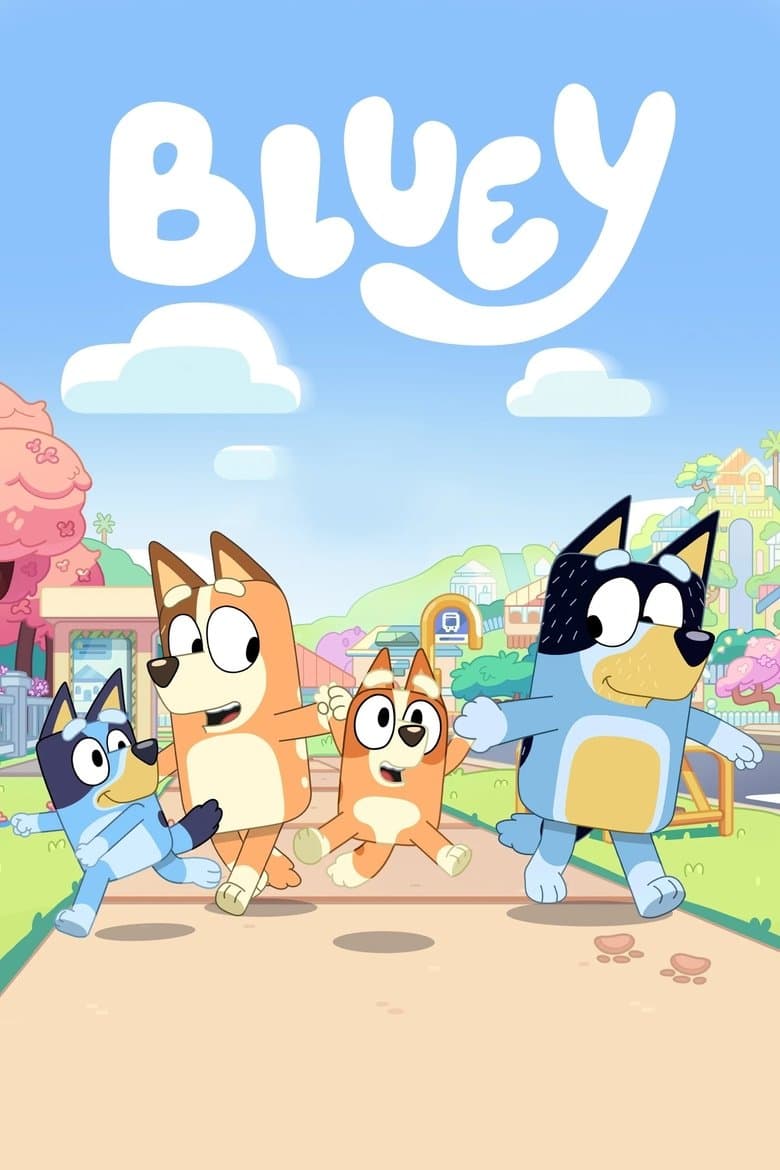
TV Show · 2018
Bluey is an inexhaustible six year-old Blue Heeler dog, who loves to play and turns everyday family life into extraordinary adventures, developing her imagination as well as her…

TV Show · 2021
A series of shorts that follows the humorous misadventures of Dug, the lovable dog from Disney and Pixar’s “Up.” Each short features everyday events that occur in Dug's backyard…
