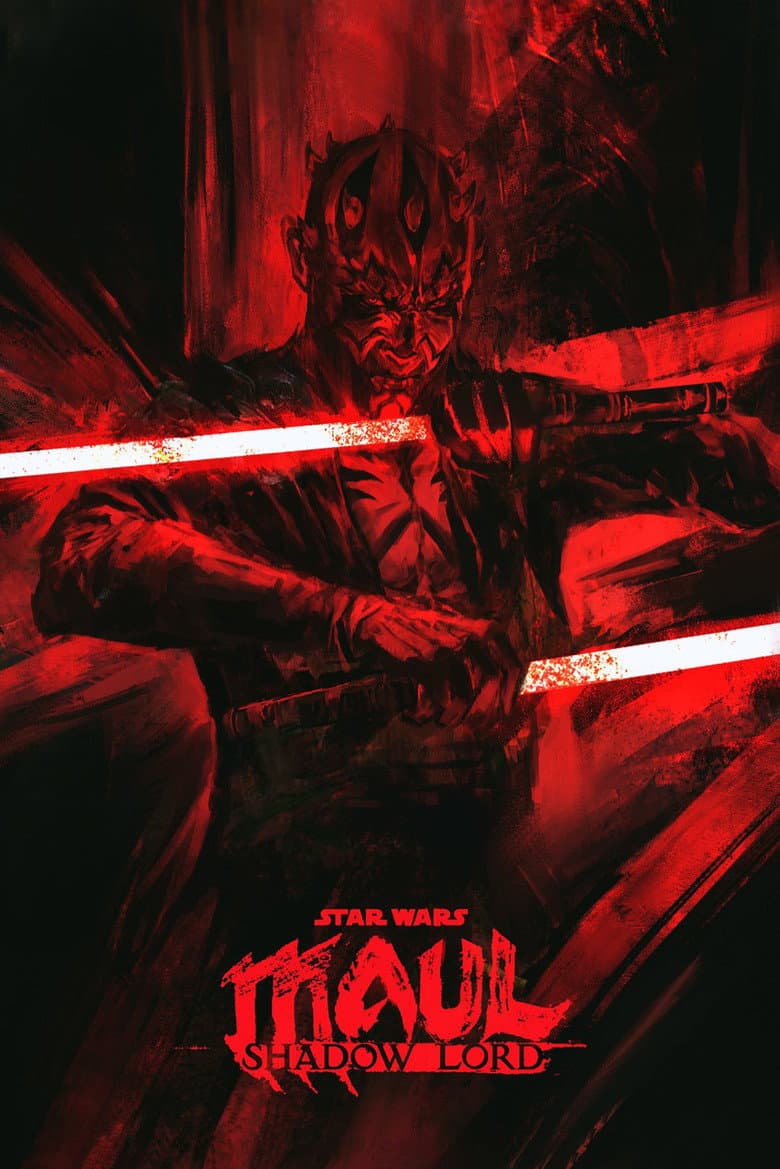
Started April 6, 2026 · Returning Series · Based on 1 season, 10 episodes through May 4, 2026 · TV-PG
After the Clone Wars, Maul reaches Janix, a world where crime groups fight for control while the new Empire closes in. The former Sith Lord wants to rebuild his criminal network and punish Darth Sidious for destroying his old life. He also targets Devon Izara, a young Twi'lek Jedi Padawan who survived Order 66 with her master, Eeko-Dio Daki. The ten episodes use dark animation, crime plots, lightsaber fights, grief, and revenge to tell a tense story about power and moral decline.
Devon is a central young female Jedi whose struggle with anger and power runs through the season. The show presents her as brave and skilled, but it also gives her fear, mistakes, grief, and a real risk of falling to the dark side. Her bond with Maul changes from captivity to a dangerous master and apprentice relationship after her master's death. The season keeps returning to revenge, family loss, loyalty, and the cost of using power without restraint.
Community feedback
Was our 14% Woke rating accurate?
Breakdown
These are the editorial factors and ratings behind our score for Star Wars: Maul - Shadow Lord.
Woke representation / casting
Devon is a central female Twi'lek Jedi, and Rook Kast is a female Mandalorian fighter. Both roles fit the Star Wars setting and their story jobs, so the show does not show a clear mismatch or a quota-style group. The official cast feature also uses Wagner Moura's Brazilian background to talk about Latino representation. That public framing gives this factor a small score, even though the series does not make casting a story issue.
12%
Woke political dialogue
Not present. The dialogue centers on crime, the Empire, Jedi rules, and Maul's revenge. It does not deliver modern activist or identity-based political claims.
0%
Identity-driven story themes
Devon is a central young female Jedi whose struggle with anger and power runs through the season. The show presents her as brave and skilled, but it also gives her fear, mistakes, grief, and a real risk of falling to the dark side. Season coverage calls her a strong young woman, yet her arc is built around training, loss, and moral choice rather than modern identity politics. This creates a small identity-driven signal beside the main revenge story.
14%
Western institutional / cultural critique
Not present. The Empire rules Janix through soldiers, curfews, arrests, and Inquisitors. The show treats that as Star Wars tyranny and a danger to its characters, not as a modern critique of Western culture or family life.
0%
Woke character or canon changes
Not relevant. Devon, Lawson, and the other new players are original additions to Maul's story. The season does not make an identity-driven change to an established character, source, or historical event.
0%
Anti-woke backlash and complaints
Not present. Reception has been largely positive with praise for storytelling and animation. No significant or widespread anti-woke complaints accusing the show of DEI, representation agendas, or left-wing messaging; any discussion stayed fringe or neutral.
0%
Creator track record context
George Lucas has a higher stored score because he has called himself a radical liberal and backed Red Tails after studios resisted a majority-black cast film. Dave Filoni has a low stored score and usually stresses moral growth, selflessness, and classic mythic storytelling. The other listed producers, writers, and directors have mostly low stored scores and no known activist pattern. This gives the show mild creator-context risk, while the season stays focused on crime, grief, and the Force.
18%
Production
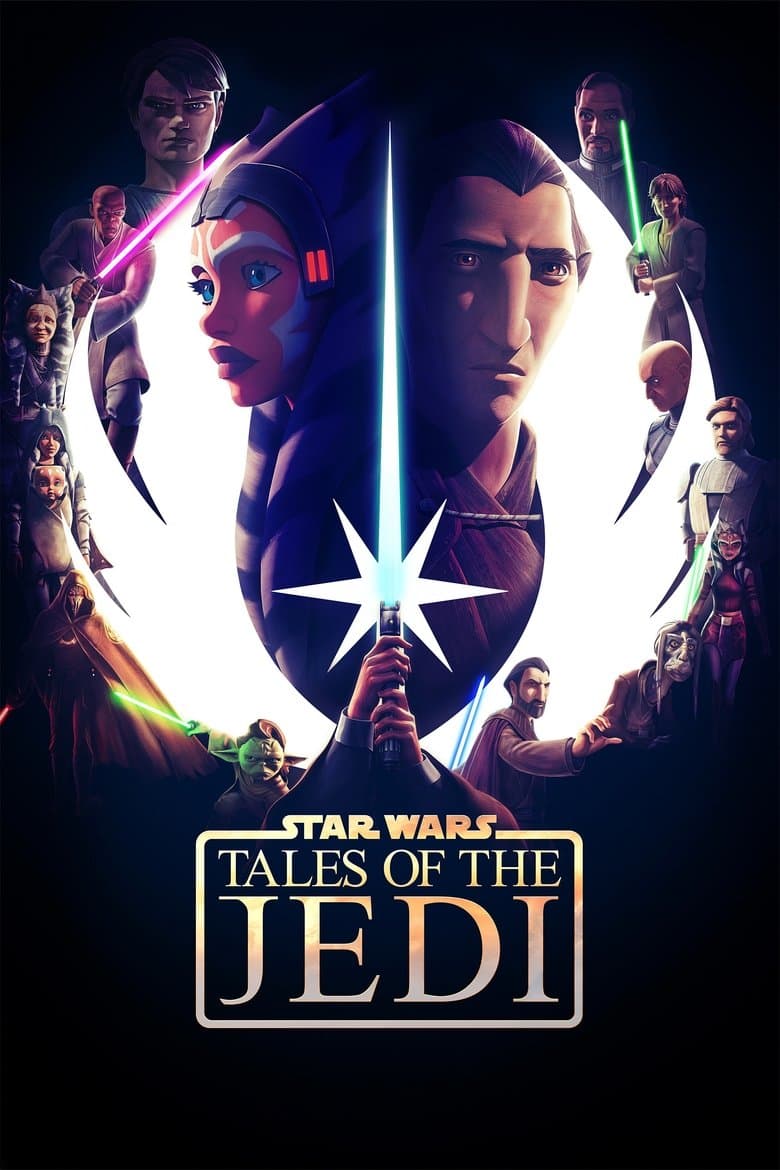
TV Show · 2022
Journey into the lives of two distinctly different Jedi from the prequel era – Ahsoka Tano and Count Dooku. Each will be put to the test as they make choices that will define…
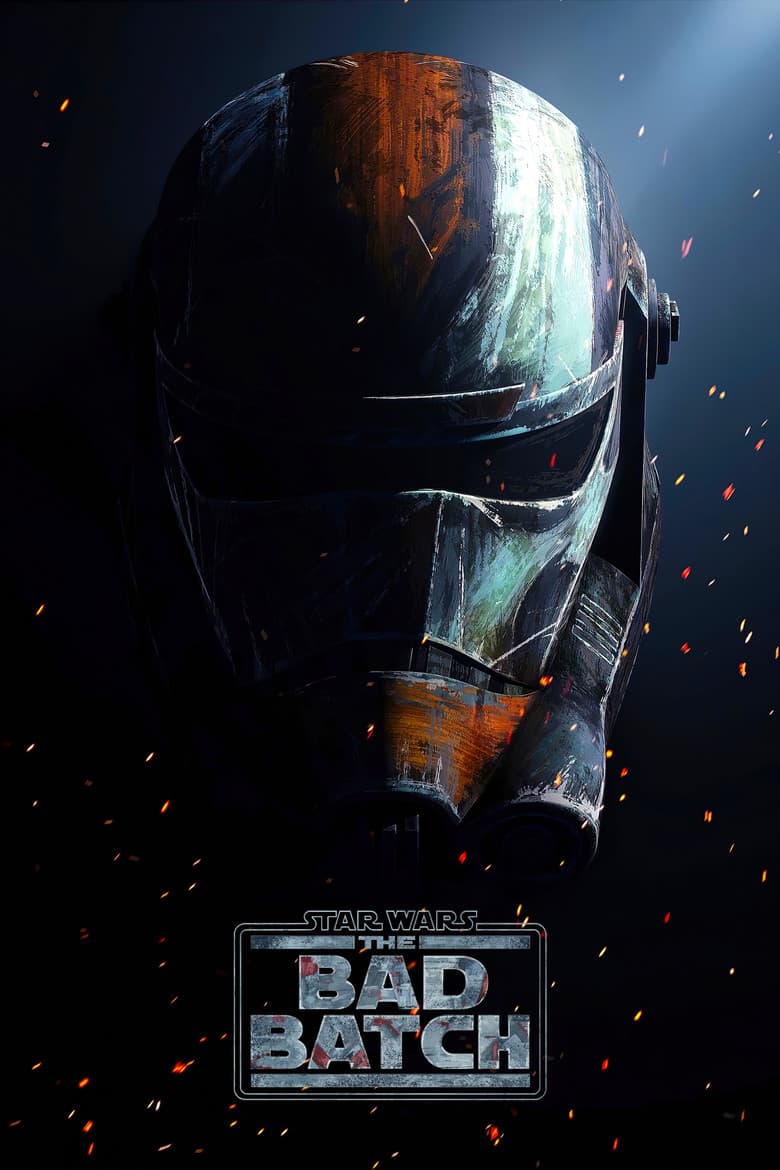
TV Show · 2021
The 'Bad Batch' of elite and experimental clones make their way through an ever-changing galaxy in the immediate aftermath of the Clone Wars.
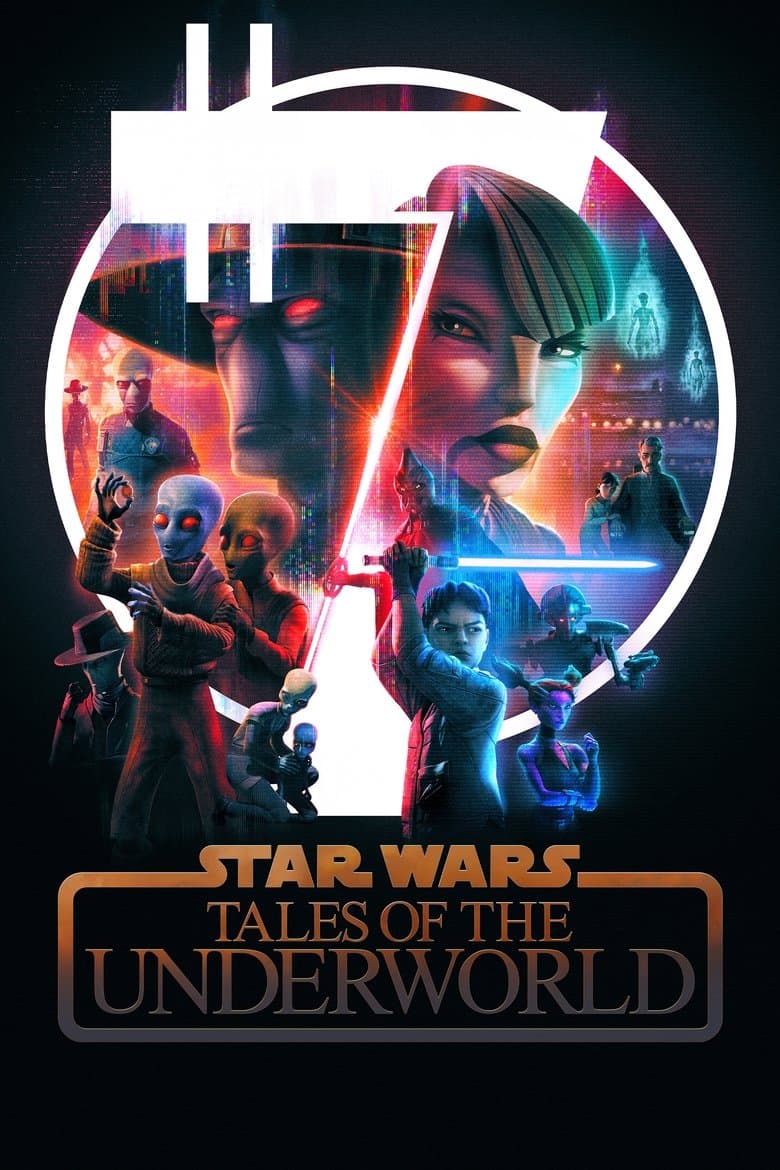
TV Show · 2025
Two outlaws must navigate the galaxy's dangerous underworld as they chart their destinies.
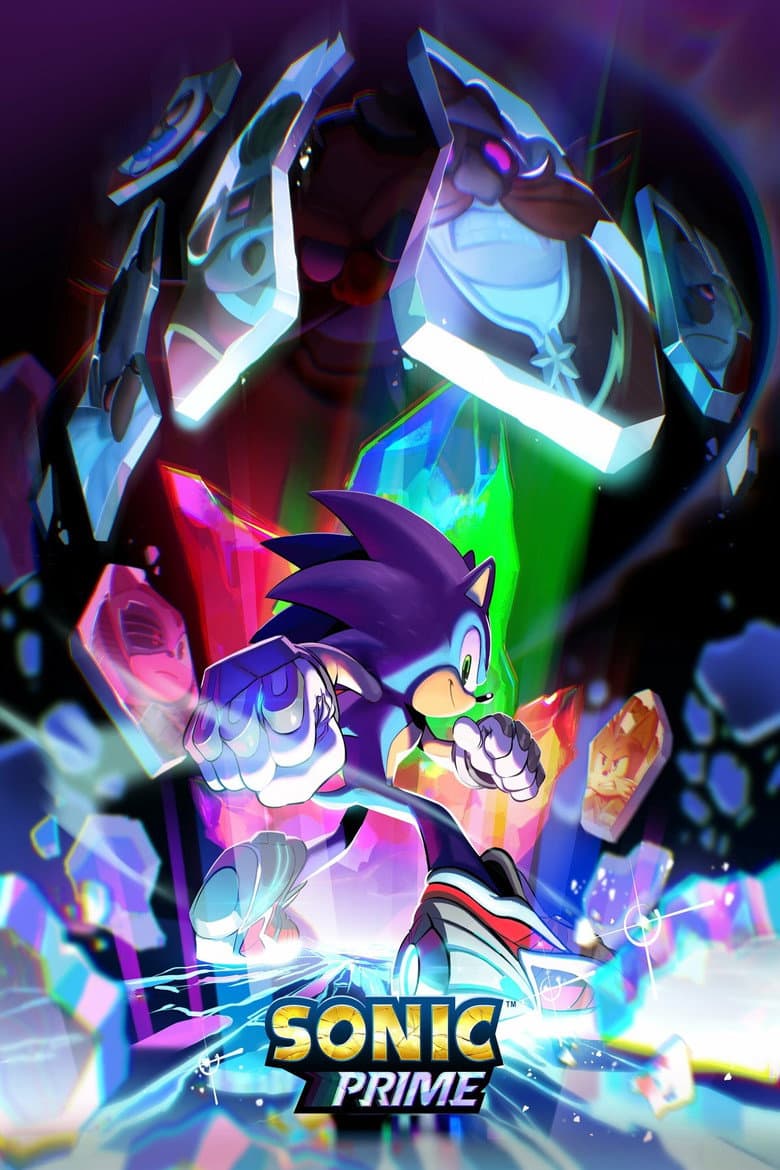
TV Show · 2022
When an explosive battle with Dr. Eggman shatters the universe, Sonic races through parallel dimensions to reconnect with his friends and save the world.
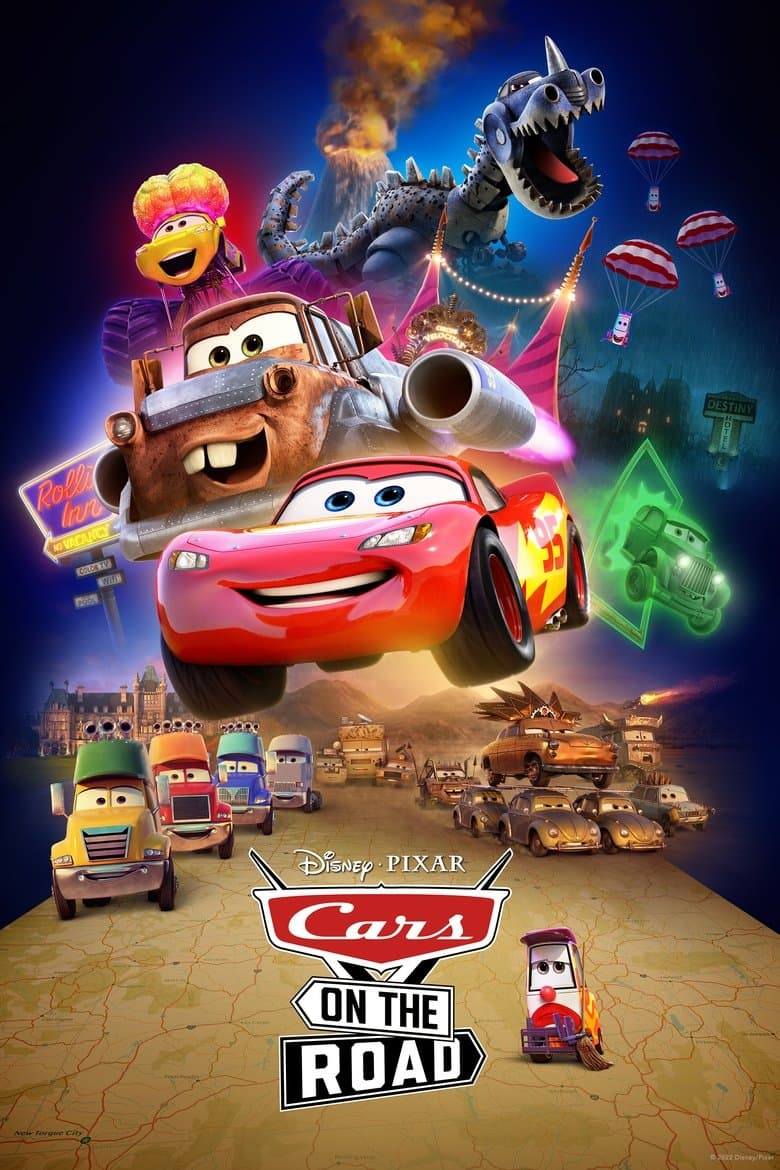
TV Show · 2022
Lightning McQueen and his best friend Mater head east from Radiator Springs on a cross-country road trip to meet up with Mater’s sister.
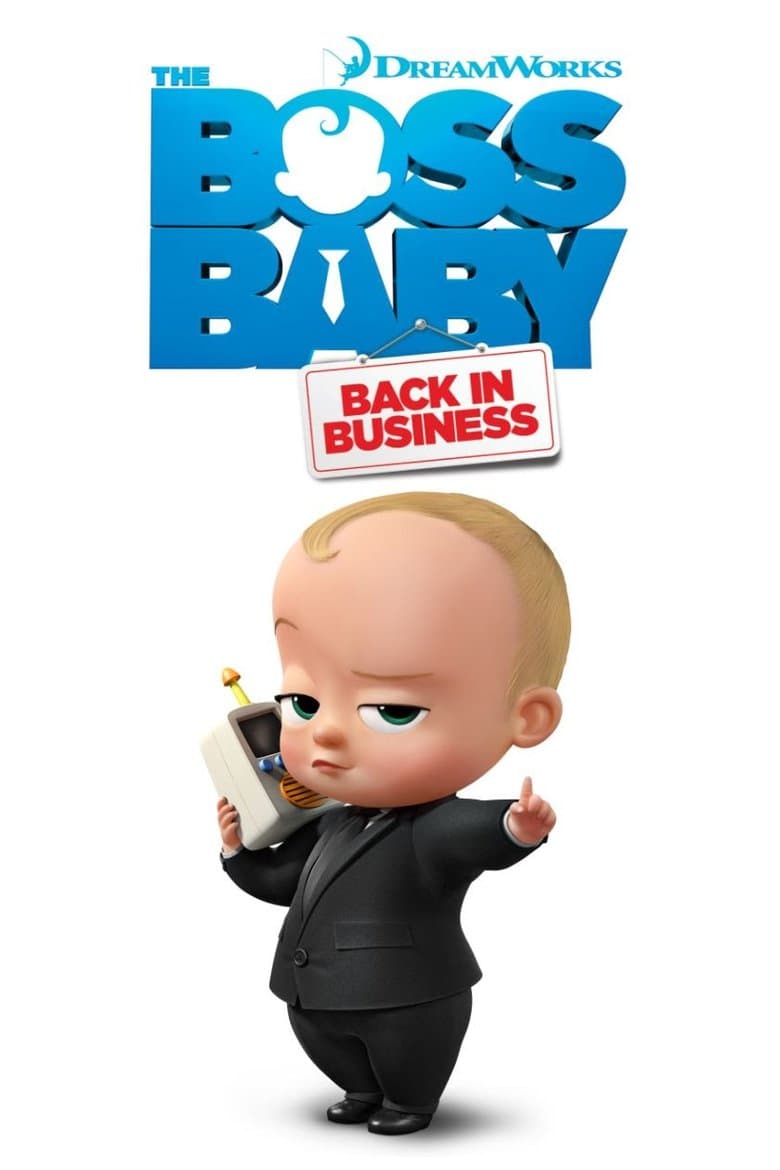
TV Show · 2018
The Boss Baby brings his big brother Tim to the office to teach him the art of business in this animated series sprung from the hit film.
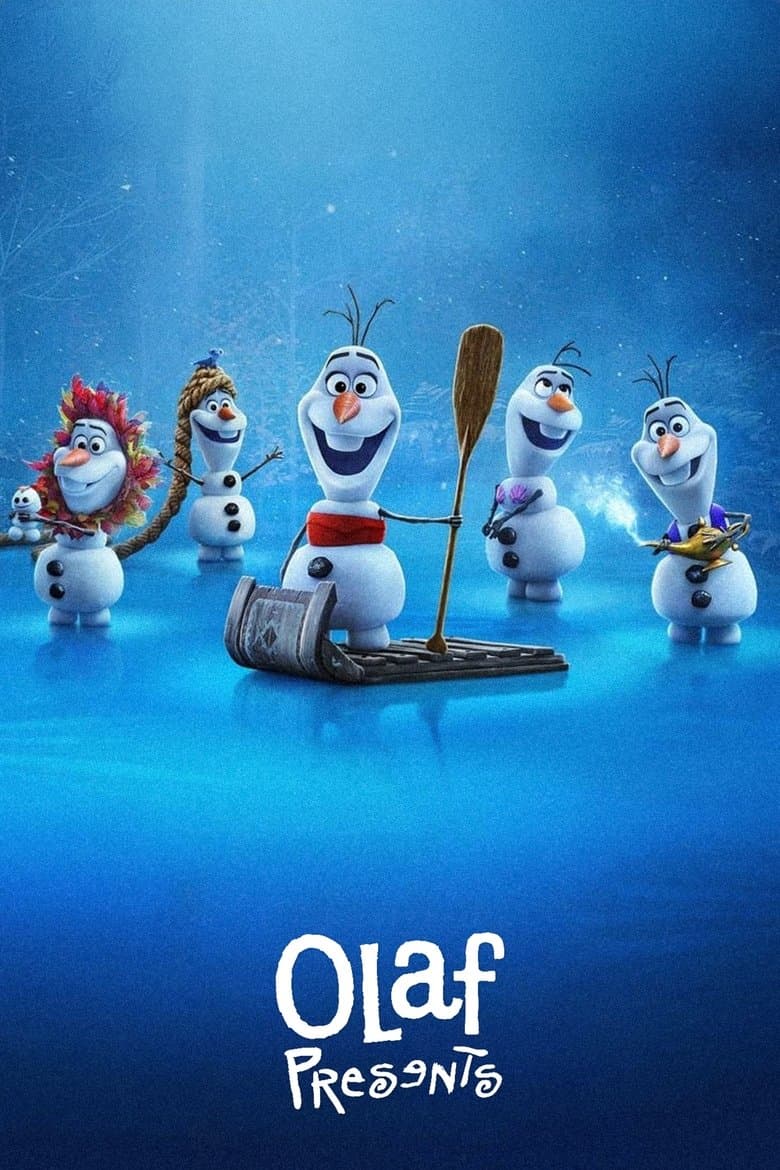
TV Show · 2021
Frozen’s beloved snowman retelling several classic Disney tales as only he can.

TV Show · 2021
A series of shorts that follows the humorous misadventures of Dug, the lovable dog from Disney and Pixar’s “Up.” Each short features everyday events that occur in Dug's backyard…
