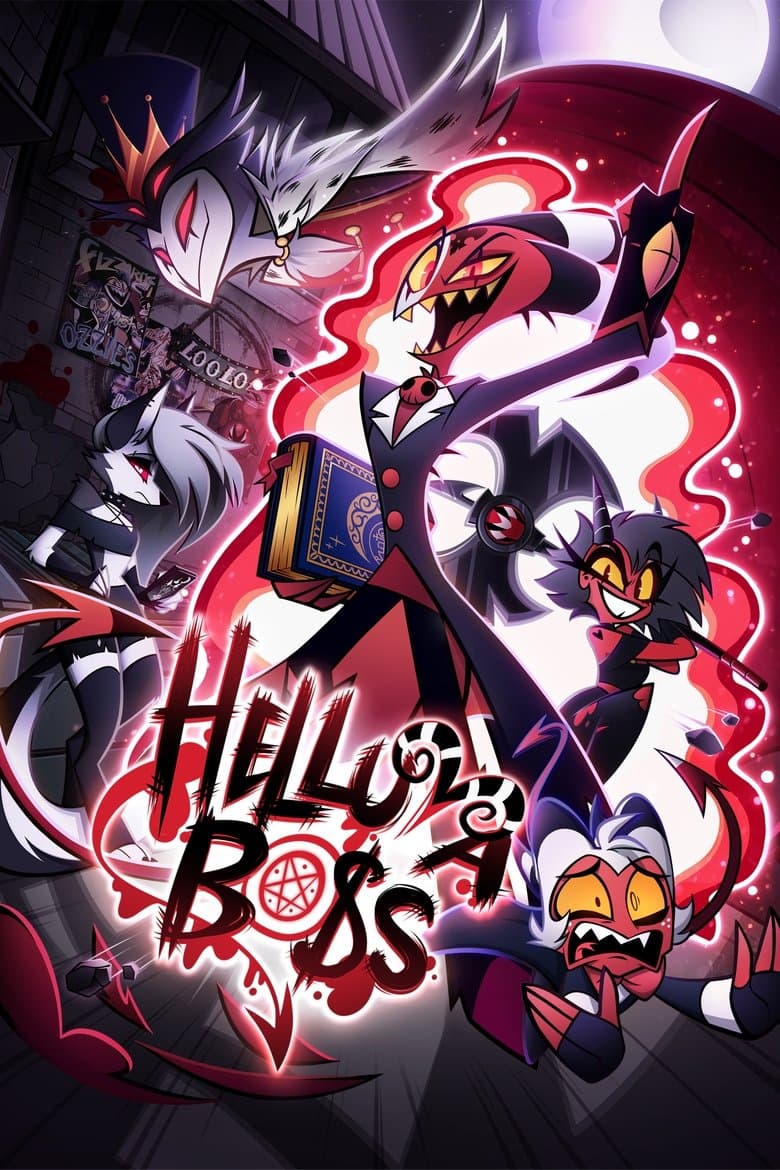
Started October 31, 2020 · Returning Series · Based on 2 seasons, 20 episodes through December 21, 2024 · TV-MA
Helluva Boss follows Blitzø, a loud imp who runs I.M.P., a small business that kills living people for clients in Hell. He uses a spell book from Stolas, a powerful owl prince, to send his team to Earth. Moxxie, Millie, and Loona help Blitzø survive dangerous jobs, family fights, and their own bad choices. The show mixes bloody action, crude sex jokes, songs, and serious stories about guilt, love, and broken families.
Blitzø and Stolas become the main emotional story as their sexual deal turns into a painful romance. Season two gives more time to their breakup, Stolas's unhappy arranged marriage, his fight with the demon ruling class, and his damaged bond with Octavia. Fizzarolli and Asmodeus form another male couple, while Moxxie's bisexuality and Sallie May's trans identity add more LGBTQ+ material. The show treats these relationships as normal parts of life and often puts them at the center of its songs and biggest dramatic scenes.
Community feedback
Was our 87% Woke rating accurate?
Breakdown
These are the editorial factors and ratings behind our score for Helluva Boss.
Woke representation / casting
The show gives queer identities and relationships to many visible characters. Blitzo and Stolas drive the main arc, Moxxie is bisexual, Fizzarolli and Asmodeus are a major couple, and Sallie May is trans and lesbian. The 2024 Pride art also labels many other characters with identity flags. The fantasy setting gives no clear ethnic casting mismatch, so this score rests on the repeated sexuality and gender pattern.
82%
Woke political dialogue
The characters use direct words about rich people, privilege, and selfish men, especially in Sinsmas. Mastermind turns the class gap between imps and royal demons into a public trial where the imps stand together. The show also repeats sex and sexuality jokes, but most of those jokes are crude humor rather than activist speeches. The political lines are noticeable, but they do not lead most episodes.
32%
Identity-driven story themes
The show makes Blitzo and Stolas's sexual and emotional relationship its main continuing story. Season two follows their breakup, Stolas's unhappy arranged marriage, the class gap between them, and the damage to Octavia. Fizzarolli and Asmodeus carry a second long-running male couple story, while Moxxie's bisexuality and Sallie May's trans identity widen the LGBTQ+ focus. The show treats these relationships as normal and gives them many of its songs and serious scenes.
86%
Western institutional / cultural critique
The show portrays royal birth status, arranged marriage, abusive fathers, and exploitative bosses as harmful across both seasons. Mastermind shows a powerful court punishing an imp while the crowd cheers when the imps stand together. C.H.E.R.U.B. mocks heavenly agents and Christian-looking imagery, but Hell is also the setting. The show does not build a clear modern campaign against capitalism, Christianity, or traditional family life, so this factor stays moderate.
31%
Woke character or canon changes
Not relevant. The show is an original story. It does not change an established character, source, or historical event.
0%
Anti-woke backlash and complaints
Small X accounts called the show “woke slop,” “DEI Tumblr writing,” or LGBT propaganda. A few conservative or anti-SJW posts also objected to the large queer cast and treated the show as part of modern woke animation. These comments had little reach, and no major boycott, news campaign, or large right-leaning outlet drove them. Most fan debate focused on writing, pacing, and the shift toward relationship drama.
24%
Creator track record context
Vivienne Medrano has a strong queer-centered creative record and has publicly linked her work to a women's gaze and queer experiences. Brandon Rogers has a history of queer comedy and has spoken about helping more queer art get made. Adam Neylan, Timothy Cubbison, and Austin Snyder have little known activist or identity-focused public history. Medrano and Rogers are the main creator signals, and their record matches the show's repeated queer content.
78%
Production
TV Show · 2025
A Happy alien, Takopi, lands on Earth with one mission: to spread happiness! When he meets Shizuka, a lonely fourth grader, he vows to bring back her smile using his magical Happy…
TV Show · 2018
Two strangers are drawn to a mysterious pharmaceutical trial that will, they're assured, with no complications or side-effects whatsoever, solve all of their problems…
TV Show · 2020
Smiling Friends Inc. is a small company whose main purpose is to bring happiness and make people smile. The series follows the day-to-day lives and misadventures of its…
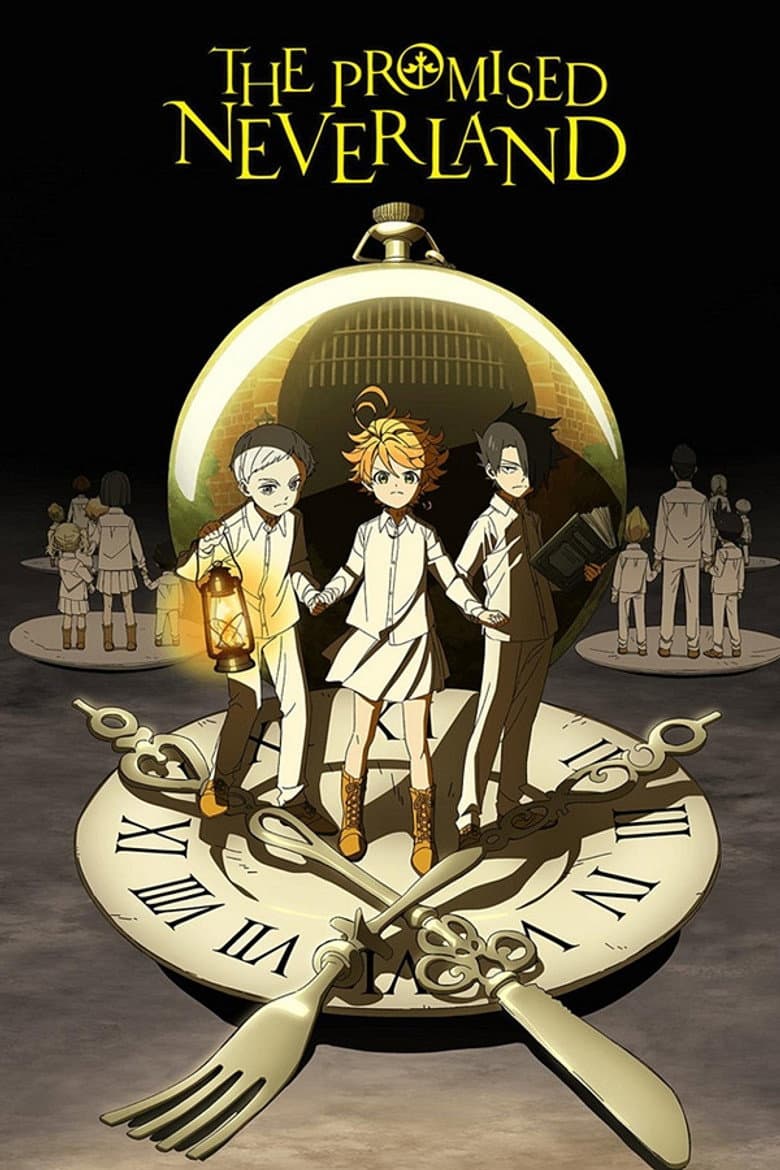
TV Show · 2019
Emma, Norman and Ray are the brightest kids at the Grace Field House orphanage. And under the care of the woman they refer to as “Mom,” all the kids have enjoyed a comfortable…
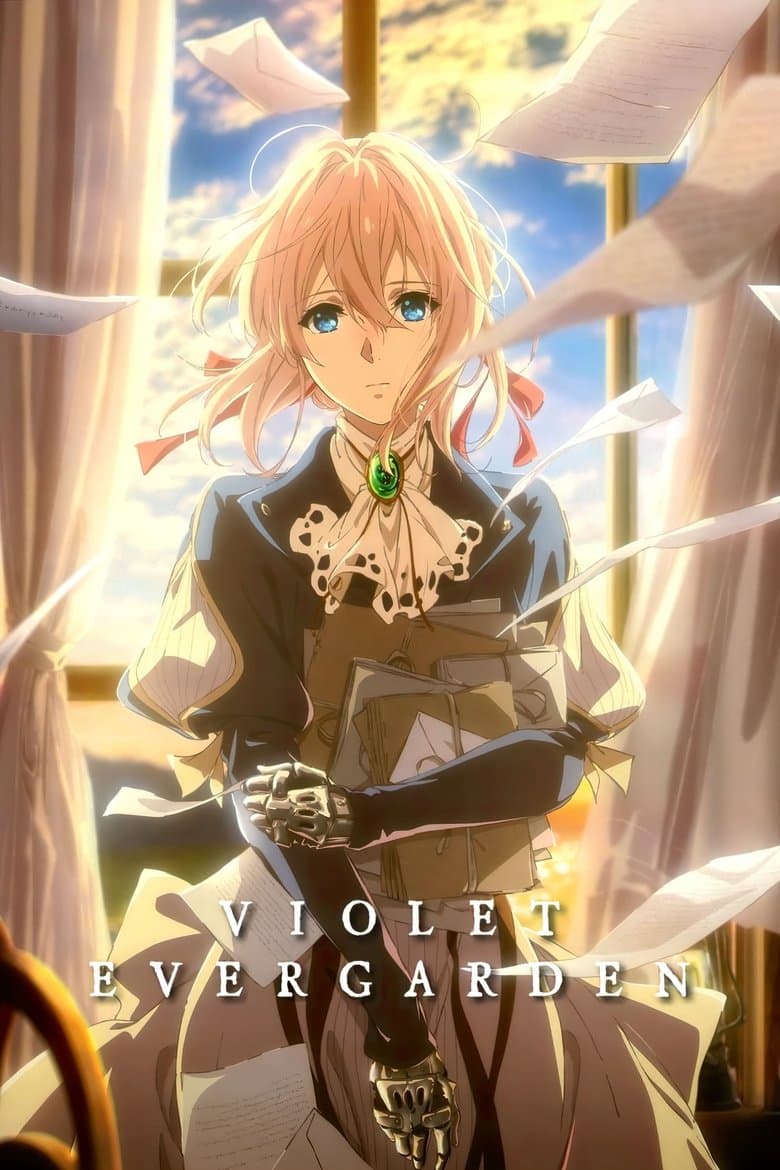
TV Show · 2018
The war is over, and Violet Evergarden needs a job. Scarred and emotionless, she takes a job as a letter writer to understand herself and her past.
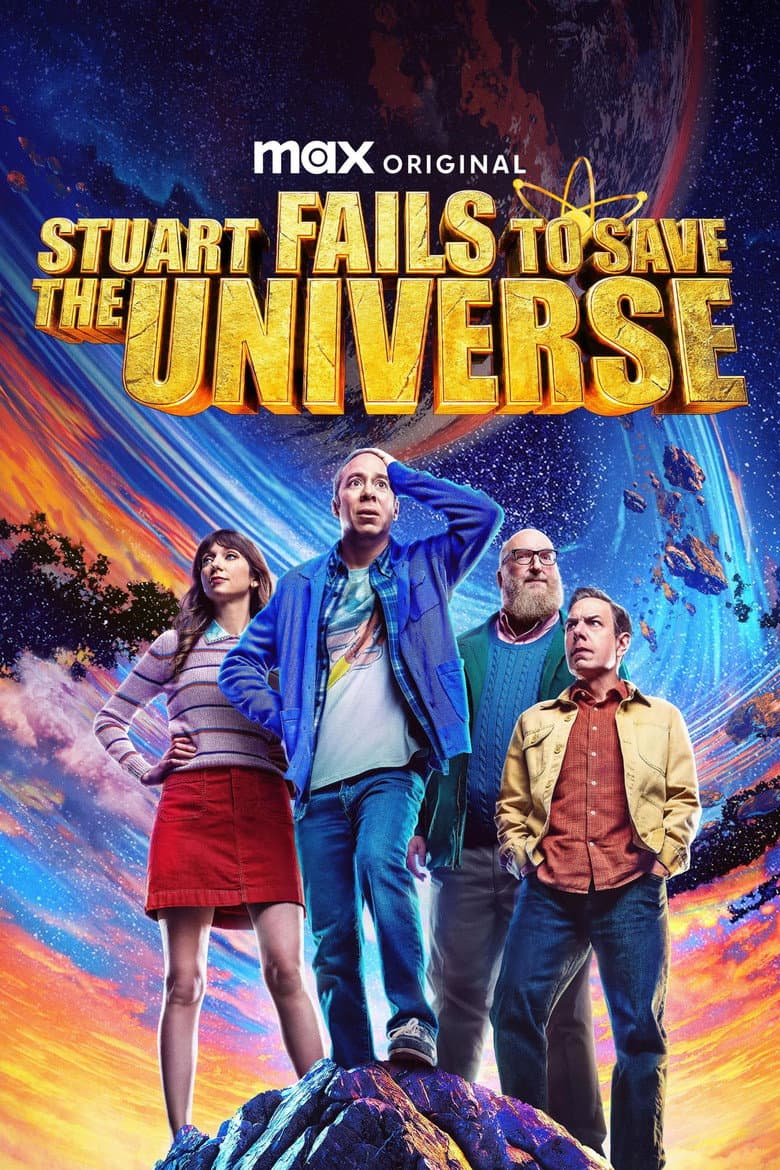
TV Show · 2026
After accidentally creating a new multiverse, comic book store owner Stuart Bloom must locate a quantum-interference device to restore reality.
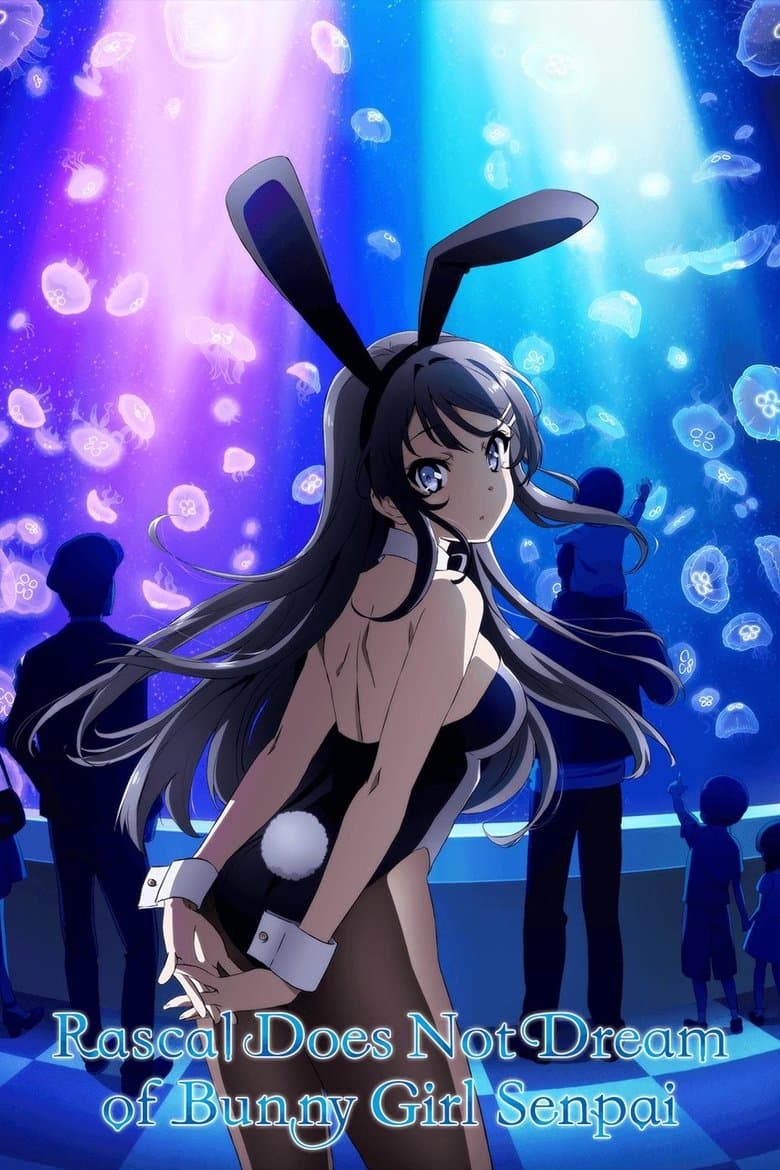
TV Show · 2018
Puberty Syndrome—a rumored, mysterious syndrome that only affects those in their puberty. For example, a bunny girl suddenly appeared in front of Sakuta Azusagawa.
TV Show · 2022
The intricate and magical love story of Clare and Henry, and a marriage with a problem… time travel.
