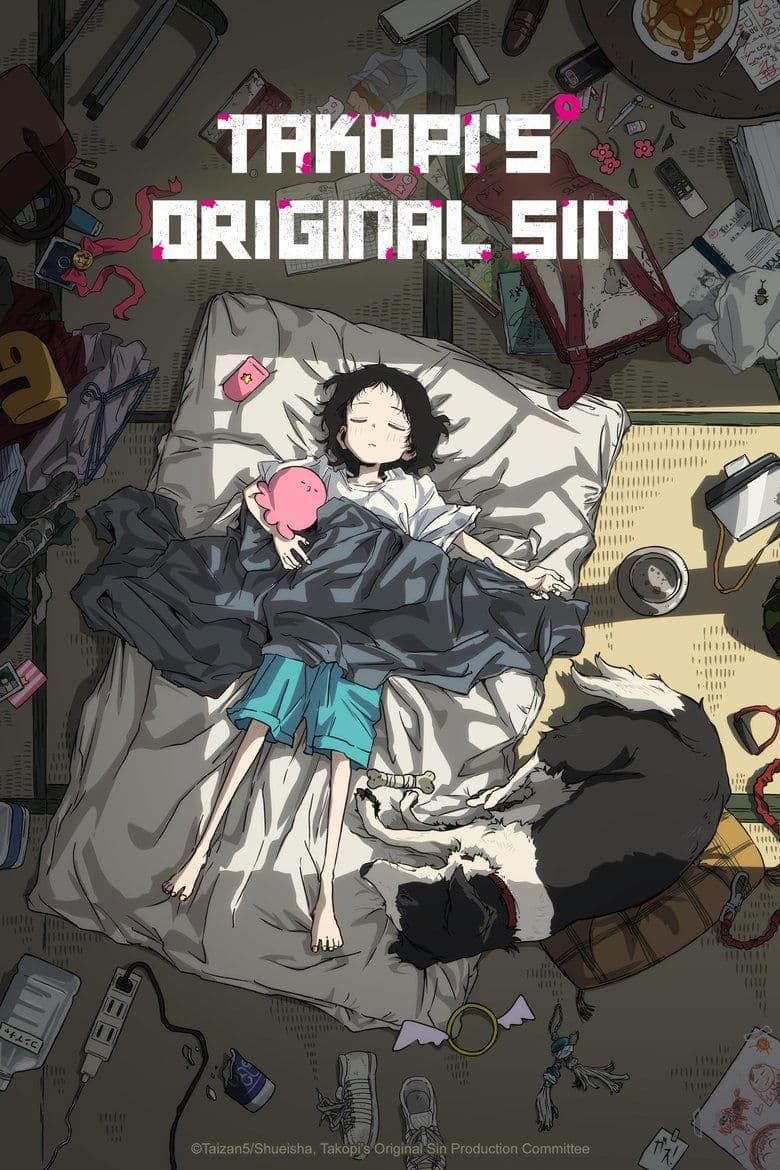
Started June 28, 2025 · Ended · Based on 1 season, 6 episodes through August 2, 2025 · TV-MA · Japanese
Takopi is a cheerful alien from Happy Planet who lands in Japan in 2016. He meets Shizuka, a quiet fourth grader who is bullied at school and left mostly alone at home. He tries to make her smile with strange tools, but his simple ideas make the danger worse. The six-episode story turns from bright science fiction into a grim drama about suicide, murder, and time travel.
Shizuka, Marina, and Naoki are children who carry different kinds of pain from their families and school. Marina hurts Shizuka because Marina is also being hurt by her mother, while Naoki is crushed by his mother's praise of his older brother. The story keeps returning to bullying, parents who fail their children, abuse, guilt, and the way hurt children can hurt others. Takopi learns that he cannot fix a human life by pressing a button or running from the truth. The ending says that listening, honest friendship, and sharing pain can help, but they do not erase the damage these children have suffered.
Community feedback
Was our 0% Woke rating accurate?
Breakdown
These are the editorial factors and ratings behind our score for Takopi's Original Sin.
Woke representation / casting
Not present. The main children and adult families are Japanese characters in a 2016 Japanese setting. The show does not present its voice casting or gender roles as a diversity statement.
0%
Woke political dialogue
Not present. The dialogue includes bullying, guilt, family pressure, welfare insults, and pleas to talk, but it does not push modern identity, DEI, or activist ideas. The lesson about listening is part of the story, not a political message.
0%
Identity-driven story themes
Not present. The season focuses on child bullying, suicide, abuse, neglect, guilt, and time travel. It does not turn these problems into a modern identity-politics message.
0%
Western institutional / cultural critique
Not present. The story shows parents, teachers, and classmates failing children, but it does not attack modern Western institutions or traditional family life as a political system. The school and family problems serve the character drama.
0%
Woke character or canon changes
Not relevant. The anime closely adapts Taizan 5's manga without an identity-based race, gender, sexuality, or leadership change. The adaptation changes presentation and pacing only.
0%
Anti-woke backlash and complaints
Not present. Available coverage and fan discussion focus on suicide, abuse, moral choices, shocking twists, and the ending. No meaningful complaint says the show pushes woke, DEI, identity politics, or left-wing messaging.
0%
Creator track record context
Not present. The cached profiles show craft-focused Japanese animation careers with no clear activist, DEI, partisan, or identity-politics pattern. Iino frames this title around redemption, mutual understanding, and dialogue rather than a social or political campaign.
0%
Production
TV Show · 2017
Located in the center of a remote island, the Abyss is the last unexplored region, a huge and treacherous fathomless hole inhabited by strange creatures where only the bravest…
TV Show · 2023
After the party of heroes defeated the Demon King, they restored peace to the land and returned to lives of solitude.
TV Show · 2024
In a world plagued by creatures known as Kaiju, Kafka Hibino aspired to enlist in The Defense Force. He makes a promise to enlist with his childhood friend, Mina Ashiro.
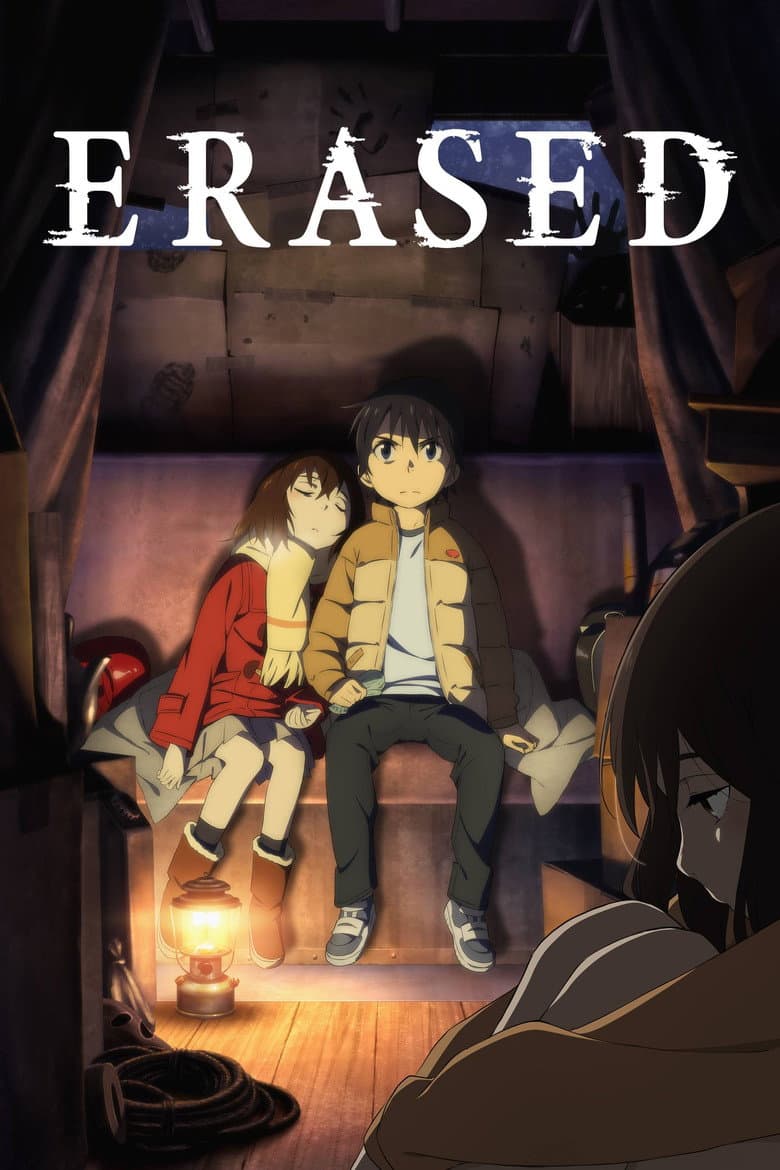
TV Show · 2016
Satoru Fujinuma is a struggling manga artist who has the ability to turn back time and prevent deaths. When his mother is killed he turns back time to solve the mystery, but ends…
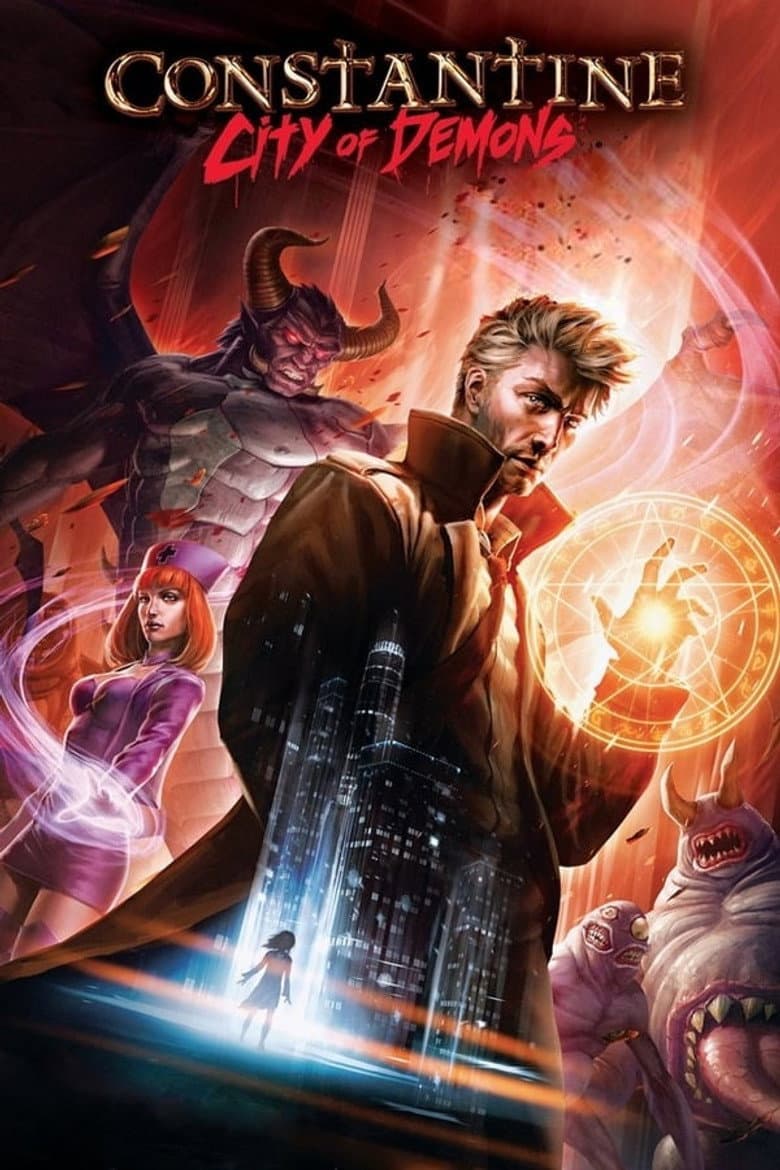
TV Show · 2018
Armed with an arcane knowledge of the dark arts and a wicked wit, John Constantine fights the good fight. With his soul already damned to hell, he’ll do whatever it takes to…
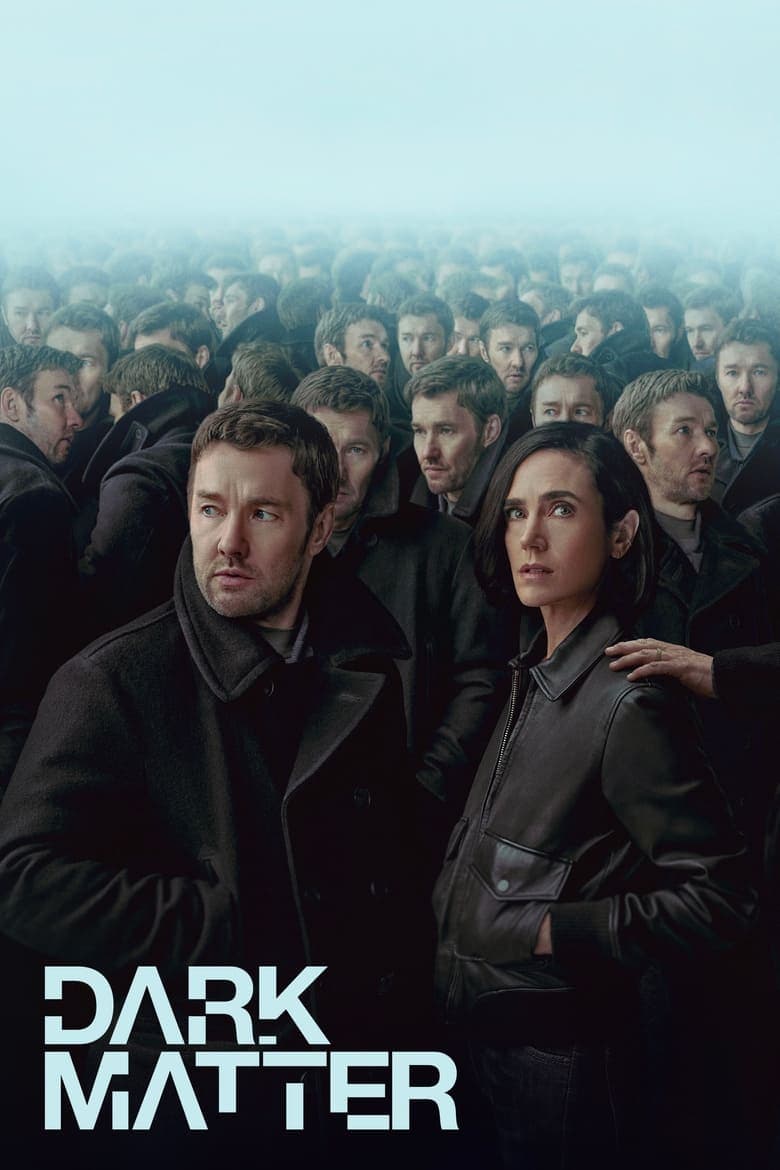
TV Show · 2024
Jason Dessen is abducted into an alternate version of his life. To get back to his true family, he embarks on a harrowing journey to save them from the most terrifying foe…
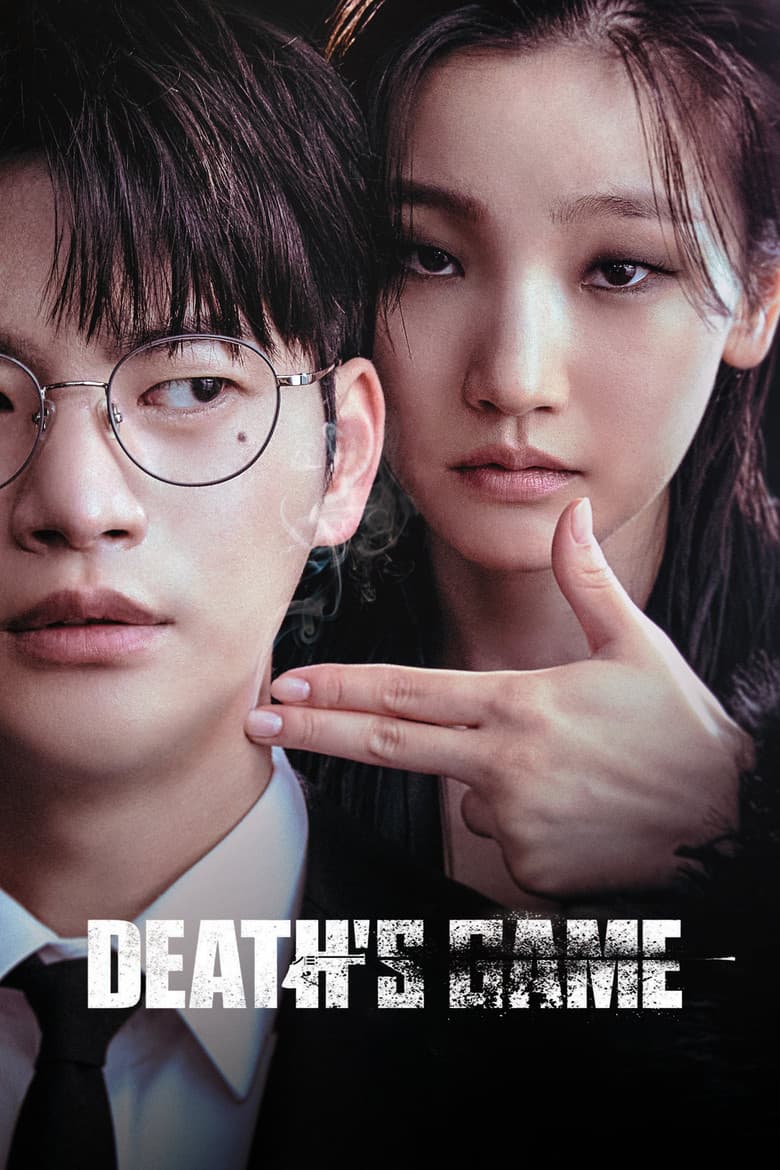
TV Show · 2023
At the brink of going to hell, Yee-jae must cycle through twelve separate lives and twelve separate deaths in this reincarnation drama.
TV Show · 2019
Considered a genius due to having the highest grades in the country, Miyuki Shirogane leads the prestigious Shuchiin Academy's student council as its president, working alongside…
