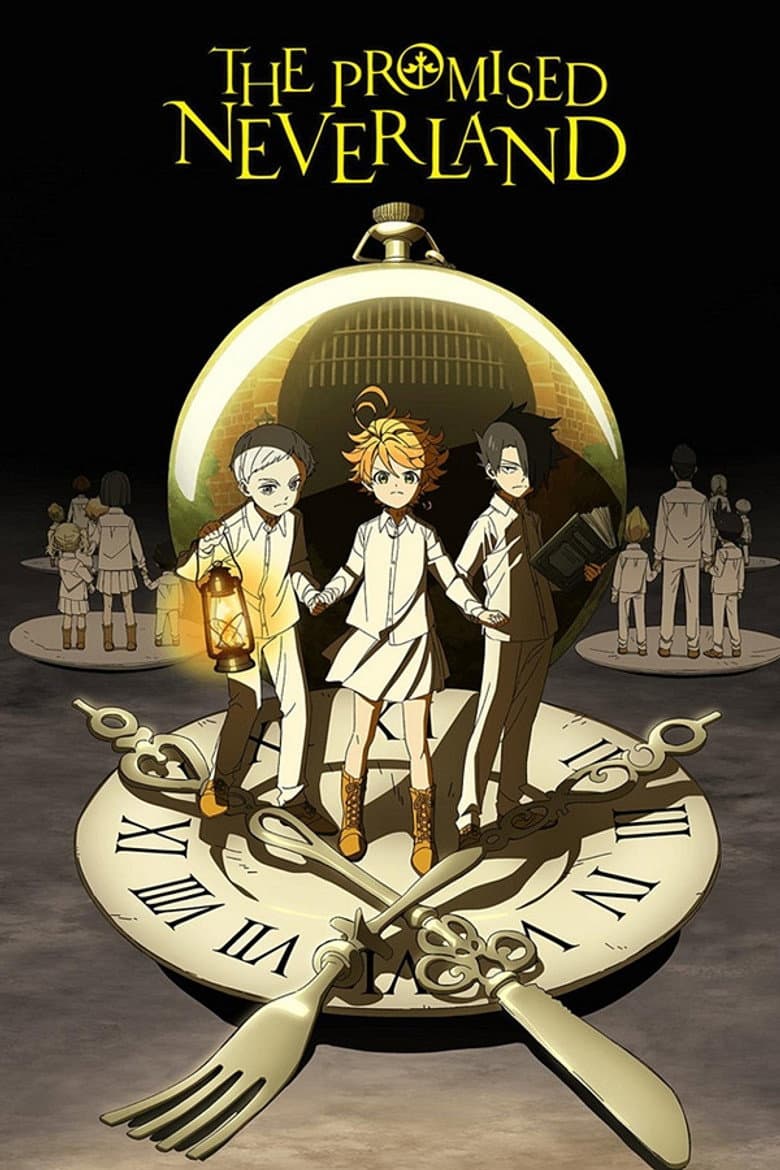
Started January 11, 2019 · Ended · Based on 2 seasons, 23 episodes through March 26, 2021 · TV-MA · 23 min · Japanese
Emma lives with many children at Grace Field House, an orphanage that looks safe and happy. She and her friends Norman and Ray learn that the children are raised as food for demons. The children must trick Isabella, escape the house, and search for a safer home. The show mixes mystery, horror, chase scenes, and hard choices about trust, family, mercy, and survival.
The clearest audience-visible social signal is Emma's repeated role as the main moral leader in a large group of children. She rejects Norman's plan to wipe out the demons and keeps trying to save both human children and peaceful demons. Emma also leads a fight to free children from a system that treats them as food, but the show presents that conflict as fantasy survival drama. These ideas appear across both seasons, while direct modern politics remains limited.
Community feedback
Was our 25% Woke rating accurate?
Breakdown
These are the editorial factors and ratings behind our score for The Promised Neverland.
Woke representation / casting
The show makes Emma, a girl, the main leader of the escape. Isabella and Krone also hold the two main authority roles inside the orphanage. Norman and Ray remain highly skilled male partners, so the story does not use a broad pattern of male incompetence or a group built around identity labels. Creator coverage notes that making a girl the lead was unusual for Shonen Jump, but the show does not frame it as a wider diversity campaign.
30%
Woke political dialogue
Not present. The dialogue focuses on escape, survival, mercy, and the demon system. It does not use modern identity, gender-role, DEI, or activist language.
0%
Identity-driven story themes
Emma is a girl who repeatedly leads the children and makes the main moral choices. Norman's plan to kill all demons gives the show a recurring debate about group punishment and coexistence. Emma protects Mujika, a demon targeted because of her rare blood, and argues that peaceful demons should live. These ideas recur across both seasons, but the show keeps them inside a fantasy survival story instead of linking them to current identity politics.
35%
Western institutional / cultural critique
Not present. The show attacks a fictional farm system that treats children as food, but it does not turn that conflict into a modern attack on Western institutions, Christianity, traditional family life, or named capitalism.
0%
Woke character or canon changes
Not relevant. Season 2 skips manga arcs and changes the ending, but those are plot and pacing changes rather than identity-based changes to established characters.
0%
Anti-woke backlash and complaints
Not present. Reports describe backlash about skipped arcs, rushed pacing, missing characters, and the final slide-show sequence, not about woke, DEI, or left-wing ideas.
0%
Creator track record context
Not present. The cached staff scores range from 0 to 15 for directors, 0 to 4 for writers, and 0 for producers. The available record shows anime production work, not a repeated activist or DEI campaign.
0%
Production
TV Show · 2016
Satoru Fujinuma is a struggling manga artist who has the ability to turn back time and prevent deaths. When his mother is killed he turns back time to solve the mystery, but ends…
TV Show · 2025
A Happy alien, Takopi, lands on Earth with one mission: to spread happiness! When he meets Shizuka, a lonely fourth grader, he vows to bring back her smile using his magical Happy…
TV Show · 2021
Interconnected phone conversations chronicle the mysterious story of a group of strangers whose lives are thrown into disarray in the lead-up to an apocalyptic event.
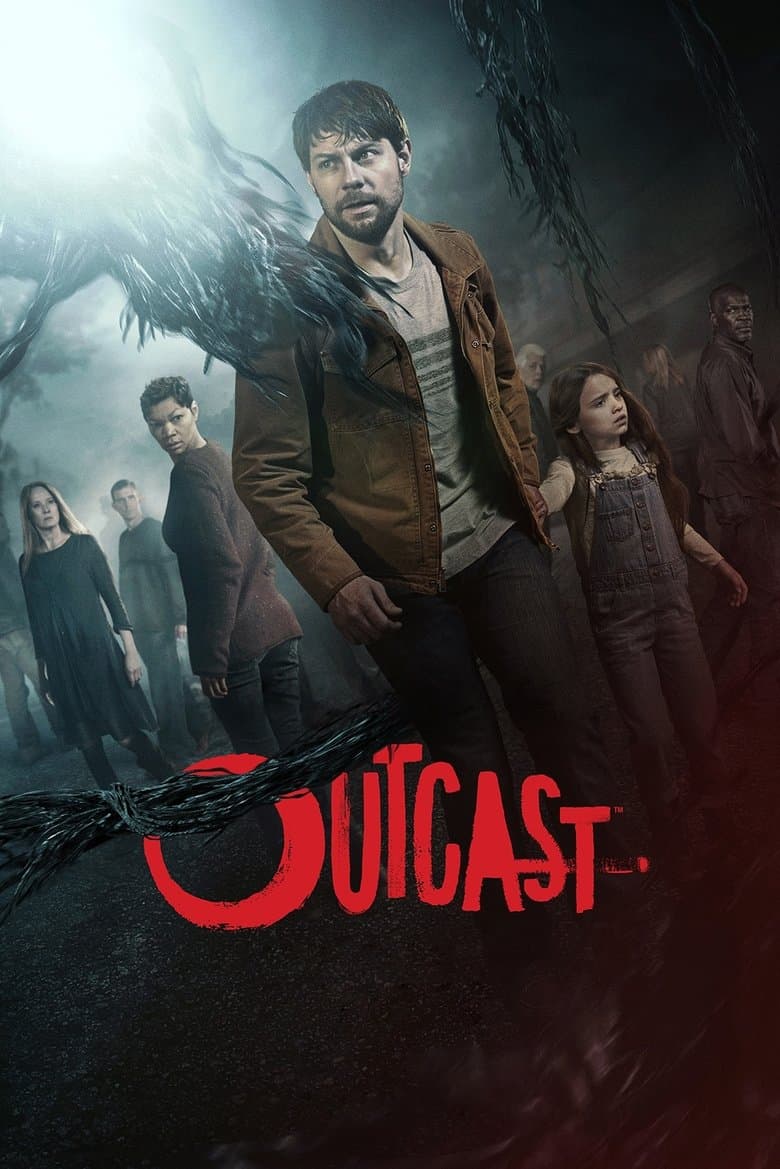
TV Show · 2016
Kyle Barnes has been plagued by possession since he was a child. Now an adult, he embarks on a spiritual journey to find answers, but what he uncovers could mean the end of life…
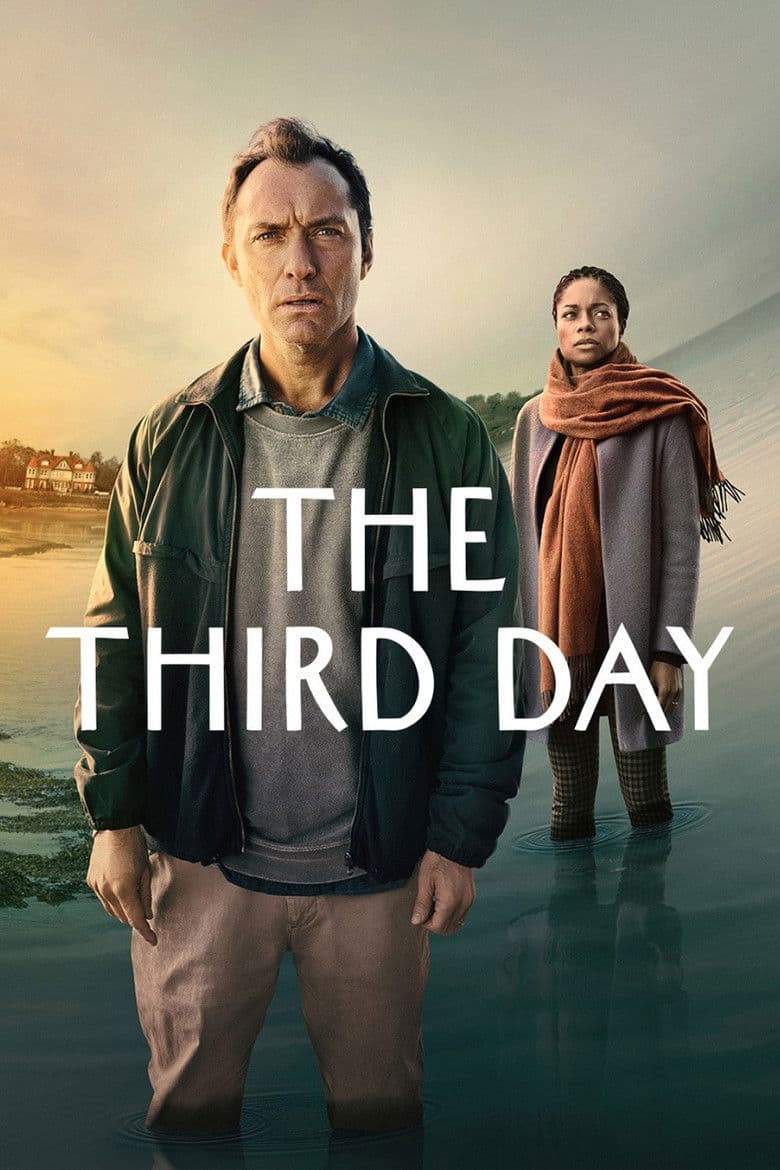
TV Show · 2020
A unique story told over two distinct halves, "Summer" follows Sam, a man drawn to a mysterious island off the British coast where he encounters a group of islanders set on…
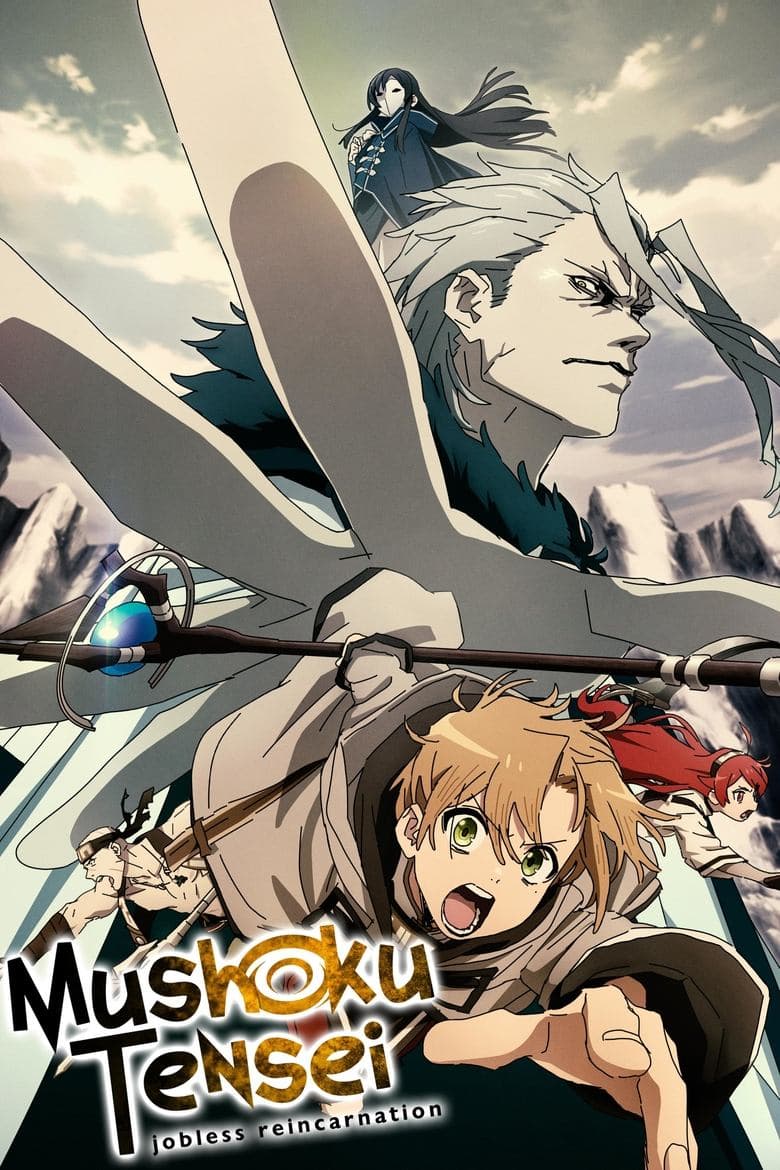
TV Show · 2021
When a 34-year-old underachiever gets run over by a truck, his story doesn't end there. Reincarnated in a new world as an infant, Rudy will seize every opportunity to live the…
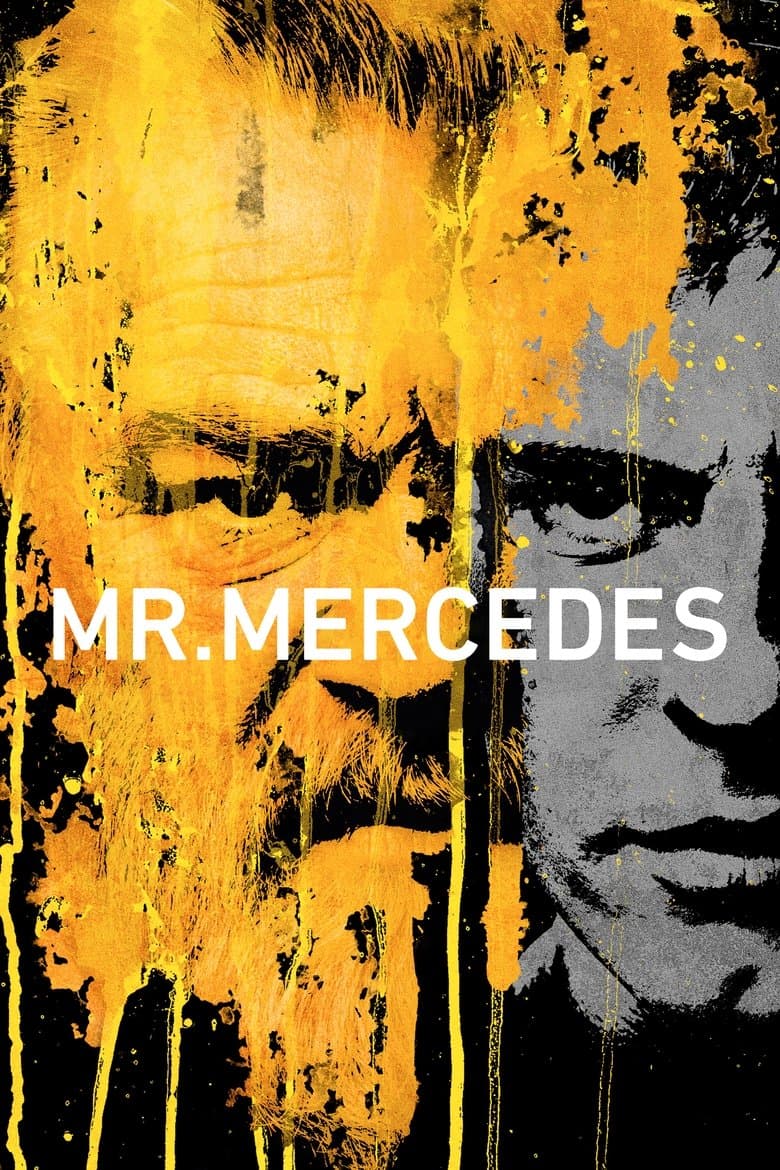
TV Show · 2017
A demented serial killer taunts a retired police detective with a series of lurid letters and emails, forcing the ex-cop to undertake a private, and potentially felonious, crusade…

TV Show · 2021
A secret life is the one thing they have in common. At school, Hori is a prim and perfect social butterfly, but the truth is she's a brash homebody.
