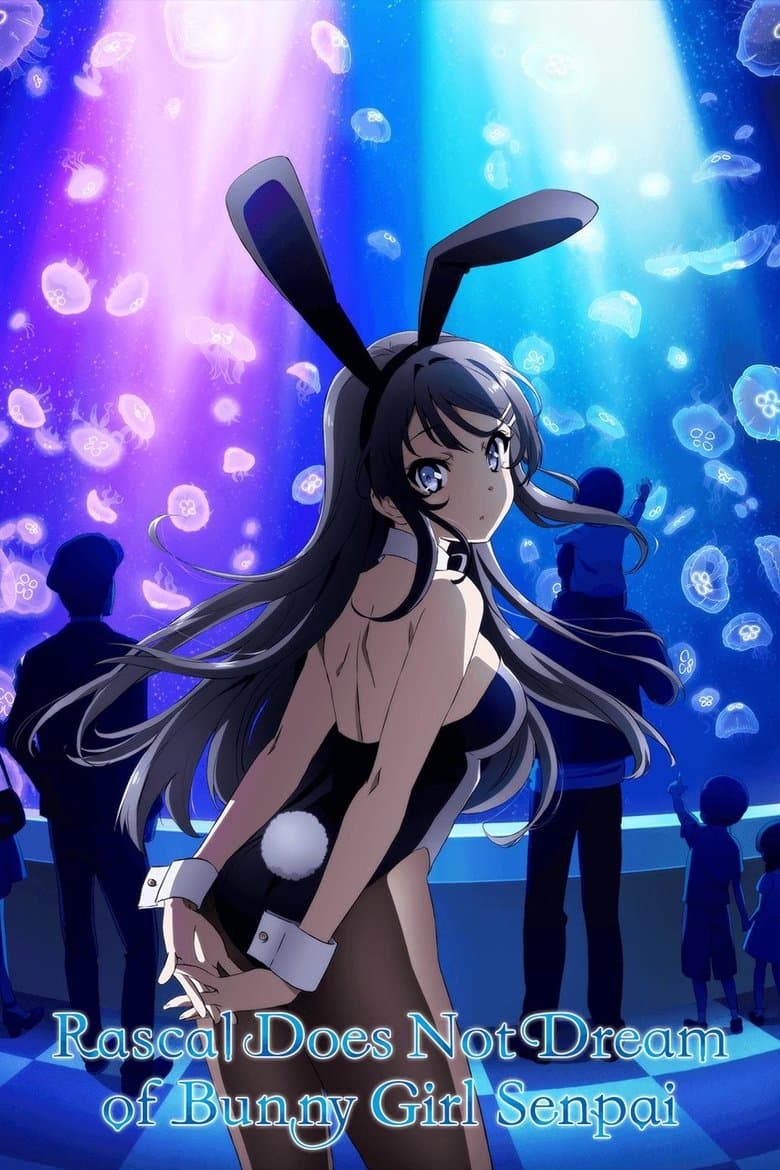
Started October 4, 2018 · Ended · Based on 2 seasons, 26 episodes through September 27, 2025 · TV-14 · 24 min · Japanese
Sakuta Azusagawa is a blunt high school student living near the bright beaches of Fujisawa and Enoshima. He can see Mai Sakurajima, a famous actress in a bunny suit, even though other people cannot see her. Sakuta helps Mai and other girls who suffer from strange problems called Puberty Syndrome. The story mixes romance, dry jokes, school life, science fiction, and serious pain, then follows Sakuta and Mai into university in the second season.
The show repeatedly centers on girls who feel ignored, judged, compared, bullied, or forced to fit in. Mai’s invisibility reflects her loss of place at school, while Tomoe’s time loop comes from fear of losing status with her friends. Rio’s split selves deal with loneliness and sexual attention, and Kaede’s arc deals with online bullying, trauma, memory loss, and returning to school. Season 2 adds an idol who struggles with group pressure, a nursing student who tries to save strangers, and a girl whose online fame and changing identity drive the mystery. The main answers are kindness, honesty, and close relationships, while the mysteries keep the tone thoughtful and bittersweet.
Community feedback
Was our 17% Woke rating accurate?
Breakdown
These are the editorial factors and ratings behind our score for Rascal Does Not Dream of Bunny Girl Senpai.
Woke representation / casting
Not present. The cast is largely Japanese teens in a modern Japanese setting, which fits the story. The many female characters come from its romance ensemble, not an identity statement.
0%
Woke political dialogue
Not present. Characters mention bullying, social media, and personal pain, but they do not push modern DEI, activist, or identity-politics ideas in their spoken lines.
0%
Identity-driven story themes
The story repeatedly turns personal identity and social pressure into supernatural problems. Mai is ignored at school, Tomoe fears losing her place with friends, Rio splits over loneliness and sexual attention, and Nodoka struggles with comparison to Mai. Kaede’s arc adds online bullying, trauma, memory loss, and a hard return to school. Season 2 continues with an idol who fears breaking group harmony and a girl who loses her sense of self, but the show treats these as personal problems solved by honesty and care.
30%
Western institutional / cultural critique
Not present. The story does criticize bullying, strict family pressure, and the entertainment business. It does not present those problems as attacks on Western institutions, traditional religion, capitalism, patriarchy, or conservative culture.
0%
Woke character or canon changes
Not relevant. The anime uses the established Japanese teen characters and story arcs from its source material. It does not change a known character’s race, gender, sexuality, or hero role.
0%
Anti-woke backlash and complaints
Not present. Public discussion focuses on romance, emotional arcs, fan service, and the season 2 mystery. Negative reviews mainly criticize sexism, sexual framing, or complex writing rather than calling the show too woke.
0%
Creator track record context
Masahiro Yokotani’s work on Free! centers emotionally close male athletes and can invite identity-focused readings. The other key creators mainly work in commercial anime and have no documented DEI campaigns or activist public identity. The title itself does not make those relationships queer or political. This context adds only a small signal.
8%
Production
TV Show · 2019
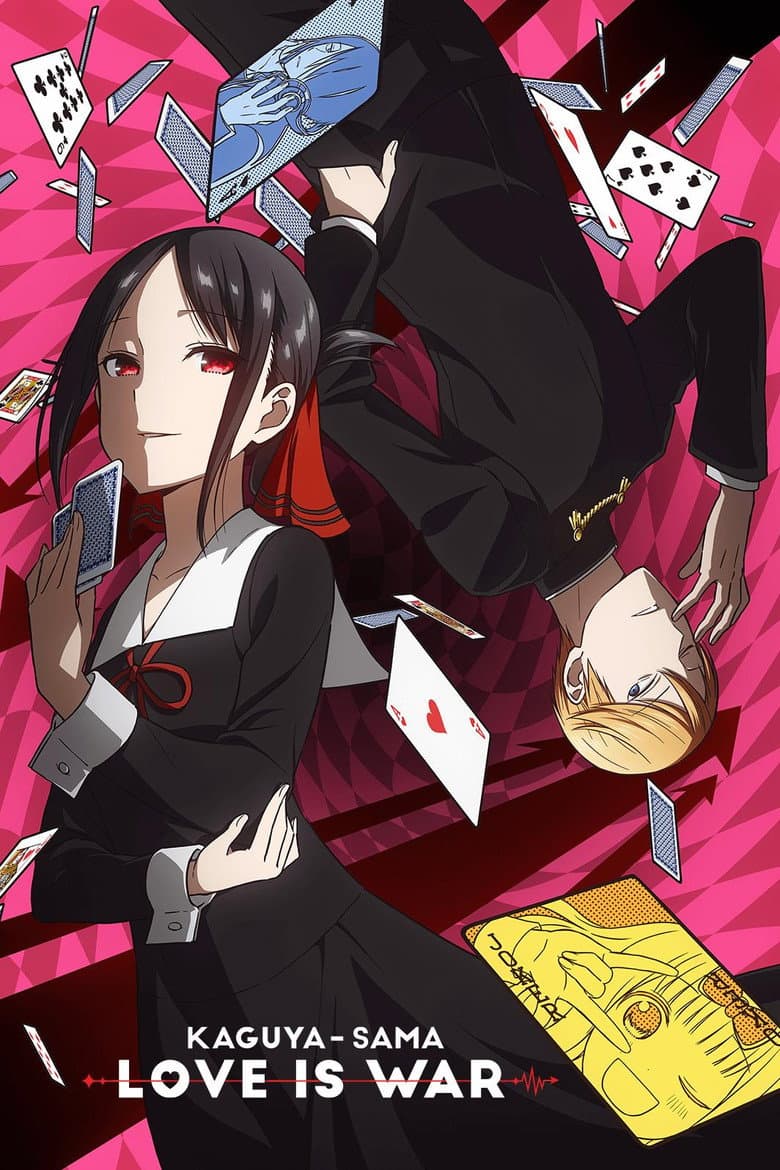
Considered a genius due to having the highest grades in the country, Miyuki Shirogane leads the prestigious Shuchiin Academy's student council as its president, working alongside…
TV Show · 2021
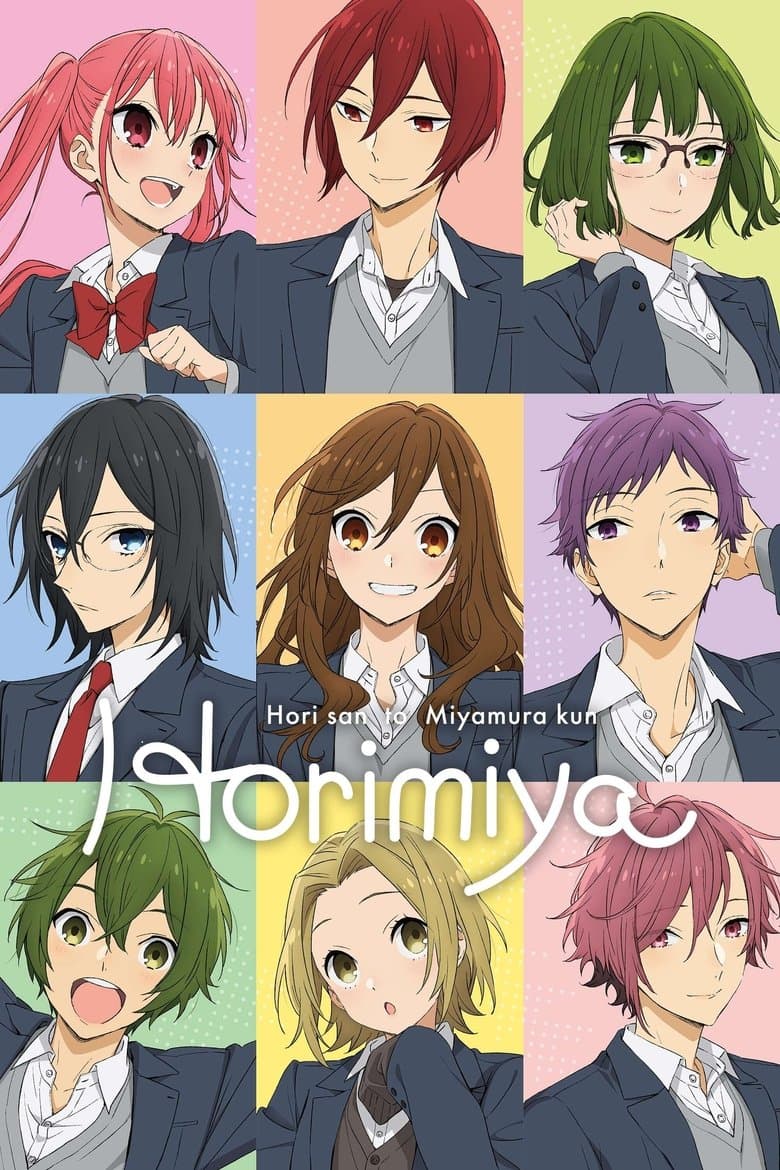
A secret life is the one thing they have in common. At school, Hori is a prim and perfect social butterfly, but the truth is she's a brash homebody.
TV Show · 2016
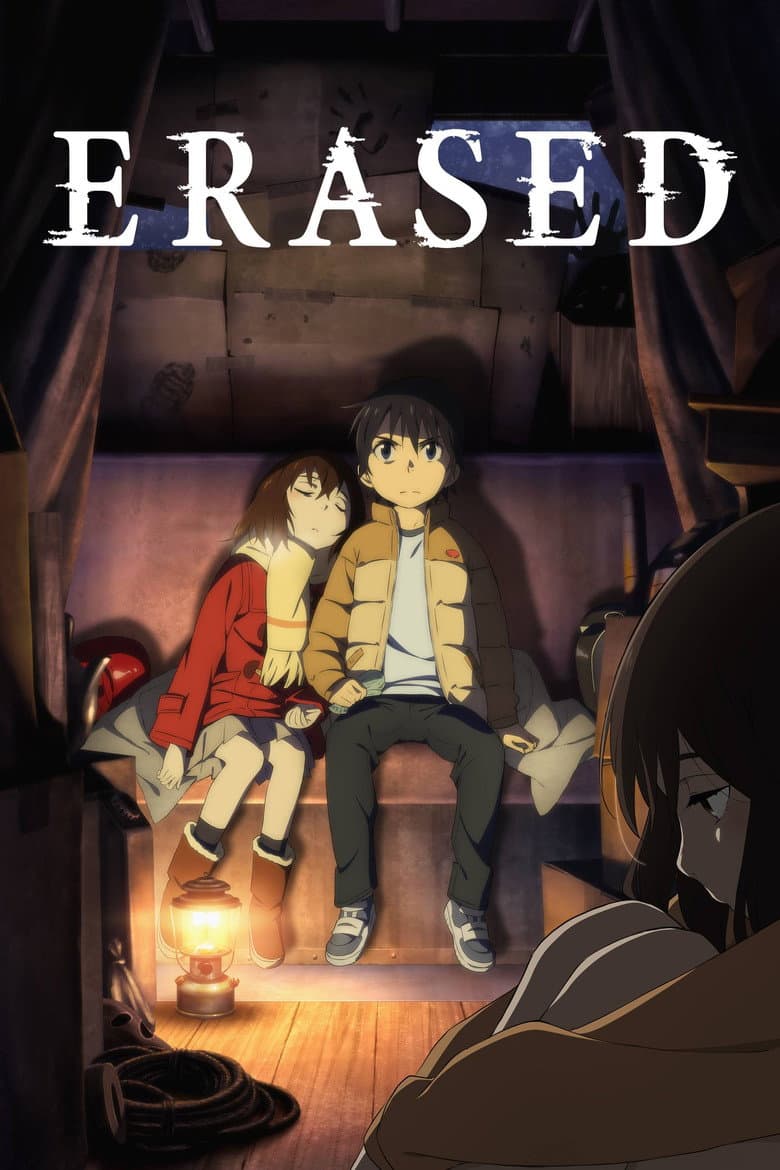
Satoru Fujinuma is a struggling manga artist who has the ability to turn back time and prevent deaths. When his mother is killed he turns back time to solve the mystery, but ends…
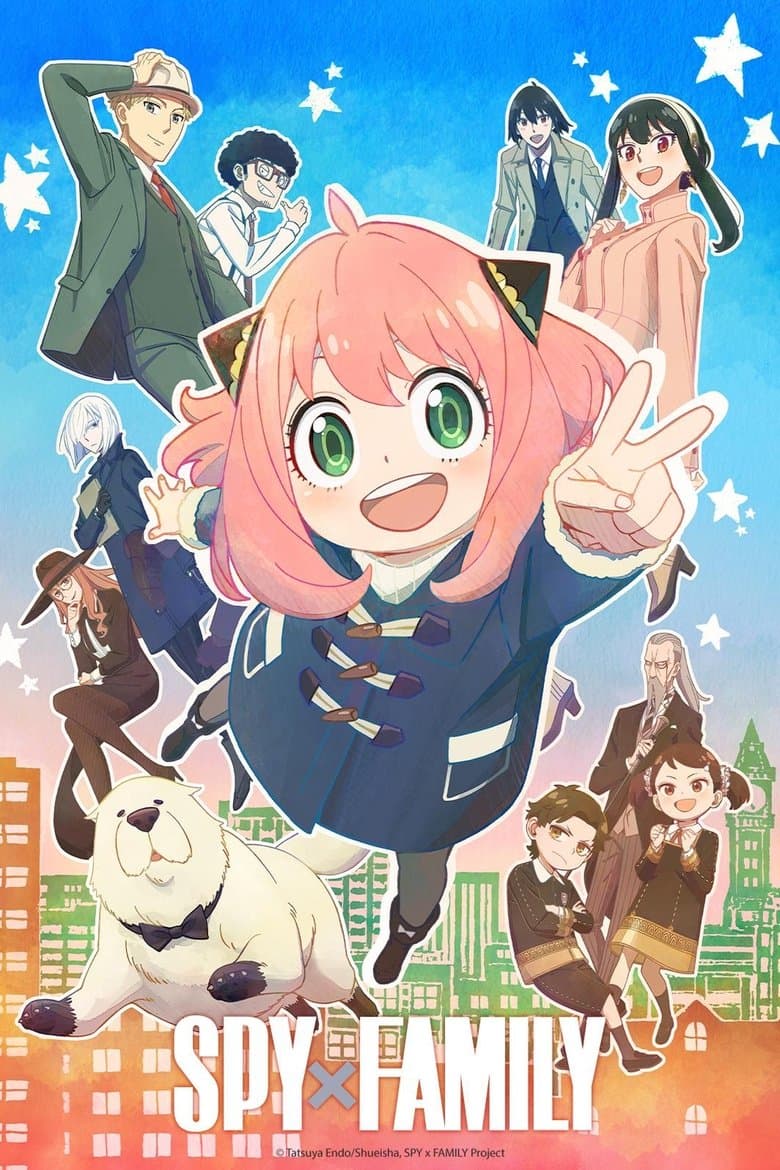
TV Show · 2022
A spy, an assassin and a telepath come together to pose as a family, each for their own reasons, while hiding their true identities from each other.
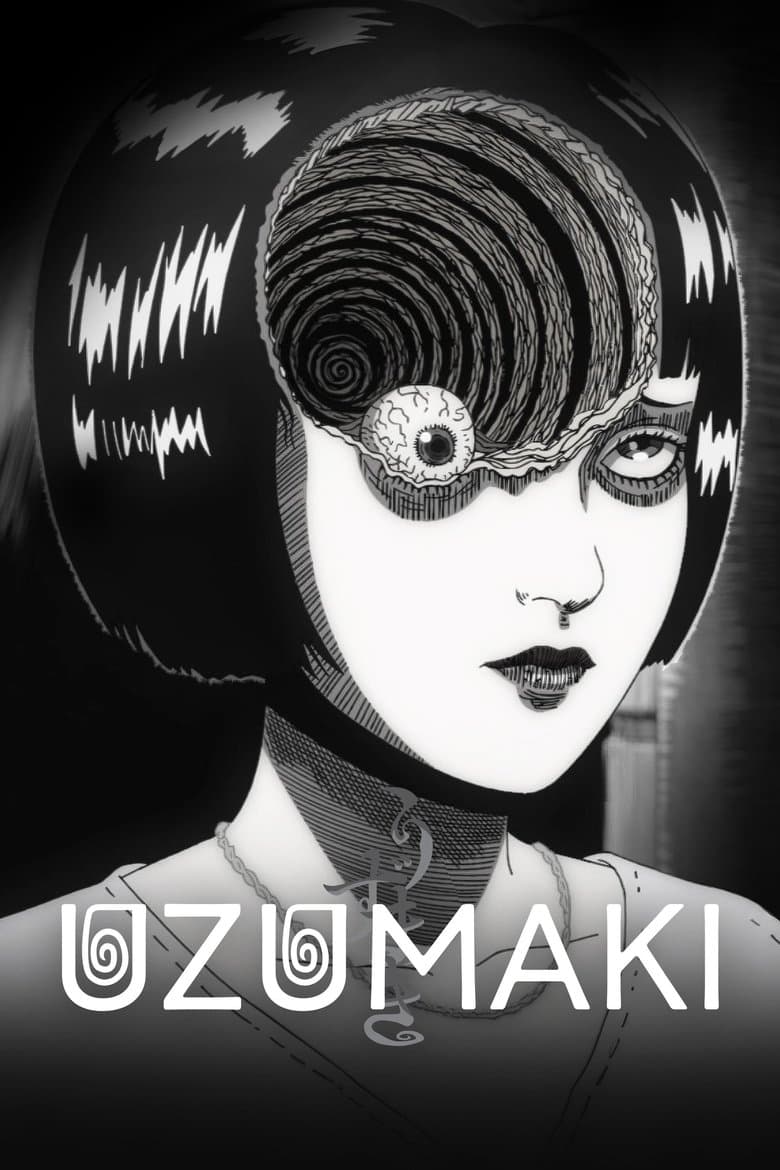
TV Show · 2024
Kirie tries to escape from her town Kurouzu-cho, where the residents get obsessed with spirals due to an unexplained curse.
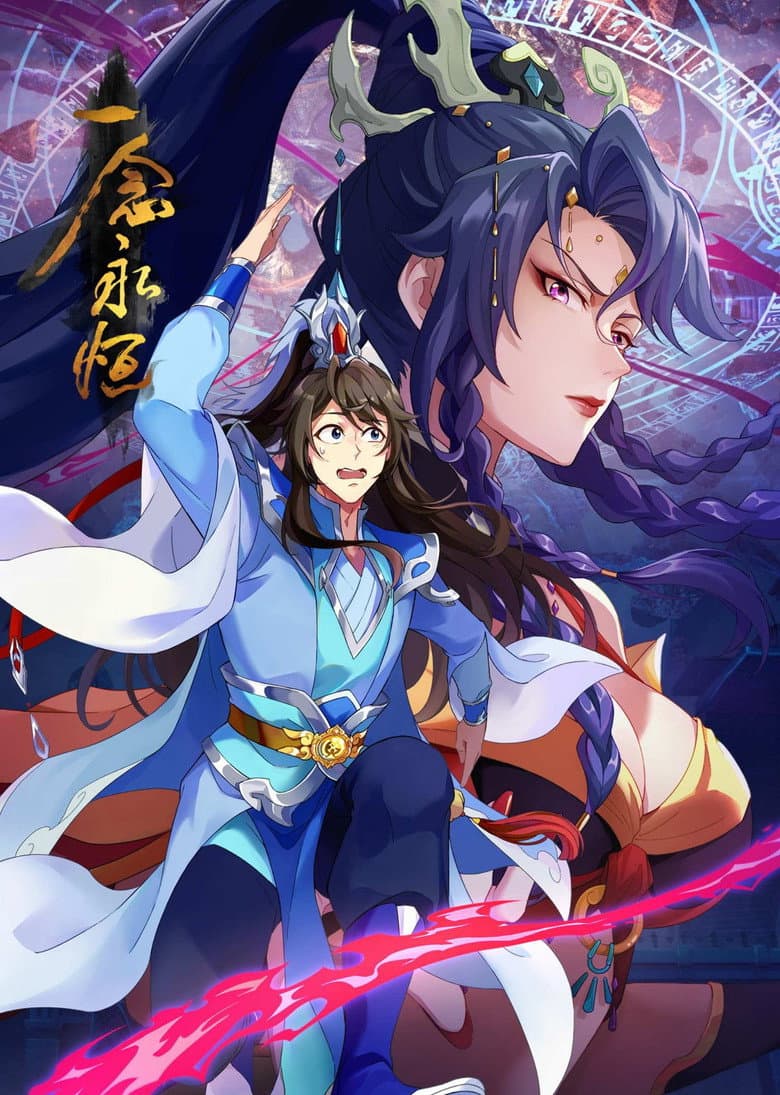
TV Show · 2020
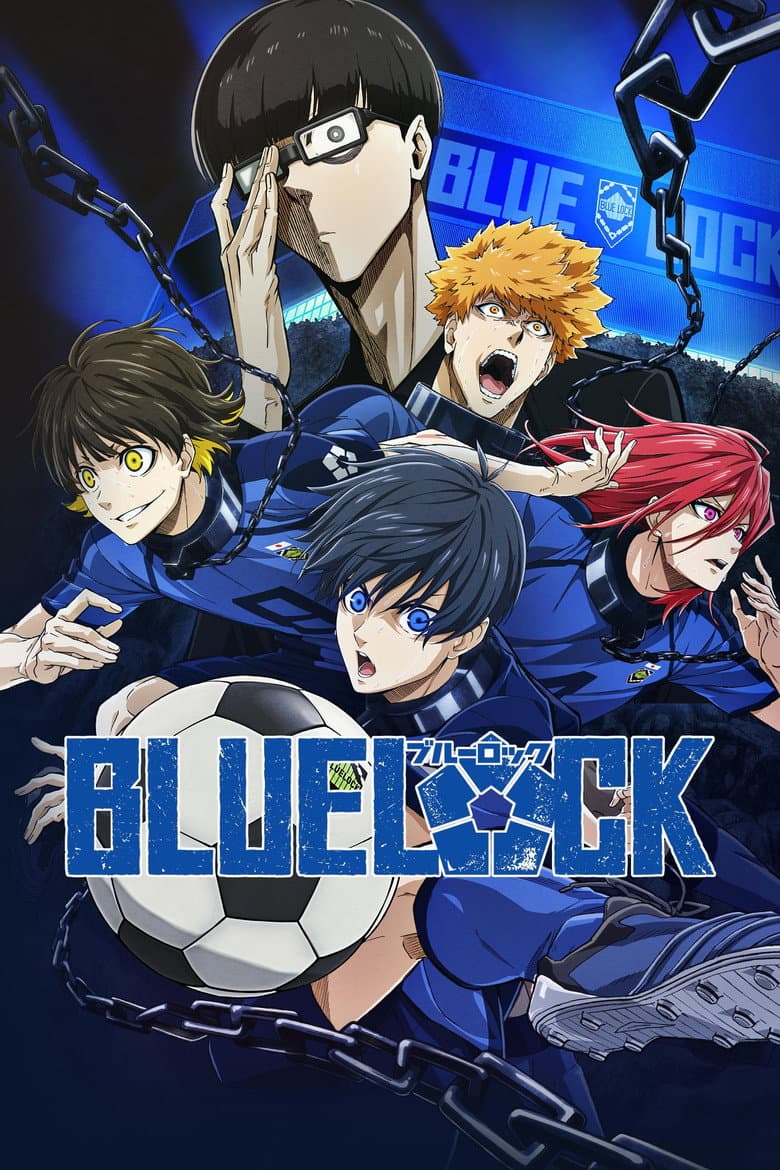
TV Show · 2022
High school soccer players from across Japan gather for a controversial project designed to create the best — and most egoistic — striker in the world.
TV Show · 2016
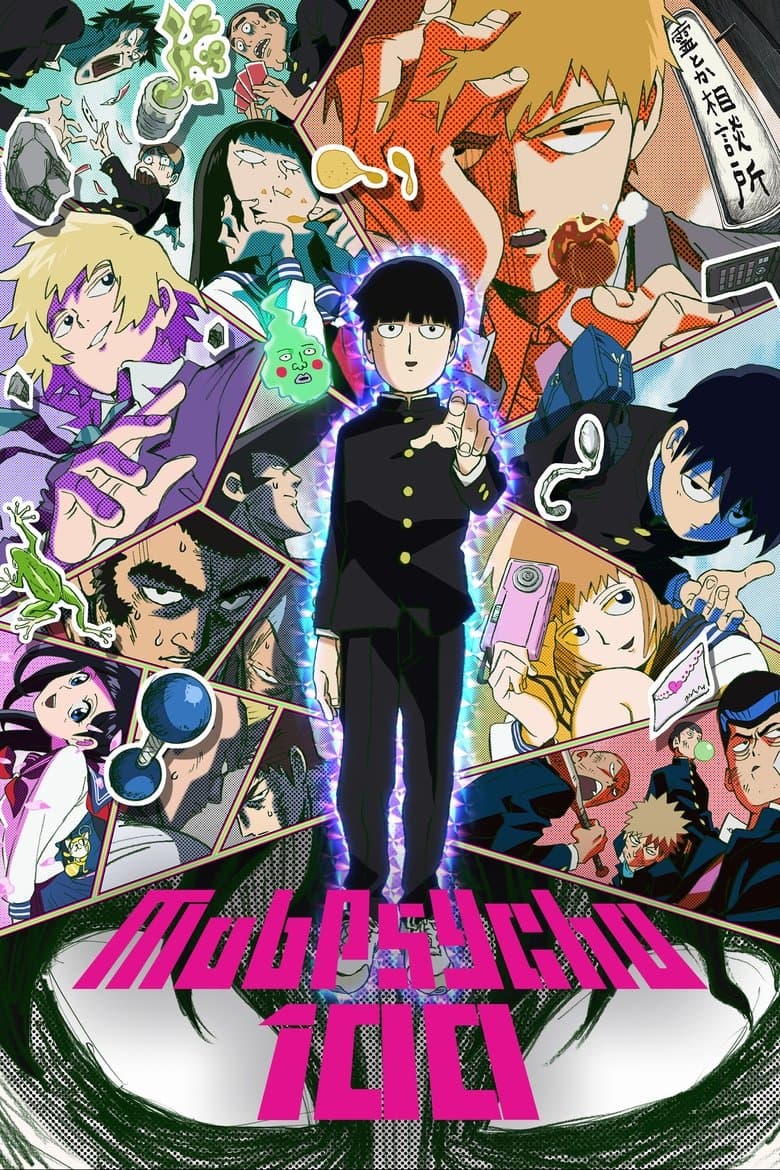
Shigeo Kageyama, a.k.a. "Mob," is a boy who has trouble expressing himself, but who happens to be a powerful esper.
