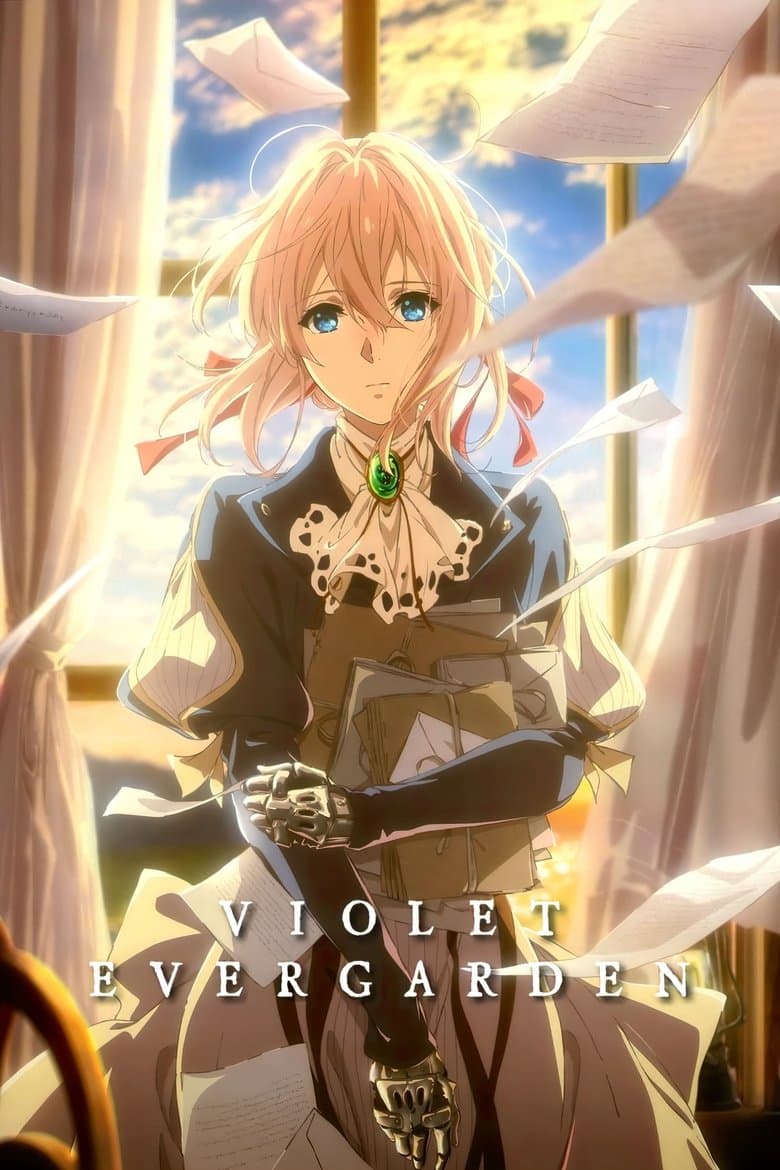
Started January 11, 2018 · Ended · Based on 1 season, 13 episodes through April 5, 2018 · TV-14 · 25 min · Japanese
Violet Evergarden follows a young former soldier in the fictional land of Telesis after a long war. Violet lost both arms in battle and now uses metal hands. She joins a postal company as an Auto Memory Doll, a worker who turns people’s feelings into letters. She wants to understand the last words spoken by Major Gilbert, “I love you,” while she learns how to live without military orders. The tone is quiet, sad, and hopeful, with stand-alone stories about love, grief, family, and the cost of war.
The show puts a woman at the center of a war story and follows her move from a weapon to a skilled worker with her own choices. It repeatedly shows women as soldiers, writers, princesses, and people who guide others, while several episodes focus on girls and women dealing with loss or family pressure. Violet’s metal arms and war trauma are important parts of her healing, but the story explains them through her past rather than treating them as a public identity message. The strongest message is that people can change through empathy, work, and honest letters. The series supports peace and emotional healing, but it does not use modern political speeches or identity slogans.
Community feedback
Was our 22% Woke rating accurate?
Breakdown
These are the editorial factors and ratings behind our score for Violet Evergarden.
Woke representation / casting
The show centers on a disabled young woman and gives several women skilled jobs as writers, soldiers, and public figures. Violet’s metal arms come from a clear war injury, and the women’s letter-writing work fits the setting. The series does not use an engineered multi-ethnic cast or a diversity-first casting message. The visible representation signal is therefore small.
10%
Woke political dialogue
Not present. The characters talk about war, grief, love, duty, and peace. They do not deliver modern identity, DEI, or activist lines.
0%
Identity-driven story themes
Violet is a girl shaped by war who moves from being treated as a weapon to choosing her own work and life. The show repeatedly gives women active roles as soldiers, writers, clients, and decision makers. It also treats disability, trauma, and emotional healing with sympathy. These themes can feel like a modern message about female agency, but the story does not turn them into a current political campaign.
32%
Western institutional / cultural critique
Not present. The military uses Violet as a weapon, and the war harms civilians and soldiers. The show treats those events as part of its fictional war and trauma story, not as a modern attack on Western institutions, family life, religion, or gender norms.
0%
Woke character or canon changes
Not relevant. The anime changes the order and shape of some light-novel material, but no established character is changed in race, gender, sexuality, or hero role.
0%
Anti-woke backlash and complaints
Not present. Public reviews and fan discussions mostly praise the emotional episodes or complain about slow pacing, heavy sentiment, and the late war arc. No meaningful anti-woke backlash about DEI, identity politics, or activist messaging was found.
0%
Creator track record context
Most listed directors and producers are known mainly for animation craft, production, and business work. Reiko Yoshida has a recurring pattern of female-led stories and close emotional bonds. Kana Akatsuki is private and has no known activist public profile. The wider team gives mild supportive context, not a strong activist signal.
17%
Production

TV Show · 2022
Irene and Franklin York, a retired couple, have a secret: a Chamber buried in their backyard that miraculously leads to a strange, deserted planet.
TV Show · 2025
A Happy alien, Takopi, lands on Earth with one mission: to spread happiness! When he meets Shizuka, a lonely fourth grader, he vows to bring back her smile using his magical Happy…
TV Show · 2018
Armed with an arcane knowledge of the dark arts and a wicked wit, John Constantine fights the good fight. With his soul already damned to hell, he’ll do whatever it takes to…
TV Show · 2023
After the party of heroes defeated the Demon King, they restored peace to the land and returned to lives of solitude.
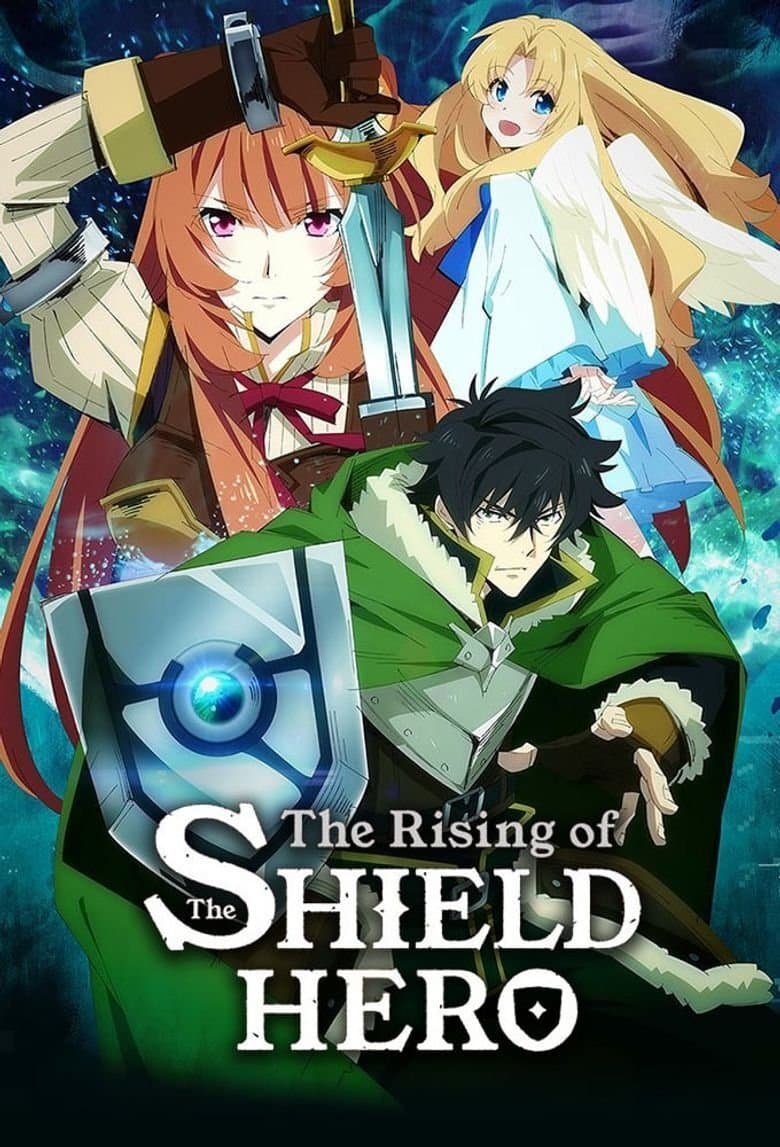
TV Show · 2019
Iwatani Naofumi, a run-of-the-mill otaku, finds a book in the library that summons him to another world. He is tasked with joining the sword, spear, and bow as one of the Four…
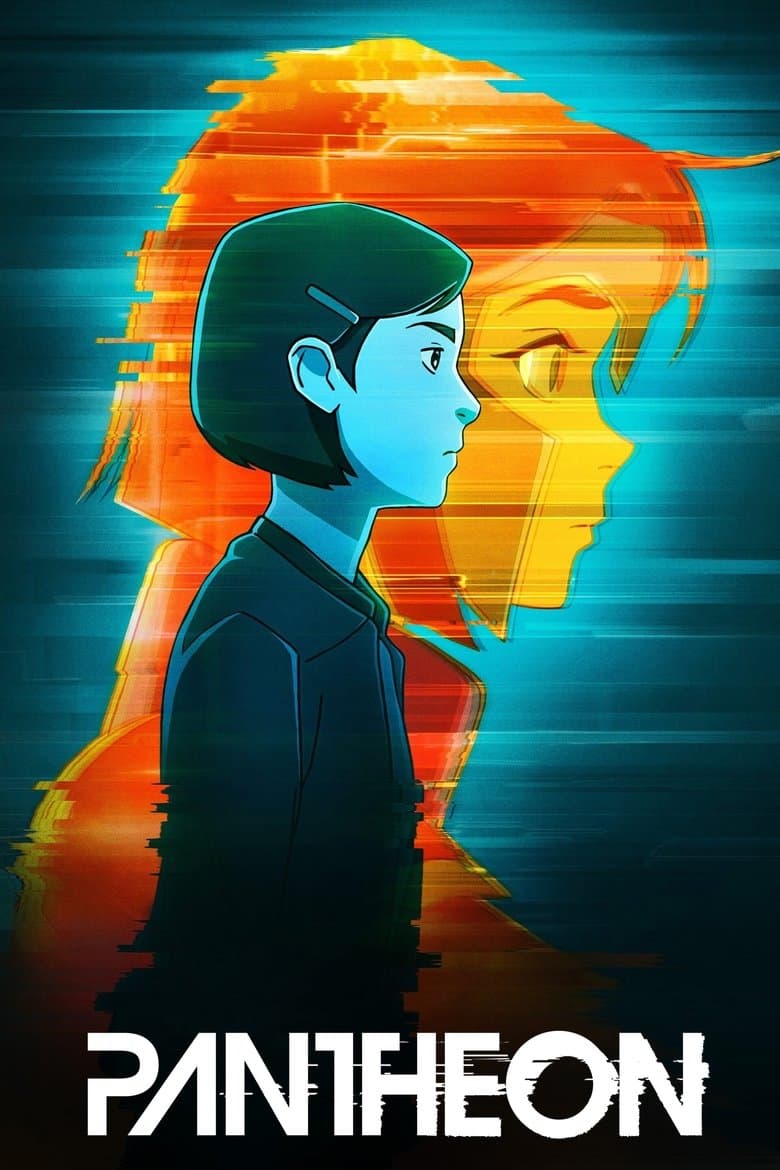
TV Show · 2022
A bullied teen receives mysterious help from someone online: a stranger soon revealed to be her recently deceased father, David, whose consciousness has been uploaded to the Cloud…
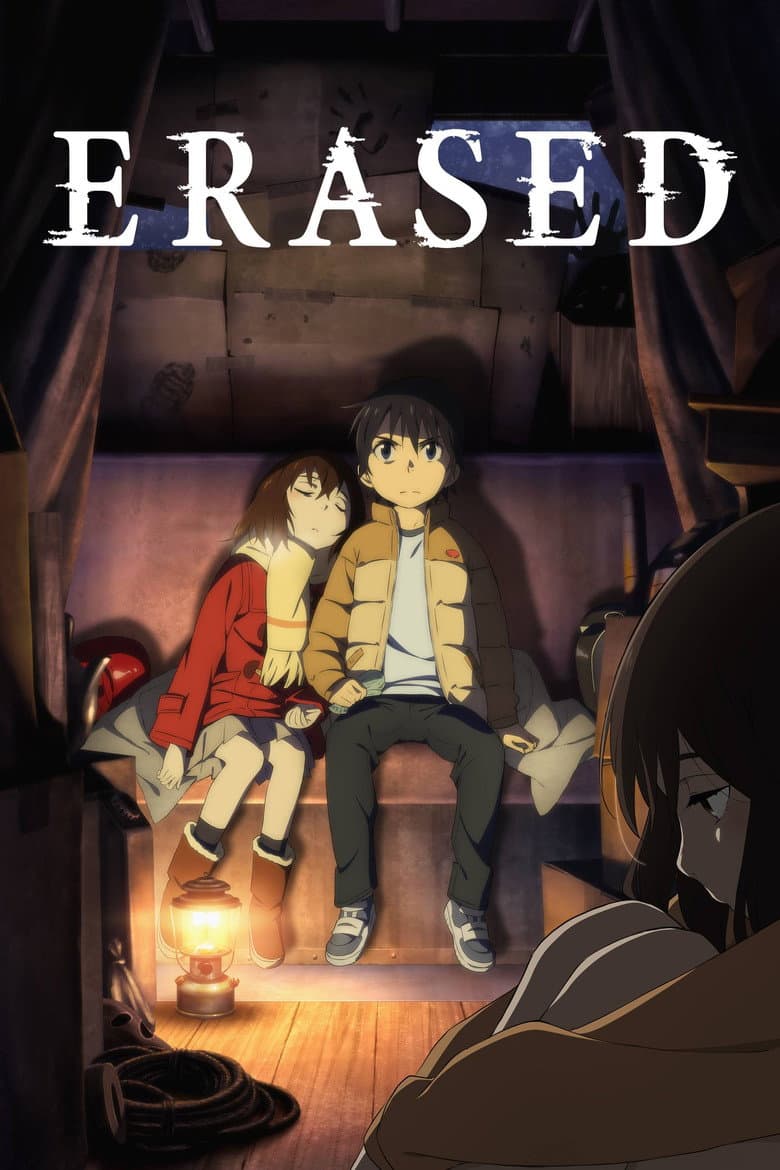
TV Show · 2016
Satoru Fujinuma is a struggling manga artist who has the ability to turn back time and prevent deaths. When his mother is killed he turns back time to solve the mystery, but ends…
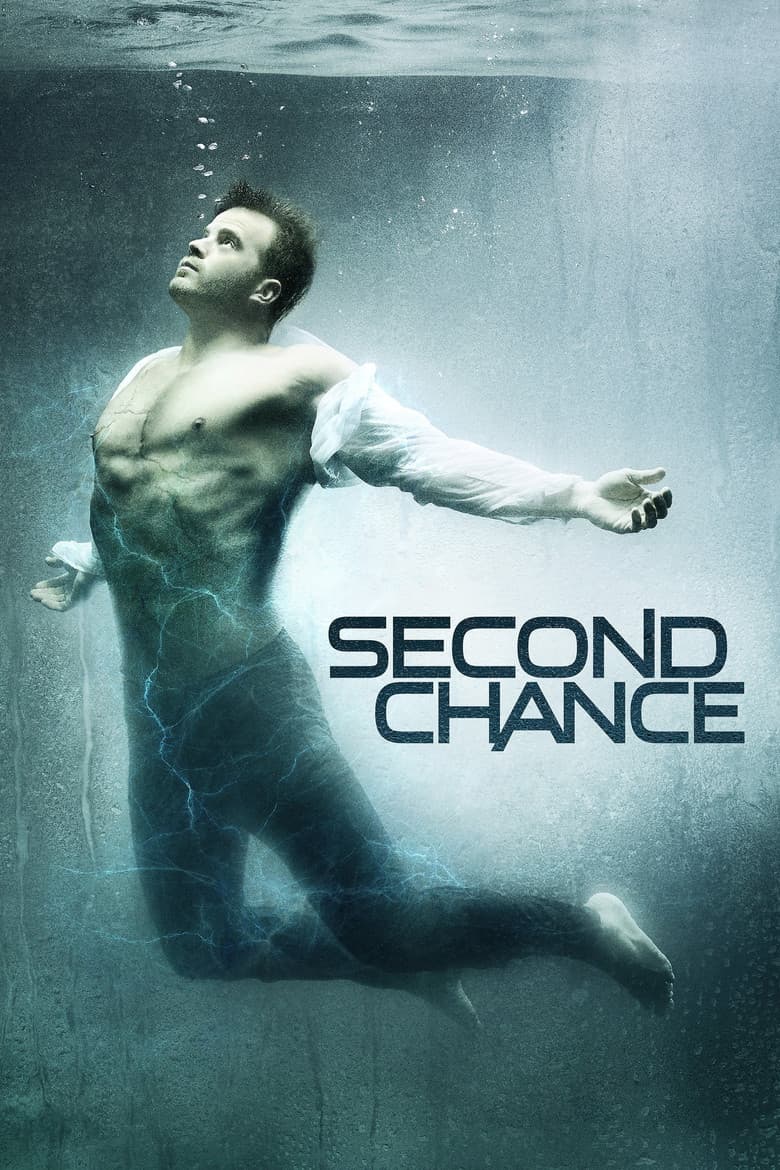
TV Show · 2016
A disgraced, 75-year-old ex-sheriff, whose life ends at the hands of corrupt cops, is brought back to life and given a second chance by a pair of young tech scientists, as a…
