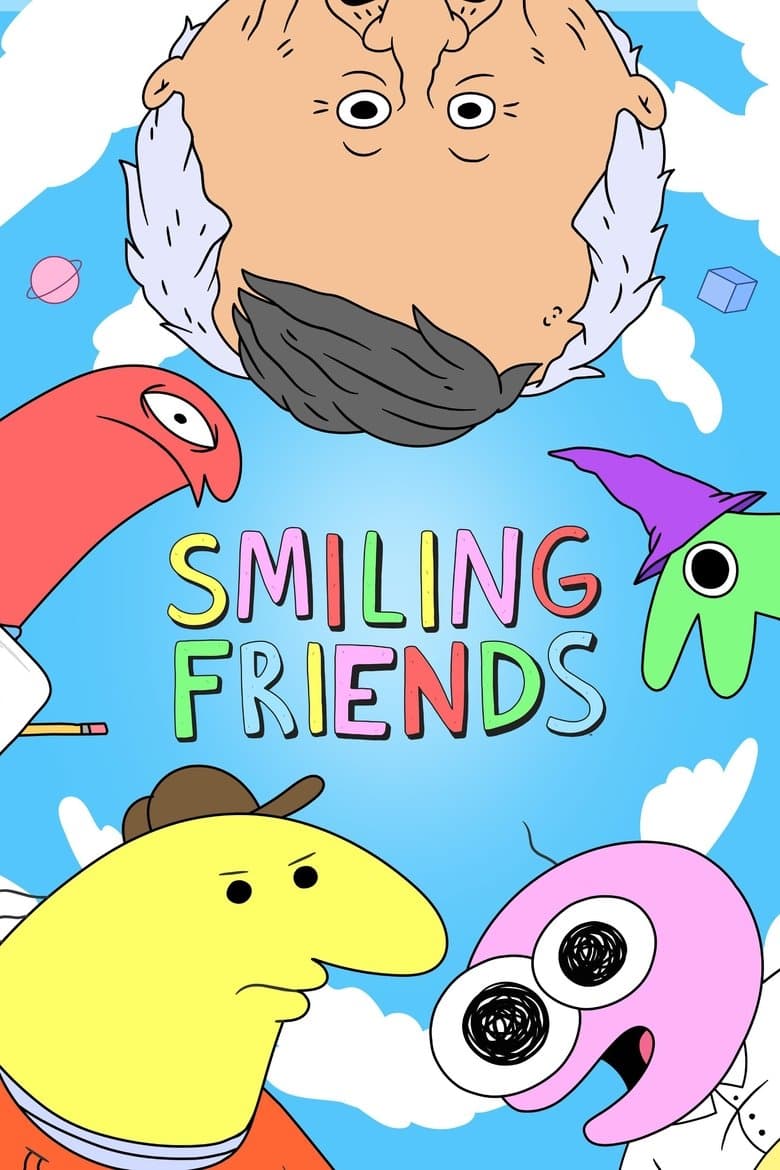
Started April 1, 2020 · Ended · Based on 3 seasons, 27 episodes through April 12, 2026 · TV-MA
Smiling Friends follows Pim and Charlie, who work for a strange company that tries to make unhappy people smile. Pim feels cheerful and eager to help, while Charlie feels tired, cynical, and careful. Each job sends them into a new problem involving monsters, criminals, celebrities, aliens, or people who need help. Allan, Glep, and Mr. Boss create more trouble at the office. The show uses crude jokes, sudden violence, mixed animation styles, and dark humor.
The show includes some political and cultural jokes, but those jokes do not control the series. “Mr. President” mocks an election, a foolish president, a violent celebrity candidate, and the electoral college. Other episodes joke about cancel culture and a false blackface accusation against a forest demon. Allan also makes a brief same-sex attraction joke. The main stories focus on friendship, grief, family, death, work, and bizarre fantasy problems, so the visible woke content has limited importance.
Community feedback
Was our 24% Woke rating accurate?
Breakdown
These are the editorial factors and ratings behind our score for Smiling Friends.
Woke representation / casting
Not present. The main characters are invented cartoon creatures. Pim and Charlie are voiced by the two male creators. Guest voices and human roles do not use diversity-first framing or show a repeated identity pattern.
0%
Woke political dialogue
Season 2's “Mr. President” covers an election, a presidential debate, the electoral college, a crashed economy, and a foreign dictator. The episode mocks President Jimble and the violent celebrity Mr. Frog instead of supporting one party. Season 1 adds the Smormu election joke, and Season 3 uses a brief no-fascism sign in a television parody. The show includes clear political humor, but it does not repeat a clear activist message.
24%
Identity-driven story themes
Season 3's “Mole Man” has Allan say that Mole Man's penis looked delicious after he sees it. The joke gives a male character a same-sex attraction moment. The show never gives Allan a stated queer label or a queer story arc. The main stories focus on work, friendship, grief, horror, and absurd problems.
8%
Western institutional / cultural critique
In Season 1's “Mr. Frog,” a network tries to replace a violent celebrity after a public scandal. The episode jokes about cancel culture. In “A Silly Halloween Special,” people kill a dark forest demon after falsely calling its appearance blackface. Season 2's “Mr. President” mocks elections, government, money, and foreign policy, while later episodes add only quick jokes. These moments criticize public panic and institutions, but the show keeps them silly and does not build a serious activist argument.
31%
Woke character or canon changes
Not relevant. The show is an original cartoon rather than an adaptation of a known book, franchise, or historical story. Its parodies of game mascots and other cartoons do not change an established canon.
0%
Anti-woke backlash and complaints
Not present. No qualifying anti-woke complaints were found. Some viewers called “Mr. President” too political or disliked its political jokes. Those comments did not say that the show pushed woke DEI or identity politics. Most public reaction praised the strange humor or discussed the show's ending.
0%
Creator track record context
Michael Cusack and Zach Hadel each have a recorded creator-context score of 2/100. They are known for crude, absurd comedy. Most cached directors and producers also have scores of 2/100. Brendan Burch has a score of 12/100 for a nonprofit that uses comedy animation for civic and political awareness, while Mike Cowap and Jeff Liu have scores of 8/100 and 9/100. No key creative person has a strong activist or identity-driven record tied to this show.
4%
Production
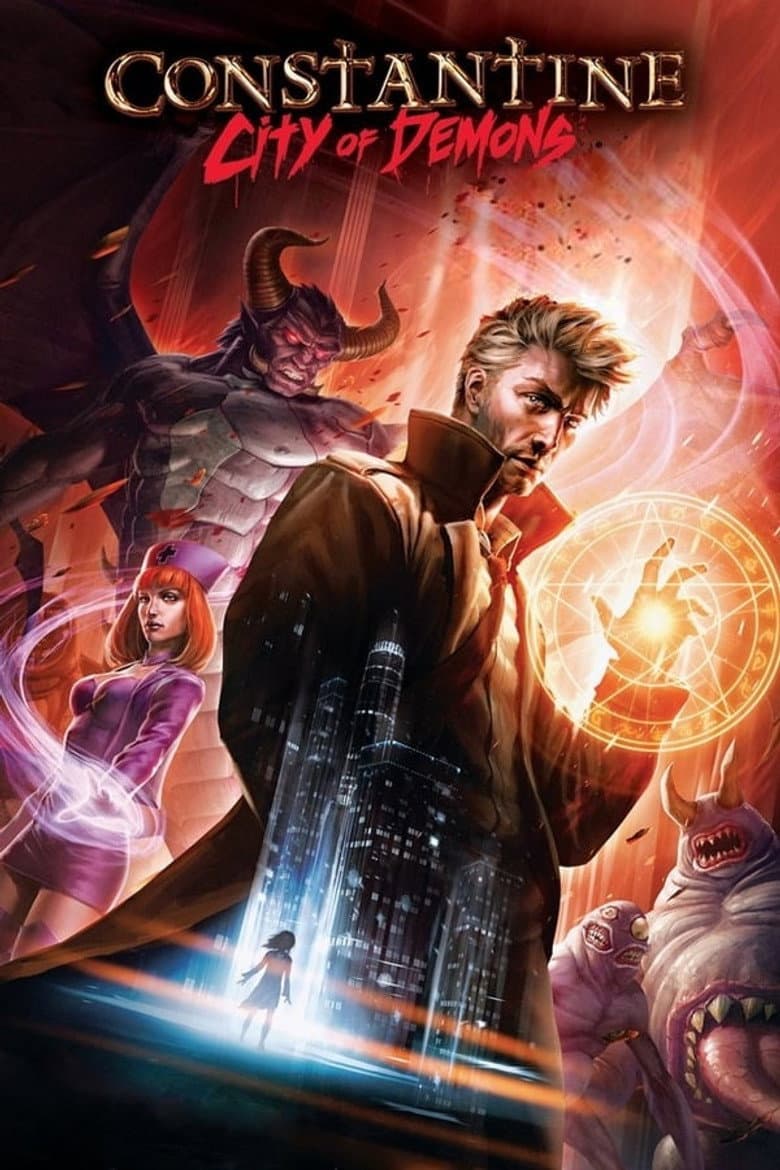
TV Show · 2018
Armed with an arcane knowledge of the dark arts and a wicked wit, John Constantine fights the good fight. With his soul already damned to hell, he’ll do whatever it takes to…
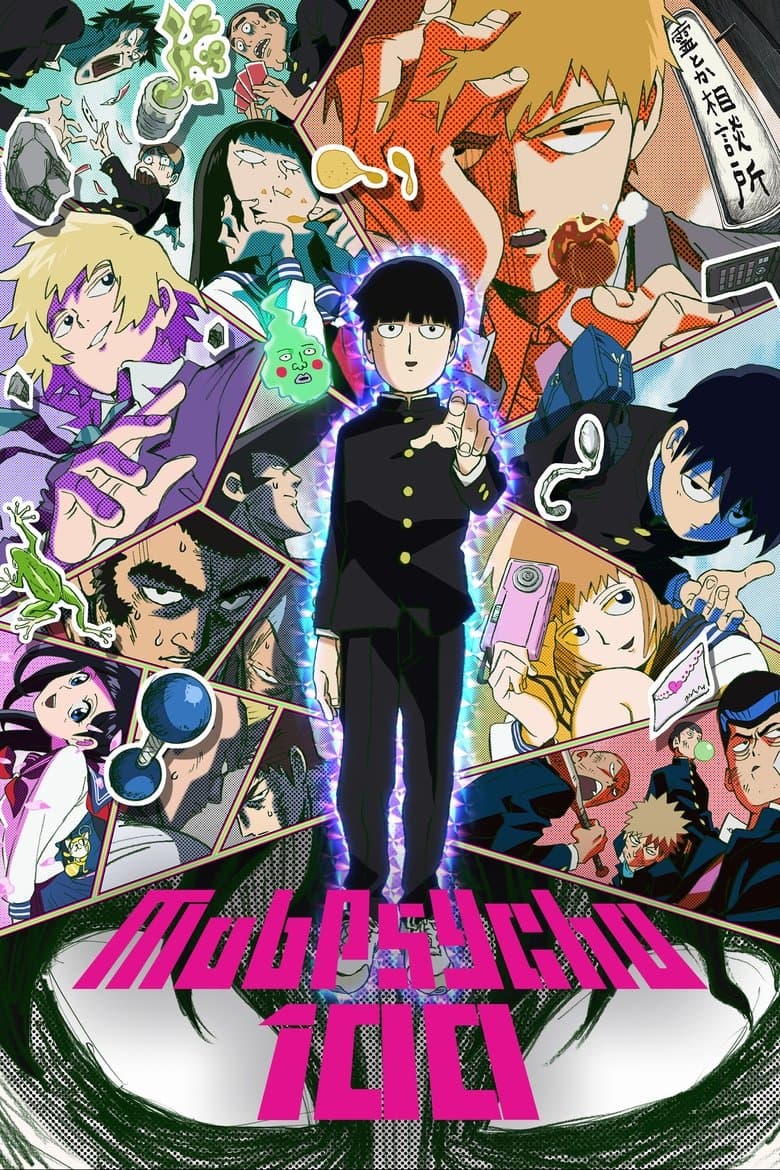
TV Show · 2016
Shigeo Kageyama, a.k.a. "Mob," is a boy who has trouble expressing himself, but who happens to be a powerful esper.
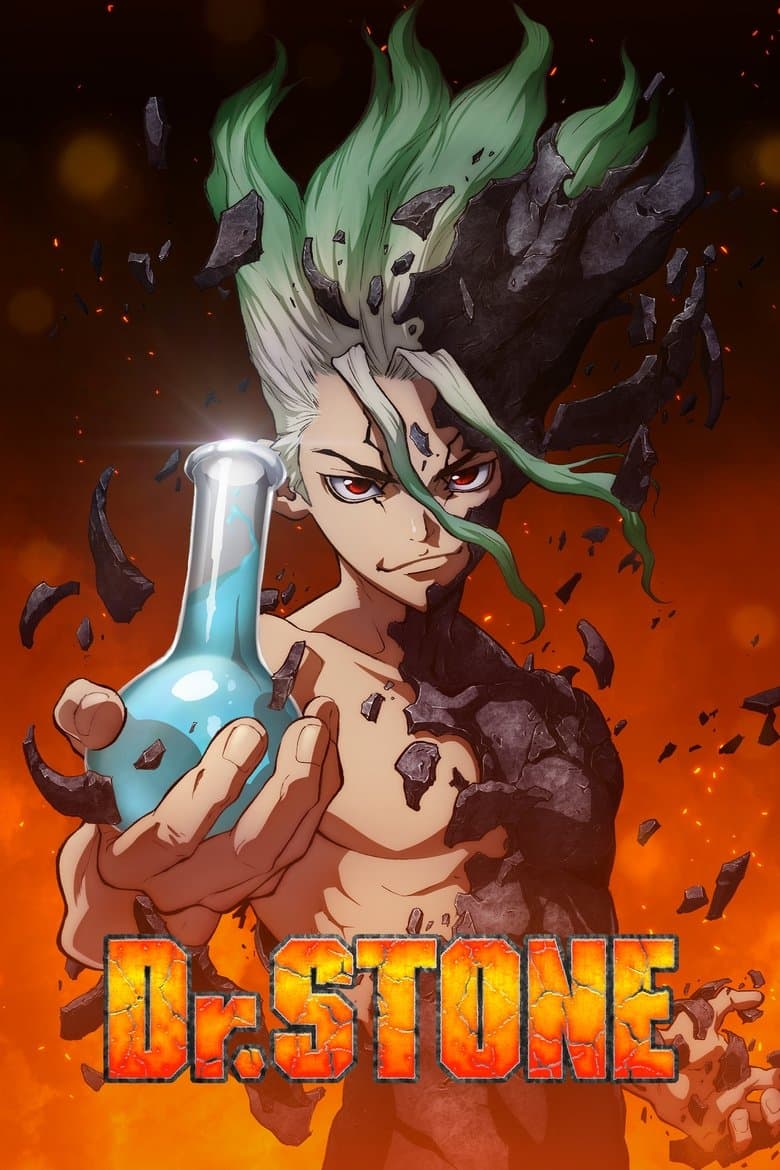
TV Show · 2019
One fateful day, all of humanity was petrified by a blinding flash of light. After several millennia, high schooler Taiju awakens and finds himself lost in a world of statues.
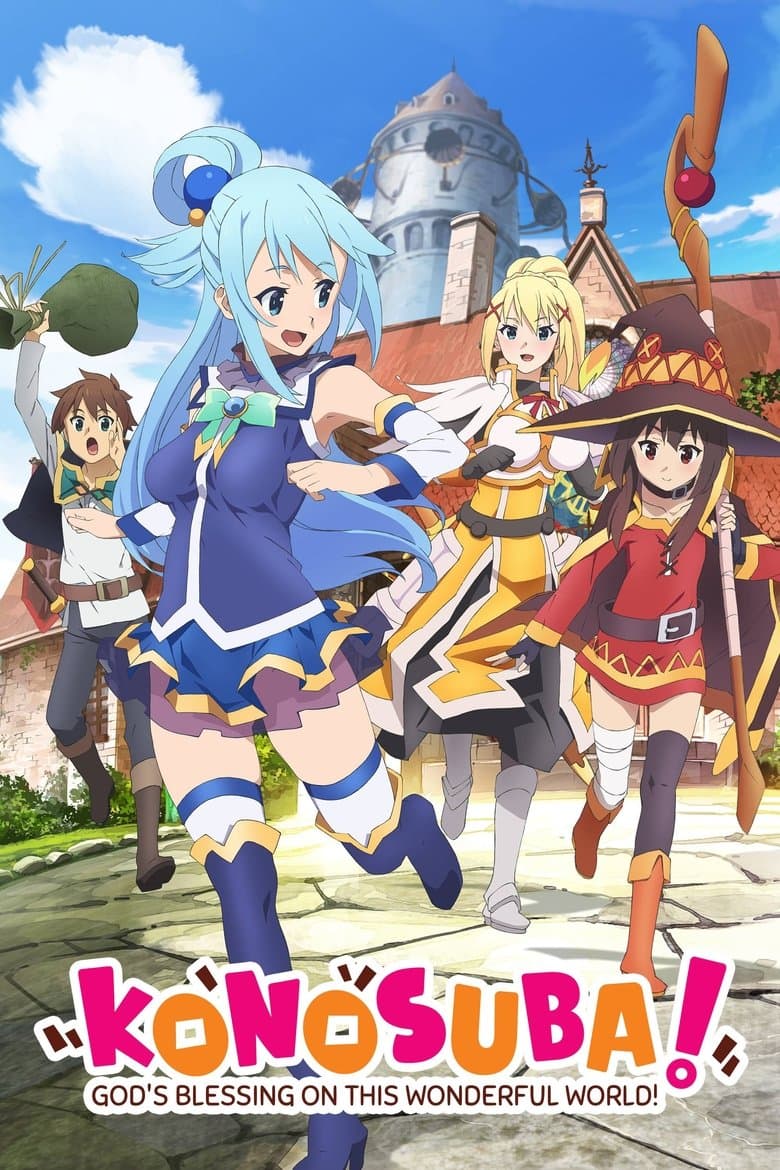
TV Show · 2016
After a traffic accident, Kazuma Sato’s disappointingly brief life was supposed to be over, but he wakes up to see a beautiful girl before him.
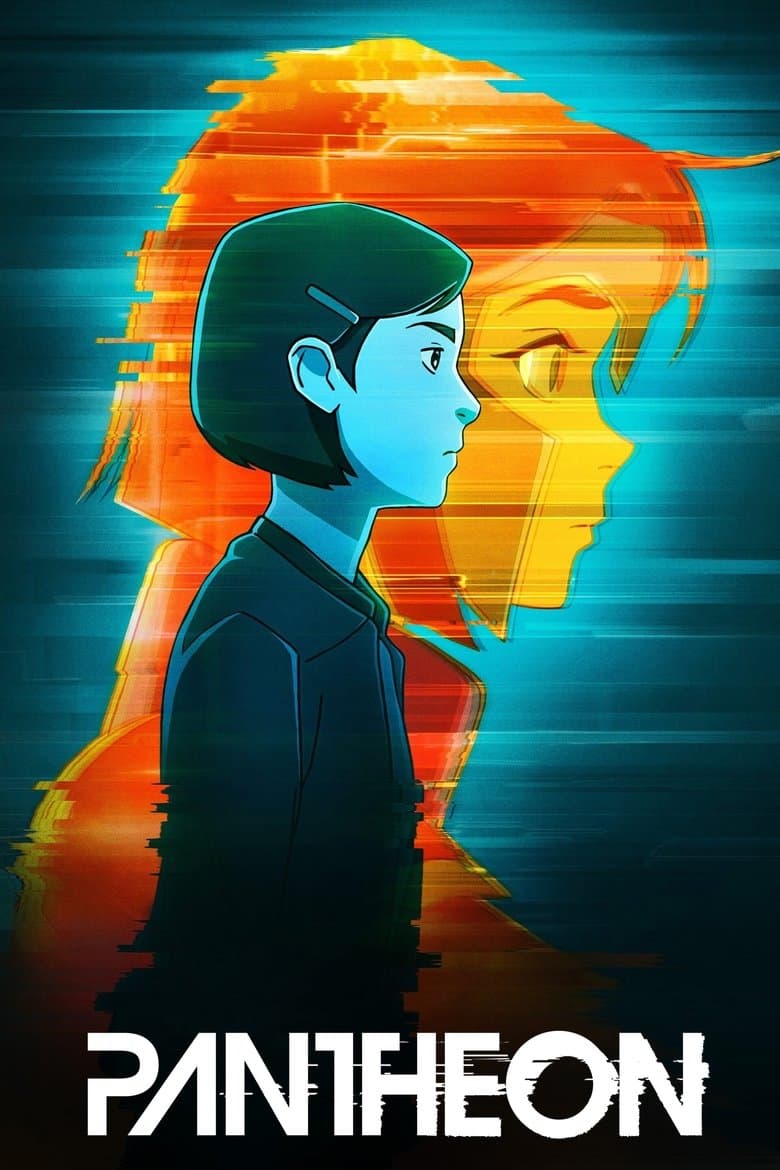
TV Show · 2022
A bullied teen receives mysterious help from someone online: a stranger soon revealed to be her recently deceased father, David, whose consciousness has been uploaded to the Cloud…
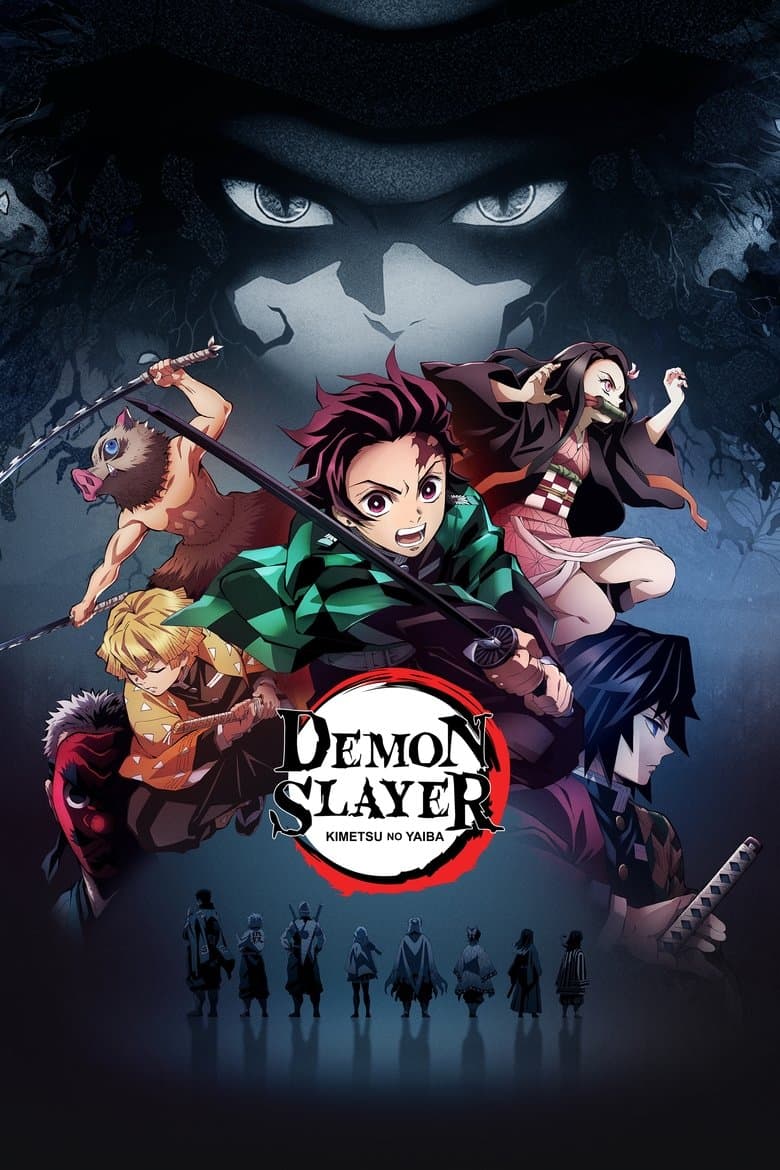
TV Show · 2019
After a demon attack leaves his family slain and his sister cursed, Tanjiro embarks upon a perilous journey to find a cure and avenge those he's lost.
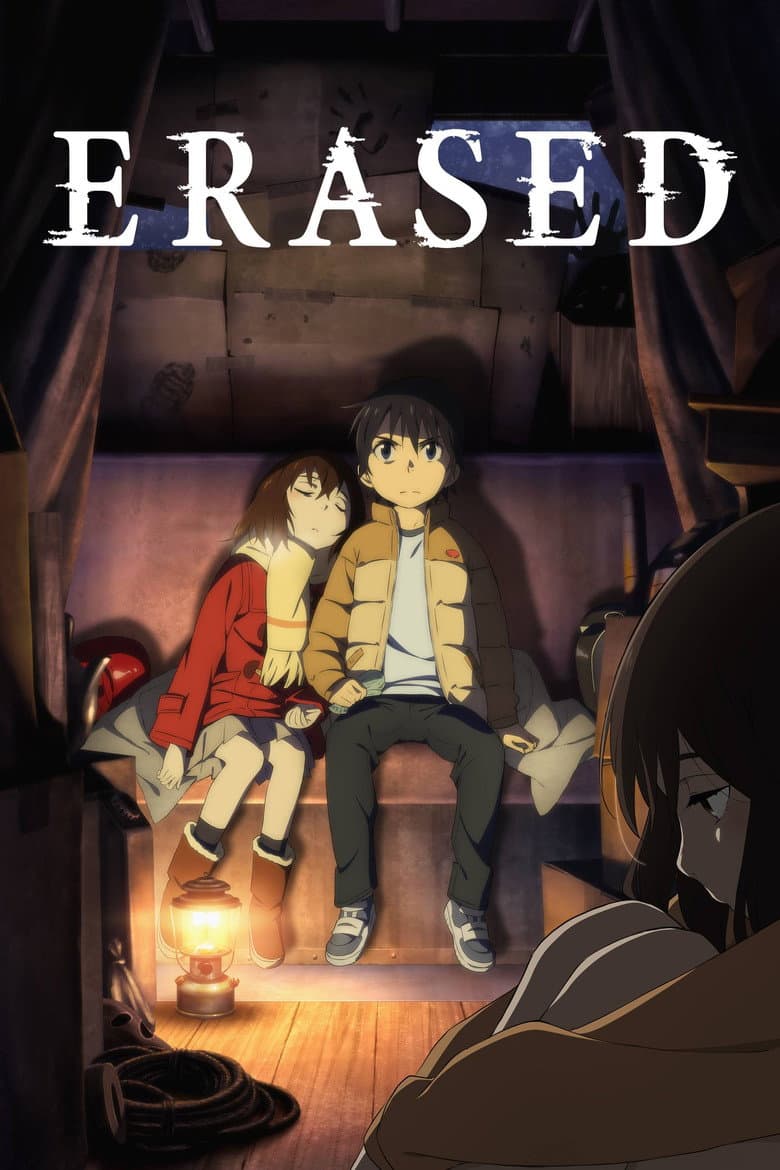
TV Show · 2016
Satoru Fujinuma is a struggling manga artist who has the ability to turn back time and prevent deaths. When his mother is killed he turns back time to solve the mystery, but ends…
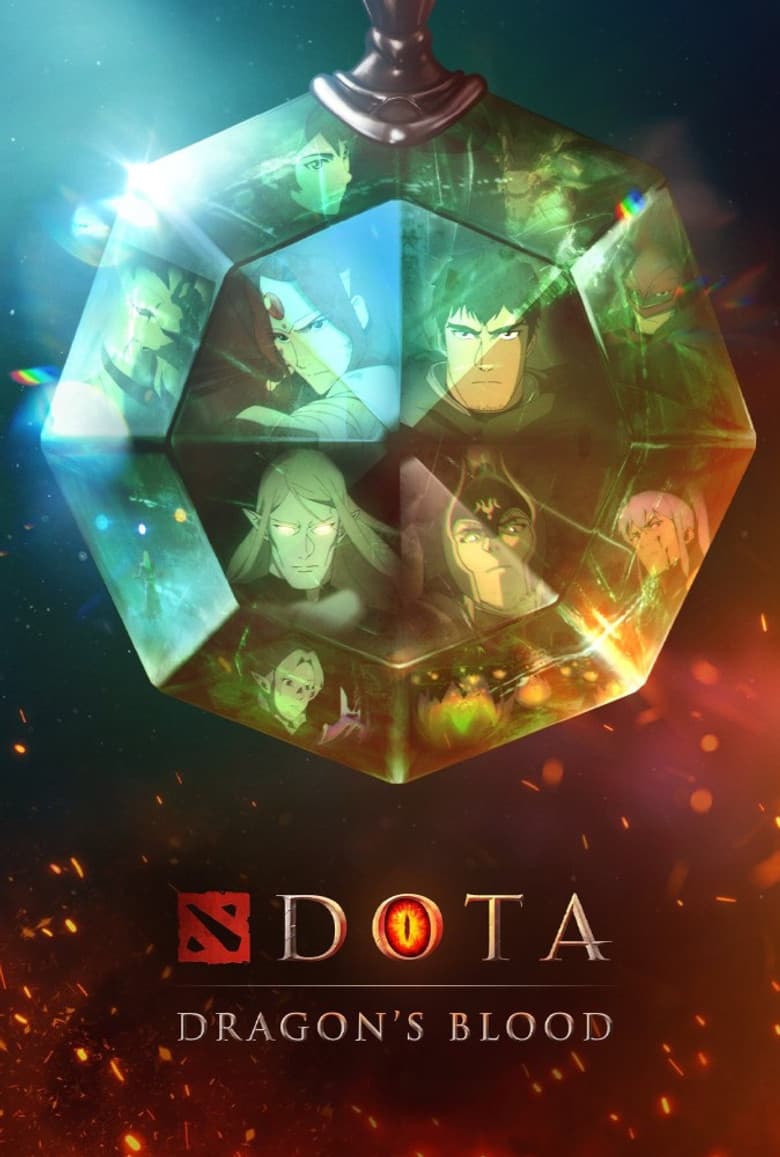
TV Show · 2021
After encounters with a dragon and a princess on her own mission, a Dragon Knight becomes embroiled in events larger than he could have ever imagined.
